
Sunsets and Saffron Tour Kashmir India
Nishat Bagh: Kashmir - Pahalgam
Mother Masala Tours
Paradise Through Stone and Water
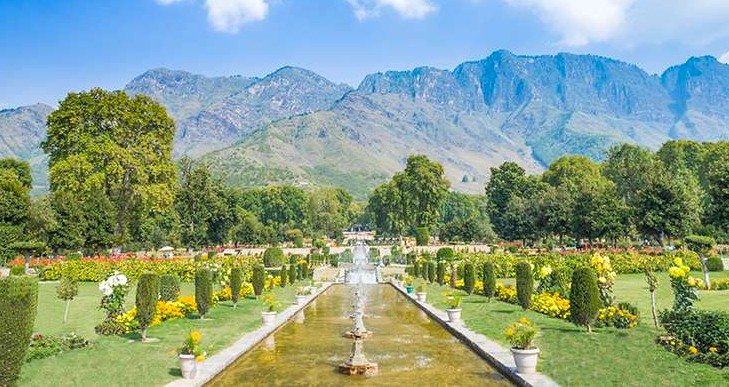
Nishat Bagh - meaning "Garden of Joy" or "Garden of Gladness" in Persian, stands as the second largest Mughal Garden in Kashmir Valley, situated on the eastern bank of Dal Lake. Created in 1633 CE by Asaf Khan, brother of Empress Nur Jahan and father of Mumtaz Mahal, this grand garden exemplifies the Persian concept of paradise on earth. The name derives from the Persian "nishāt" (pleasure, delight) and reflects its intended purpose as a space of royal relaxation and aesthetic contemplation. Rising on a steep hillside with twelve terraces symbolizing the twelve zodiac signs. Nishat Bagh Kashmir.
Nishat Bagh Kashmir: Primeval Waters Shaping Valley
Long before humans shaped the landscape into geometric gardens, the site of present-day the Bagh was part of ancient Lake Satisaras mentioned in Hindu texts. Geological evidence indicates this area formed approximately 40,000 years ago when massive landslides blocked the drainage of the Kashmir Valley, creating an enormous prehistoric lake. By 5000 BCE, natural erosion processes had reduced the lake's size, forming marshy lands at the foothills of Zabarwan range where Nishat would later rise.
First Settlers Created Foundations
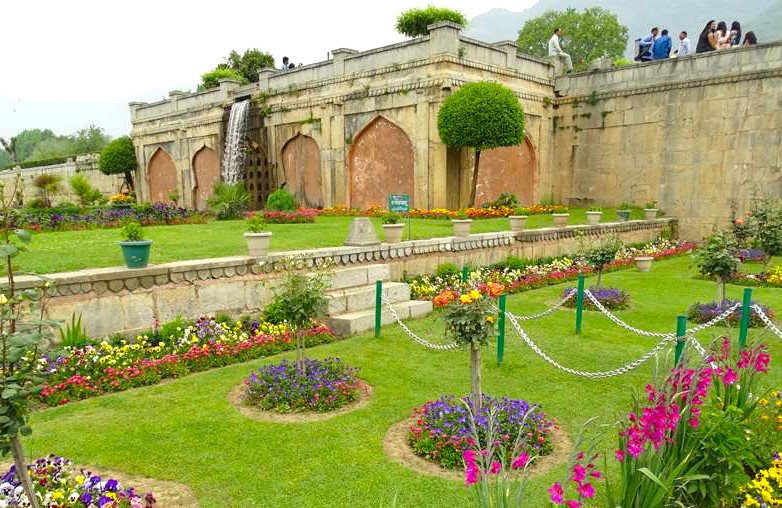
Archaeological excavations near Dal Lake uncovered Neolithic settlements from 3000-1700 BCE. Stone tools and pottery found nearby suggest early human activity. Ancient texts call the indigenous tribes Nishadas. These people worshipped nature deities of the water and mountains. They created simple terraced fields along the hillsides. This early farming tradition eventually influenced later landscaping principles. This ancient heritage underscores the valley's timeless allure. Here, the deep-rooted bond between humanity and the rugged landscape first began.
Buddhist Footprints Marked Territory
The earliest documented settlement near present-day Nishat dates to the 3rd century BCE during Emperor Ashoka's reign. Historical chronicles describe a small village called "Surajavana" (Sun Forest) occupying the site, with approximately 340 inhabitants who practiced Buddhism. The remains of a small stupa discovered during Mughal excavations in 1633 CE confirm this Buddhist presence. These early inhabitants established primitive water channels diverting mountain springs for irrigation - creating the hydrological foundation later Mughal engineers would brilliantly expand upon. Nishat Bagh Kashmir.
Celestial Guided Design
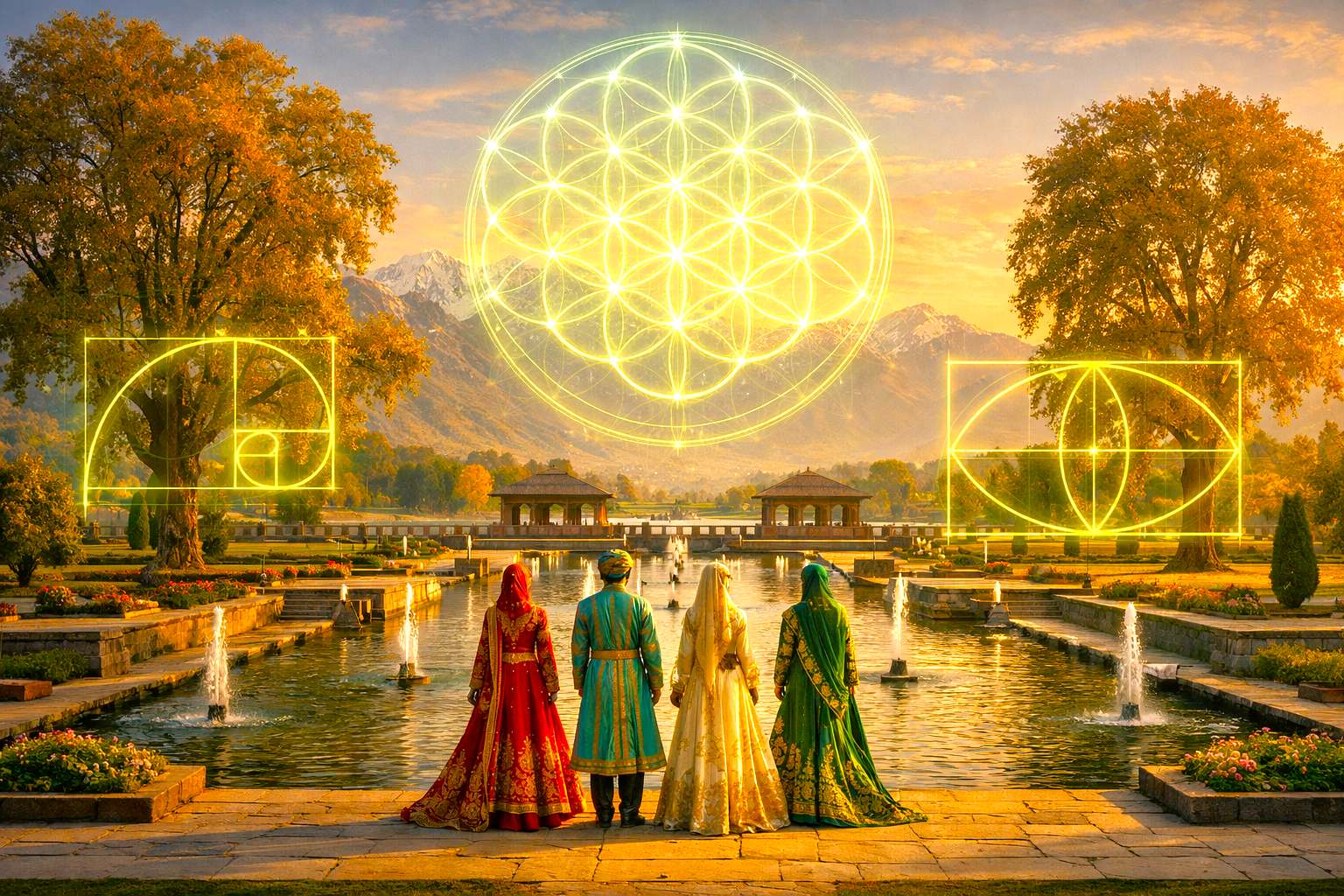
This design follows the classic Persian chahar bagh layout. It adapts to the sloping Kashmiri terrain. The garden's mathematical proportions derive from precise astronomical calculations. Its primary axis runs 4 degrees east of true north. This aligns with the summer solstice sunrise from the central pavilion. This celestial orientation connected the garden to cosmic rhythms. These were important in both Islamic astronomy and Hindu traditions. This harmony between earth and sky creates a sacred space. It reflects the wisdom and beauty of ancient architecture.
Sacred Geometry Reveals The Cosmos
The twelve terraces symbolize not only zodiac signs but also the twelve months of the Persian solar calendar. Each terrace contains precisely 108 fountain jets - a sacred number in Hindu cosmology representing the universe's completeness. The central water channel measures exactly one-twelfth the garden's total length, creating mathematical harmony through proportional relationships. The main canal width progressively narrows by exactly one-eighth as it ascends each terrace, creating an optical illusion that makes the garden appear longer when viewed from the entrance.
Earth Transformed Through Labor
Construction began on March 7, 1633, under the supervision of Mirza Haider, Asaf Khan's chief engineer. This massive landscaping project required redirecting three mountain streams and excavating approximately 120,000 cubic meters of earth to create the iconic terraces. Historical records document 1,200 laborers working continuously for 18 months to complete the initial structure. This monumental effort transformed the rugged mountainside into a tiered masterpiece of hydraulic engineering and horticultural beauty. Nishat Bagh Kashmir.
Power Struggles
Following Asaf Khan's death in 1641, ownership of Nishat transferred to his daughter Mumtaz Mahal, then to Emperor Shah Jahan. The garden witnessed political turmoil during the decline of Mughal power. In 1752, Afghan ruler Ahmad Shah Durrani seized Kashmir, using Nishat as a military headquarters. His troops damaged several structures and cut down 340 chinar trees for firewood during the harsh winter of 1753. The garden's central pavilion was converted into a weapons storage facility, with cannon emplacements positioned along the upper terraces.
Colonial Influence Altered Patterns
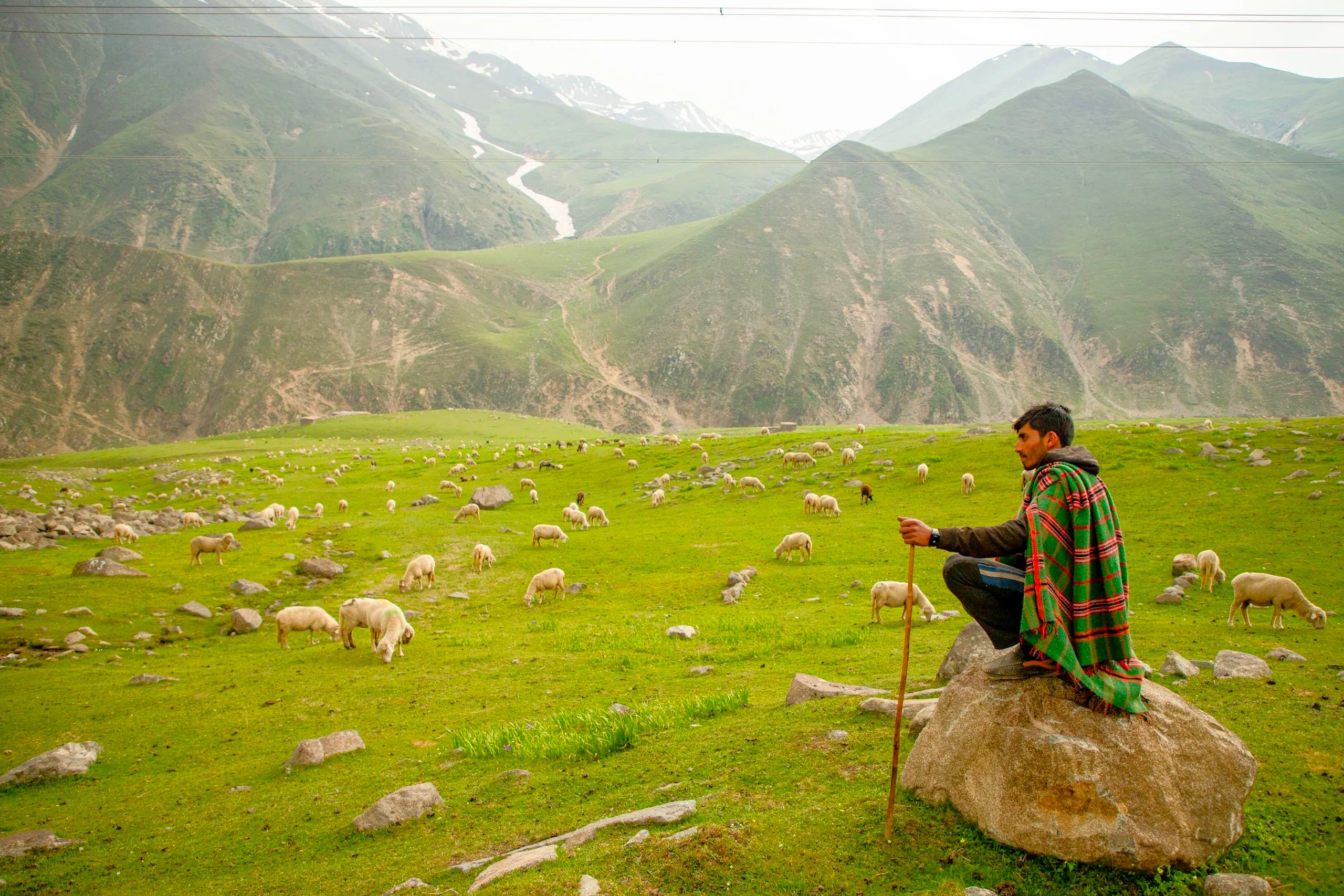
British colonial administrators assumed control of Kashmir in 1846 after the Treaty of Amritsar. They introduced European landscaping elements to Nishat, including Victorian flowerbeds and non-native plant species. Walter Roper Lawrence, British settlement commissioner, documented Nishat in his 1895 book "The Valley of Kashmir," noting that "the garden shows magnificent engineering skill, though suffering from unfortunate European innovations." Colonial authorities counted approximately 250 families living in the vicinity of Nishat.
Living Traditions Continue
Nishat Bagh maintains many original features while serving as both historical monument and public space. The garden hosts traditional Kashmiri festivals, particularly Tulip Festival (April 5-15) when over 70 tulip varieties bloom across the terraces. During Badamwari (February 25-March 15), almond blossoms herald spring's arrival with cultural performances. The garden employs 87 full-time gardeners, many from families who have maintained Nishat for generations. The Mir family, descendants of original Mughal gardeners, has passed specialized pruning and cultivation techniques through fifteen generations. Nishat Bagh Kashmir.
The View Is Better When You're Actually There - Come With Us
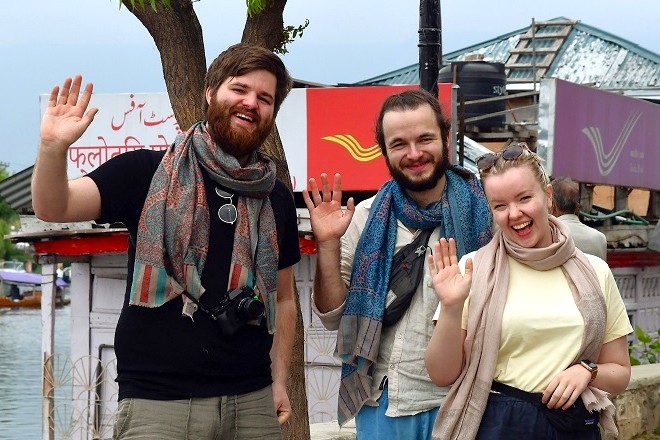
Step through Nishat's twelve celestial terraces where Mughal royalty once contemplated perfection. Feel cool mountain waters cascade alongside you as ancient chinar trees whisper four centuries of secrets. We have a wonderful time in this magnificent setting, where the air feels light and the history is palpable. The grand layout is so easy to admire, offering a peaceful sanctuary from the world outside. Each level reveals a new, stunning perspective of Dal Lake and the snow-capped peaks. This garden is a masterpiece of design, blending nature’s raw power with human elegance.
Symphony of Generosity: Offerings from Wanderers to Residents
The exchange between the local community and those who come to discover this unique area fosters meaningful connections that greatly benefit both parties. As you interact with friendly local residents, eat at family-owned eateries, and purchase beautiful handmade crafts, you directly contribute to the economy while gaining invaluable insights into their distinct lifestyle. This important reciprocal relationship enriches the shared cultural narrative of the region. Supporting these small-scale endeavors ensures that authentic charm is preserved for future generations to enjoy. Every conversation and purchase becomes a meaningful gesture of solidarity, turning a simple visit into a powerful catalyst for positive change and deep, mutual respect.
Step Inside The Story - View All Tour Itineraries & Details

We’re here to offer genuine, thoughtful guidance if your interested in travelling to India. As a small, dedicated team, we pay close attention to every detail so you can focus on enjoying the experience while we take care of the planning. We believe the best trips begin when someone truly listens to what you want and how you like to travel, so the journey feels right for you and contributes to a happy, positive group on tour. Our communication stays clear, straightforward, and respectful at every step, with the goal of helping you feel understood, supported, and confident from first contact to the end of your journey.
Click Catherine Frith - About The Founder
Click Discover Life Travel - All Tours and More
Click Why We Are Different - Unique, Safe, Transparent