Unique Insights Into The Empires Of India
Shah Jahan: Echoes Beneath The Marble Sky
Discover Life Travel
The Eternal Emperor
Shah Jahan, whose title means “King of the World,” ruled the Mughal Dynasty from 1628 to 1658, shaping cities and rituals along the Yamuna from Agra to Shahjahanabad, later called Old Delhi. Born Prince Khurram in Lahore on 5 January 1592, son of Jahangir and grandson of Akbar, he inherited a realm already layered with faiths, trade arteries, and ancestral legends. His consort Mumtaz Mahal, and later his daughters Jahanara Begum and Roshanara Begum, shared palace life that mixed devotion, court ceremony, and private grief. Under his watch, new forts, mosques, gardens, and water systems rose, while old trade routes deepened. Yet battles of succession and mounting costs set the stage for later strains in the dynasty that had once seemed unassailable. Shah Jahan Echoes Beneath The Marble Sky
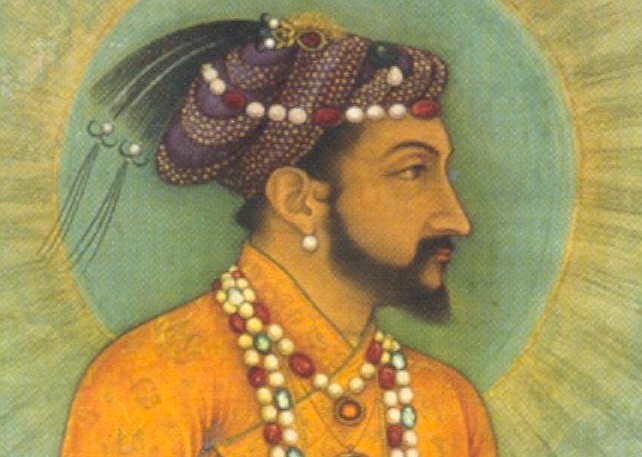
Shah Jahan: Echoes Beneath The Marble Sky
Long before Shah Jahan’s time, the plains around Agra and Delhi supported early farming cultures tied to the Yamuna and Ganga. Epic traditions link this belt to figures such as King Yayati and sage Bharadvaja, whose sacrifices and ashrams reportedly stood near river cliffs and groves. Archaeology records painted grey ware and Northern Black Polished Ware cultures from roughly 1200 to 300 BCE, with settlements trading beads, iron tools, and grains along caravan tracks. Towns like Mathura and Hastinapur emerged as religious and mercantile centers, blending Vedic ritual with local cults of river deities and nagas. When the Mughals later claimed these lands, they inherited a terrain already sanctified by centuries of pilgrimage and commerce, which framed how their own authority was understood.
Name Of A Worldly King
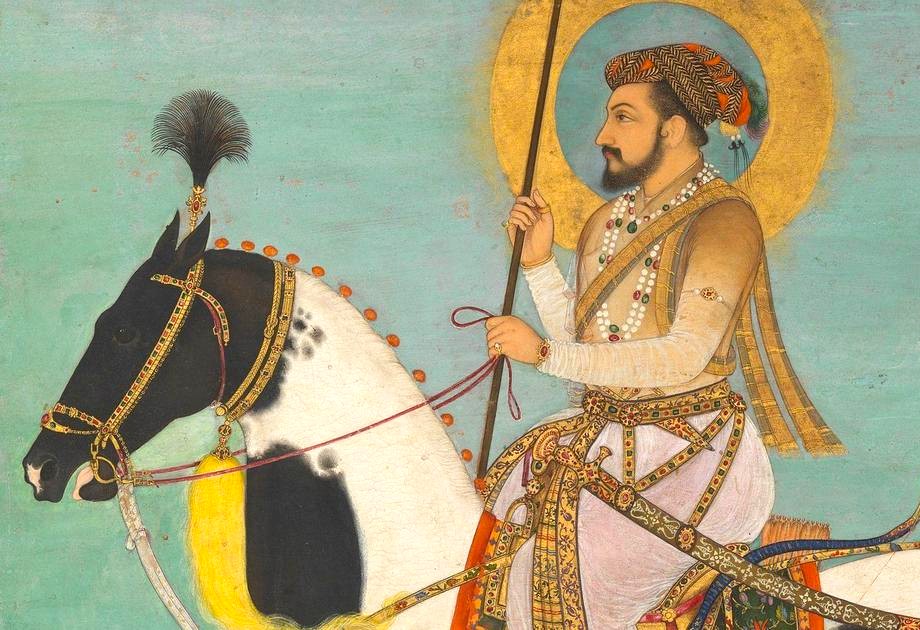
The name “Shah Jahan” joins Persian “Shah,” ruler, with “Jahan,” world, suggesting a sovereign whose reach would cover the whole earth. Born as Khurram, meaning “happy,” he received the regnal name upon accession in February 1628 after complex struggles during his father Jahangir’s final years. His domains at their height stretched from Kabul in the northwest to parts of the Deccan plateau in the south, and from Kandahar’s frontier valleys to Bengal’s delta. Key capitals included Agra on the Yamuna and the new city of Shahjahanabad, founded in 1639 and inaugurated around 1648. From these centers he tried to project a vision of ordered rule rooted in divine favor, Persianate court etiquette, and inherited Timurid traditions. Shah Jahan Echoes Beneath The Marble Sky
Timurid Bloodlines And Royal Households
Shah Jahan descended directly from Babur through Humayun, Akbar, and Jahangir, carrying dual claims to Timurid and, through marriage alliances, Chagatai and Mongol heritage. His mother, Jagat Gosain (also called Bilqis Makani), was a Rajput princess from the Rathore house of Marwar, tying the Mughal court to Rajput lineages. His principal wife, Arjumand Banu Begum, known as Mumtaz Mahal, belonged to the Persianate Asaf Khan family, linked to the powerful Nur Jahan. Children from this union included Dara Shikoh, Shah Shuja, Aurangzeb, Murad, and the influential princesses Jahanara and Roshanara. Within the harems of Agra and later Shahjahanabad, women managed estates, endowed mosques and Sufi lodges, and shaped succession politics through counsel, correspondence, and marriage negotiations.
Founding Shahjahanabad Along The Yamuna
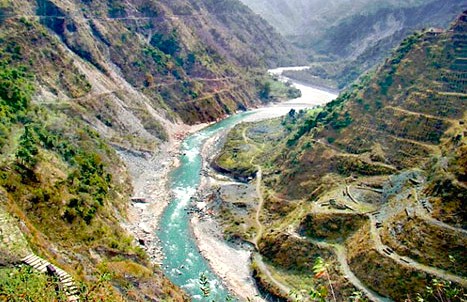
Shah Jahan ordered construction of Shahjahanabad in 1639 on the right bank of the Yamuna, north of older Delhi sites, to give his dynasty a renewed capital. The Red Fort (Qila-i-Mubarak) formed the core, with construction largely completed by 1648 under architects such as Ustad Ahmad Lahori, also associated with the Taj Mahal. The walled city grew around the fort, including the great congregational mosque, today known as Jama Masjid, finished in 1656. Main bazaars such as Chandni Chowk aligned with processional routes from the Lahore Gate toward the riverfront. Population rose as artisans, merchants, scholars, and soldiers settled within and around the walls, forming quarters linked by caste, craft, and language. The city fused imperial ambition with the sacred presence of the river.
Palace Days, Queens, And Children
Daily life for Shah Jahan and his family revolved around prayer, governance, and carefully timed ceremonies. Dawn began with ablutions and ṣalāh, followed by a public audience where nobles sought confirmation of mansabs and jagirs. In the inner palaces, Mumtaz Mahal during her lifetime, and later Jahanara Begum, coordinated household management, supervising kitchens, attendants, and charitable endowments. The emperor’s sons studied Quran, Persian prose, mathematics, and martial skills, while daughters learned calligraphy, poetry, and estate administration. Evenings often brought recitations of epic narratives, music in Hindustani and Persian modes, and private consultations on campaigns and revenue. Through these routines, the royal household embodied ideals of piety, justice, and refinement, even when succession rivalries quietly simmered. Shah Jahan Echoes Beneath The Marble Sky
Prayer Niches And Sufi Pathways
Religious life under Shah Jahan gave formal prominence to Sunni Islam while allowing older patterns of shared devotion to persist. The Jama Masjid in Shahjahanabad, with its broad courtyard and high minarets, hosted Friday congregational prayers, where the khutbah invoked the emperor’s name as shadow of divine authority on earth. Shah Jahan supported Sufi orders, particularly Chishtis linked to Ajmer and Delhi’s older saints like Nizamuddin Auliya, funding repairs to dargahs and khanqahs. Royal women visited shrines, offered chadars, and endowed langars that fed poor pilgrims. Hindu temples and Jain shrines in and around the city continued their rituals, while the court received scholars from various traditions. Through this layered devotional map, the dynasty grounded its legitimacy not only in lineage but in visible piety and patronage.
Grain Fires And Festival Tables
Food in Shah Jahan’s courts combined strict quantity records with elaborate preparation. Imperial kitchen manuals list rice allocations in seers per noble rank, with senior mansabdars receiving larger shares of pulao and meat dishes such as qorma and qaliya. During grand feasts, up to several hundred goats might be slaughtered, spices carefully weighed, and sweet dishes like sheer khurma and halwa prepared in copper cauldrons. Ordinary city dwellers relied on cheaper wheat breads, lentils, and seasonal vegetables, while soldiers obtained daily rations calculated by weight. Eid al-Fitr brought increased distribution of meat and sweets to the poor after dawn prayers, while weddings within the royal family involved multi-course banquets lasting into the night. Food thus signaled hierarchy, charity, and seasonal rhythms aligned with lunar months.
Eid, Urs, And Lunar Gatherings
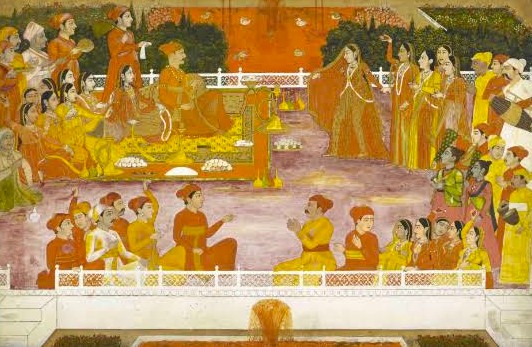
Two key festival rhythms framed time in Shah Jahan’s realm: Eid celebrations and Sufi urs commemorations. Eid al-Fitr occurred at the close of Ramadan, dated by the first sight of the crescent, with prayers at sunrise in major mosques from Agra to Shahjahanabad. The emperor appeared in ceremonial robes, granting robes of honor and alms to courtiers and the poor. Eid al-Adha, about two lunar months later, centered on sacrificial animals, with meat divided according to prescribed shares among family, neighbors, and the needy. Urs festivals at dargahs, such as the annual gathering at Ajmer for Khwaja Muinuddin Chishti, drew state representatives who offered chadars and donations, seeking blessing for campaigns and harvests. These occasions fused political theater with cycles of prayer, song, and shared meals. Shah Jahan Echoes Beneath The Marble Sky
Battles From Deccan To The Throne
Shah Jahan’s life was marked by campaigns that both expanded and strained the dynasty. As prince, he fought in the Deccan and against Portuguese positions along the western coast, including the siege of Hooghly in 1632 after tensions in Bengal. During his reign, Mughal arms moved against Ahmadnagar, Bijapur, and Golconda, gradually asserting dominance in the Deccan by the 1630s and 1640s. These victories increased revenue but demanded constant troop movement and negotiation with local elites. Late in his reign, illness in 1657 triggered a war of succession among his sons Dara Shikoh, Shuja, Murad, and Aurangzeb. Aurangzeb’s victory culminated in Shah Jahan’s confinement in Agra Fort from 1658 until his death on 22 January 1666, turning the emperor from commander into a guarded patriarch.
Caravans, Ports, And Silk Roads
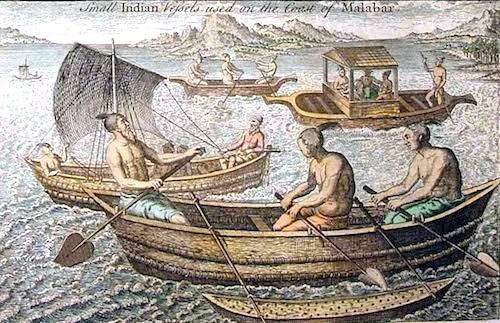
Trade routes during Shah Jahan’s rule linked interior cities to Central Asia and the seas. The northwestern path from Lahore through Kabul connected to Qandahar and beyond, carrying horses, shawls, and precious stones, while eastern routes tied Agra and Delhi to Patna and Bengal’s river ports. Overland caravans traversed the Grand Trunk Road carrying textiles, spices, indigo, and opium. Maritime trade passed through Surat on the Arabian Sea and Hugli in Bengal, where Indian merchants, Armenians, and European companies bargained under imperial regulations. Revenue records in Persian detailed customs duties and market taxes that fed the treasury. Although foreign companies grew in influence, overall control and symbolic authority still rested with the Mughal court in this period. Shah Jahan Echoes Beneath The Marble Sky
Rivers, Canals, And Garden Waters
Water management under Shah Jahan relied on the Yamuna, canals, and garden channels. In both Agra and Shahjahanabad, riverfront palaces and gardens drew water via lift mechanisms and gravity-fed systems into pools and channels that cooled courtyards and supplied ritual washing. The Yamuna’s seasonal fluctuations required careful siting of ghats and retaining walls, supervised by engineers in imperial service. In agricultural districts, canals and wells supported wheat, millet, and sugarcane cultivation, helping support a rising population in the core Gangetic plains. Within cities, stepwells and tanks stored monsoon rains for lean months. These water systems underpinned not only daily life but also royal symbolism, presenting the court as guardian of life-giving flow in a sometimes harsh climate.
Marriages, Alliances, And Women’s Power
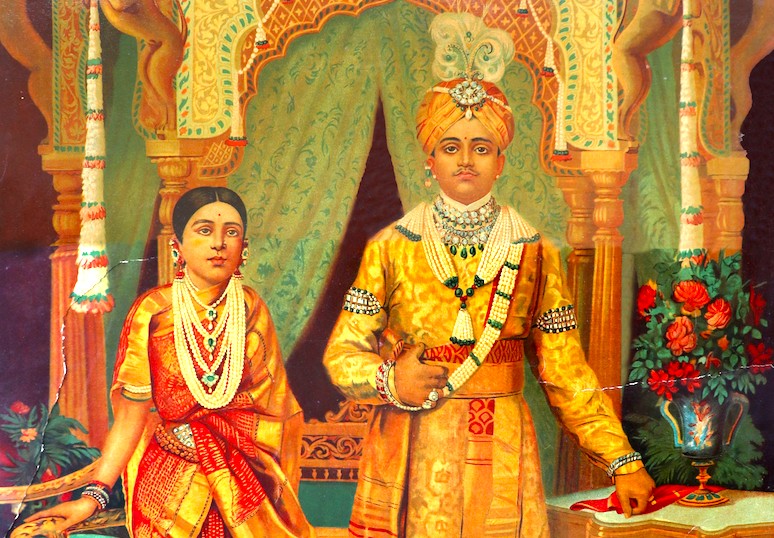
Women in Shah Jahan’s family shaped alliances across regions and faith lines. His marriage to Mumtaz Mahal, of the Asaf Khan line, strengthened ties with influential Persianate nobles who had risen under Jahangir and Nur Jahan. Rajput princesses from Amber and Marwar, married into the dynasty through earlier generations, grounded Mughal authority in northern Rajputana. Royal women received jagirs, managed household staff, and funded religious institutions. Jahanara Begum, after Mumtaz’s death in 1631, became a central figure, holding the title Padshah Begum, supporting Sufi lodges, and even financing parts of Shahjahanabad’s bazaar. Marriages for princes and princesses followed strategic calculations, binding the dynasty to Afghan, Deccani, and Rajput factions whose loyalty could tip battles and revenue flows.
Herbs, Attars, And Healing Courts
Medicine at Shah Jahan’s court combined Unani systematization with Ayurvedic and folk practices. Court hakims prescribed treatments based on humoral theory, using herbs like saffron, cardamom, sandalwood, and liquorice, along with mineral preparations. Attars and aromatic oils served both cosmetic and therapeutic purposes, applied in massages or inhaled for relief of headaches and melancholy. For common illnesses, decoctions of ginger, black pepper, and tulsi were prepared in households across the cities and countryside. The imperial dispensary kept registers of medicines dispensed to soldiers and servants, especially during campaigns and monsoon fevers. Spiritual healing through Quranic recitation and visits to Sufi shrines complemented these practices, underscoring the belief that health rested on both bodily balance and divine favor. Shah Jahan Echoes Beneath The Marble Sky
Twilight Of Glory, Aurangzeb’s Ascendancy
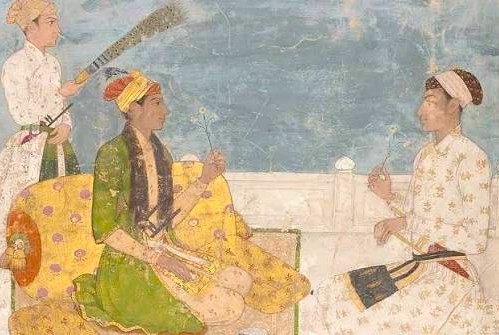
Shah Jahan’s dynasty reached artistic and political height under his early reign, but by the late 1650s internal rivalries and high military expenditure exposed fault lines. His illness in 1657 opened a fierce succession struggle, ending with Aurangzeb’s seizure of power in 1658 and Shah Jahan’s confinement in Agra Fort. Aurangzeb’s long rule redirected resources toward extended campaigns in the Deccan, altering the balance between imperial centers and regional powers. Over later decades, Maratha, Sikh, and other forces contested Mughal authority across the subcontinent. While Shah Jahan’s constructions and city plans endured, the centralized strength his name suggested gradually dissolved, replaced by a patchwork of regional states that inherited, adapted, or resisted his dynasty’s legacy.
Step Inside The Story - View All Tour Itineraries & Details

We’re here to offer genuine, thoughtful guidance if your interested in travelling to India. As a small, dedicated team, we pay close attention to every detail so you can focus on enjoying the experience while we take care of the planning. We believe the best trips begin when someone truly listens to what you want and how you like to travel, so the journey feels right for you and contributes to a happy, positive group on tour. Our communication stays clear, straightforward, and respectful at every step, with the goal of helping you feel understood, supported, and confident from first contact to the end of your journey.
Click Catherine Frith - About The Founder
Click Discover Life Travel - All Tours and More
Click Why We Are Different - Unique, Safe, Transparent