Unique Insights Into The Religions Of India
Hinduism In India
Discover Life Travel
Echoes of Ancient Rites
The history of Indian spirituality begins long before the rise of formal political entities or the recorded genealogies of kings. Before the first Dynasty established its throne, the roots of what we now call Hinduism were being nurtured in the fertile soils of the Indus and Saraswati valleys. This period, often termed the Pre-Vedic or Early Vedic era, was a time of profound internal exploration and external harmony. The people of this age didn't see themselves as followers of a religion, but as participants in a cosmic order known as Sanatana Dharma. This introduction looks at the silent centuries where the first seeds of Vedic thought, yoga, and meditation were sown, setting the stage for a spiritual lineage that has endured for millennia. Hinduism In India
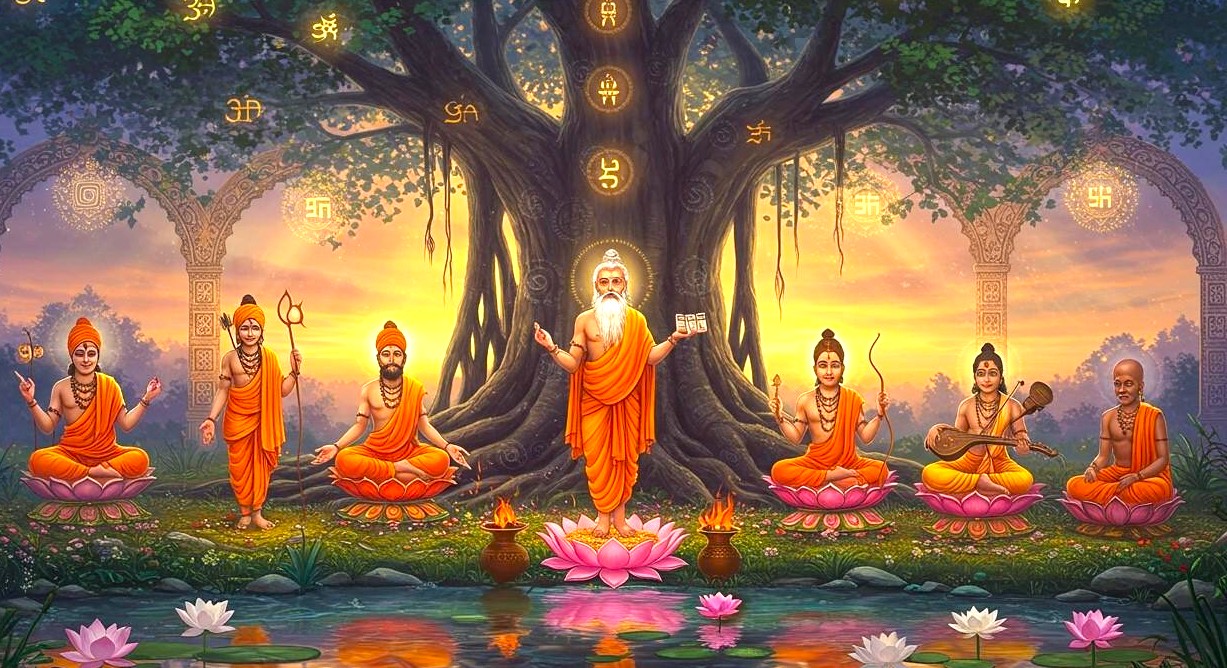
Hinduism In India: Primordial Echoes of the River Lands
In the phase preceding the 1st Dynasty, the spiritual identity of the land was forged along the Sindhu. The term Hinduism itself is derived from this river, as the name of the land, Bharatvarsha, refers to the home of the Bharata tribe. This region, spanning present-day Pakistan and Northwest India, was the site where early practitioners mastered the elements. Excavations at places like Mehrgarh in Balochistan prove that early farming and settled life existed by 7000 BCE. These early people were not under a singular ruler but lived in decentralized groups, following the seasonal floods and cosmic cycles. This era established the essential link between the physical environment and the inner spiritual world.
The Architecture of Ancient Social Order
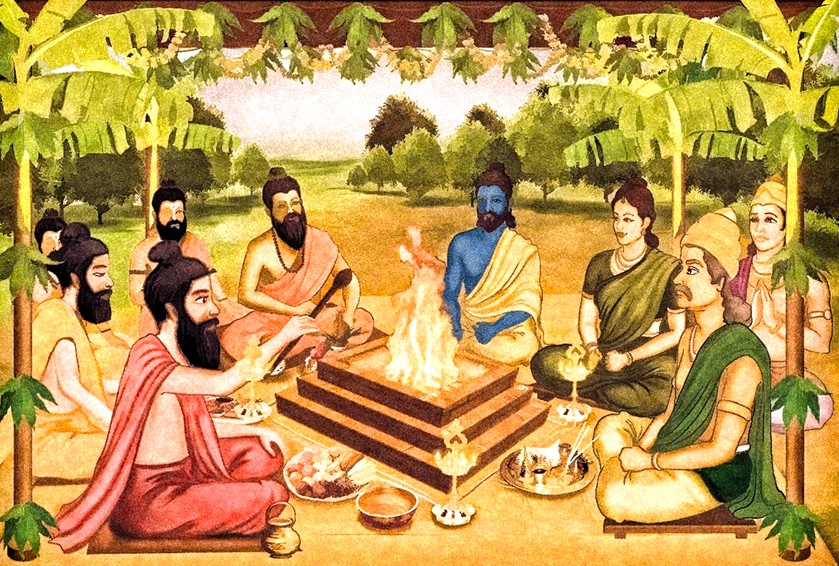
Social life was organized around the Varṇasrama system, which initially served as a flexible way to align personal nature with societal duty. Women held a prominent role, with sages like Gargi participating in intellectual gatherings that directed the moral compass of the community. Marriage was viewed as a sacred partnership, essential for the maintenance of the household fire. In the dwellings of the early leaders, which were constructed with natural materials around 1500 BCE, life was a disciplined cycle of ritual and study. The population lived in close communities, working as artisans and farmers, ensuring that the spiritual insights of the few were supported by the practical labor of the collective. Hinduism In India
Rituals and Celebrations of the Second Age
Community bonding was facilitated through celebrations tied to the celestial clock. Makar Sankranti, marking the sun’s northern journey, is traditionally observed around January 14th, starting at sunrise with ritual bathing. Deepavali, the festival of light, occurs during the new moon of Kartika, typically in October or November, with the main lamps being lit around 6:30 PM. These events provided a rhythm to life, allowing the local population to pause their labor and reconnect with the divine. The royal courts would distribute food and clothing, reinforcing a sense of unity and ensuring that the prosperity of the land was shared by all, regardless of their status or occupation.
Conflicts and the Evolution of Authority
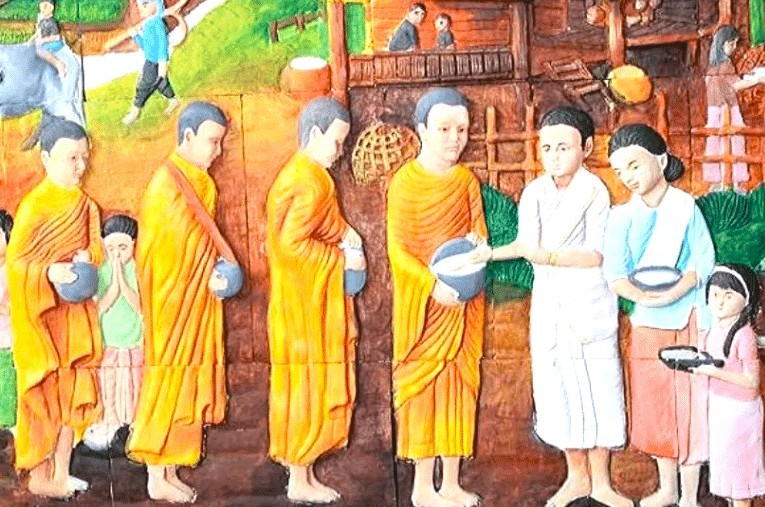
The transition toward the 1st Dynasty was often marked by defensive struggles to protect the Vedic way of life. The battle of the ten kings on the Ravi River saw the Bharata tribe, led by Sudas, consolidate power. Later, the great war at Kurukshetra, located in modern Haryana, involved the Pandavas and their children, such as Abhimanyu. This conflict, occurring at the end of the Dvapara Yuga, cleared the way for the current age. From these early tribal alliances, the population has grown into the millions residing in these historic regions today. The construction of the first fortified cities in Magadha around 600 BCE signaled a new era of centralized protection and governance.
The Divine Connection in Daily Living
Daily life for the average person involved the practice of Dharma, or righteous living, starting with prayers at the crack of dawn. While the leadership managed the defense and justice of the realm, the common folk focused on cattle rearing and agriculture. The palace was the central hub for grain storage and public counsel, where the queen often oversaw the welfare of the palace staff and the education of the heirs. This way of life was built on the belief that the king was the earthly representative of divine justice. Even the simplest act, like drawing water from a well, was performed with a sense of gratitude and awareness of the larger cosmic balance. Hinduism In India
Sacred Geography and Early Sanctuaries
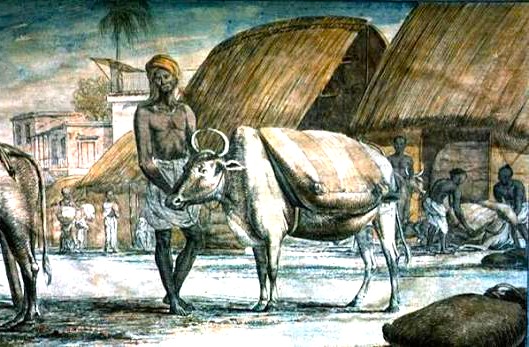
Before the 1st Dynasty, certain geographical features were recognized as points of high spiritual energy. Places like Varanasi and Prayag, located at the confluence of the Ganga and Yamuna, became the focal points for early seekers. These sites were not defined by massive stone temples but by the presence of sages and the practice of austerities. The construction of the first permanent altars dates back to the Vedic period, serving as the blueprints for the later temples. This era saw the population migrate slowly from the northwest toward the fertile plains of the east, bringing their oral traditions and fire rituals with them, turning the entire landscape into a map of sacred sites.
Philosophies of the Pre-Dynastic Mind
The intellectual landscape was dominated by the Upanishads, which were composed before the rise of major political powers. These texts explored the relationship between the individual soul and universal reality. Life in the forest academies was simple; students lived with their teachers, learning the arts of logic and meditation. This was a time when the search for truth was considered the highest pursuit, and even kings would leave their palaces to sit at the feet of forest sages. This prioritization of wisdom over wealth ensured that the spiritual core of the culture remained intact, even as the political structures began to shift toward more rigid and centralized forms of power.
The Evolution of the Household Shrine
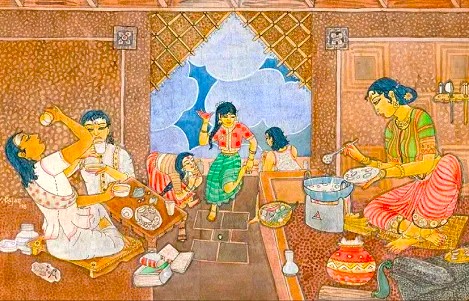
The transition from open-air fire rituals to household devotion was a gradual process. Initially, the focus was on the Yagna, but as society became more settled, the home became the primary place of worship. Women were the guardians of these domestic rituals, passing down the chants and stories to their children. The "Palace of the Soul" was the inner chamber where the family deity was honored. This shift allowed the faith to survive even in times of political upheaval, as the spiritual fire was kept burning in every home. It created a decentralized network of practice that was impossible to extinguish, ensuring the continuity of the faith through the changing dynasties. Hinduism In India
Sacred Sounds and the Oral Tradition
Knowledge was preserved through a sophisticated system of oral transmission known as Parampara. Before the wide use of writing, the Vedas were chanted with precise intonation to ensure the vibrations remained pure. Children were taught these sounds from a young age, turning the entire population into a living library. This method prevented the distortion of the teachings and fostered a deep sense of discipline and memory. The daily life of the royal palace included the patronage of these scholars, ensuring that the intellectual elite were supported by the state. This era’s history is a testament to the power of the human voice in preserving the most profound truths of existence.
The Role of Nature in Ancient Devotion

Early Hinduism was deeply ecological, recognizing divinity in trees, rivers, and mountains. The Banyan tree, often hundreds of years old, was seen as a symbol of the eternal nature of the soul. Before the 1st Dynasty, these natural groves served as the first temples. The local population lived in harmony with their surroundings, taking only what was necessary and performing rituals to ask for the earth’s forgiveness. This respect for nature ensured that the resources of the land were preserved for future generations. It reflects a worldview where the human being is not a master of the earth but a small part of a vast, interconnected living system.
Ancestral Lineages and the First Kings
The concept of lineage, or Vamsha, became the foundation for the early social and political structure. The Solar and Lunar dynasties were the two primary branches that claimed descent from divine sources. Key figures like Ikshvaku and Pururavas were the progenitors of these lines, establishing the traditions of chivalry and duty. The construction of the first royal residences around the 7th century BCE allowed these families to manage the growing population more effectively. This history shows how the personal character of the ruler was seen as the primary factor in the prosperity of the kingdom, as the king’s actions were believed to influence the very weather and fertility of the land. Hinduism In India
The Integration of Art and Spirituality
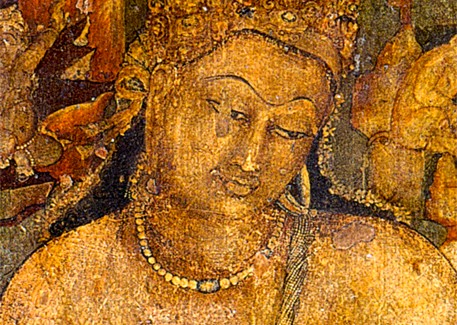
Artistic expression was never separate from spiritual practice. The early forms of dance and music were used as tools for meditation and the storytelling of divine deeds. Before the 1st Dynasty, these arts were practiced in communal spaces and forest clearings. The development of iconography, where divine qualities were represented in physical form, allowed the average person to focus their devotion. The local artisans, who were often families of builders and sculptors, created the first wooden shrines that paved the way for the stone marvels of the later ages. This integration of the aesthetic and the spiritual ensured that the pursuit of beauty was always aligned with the pursuit of truth.
Step Inside The Story - View All Tour Itineraries & Details
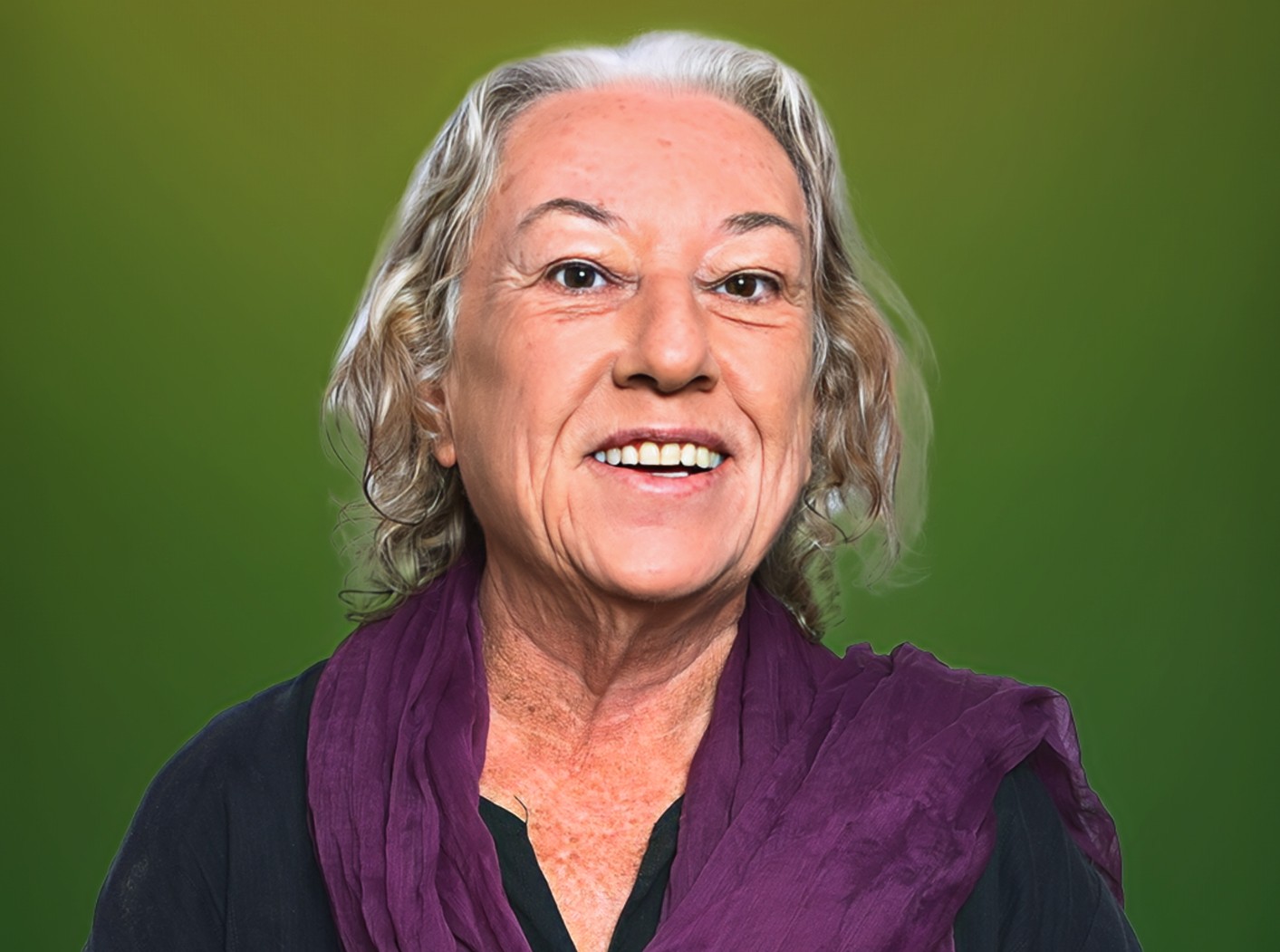
We’re here to offer genuine, thoughtful guidance if your interested in travelling to India. As a small, dedicated team, we pay close attention to every detail so you can focus on enjoying the experience while we take care of the planning. We believe the best trips begin when someone truly listens to what you want and how you like to travel, so the journey feels right for you and contributes to a happy, positive group on tour. Our communication stays clear, straightforward, and respectful at every step, with the goal of helping you feel understood, supported, and confident from first contact to the end of your journey.
Click Catherine Frith - About The Founder
Click Discover Life Travel - All Tours and More
Click Why We Are Different - Unique, Safe, Transparent