Unique Insights Into The Religions Of India
Islam In India
Discover Life Travel
The Arrival of the Crescent Moon
The history of Islamic influence in the subcontinent is a narrative of trade, spiritual exchange, and cultural synthesis that began long before the establishment of the first Dynasty in Delhi. Before the 13th-century rulers took the throne, the roots of this faith were planted along the coastal regions through the peaceful movement of merchants and wandering mystics. This was a period of early contact where the ideas of a new monotheistic tradition met the ancient civilizations of the East. This introduction looks at the centuries of interaction across the Arabian Sea, where the first mosques were built and a unique Indo-Islamic identity began to take shape, setting the stage for a spiritual and social transformation that would eventually define the lives of millions. Islam In India
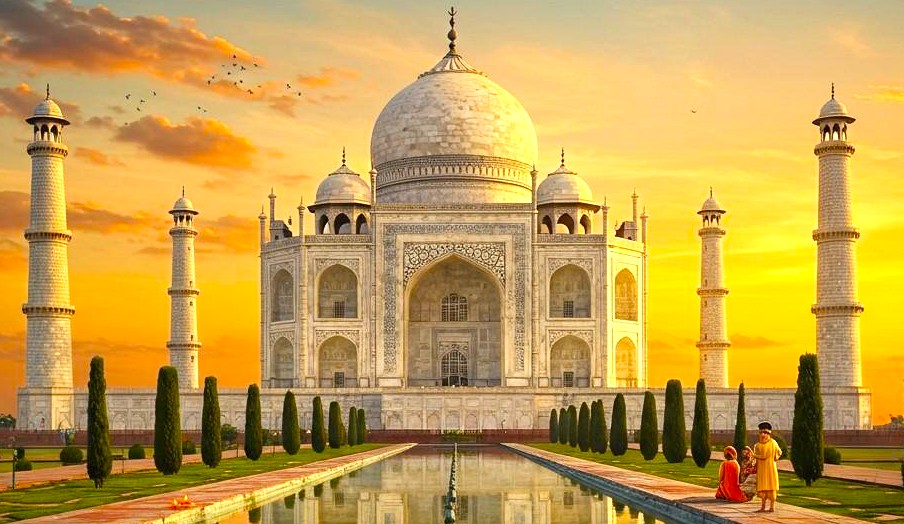
Islam In India: Primordial Echoes of the Coastal Trade
In the phase preceding the 1st Dynasty, the spiritual identity of the coastal regions was shaped by the "Sindhu" and the Malabar coast. The name of the land, Al-Hind, as recorded by early travelers, referred to the vast territory beyond the Indus. This region, spanning present-day Kerala and Gujarat, was where early seafaring practitioners established the first settlements. Excavations at places like the Cheraman Juma Mosque in Kerala prove that early faith communities were settled by 629 CE. These early groups were not under a singular ruler but lived as autonomous trade guilds, following the monsoon winds. This era established the essential link between the global maritime routes and the local Indian social fabric.
The Architecture of Ancient Social Order
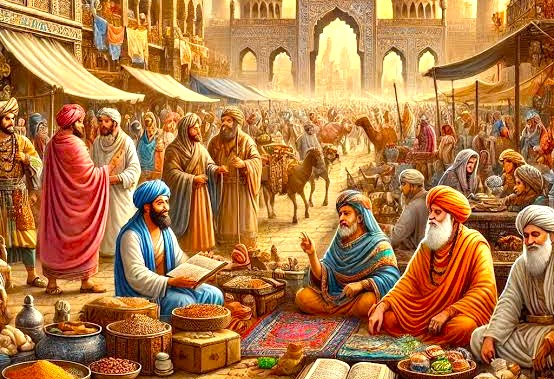
Social life was organized around the community of believers, which initially served as a framework to align trade ethics with spiritual duty. Women held a significant role, particularly in the management of the household and the preservation of religious education for children. Marriage was viewed as a legal and sacred contract, essential for the stability of the burgeoning urban centers. In the dwellings of the early leaders, which were constructed with local stone and timber around 711 CE, life was a disciplined cycle of prayer and commerce. The population lived in vibrant port towns, working as spice merchants and scholars, ensuring that the spiritual insights of the few were supported by the practical labor of the collective. Islam In India
Rituals and Celebrations of the Second Age
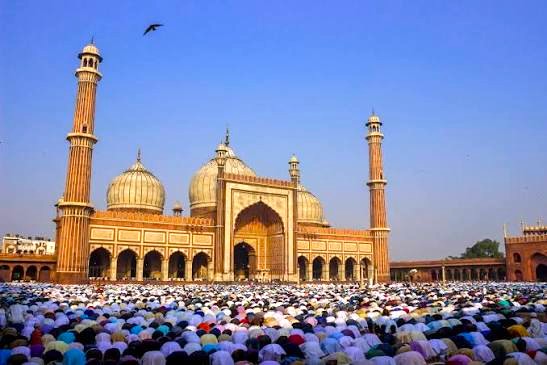
Community bonding was facilitated through celebrations tied to the lunar calendar. Eid-ul-Fitr, marking the end of the fasting month, is traditionally observed upon the sighting of the new moon, starting at sunrise with congregational prayers. Eid-ul-Adha, the festival of sacrifice, occurs on the tenth day of Dhu al-Hijjah, with the main festivities and distributions taking place between 8:00 AM and 12:00 PM. These events provided a rhythm to life, allowing the local population to pause their labor and reconnect with the divine. The early leaders would distribute food and alms to the poor, reinforcing a sense of unity and ensuring that the prosperity of the land was shared by all, regardless of status.
Conflicts and the Evolution of Authority
The transition toward the 1st Dynasty was often marked by defensive struggles to protect the early trade settlements and the subsequent expansion inland. The battles in Sindh led by Muhammad bin Qasim in 712 CE saw the consolidation of early power in the Indus region. Later, the conflicts near the Khyber Pass involved figures like Mahmud and the local defenders. This struggle, occurring over several centuries, cleared the way for the establishment of the Mamluk rulers. From these early military alliances, the population has grown into the millions residing in these historic regions today. The construction of the first fortified outposts in Multan and Mansura signaled a new era of centralized protection and religious governance. Islam In India
The Divine Connection in Daily Living
Daily life for the average person involved the practice of the Five Pillars, starting with the pre-dawn prayer known as Fajr. While the leadership managed the defense and legal justice of the realm, the common folk focused on handicrafts, textiles, and maritime trade. The mosque was the central hub for education and public counsel, where the local judge or Qadi often oversaw the welfare of the community and the resolution of disputes. This way of life was built on the belief that every believer was equal before the divine. Even the simplest act, like preparing a meal, was performed with a sense of gratitude and adherence to the laws of dietary purity and social hospitality.
Sacred Geography and Early Sanctuaries
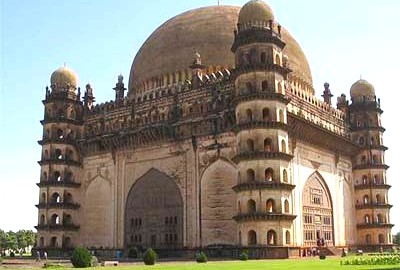
Before the 1st Dynasty, certain geographical features were recognized as points of high spiritual refuge. Places like Nagore and Ajmer, located near ancient trade routes, became the focal points for early seekers and Sufi saints. These sites were not defined by massive marble domes initially but by the presence of dervishes and the practice of inner devotion. The construction of the first permanent prayer halls dates back to the 8th century, serving as the blueprints for the later grand masjids. This era saw the population migrate slowly from the coast toward the heartland, bringing their calligraphy and architectural techniques with them, turning the landscape into a map of sacred resting places and learning centers. Islam In India
Philosophies of the Pre-Dynastic Mind
The intellectual landscape was dominated by the early Sufi orders, which flourished before the rise of major political powers. These groups explored the relationship between the individual heart and the ultimate reality through poetry and music. Life in the Khanqahs (hospices) was simple; seekers lived with their masters, learning the arts of breath control and spiritual poverty. This was a time when the search for inner peace was considered the highest pursuit, and even local chieftains would leave their forts to sit at the feet of a wandering saint. This prioritization of the spirit over the sword ensured that the core of the faith remained attractive and accessible to the local population.
The Evolution of the Household Shrine
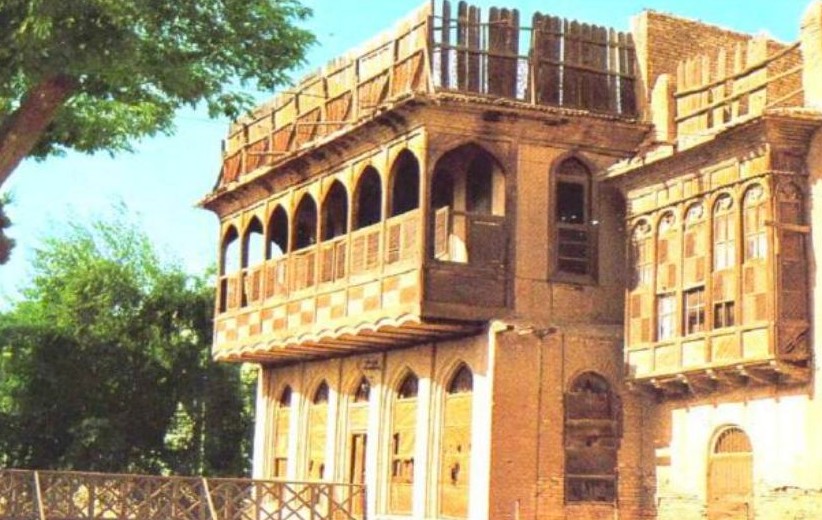
The transition from congregational worship to deep household piety was a natural process. Initially, the focus was on the Friday prayer, but as society became more settled, the home became the primary place of religious transmission. Women were the guardians of these domestic traditions, passing down the stories of the prophets and the ethical codes to their children. The "Palace of the Soul" was the quiet corner where the Quran was recited. This shift allowed the faith to take root in the rural areas, as the spiritual fire was kept burning in the privacy of the family. It created a resilient network of practice that flourished even through the changing political tides of the era.
Sacred Sounds and the Oral Tradition
Knowledge was preserved through the tradition of Hifz, the memorization of the holy text. Before the wide availability of printed books, the verses were recited with precise rhythm to ensure the meaning remained unchanged. Children were taught these sounds from a young age in local Maktabs, turning the entire population into a living archive of the word. This method prevented the distortion of the teachings and fostered a deep sense of discipline and linguistic beauty. The daily life of the royal palace included the patronage of these reciters and calligraphers, ensuring that the intellectual elite were supported. This era’s history is a testament to the power of the word in preserving identity. Islam In India
Ancestral Lineages and the First Kings
The concept of lineage, or Silsila, became the foundation for the early social and spiritual structure. The early governors and Sufi masters claimed descent from significant historical and spiritual lines. Key figures like the early Arab governors established the traditions of administration and local law. The construction of the first administrative buildings around the 11th century allowed these families to manage the growing population more effectively. This history shows how the personal integrity of the leader was seen as the primary factor in the stability of the region, as the ruler’s adherence to justice was believed to ensure the prosperity and safety of the diverse people living under their protection.
The Integration of Art and Spirituality
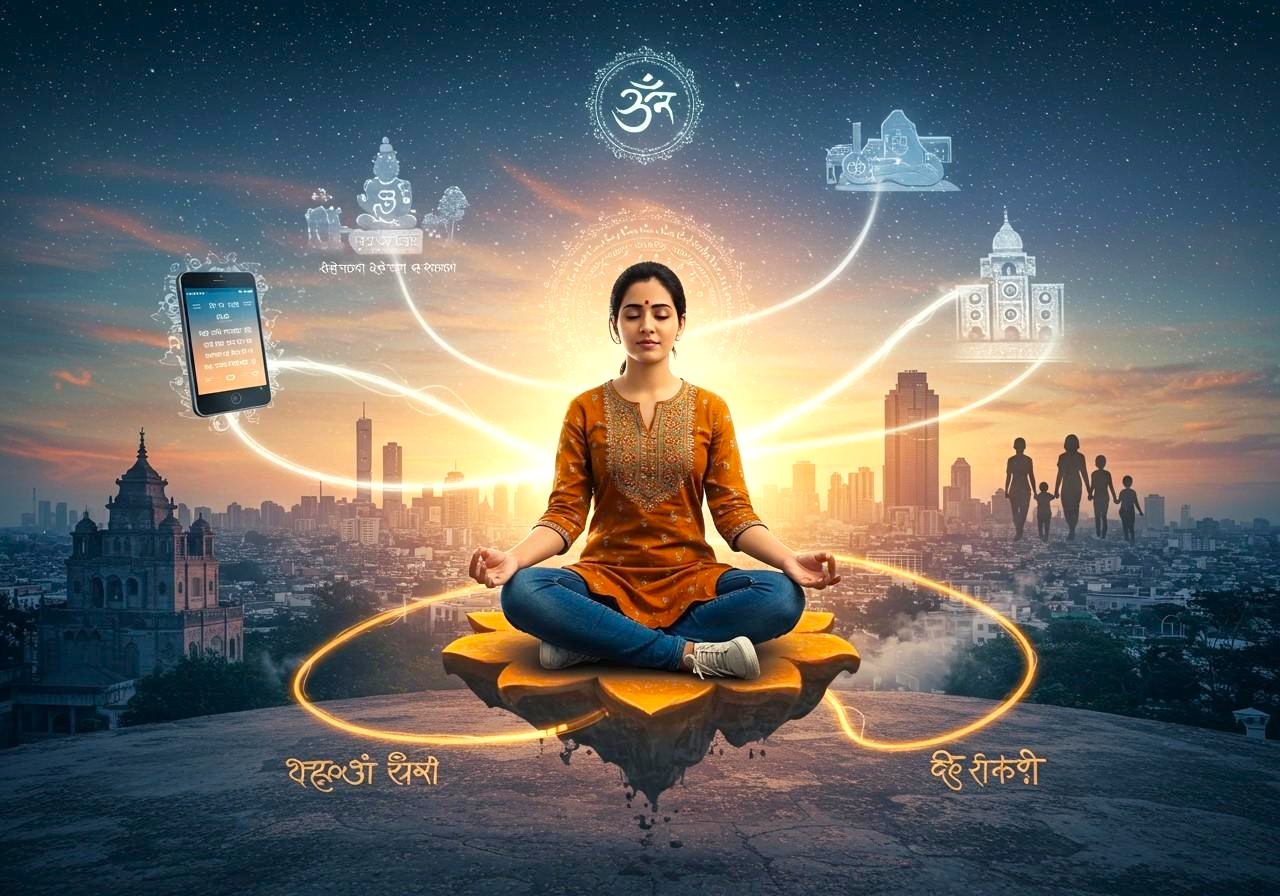
Artistic expression was never separate from spiritual practice, as seen in the development of intricate geometric patterns and floral motifs. Before the 1st Dynasty, these arts were practiced in the decoration of early mosques and the crafting of fine textiles. The development of the Qawwali, where music was used as a tool for spiritual ecstasy, allowed the average person to engage with the faith emotionally. The local artisans, who were often families of weavers and stonemasons, created the first unique Indo-Islamic styles that paved the way for the later architectural wonders. This integration of the aesthetic and the spiritual ensured that the pursuit of beauty was always a form of worship. Islam In India
Step Inside The Story - View All Tour Itineraries & Details

We’re here to offer genuine, thoughtful guidance if your interested in travelling to India. As a small, dedicated team, we pay close attention to every detail so you can focus on enjoying the experience while we take care of the planning. We believe the best trips begin when someone truly listens to what you want and how you like to travel, so the journey feels right for you and contributes to a happy, positive group on tour. Our communication stays clear, straightforward, and respectful at every step, with the goal of helping you feel understood, supported, and confident from first contact to the end of your journey.
Click Catherine Frith - About The Founder
Click Discover Life Travel - All Tours and More
Click Why We Are Different - Unique, Safe, Transparent