Unique Insights Into The Religions Of india
Buddhism In India
Discover Life Travel
The Birth of Buddhism
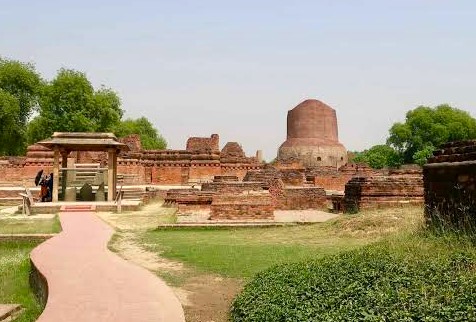
“Buddhism” comes from “Buddha,” meaning “the awakened one” in Sanskrit and Pali. It refers to the teachings linked with Siddhartha Gautama. “India” is connected to the Indus River, called Sindhu in Sanskrit; Greek writers used “Indus,” and Old Persian used “Hind,” which helped shape later names. Early Buddhism began mainly in the middle Ganga plain. Key places include Bodh Gaya in Bihar, Sarnath in Uttar Pradesh, and Kushinagar in Uttar Pradesh, with Lumbini in present-day Nepal also important. Long before recorded dynasties, the region already had villages, trade, and religious traditions that shaped new ideas. In India’s 2011 Census, the total population was 1,210,854,977, and 8,442,972 people identified as Buddhist. Buddhism In India
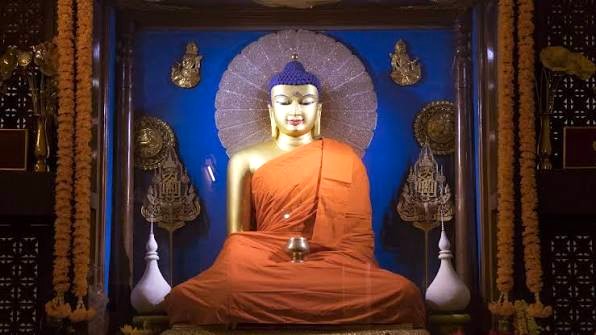
Buddhism In India: Core Teaching
Buddhism is a religious and philosophical tradition rooted in the teachings attributed to Siddhartha Gautama, known as the Buddha, in ancient North India (often placed in the 5th century BCE). Its basic framework is the Four Noble Truths: suffering (dukkha), its causes, its cessation (nirvana), and the path leading to cessation. Practice is summarized in the Noble Eightfold Path, covering ethics, meditation, and wisdom. Many communities take refuge in the Three Jewels: Buddha, Dharma, and Sangha. Karma and rebirth are widely taught, though interpretations vary by school. It includes monastic discipline and lay devotion, with compassion and non-harming emphasized. Major branches include Theravada, Mahayana, and Vajrayana, each with distinct texts.
The Prince, the Family, the Places
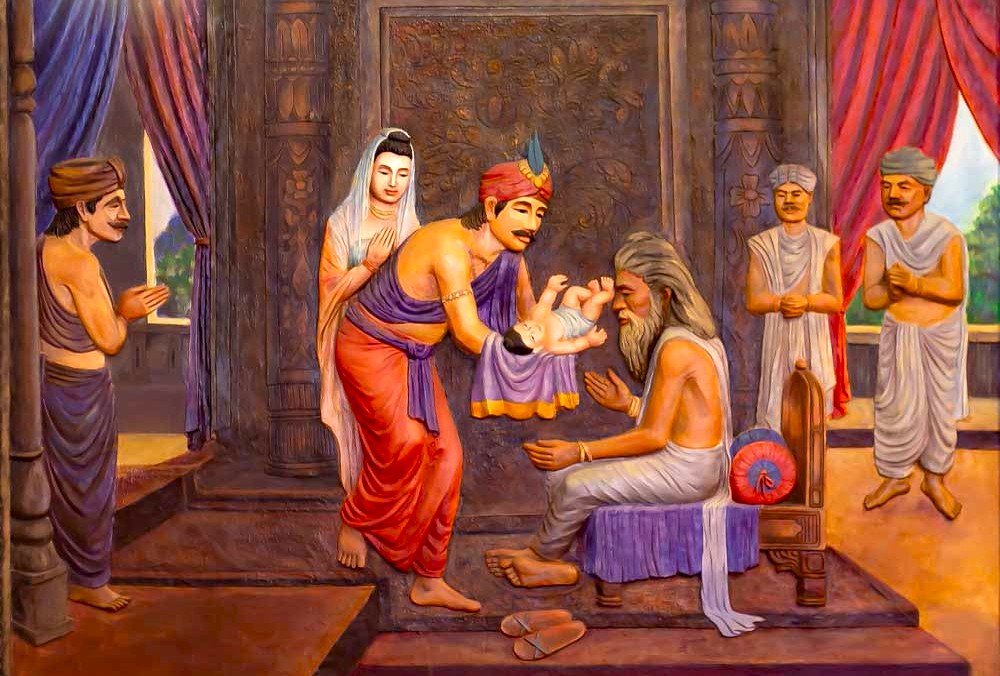
Siddhartha Gautama’s life is set by tradition in the region of the Shakya republic, with Kapilavastu often linked with sites on the India–Nepal border zone. His father is named Suddhodana, his mother Māyā, and his aunt and foster mother Mahapajāpati Gotami. His wife is Yasodhara, and their son is Rāhula, names that become anchors for later teaching on household duty and renunciation. Awakening is linked with Bodh Gaya in Bihar, and the first sermon is linked with Sarnath near Varanasi. Parinirvana is linked with Kushinagar. These sites became pilgrimage centers, tying the story to precise locations across the Gangetic plain. Buddhism In India
Early Community Rules and Daily Survival
The early monastic community is described in the Vinaya tradition as living on alms, keeping discipline rules, and traveling seasonally. This daily routine depended on local households: rice, lentils, vegetables, and milk foods were common staples in the region, offered in measured portions according to means. Women’s role enters clearly through the establishment of the bhikkhuni order in tradition, associated with Mahāpajāpatī Gotamī, showing that renunciation of life was not limited to men. Marriage is treated as a social reality rather than a spiritual requirement; householders support monastics while keeping family duties. Medicines appear in early texts as pragmatic supports - ghee, honey, oils, and herbal preparations are mentioned in monastic contexts. Water systems mattered too: wells, riverbanks, and tanks shaped where communities stayed and how hygiene was maintained.
Maurya Dynasty: Ashoka’s Turning
The first large, well-documented dynasty connected with wide patronage is the Maurya Dynasty. Chandragupta Maurya ruled roughly 322–298 BCE, followed by Bindusara, then Ashoka (c. 268–232 BCE). The Kalinga War, often dated about 261 BCE, is tied to Ashoka’s own edicts and becomes a key battle marker in India’s written record. After this, his inscriptions promote dhamma and moral governance. Family details also appear: Queen Karuvaki is named in Ashoka’s Queen’s Edict, and their son Tivala is mentioned there. Later Buddhist tradition names Mahinda and Sanghamitta as Ashoka’s children, linked with transmitting teachings to Sri Lanka. Court life at Pataliputra involved officials, messengers, revenue systems, and formal proclamations, a palace-centered machine that could redirect resources toward stupas, pillars, and monasteries.
Stupas, Caves, and Dated Construction
Although early sacred sites began as living places of memory, many surviving monuments have datable phases. The Great Stupa at Sanchi (near present-day Bhopal, Madhya Pradesh) is commonly linked to Ashoka’s time in the third century BCE, with later enlargement and stone railings and gateways added in the first century BCE. The Mahabodhi Temple complex at Bodh Gaya preserves a sacred location tied to awakening; the current temple form is generally linked to Gupta-period rebuilding, often dated around the fifth to sixth centuries CE. Ajanta’s Buddhist caves in Maharashtra span phases from about the second century BCE and again in the fifth to sixth centuries CE, showing long-term patronage. These construction dates matter because they turn story sites into physical, maintained spaces with staff, donors, and local economies. Buddhism In India
Caravans, Ports, and the Monastery Economy
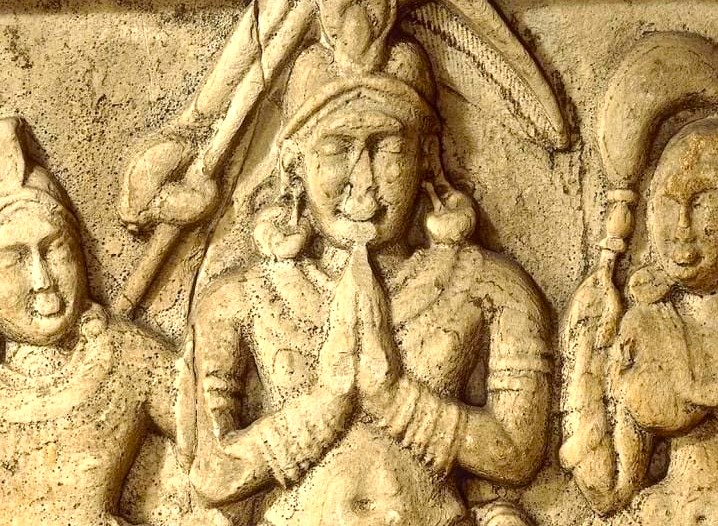
Support did not come only from kings. Trade routes helped fund religious life through donations by merchants, guilds, and householders. Overland corridors later described as Uttarapatha and Dakshinapatha connected markets, while maritime trade from ports on the Arabian Sea and Bay of Bengal linked India to West Asia and Southeast Asia through monsoon sailing. Inscriptions at several sites record gifts for railings, halls, lamps, and food distribution, showing how local people participated in building and maintenance. Daily life around a major monastery included cooks, craft workers, scribes, transport handlers, and farmers supplying grain. This is where the tradition becomes social history: the teaching shaped ethics, but it also shaped labor, giving, and local routines, especially during festival days and teaching assemblies.
Councils, Kings, and Expanding Schools
The tradition preserves accounts of councils held to recite and organize teachings, including gatherings associated with Rajgir and Vaishali, and later a council linked with Pataliputra in Ashoka’s period, though details vary by source. By the early centuries CE, schools and philosophies diversified, and Sanskrit, Pali, and other languages carried the teaching in different directions. The Kushan Dynasty ruler Kanishka I (often placed in the second century CE) is linked in Buddhist tradition with major patronage and with a council association in Kashmir in some accounts. These developments unfolded alongside other dynasties, including Shunga and Gupta lines, each shaping support and competition. The key point is continuity through change: courts rise and fall, but monastic institutions adapt through land grants, teaching networks, and local giving. Buddhism In India
Universities, Raids, and Population Shifts
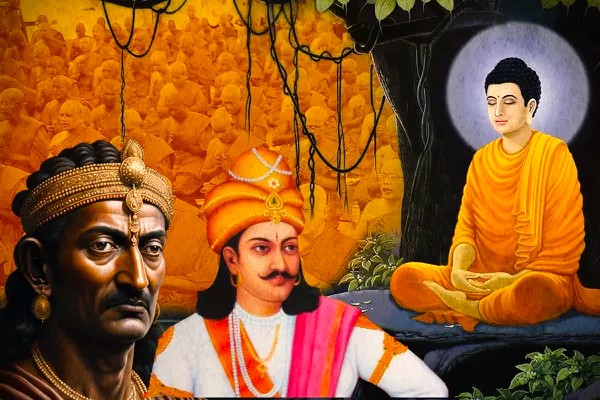
Nalanda in Bihar, widely regarded as a major monastic university, is generally linked with foundation and growth in the Gupta era, often associated with Kumaragupta I (reigned c. 415-455 CE), and it flourished under the Pala Dynasty in eastern India from the eighth to twelfth centuries. Pala rulers such as Dharmapala and Devapala are linked with large support for monasteries and learning. Decline had multiple causes, but a widely cited shock is the late twelfth-century raids associated with Bakhtiyar Khalji, often dated around 1193 CE, after which key institutions were damaged. Even so, practice continued in other regions, and later revivals occurred, including the twentieth-century movement associated with B. R. Ambedkar’s conversion in 1956. In 2011, India recorded 8,442,972 Buddhists within a total population of 1,210,854,977, showing both minority status and endurance.
A Quiet Circuit in the Present
We can move through a grounded route that links texts to place. We start with stone and brick at Bodh Gaya, then we shift to Sarnath’s museum displays, and later we read how Kushinagar became a memory-site for the final passing. We watch local work that keeps these places running: kitchens preparing rice and lentils, caretakers managing water and cleaning, artisans supplying flowers and lamps, and guides translating long stories into short explanations. We notice how household life nearby stays practical - work, schooling, family care - while monasteries hold a slower rhythm. Us walking between shrines and museums makes the timeline feel clear without forcing any belief.
The Feminine Aspects of Buddhism: Tara and Other Key Figures
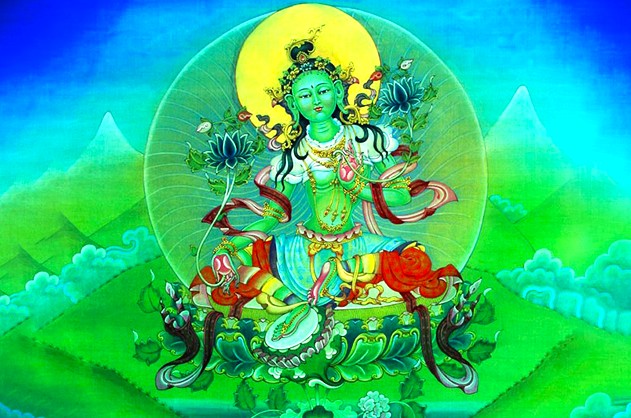
While Buddhism is often associated with male figures, such as the historical Buddha, Siddhartha Gautama, it also encompasses a rich tapestry of feminine aspects that embody compassion, wisdom, and spiritual power. One of the most prominent female figures in the Buddhist tradition is Tara, revered as an embodiment of compassion and protective energy. Her significance, along with other female figures in Buddhism, highlights the essential balance of feminine qualities within the spiritual framework. Buddhism In India
Tara: The Embodiment of Compassion
Tara is one of the most beloved deities in Tibetan Buddhism and is often referred to as the "Mother of All Buddhas." She represents the feminine principle of karuna (compassion) and is believed to act swiftly to aid beings in distress. Originating from the Sanskrit word for "star," Tara shines with the ability to guide practitioners on their spiritual journeys. She has many forms, with Green Tara and White Tara being the most well-known.
- Green Tara is associated with active compassion, ready to respond to the needs of those who call upon her. She is depicted in a dynamic posture, emphasizing her readiness to assist. Practitioners invoke her to overcome obstacles and seek protection from fears and dangers. Her vibrant portrayal often includes images of her seated with one leg extended, symbolizing her immediate willingness to help.
- White Tara, on the other hand, embodies peaceful compassion and longevity. She is often portrayed with multiple eyes to signify her ability to see and respond to the suffering of all sentient beings. White Tara is associated with healing and is frequently invoked for protection and welfare for the sick and vulnerable.
The emergence of Tara as a central figure in Buddhist practice showcases the integration of feminine energy in a predominantly male-centric religious landscape. Her accessibility as a compassionate deity has made her a popular figure among female practitioners, who see her as an ideal model of strength and nurturance.
Kuan Yin (Avalokiteshvara)
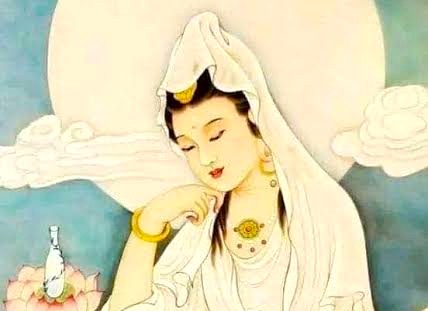
In Mahayana Buddhism, Kuan Yin is considered a female Bodhisattva of compassion. Known as the "Goddess of Mercy," she embodies the ideal of compassion through her willingness to assist those in suffering. Her many forms, often depicted with multiple arms, symbolize her ability to help a multitude of beings simultaneously. Kuan Yin inspires devotion in many Buddhist communities, especially in East Asia, where she is frequently depicted in art and worship. Buddhism In India
Siddhartha's Mother, Queen Maya
The birth of Siddhartha Gautama is celebrated through the figure of his mother, Queen Maya of the Sakyas. She is often commemorated in Buddhist texts for her purity and virtue. The story of her giving birth to the Buddha under the Sal tree in Lumbini also emphasizes the importance of female life-giving forces within the Buddhist narrative.
The Dakinis
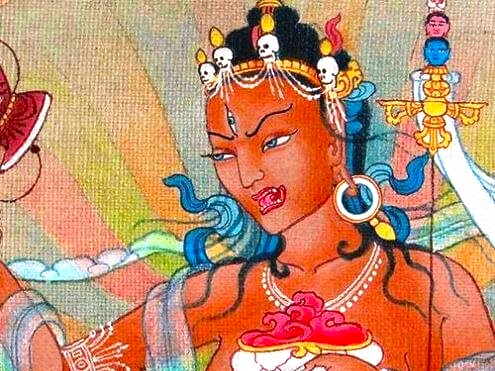
In Tibetan Buddhism, dakinis embody a fierce, feminine current of spiritual energy, moving through practice as agents of transformation rather than gentle muses. Tradition regards them as living expressions of wisdom itself, appearing to practitioners in visions, dreams, and ritual to sharpen awareness and accelerate realization. Their iconography favors motion over stillness: bared teeth, flying hair, ornaments of bone, postures caught mid-dance. This intensity carries purpose, since dakinis exist to dismantle comfortable assumptions about how sacred femininity should look and behave. Encountering one, in myth or meditation, functions as a summons toward the raw, unfiltered edge of awakening itself. Buddhism In India
Feminine Energy and the Balance of Qualities
The presence of feminine figures illustrates that Buddhism does not purely rely on masculine ideals: rather, it promotes a harmonious balance of qualities that include compassion, wisdom, and strength. The feminine aspects in Buddhism serve to address the emotional and nurturing needs of practitioners, creating a more holistic approach to spiritual development. This balance is further emphasized in the yab-yum iconography, which depicts male and female deities in union, symbolizing the complementary nature of wisdom (feminine) and compassion (masculine). This portrayal acts as a reminder that the path to enlightenment involves integrating both masculine and feminine energies.
Practicing the Feminine in Buddhism
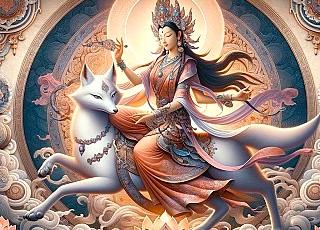
The feminine aspects of Buddhism are not solely limited to revered figures but also resonate in daily practices and the lived experiences of female practitioners. Women in Buddhism have historically engaged in monastic practices, community-based teachings, and familial roles that align with nurturing qualities. The pursuit of compassion and wisdom inspired by figures like Tara encourages female practitioners to embody these teachings in their daily lives.
Today, as more women take on leadership roles within Buddhist communities worldwide, the feminine voice within Buddhism is becoming increasingly prominent. Contemporary figures such as Pema Chödrön and Thich Nhat Hanh's students have brought attention to the essential qualities of compassion and mindfulness that are deeply rooted in the feminine tradition.
The feminine aspects of Buddhism, represented through figures like Tara and Kuan Yin, highlight the vital qualities of compassion and nurturing within the spiritual framework. As Buddhism continues to grow and adapt through cultural exchanges and evolving practices, the representation and celebration of feminine energy remain integral to the tradition. By embracing both the feminine and masculine qualities, Buddhism enriches its teachings and offers a comprehensive path toward enlightenment, inviting all practitioners to embody compassion in their lives. Buddhism In India
Step Inside The Story - View All Tour Itineraries & Details

We’re here to offer genuine, thoughtful guidance if your interested in travelling to India. As a small, dedicated team, we pay close attention to every detail so you can focus on enjoying the experience while we take care of the planning. We believe the best trips begin when someone truly listens to what you want and how you like to travel, so the journey feels right for you and contributes to a happy, positive group on tour. Our communication stays clear, straightforward, and respectful at every step, with the goal of helping you feel understood, supported, and confident from first contact to the end of your journey.
Click Catherine Frith - About The Founder
Click Discover Life Travel - All tours and more
Click Why We Are Different - Unique, Safe, Transparent