
Sunsets and Saffron Tour Kashmir India
Srinagar: Kashmir - India
Mother Masala Tours
Pathways to Himalayan Horizons
Founded in the 3rd century BCE by Emperor Ashoka, Srinagar emerges as Kashmir's crown jewel at 1,585 meters above sea level. This ancient city, whose name translates to "City of Wealth" in Sanskrit, cradles the mirror-like Dal Lake beneath snow-capped Himalayan peaks. For over 2,000 years, witnessed rule by diverse dynasties - Mauryans, Kushans, Karkotas, Shah Mirs, Mughals, and Dogras. Each left distinct imprints visible today in its multifaceted heritage. The city blossomed during the 8th-century reign when massive stone temples dominated the skyline. Today's Srinagar blends these historical layers with traditional wooden houseboats, intricate Pashmina crafts, and centuries-old floating gardens - a living museum where ancient traditions thrive amid breathtaking Himalayan backdrops. Srinagar Kashmir India.
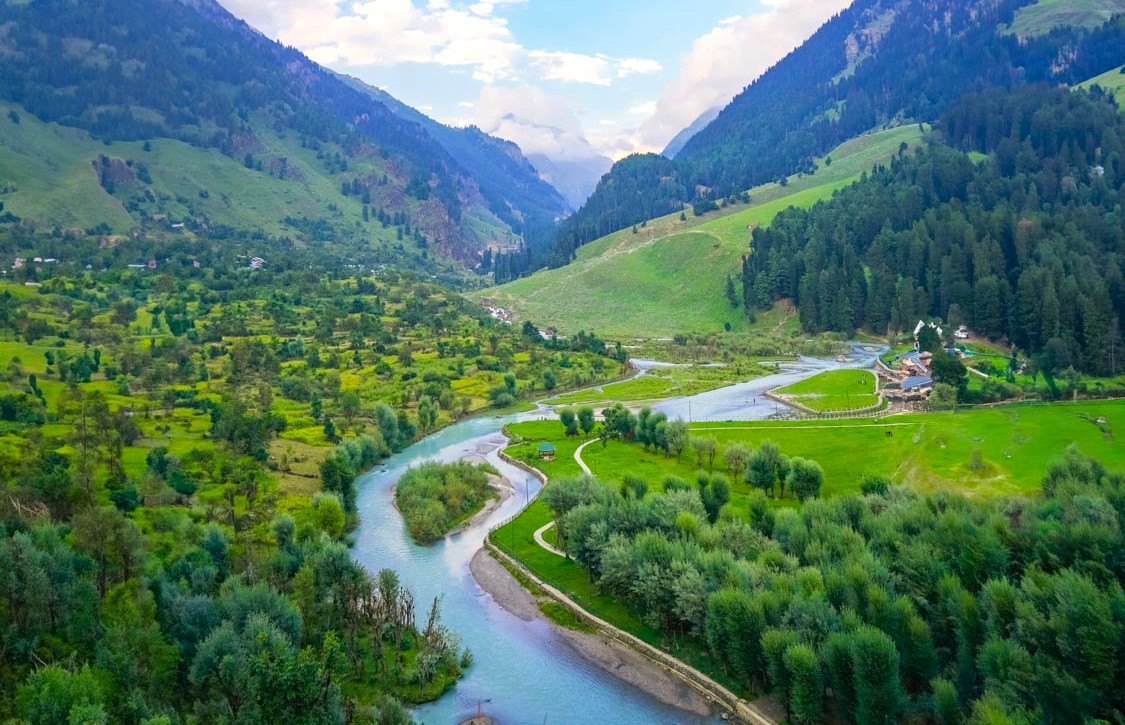
Srinagar - Kashmir: India: Sacred Spaces
Living traditions shaped by centuries of cross-cultural fusion. Hindu, Buddhist, and Islamic influences intertwine across its social fabric, creating unique artistic expressions found nowhere else. Sufi shrines dot the cityscape, where mystical chants echo across centuries. The Shah Hamdan mosque stands as a masterpiece of Persian-influenced wooden craftsmanship without using a single nail in its construction. Papier-mâché artistry thrives in old-city workshops, where artisans transform pulp into ornate, hand-painted treasures using techniques passed through generations since the 15th century. Nearby, walnut wood carvers chisel intricate patterns on furniture and decorative items.
Ancient Mosaics: Impeccable Craftsmanship
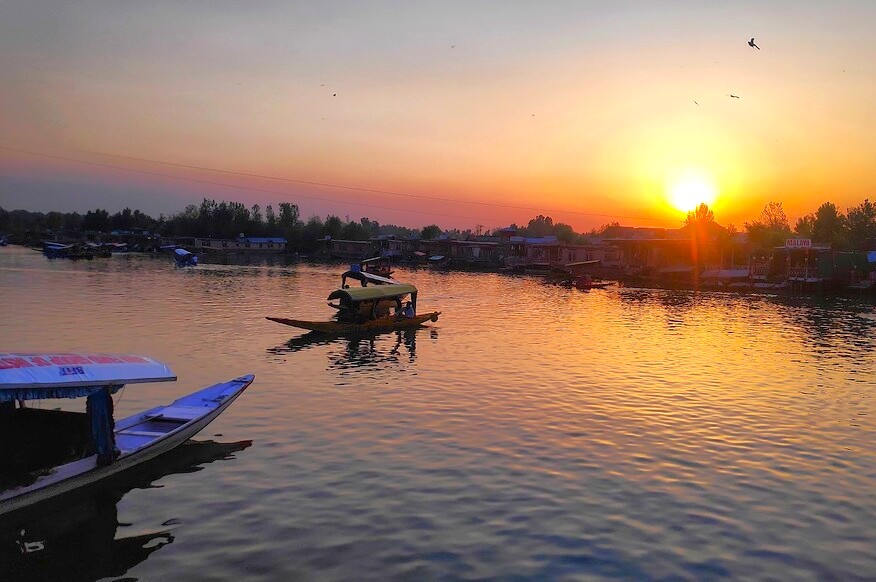
Exist in perfect harmony within these natural surroundings, where waters, towering mountains, and seasonal transformations create ever-changing panoramas. Dal Lake forms the city's heart, with intricate channels, floating gardens, and lotus blooms. The Zabarwan mountain range with peaks reaching 4,000 meters that shelter the valley from harsh continental weather. Ancient Chinar trees stand as living monuments throughout Srinagar, some over 600 years old. Nearby, Dachigam National Park protects endangered Hangul deer in pristine forest habitats.
The Pulse of the Local Community
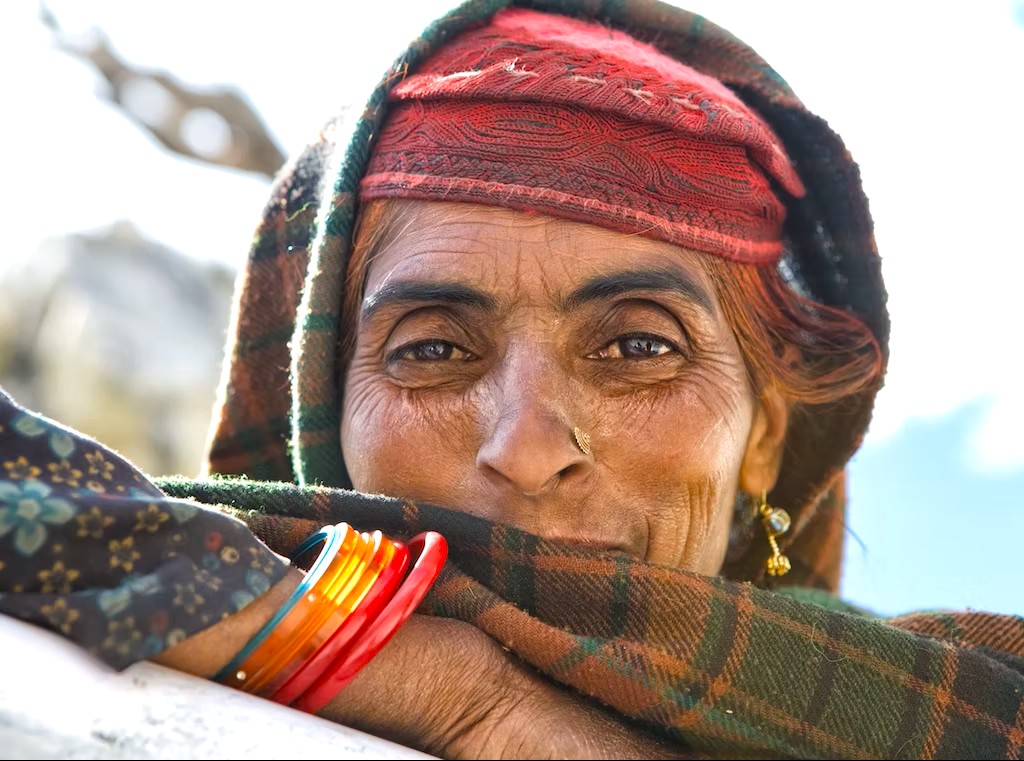
Locals rise early for morning prayers before heading to floating vegetable markets on Dal Lake, where farmers paddle shikaras loaded with lotus stems, tomatoes, and cucumbers harvested from lake gardens. Kangri braziers filled with burning charcoal tucked under woolen pherans keep people warm during harsh winters reaching minus 8 degrees Celsius. Afternoon chai sessions at traditional samovars become social gatherings where stories and news exchange hands. Women spend hours on intricate needlework called sozni, embroidering pashmina shawls with delicate patterns passed through generations. Srinagar Kashmir India.
Capturing the Magic: A Photographic Haven
You’ll frame shikaras gliding across mirror-like waters during golden hour, where ornate canopies and cushioned seats create perfect, tranquil compositions. The Mughal Gardens, with their terraced lawns, cascading fountains, and ancient chinar trees, offer breathtaking symmetrical shots for every photographer. Traditional houseboats, featuring intricate carved walnut wood facades, line the serene waterways with reflections that double their historic beauty. Snow-capped Himalayan peaks provide a majestic backdrop to every scene, while the saffron fields in bloom into vibrant purple.
A Culinary Journey: Savor the Flavour
Wazwan, the traditional multi-course feast, centers around dishes prepared by master chefs called Wazas. Rogan Josh, the famous red lamb curry, gets its color from dried cockscomb flowers and Kashmiri chilver peppers, not tomatoes. Meat marinates overnight in yogurt, ginger, and fennel before slow-cooking in clarified butter for four hours. Gushtaba, minced mutton pounded into smooth balls, simmers in yogurt gravy flavored with cardamom and cloves. Kahwa, the traditional green tea, brews with saffron strands, crushed almonds, cardamom pods, and cinnamon bark, served in ornate samovars.
The Connection With the Gods
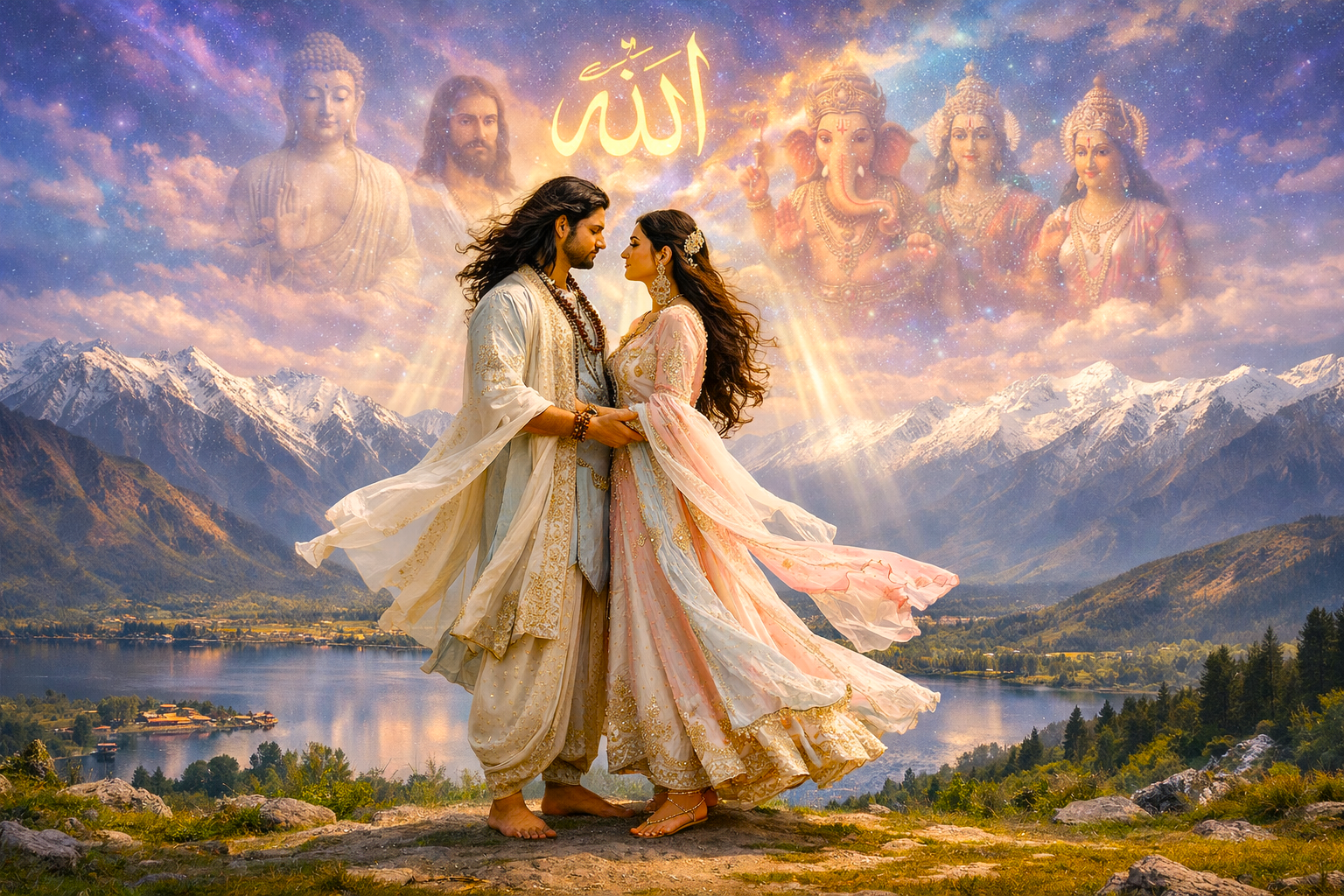
Shiva's presence dominates through the Shankaracharya Temple legend, where the deity meditated before revealing knowledge to Parvati. Local tradition holds that Goddess Ragnya Devi changed the spring water color at Tula Mula to warn devotees of approaching danger - clear water signals peace while milky indicates turmoil. The goddess Sharika, considered Kashmir's presiding deity, transformed into a myna bird and dropped a pebble that became Hari Parbat hill, according to the Nilamata Purana text from 6th century.
Festivals of Devotion: Honouring the Sacred and the Divine
Eid-ul-Fitr celebrations fill the Hazratbal Shrine grounds every year following Ramadan, where thousands gather for prayers led by the head cleric. The sacred relic viewing occurs during Eid Milad-un-Nabi on the 12th day of Rabi-ul-Awwal, when devotees queue for hours. Navroz, celebrated on March 21st, marks the Persian New Year with traditional dishes and spring cleaning rituals introduced during Kashmir's Persian connections. Kheer Bhawani Mela happens in May-June at Tula Mula, where Hindu devotees bathe in the sacred spring. The festival honors Goddess Ragnya Devi, with pilgrims traveling from across India. Shivratri, called Herath locally, spans from February to March with week-long preparations including cleaning rituals on Wagat Bah and feast preparations on Salam day before the main celebration. Srinagar Kashmir India.
Serendipitous Meetings: Beyond the Main Path
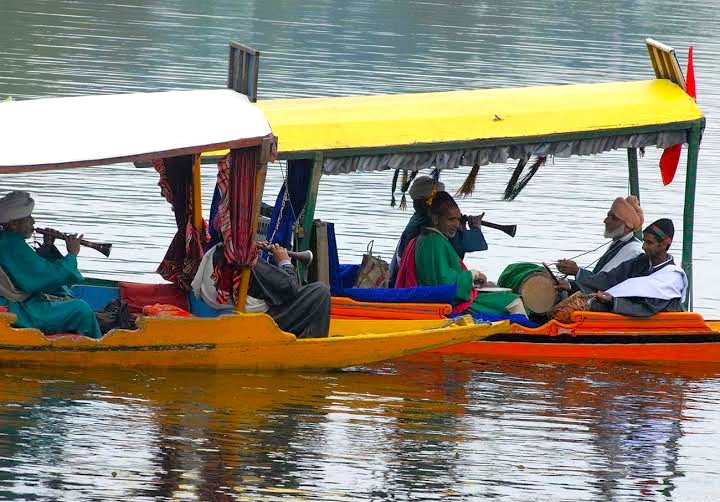
Wander through the Rainawari neighborhood to discover hidden workshops where artisans masterfully hand-carve walnut wood. Using traditional adzes and chisels passed down through generations, these craftsmen transform raw timber into intricate art. In Zainakadal, the ancient craft of paper-mâché thrives; here, experts layer recycled paper over clay molds to produce elegant jewelry boxes and ornate ceiling lamp shades. Venturing further into the narrow, winding lanes of Lal Chowk reveals the rhythmic hammering of copper-smithing studios.
Resilience and Renewal: Overcoming Adversity's Challenges
The great flood of September 2014 submerged 75% of the city when the Jhelum River breached its banks, displacing over 200,000 residents. Water levels reached 12 feet in some neighborhoods, destroying homes built over generations. Communities rallied, using shikaras as rescue boats, while local youth formed volunteer brigades distributing food and medicine. Recovery took three years, with residents rebuilding stronger flood defenses. The 1931 uprising began on July 13th when police fired on protesters outside Central Jail, killing 22 people demanding rights under Dogra rule. This event sparked political awakening that shaped future movements. The harsh winter of 1892-1893 brought record snowfall exceeding 10 feet, causing widespread famine when food supplies couldn't reach the valley. Residents survived by rationing stored grains and helping neighbors, strengthening communal bonds that persist today. Srinagar Kashmir India.
Urban Legends: Strange Sightings, Myths and Mysteries
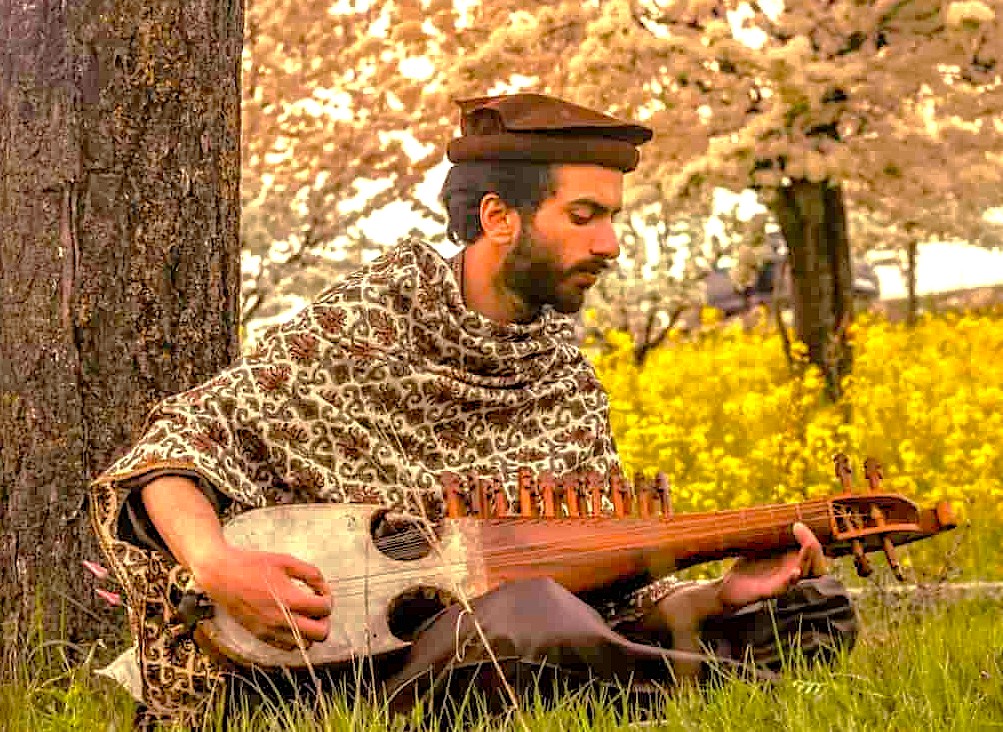
Local tales speak of the Lady of Dal Lake, a woman in white who appears during full moons, gliding across waters near Char Chinar island. Boatmen claim she vanishes when approached, leaving only ripples behind. Fishermen who've encountered her describe feeling peaceful rather than frightened. The story traces to a Mughal princess who drowned while escaping an arranged marriage in the 1650s. Hari Parbat Fort holds stories of underground tunnels connecting to the Shankaracharya Temple, supposedly used by ancient rulers during sieges.
Experience the Extraordinary - Come With Us
Our journey through Srinagar Kashmir, leaves us transformed by its profound contradictions and harmonies. Morning mists rising off Dal Lake painted watercolor horizons as shikaras glided silently past floating markets where centuries-old commerce continues unchanged. You carry with you the taste of noon chai served in copper samovars, its pink saltiness unlike any tea elsewhere, and the complex symphony of spices from a traditional Wazwan feast shared communally from copper plates.
Symphony of Generosity: Offerings from Wanderers to Residents
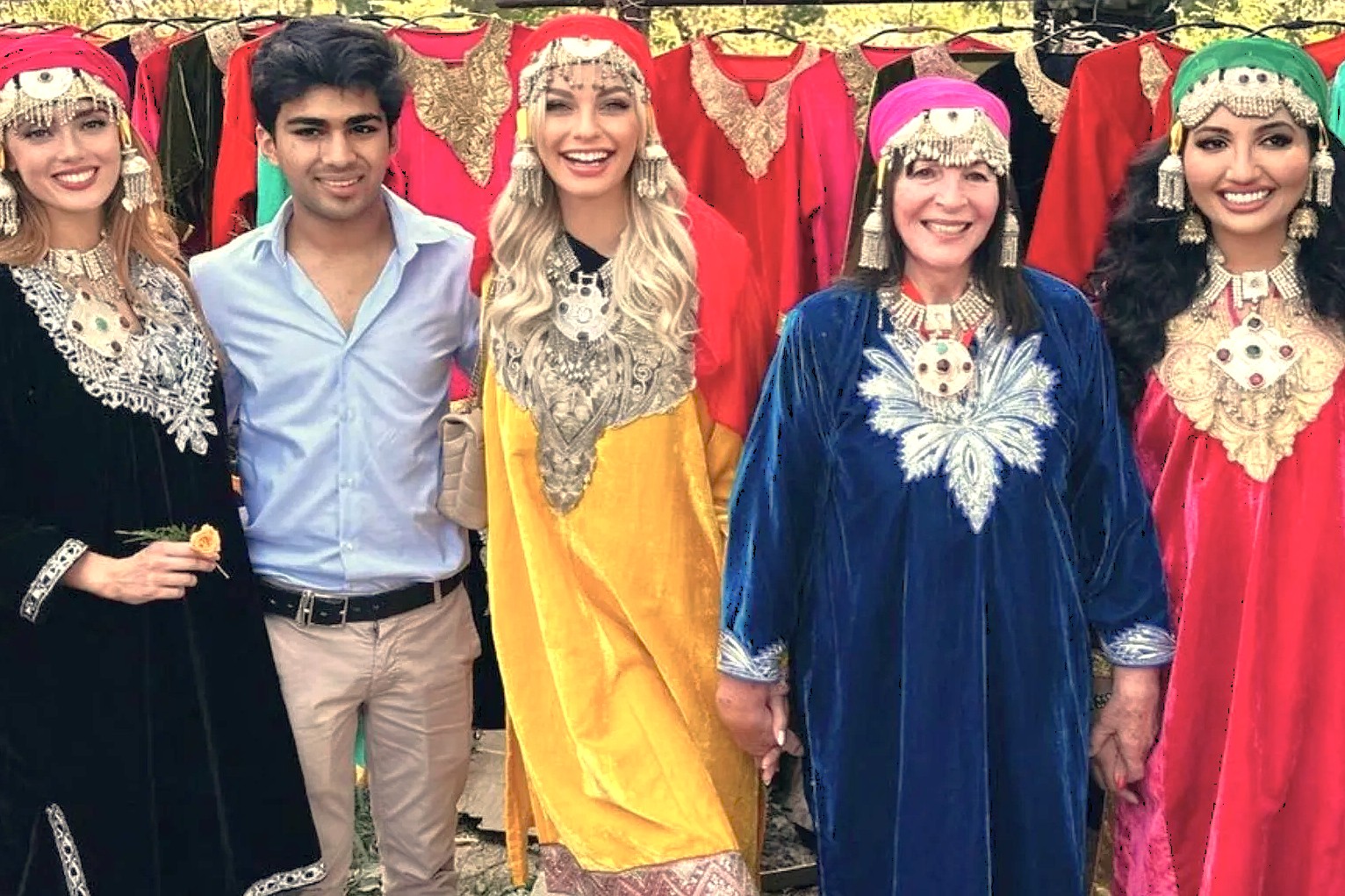
Walking through Srinagar naturally leads to interactions that benefit everyone involved in ways that go beyond just quick transactions at shops. You buy pashmina shawls, walnut carvings, and papier-mâché boxes that support craftsmen and their families who make these items daily. Shikara rides across Dal Lake put money directly into the pockets of boatmen who have worked these waters for years. Restaurants serve wazwan feasts and street vendors offer kahwa tea while earning income that keeps their businesses going strong.
Step Inside The Story - View All Tour Itineraries & Details

We’re here to offer genuine, thoughtful guidance if your interested in travelling to India. As a small, dedicated team, we pay close attention to every detail so you can focus on enjoying the experience while we take care of the planning. We believe the best trips begin when someone truly listens to what you want and how you like to travel, so the journey feels right for you and contributes to a happy, positive group on tour. Our communication stays clear, straightforward, and respectful at every step, with the goal of helping you feel understood, supported, and confident from first contact to the end of your journey.
Click Catherine Frith - About The Founder
Click Discover Life Travel - All Tours and More
Click Why We Are Different - Unique, Safe, Transparent