
Ancient Encounters Tour India
Kailasa Temple: Ellora Caves
Mother Masala Tours
Where Stories Are Etched in Stone
Kailasa Temple, known as Cave 16 at Ellora, is a Shaivite shrine in Maharashtra’s Chhatrapati Sambhajinagar district. Rashtrakuta king Krishna I commissioned its construction in the eighth century, and its basalt formation was excavated from the top downward. The resulting edifice includes a central shrine, a Nandi pavilion, gateways, courtyards and sculpted panels. Ellora became a UNESCO World Heritage Site in 1983. As we explore the site, we can observe the building design and the careful composition of its stone elements, from monumental figures to delicate carvings. The atmosphere is reflective and peaceful, with a mystical mood shaped by the setting, devotional imagery and the scale of this unique work. Kailasa Temple Ellora Caves
Timeless Artifacts: Kailasa Temple Ellora Caves
At the centre of the complex, the main shrine is dedicated to Shiva as Kailashanatha. A Nandi pavilion stands before it, linked to the shrine by a stone bridge. You can see the study the gopuram, courtyard, elephant sculptures and victory pillars as parts of a carefully planned structure. Carved panels draw on stories from the Ramayana and Mahabharata, while the large relief of Ravana shaking Mount Kailasa presents a dramatic scene from Hindu tradition. Figures of the river Goddesses Ganga, Jamuna and Saraswati appear among the devotional elements. These spaces remain meaningful for worship and historical study. Their refined stone artistry creates an engaging route through a remarkable range of sacred imagery and forms.
Ancient Mosaics: Impeccable Craftsmanship
The carved surfaces bring figures, animals and narrative scenes together in a complex composition. Rather than mosaics made from separate pieces, these images are cut directly into the basalt. You can look closely at the reliefs to see how sculptors used depth, line and scale to distinguish figures and movement. The Ravana panel is one notable example: the many-armed demon king strains beneath the mountain while Shiva and Parvati sit above. The detail is delicate in places and substantial in others, giving the scenes a varied visual rhythm. Original frescoes mostly disappeared, though fragments remain on the porch roof. This surviving artistry offers an important record of the site’s artistic traditions. Kailasa Temple Ellora Caves
The Pulse of the Local Community
Ellora village lies beside the cave complex, and local life includes farming, small businesses and services connected with the heritage site. Residents and worshippers contribute to an active setting around this important place. Meet vendors and craftspeople whose work supports the area’s daily activity, while nearby Chhatrapati Sambhajinagar connects the village to a larger urban community. The mood changes with the day’s rhythm: quiet periods feel restful, while busier times bring lively movement around the entrances and transport routes. The site’s long history remains part of local identity. Its continuing religious and visitor activity gives the surrounding area energy, while the stone complex offers space for reflective visits.
Capturing the Magic: A Photographic Haven
Frame the central shrine against the open courtyard, then focus on close-up carvings and sculpted pillars. Morning light brings out changes in the basalt’s texture; shaded passages offer a peaceful mood for detail shots. The elephant figures and Nandi pavilion provide striking scale. Photography follows site rules and respects worshippers. A wide composition can convey the building’s height and layout, while a careful portrait view captures delicate artistry.
A Culinary Journey: Savor the Flavour
A visit to Ellora can include regional food in nearby eateries and in Chhatrapati Sambhajinagar. Maharashtrian dishes such as bhakri, pithla, misal pav and varan-bhaat are part of the broader local food culture; menus vary by restaurant. The city also has Mughlai-influenced cooking, including kebabs and biryani. We can choose a relaxed meal after exploring the caves, sampling familiar staples alongside regional flavours. Local vendors may offer snacks and drinks near the site, with availability changing through the day. Food adds a social element to the trip and offers a taste of the area’s varied traditions. Ask about ingredients when choosing a dish, and enjoy the meal at an unhurried pace. Kailasa Temple Ellora Caves
Festivals of Devotion: Honouring the Sacred and the Divine
Shiva is the principal deity of the temple, so Maha Shivaratri is especially relevant to its devotional tradition. The Hindu observance follows the lunar calendar, usually falling in February or March; its date changes each year. Worshippers often keep vigil, pray and make offerings to Shiva, with local practices varying by community and temple. We can check current arrangements with official local sources before planning a visit, since event schedules and access conditions may change. Ellora’s caves also include Buddhist, Hindu and Jain sites, reflecting a broader history of religious practice. The atmosphere during a festival can feel lively and deeply reflective, while the sculptures and shrines retain their sacred significance throughout the year. Kailasa Temple Ellora Caves
The Connection with the Gods
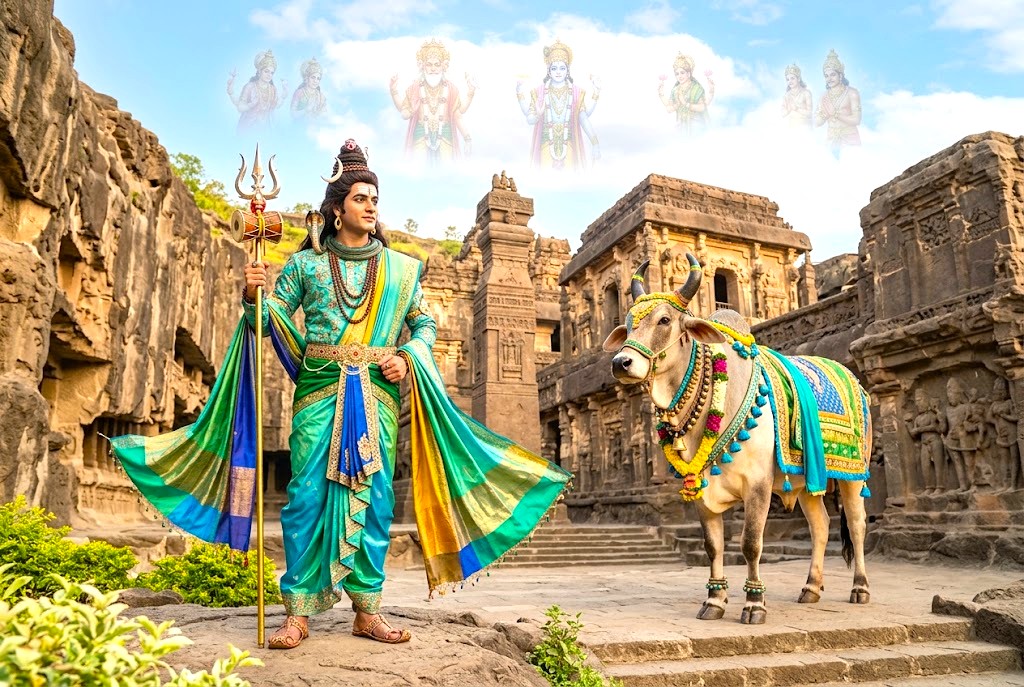
The central shrine honours Shiva, while Nandi, his bull and attendant, faces the sanctum from the pavilion. This arrangement expresses a devotional relationship through the site’s physical composition. Sculpted episodes from Hindu texts give worshippers and guests familiar narratives to consider, including Shiva’s connection with Mount Kailasa. River goddesses appear as sacred figures, linking water with religious symbolism. We can experience the space as both an artistic work and a place of worship; its meaning depends on tradition, personal belief and historical study. The carved edifice invites a peaceful pause, and its scale can leave us mesmerized. Its spiritual energy and refined imagery make the visit engaging for people with varied backgrounds.
Serendipitous Meetings: Beyond the Main Path
The temple has endured centuries of weathering, changing political conditions and the ordinary wear of time. Its basalt structure still communicates the ambition and skill of its makers, while conservation work helps protect the site for future study and worship. Historical accounts describe periods of damage across Ellora, though specific claims about individual acts require careful sourcing. We can recognize the substantial labour involved in shaping the complex without turning legend into fact. As a UNESCO World Heritage Site, Ellora receives formal recognition for its cultural value. Preservation balances access with protection, helping maintain the carved surfaces, structural framework and meaningful setting for generations to come.
Ancient Technologies: Sacred Sound, Geometry & Astrological Influences
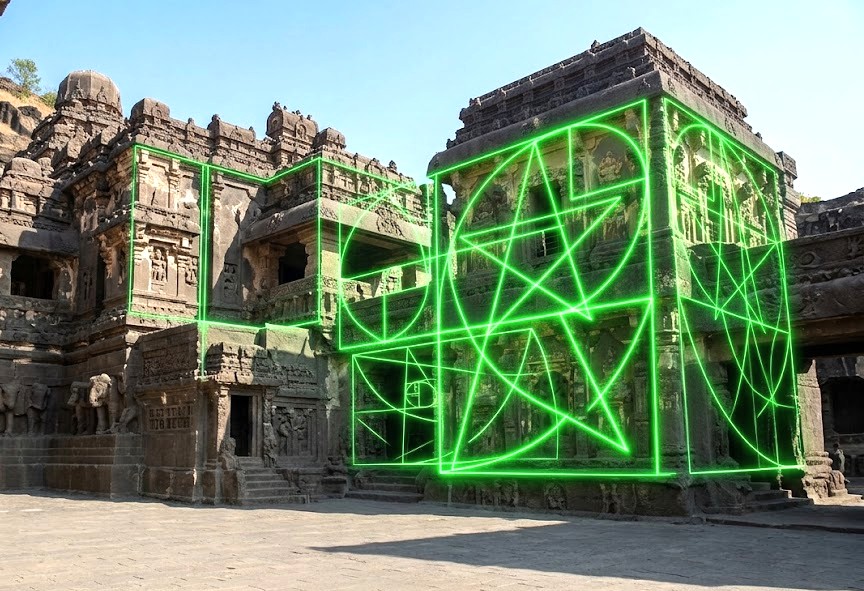
Sacred geometric shapes the Kailasa Temple as Hindu tradition holds that ordered space prepares the mind for the divine. A square grid, the vastu purusha mandala, divides the site into equal units, and each hall, porch and sanctum occupies a whole number of them. The sanctum forms a perfect square, the steadiest form, symbolising stillness at the heart of the universe. Structures align along one axis, and symmetry on either side guides the devotee toward the centre. Above, the vimana rises in diminishing tiers, each echoing the last, until the summit evokes Mount Kailash. The texts teach that harmony in proportion brings calm to the worshipper, so every measure carries purpose. Kailasa Temple Ellora Caves
Resilience and Renewal: Overcoming Adversity’s Challenges
The site’s documented construction method is its most striking technical phenomenon: workers excavated the rock from the top downward, shaping the shrine, pavilion and courtyard from a single basalt outcrop. This approach required a planned sequence and careful control of the removal of stone. The layout aligns major parts along a central approach, guiding movement from gateway toward shrine and Nandi pavilion. We can observe this composition directly in the surviving structure. Claims about specific sound frequencies or astrological measurements require reliable evidence; they should not be treated as established features of the site. The documented workmanship remains amazing in scale, and the building design offers a sophisticated example of rock-cut construction.
Urban Legends: Strange Sightings, Myths and Mysteries
Stories about the temple include a medieval account connecting Queen Manikavati, a king’s illness and the builder Kokasa. In the tale, the queen vows to build a shrine, and the sculptor begins at the summit so she can see the tower early. This is a legend, rather than a confirmed record of construction. The historical account links the commission to Rashtrakuta king Krishna I in the eighth century. The contrast between oral tradition and written history adds a mystical mood to the visit. We can enjoy the story as part of local lore while keeping its status clear. The documented top-down excavation remains astonishing on its own, with no supernatural explanation needed.
There's No Time Like Now - Discover the Magic
We are going to Ellora to see the Kailasa Temple in person, follow its courtyard route and spend time with its carved scenes. The visit offers a peaceful atmosphere alongside the scale and energy of a major heritage site. We can pause at the Nandi pavilion, examine the sculpted panels and take in the central shrine from different viewpoints. The wider cave complex adds context, while local guides can make its history more accessible. Wear comfortable footwear, carry water and check current opening details before setting out. Come with curiosity and a relaxed pace; we can enjoy the site’s beautiful stonework, meaningful setting and distinctive history together. Kailasa Temple Ellora Caves
Symphony of Generosity: Offerings from Wanderers to Residents
The complex’s carved forms preserve evidence of patronage, religious devotion and skilled labour. Historical scholarship connects the commission with Rashtrakuta king Krishna I, while the names of many individual sculptors remain unknown. The tradition of giving continues through worshippers’ offerings and the work of guides, conservation professionals and local businesses. We can contribute thoughtfully by following site guidance, treating sacred spaces with care and supporting local services. These gestures help sustain an active relationship between the heritage site and the community around it. The temple’s exquisite artistry and substantial scale invite reflection on collective effort: from the original construction to ongoing care, many forms of generosity have helped keep this place meaningful.
Step Inside The Story - View All Tour Itineraries & Details

We’re here to offer genuine, thoughtful guidance if your interested in travelling to India. As a small, dedicated team, we pay close attention to every detail so you can focus on enjoying the experience while we take care of the planning. We believe the best trips begin when someone truly listens to what you want and how you like to travel, so the journey feels right for you and contributes to a happy, positive group on tour. Our communication stays clear, straightforward, and respectful at every step, with the goal of helping you feel understood, supported, and confident from first contact to the end of your journey.
Click Catherine Frith - About The Founder
Click Discover Life Travel - All Tours and More
Click Why We Are Different - Unique, Safe, Transparent