Unique Insights Into The Rivers Of India
Sarasvati River: India
Discover Life Travel
Eternal Flow of Sacred Wisdom
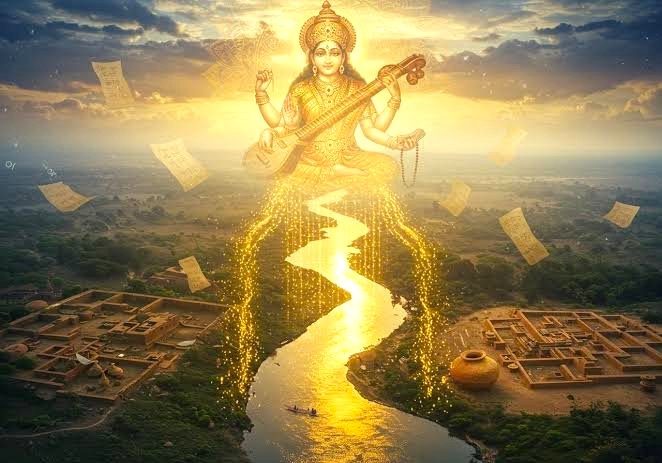
The Sarasvati River, mentioned in the oldest layers of the Rig Veda as the 'Naditama' or the best of rivers, originates from the Shivalik Hills in the Himalayas. Its name derives from the Sanskrit words 'Saras', meaning a pool or flow of water, and 'vati', meaning possessing, translating to the river of many pools. Historically, it flowed through the regions of modern-day Haryana, Punjab, Rajasthan, and Gujarat before reaching the Rann of Kutch. This water system provided the primary life-support for the earliest stages of the Indus Valley civilization. Satellite imagery and geological surveys identify its paleochannels as a massive river system that once spanned several kilometers in width. Since the third millennium BCE, the river has been a central geographical and spiritual reference point, shaping the settlement patterns and the ritual identity of the early Vedic people who resided along its perennial banks. Sarasvati River India
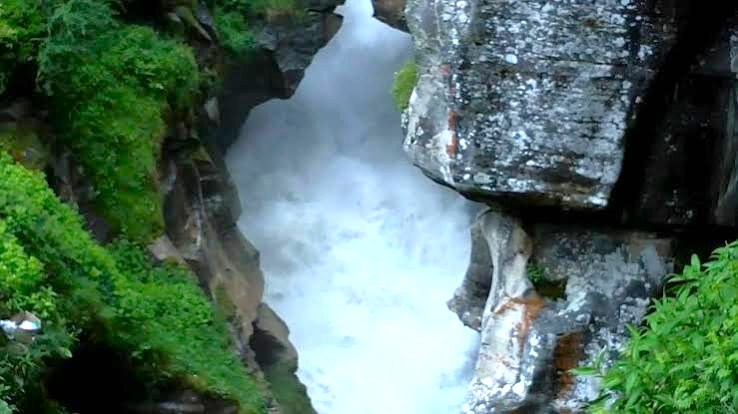
Sarasvati River India: The Etymology of Eternal Waters
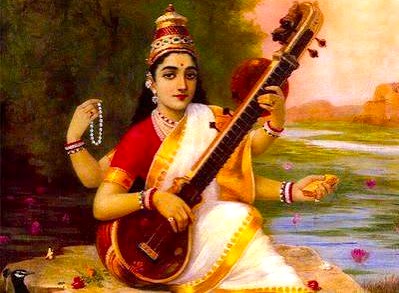
The precise location of the river's historical start is traced to the Adibadri region in the foothills of the Himalayas. The name Sarasvati represents a divine entity of speech, music, and wisdom, suggesting that the river was the birthplace of the Vedic hymns. In the ancient texts, it is described as flowing from the mountains to the sea with a thunderous sound. The meaning of its name suggests a sequence of interconnected lakes or a vast, slow-moving flood plain. This hydrological identity defined the river as a source of intellectual and physical nourishment. The river was perceived as the physical form of the goddess Sarasvati, whose presence ensured the continuity of knowledge and the fertility of the northwest plains of the Indian subcontinent.
Ancient Path of the Lost Current
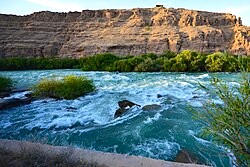
The river followed a precise path located between the Yamuna and the Satluj rivers, flowing through the Ghaggar-Hakra valley. Its course covered the modern districts of Kurukshetra, Sirsa, and Hanumangarh before entering the Thar Desert. Scientific mapping places its active flow between 30 degrees North and 76 degrees East in its upper reaches. The river was a perennial stream fed by glacial meltwater, providing a stable environment for thousands of years. This geographical corridor served as a highway for the movement of early human groups. The river's presence in the semi-arid region of Rajasthan transformed the landscape into a productive zone where the earliest agricultural experiments of the Neolithic period could flourish without the threat of total desiccation. Sarasvati River India
Primordial Echoes of the Holocene
Pre-history details identify the character Manu as a central figure, the progenitor of humanity who performed the first sacrifices on the banks of this river. Archaeological data from the Ghaggar-Hakra system reveals settlements dating back to 6000 BCE. These early inhabitants used microlithic tools and built circular huts near the water. The river provided a constant supply of freshwater in an otherwise challenging environment. These prehistoric groups established some of the earliest pottery traditions in the region. The river was viewed as a primordial force that emerged during the creation of the world. Evidence from sites like Bhirrana suggests that the river's stability allowed for the gradual transition from nomadic gathering to settled farming long before the rise of major urban centers. Sarasvati River India
Masonry of the Harappan Wells
The construction of brick-lined wells and complex drainage systems occurred around 2600 BCE in cities like Kalibangan and Banawali. These structures were engineered to utilize the high water table provided by the Sarasvati. The wells were built with trapezoidal bricks to prevent collapse, demonstrating advanced hydraulic knowledge. Construction dates for the massive fortified walls of these riverine towns indicate a high level of organized labor and planning. The engineering focused on maximizing the use of the seasonal inundations while protecting the grain stores from flood damage. These stone and brick works ensured that the river could support a high-density urban population. The management of the water flow was the primary concern of the city planners who regulated the distribution of the river's bounty. Sarasvati River India
Demographics of the Desiccated Plains
The population inhabiting the Sarasvati basin reached its peak during the Mature Harappan phase. In 2500 BCE, the region surrounding the river supported an estimated 1.5 million residents across hundreds of settlements. Statistics from archaeological surveys indicate that the density was highest in the upper Ghaggar valley. The river provided the daily water requirements for large cities and thousands of smaller farming villages. This demographic concentration led to the development of complex social hierarchies and trade guilds. The population was composed of farmers, artisans, and traders who relied on the river's predictability. The high numbers of inhabitants required a sophisticated system of food production and storage, which was made possible by the fertile alluvial deposits left by the river's annual floods. Sarasvati River India
Rituals of the Invoked Stream
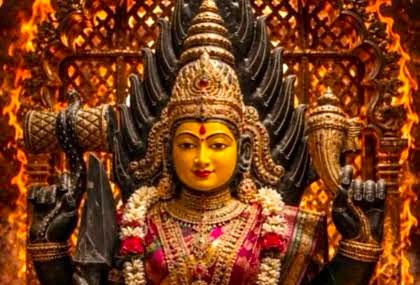
Religious practices along the Sarasvati center on the concept of 'Vajapeya' and other elaborate sacrifices intended to secure prosperity. The river is invoked in the Vedas as a mother, a goddess, and the best of all rivers. Daily rituals involved the offering of clarified butter and milk into the sacred fire at the water's edge. Thousands of seekers gathered at the confluences to perform ritual baths during the solar and lunar eclipses. The river's water was considered a liquid form of truth that could purify the mind of the seeker. These practices have been documented in the Brahmanas and the Sutras, reflecting a deep spiritual bond. Even after the river began to recede, the memory of these rituals persisted, leading to the identification of the invisible Sarasvati at Prayag. Sarasvati River India
Harvests of the Ghaggar Grain
Food traditions were centered on the river's ability to support the cultivation of barley and wheat in the plains of Haryana and Rajasthan. A staple was the barley cake, prepared in large quantities for both daily consumption and ritual offerings. In 2000 BCE, annual grain production in the valley was sufficient to support a massive urban surplus. Traditional preparations involved grinding the grain using stone querns found in every household near the river. During major religious ceremonies, community kitchens prepared thousands of kilograms of food to serve the gathered clans. The river also provided a variety of fish and waterfowl for the local diet. These food traditions were dictated by the river's flow, with specific harvests occurring in the spring and autumn months.
Rhythms of the Vasant Festivals
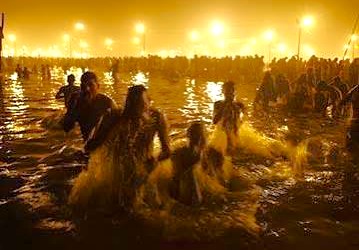
Festivals mark the arrival of spring and the seasonal shifts in the river's volume. The Vasant Panchami festival, celebrated in late January or early February, is dedicated to the goddess of the river. During this time, the banks were decorated with yellow flowers, and the community participated in collective chanting. Another significant event was the seasonal sacrifice held during the summer solstice. These festivals served as communal markers of the passage of time and the river's lifecycle. Cultural performances included the recitation of poetry and the performance of music. These celebrations were timed with the astronomical alignments to ensure the continued flow of the river and the fertility of the land. The scale of these events required the coordination of numerous village heads and priests.
Chronicles of the Ten Kings
The river has been a site of significant military encounters between the early Vedic tribes. In 1400 BCE, the Battle of the Ten Kings, or Dasarajna, took place near the river system, where King Sudas of the Bharata tribe defeated a confederation of ten opposing tribes. Control over the river's water and the fertile pastures was the primary cause of the conflict. The victory established the Bharatas as the dominant power in the region. These conflicts often focused on the strategic control of the river fords and the upper catchments. The outcomes of these battles determined the political and cultural direction of early North Indian society. The river is depicted in the hymns as a witness to the valor of the warriors and the intervention of the divine in the affairs of humans. Sarasvati River India
Potions of the Saraswat Forest
Medicinal practices along the Sarasvati utilized the unique array of herbs found in the riverine forests. Practitioners used 'Soma' and other mountain plants for ritual and medicinal purposes. During the Vedic era, the 'Ashvins', the divine physicians, were believed to have performed their healings on these banks. The regions near the river were known for herbs used to treat fever and to enhance memory. Leaders and sages employed healers who prepared specialized tonics from river minerals and honey. These remedies were documented in the early Atharvavedic texts that are still consulted for traditional knowledge. The river water was used as a purifying solvent in the preparation of these ancient cures, as it was believed to carry the elemental power of the celestial mountains. Sarasvati River India
The Desiccation of the Divine Current
The decline of the Sarasvati River system began around 1900 BCE due to tectonic shifts and climate change. As the Satluj and Yamuna rivers diverted their courses away from the Sarasvati, the river lost its perennial source of glacial water. By 1500 BCE, the river began to dry up in its lower reaches, leading to the abandonment of major urban centers like Kalibangan. The population migrated eastward toward the Ganges and southward toward the coast. This shift in the landscape caused the degradation of the river's natural flow, leaving behind a series of seasonal pools and dry channels. As the once-mighty stream vanished into the sands of the Thar Desert, the physical Dynasty of the river was replaced by a purely spiritual and mythological existence in the cultural memory of the people.
Step Inside The Story - View All Tour Itineraries & Details

We’re here to offer genuine, thoughtful guidance if your interested in travelling to India. As a small, dedicated team, we pay close attention to every detail so you can focus on enjoying the experience while we take care of the planning. We believe the best trips begin when someone truly listens to what you want and how you like to travel, so the journey feels right for you and contributes to a happy, positive group on tour. Our communication stays clear, straightforward, and respectful at every step, with the goal of helping you feel understood, supported, and confident from first contact to the end of your journey.
Click Catherine Frith - About The Founder
Click Discover Life Travel - All Tours and More
Click Why We Are Different - Unique, Safe, Transparent