Unique Insights Into India's Past
Mahabharata: India
Discover Life Travel
Ancient Wisdom of the Kuru
The Mahabharata is a monumental epic poem traditionally attributed to the sage Vyasa. It chronicles the intense struggle for sovereignty between two branches of the Kuru Dynasty: the five Pandava brothers and their one hundred Kaurava cousins. Spanning eighteen books, the narrative explores the complexities of duty, morality, and spiritual liberation. Set in the northern plains of India, it provides a comprehensive guide to human conduct and the pursuit of righteousness. The text incorporates historical accounts, philosophical discourses, and moral allegories. It serves as a foundational pillar of Indian thought, offering profound insights into the nature of existence, the consequences of action, and the path to ultimate peace. Mahabharata India
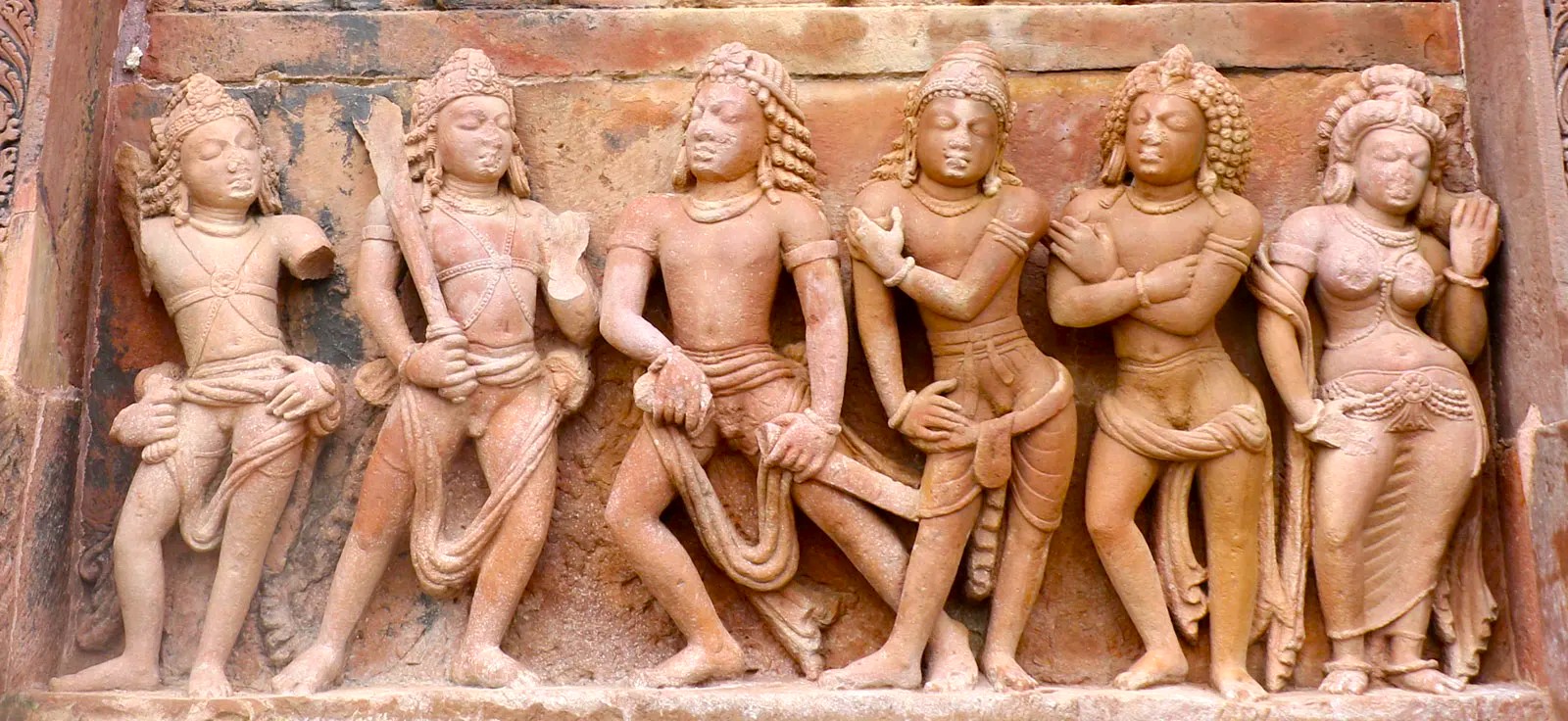
Mahabharata India: Origins of the Lunar Lineage
The narrative begins with King Shantanu of the Lunar Dynasty, whose decisions established the framework for the conflict. His marriage to Ganga and later to Satyavati created a complex succession crisis. Devavrata, the son of Ganga, took a vow of celibacy and renamed himself Bhishma to facilitate Satyavati’s marriage. This act of sacrifice left the throne without a direct heir when Satyavati’s sons died young. Through the intervention of Vyasa, three sons were born: the blind Dhritarashtra, the pale Pandu, and the wise Vidura. This fragmentation of the royal house eventually led to the birth of the rival cousins, setting a collision course for the entire family.
Education of the Kuru Princes
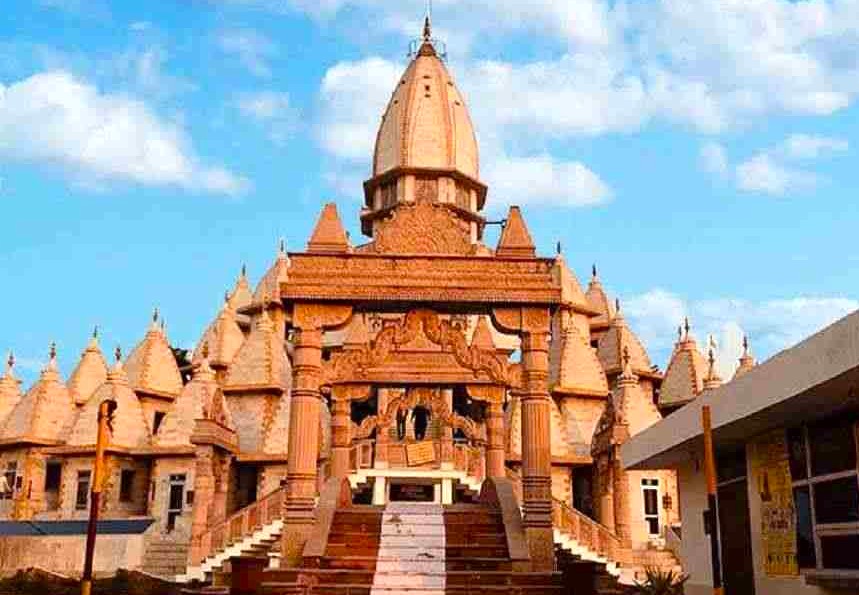
The Pandavas and Kauravas were raised together in Hastinapur, receiving training in warfare and statecraft from the masters Kripa and Drona. Yudhishthira became a master of the spear and moral law, while Bhima excelled in the mace. Arjuna emerged as the premier archer of his time, and the twins Nakula and Sahadeva mastered swordsmanship and animal husbandry. Duryodhana, the eldest Kaurava, developed a deep resentment toward the Pandavas due to their superior skills and popularity. In 3137 BCE, traditional records state their education concluded with a public tournament. This period highlighted the growing divide between the disciplined Pandavas and the envious, power-hungry Kauravas. Mahabharata India
Escaping the House of Lacquer
Duryodhana’s jealousy resulted in a plan to burn the Pandavas alive in a palace made of flammable lacquer at Varnavata. Forewarned by Vidura, the brothers and their mother Kunti escaped through a secret tunnel during the night. They lived in hiding as wandering mendicants, traveling through forests and villages. This phase of their life focused on austerity and survival. Bhima protected the family from various threats, including the demon Hidimba. The brothers learned to live with minimal resources, strengthening their bond and their resolve. Their escape proved that wisdom and foresight are more effective than the deceptive traps set by those driven by malice and greed.
Winning the Hand of Draupadi
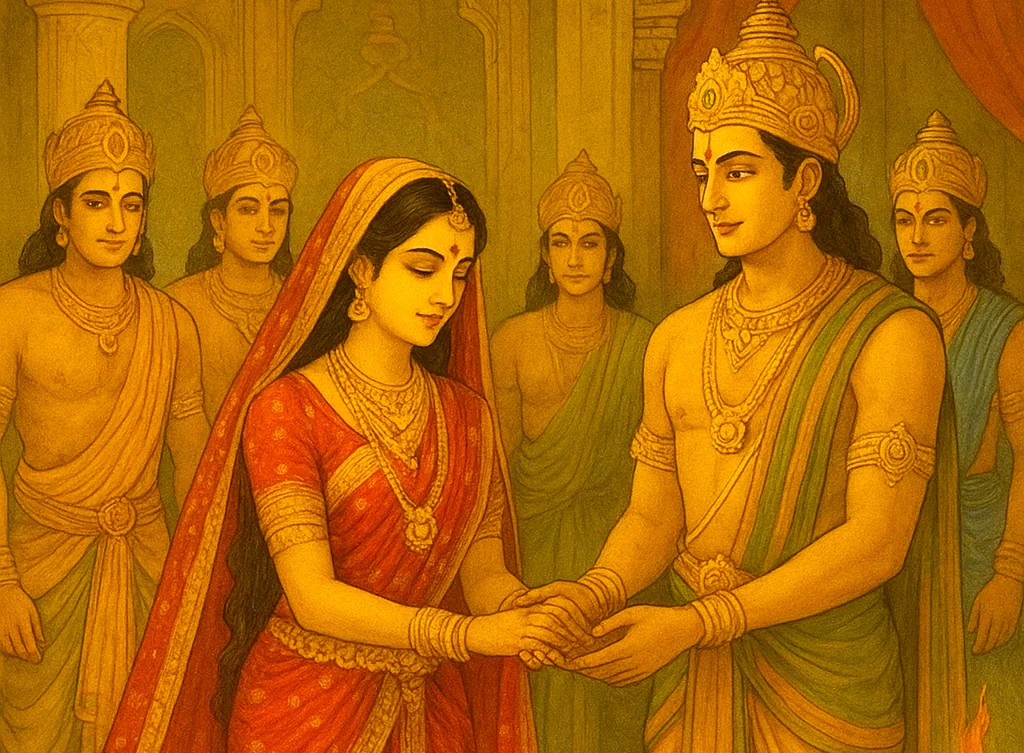
While in hiding, the Pandavas heard of the Swayamvara of Draupadi, the princess of Panchala. Arjuna, disguised as a priest, won the competition by piercing the eye of a rotating fish while looking at its reflection. Due to a misunderstanding of their mother’s command, Draupadi became the common wife of all five brothers. This marriage solidified a strategic alliance with King Drupada, making the Pandavas a formidable political force again. The union represented the integration of different strengths under a single purpose. It also forced the elders in Hastinapur to acknowledge the Pandavas' survival and grant them a portion of the kingdom to avoid an immediate civil war. Mahabharata India
Prosperity of the Indraprastha State
The Pandavas were granted the barren land of Khandavaprastha, which they transformed into the city of Indraprastha. With the help of the divine architect Maya, they built a palace that was a pinnacle of design and luxury. By 3125 BCE, the city became a thriving center of trade and culture. Yudhishthira performed the Rajasuya sacrifice, establishing himself as a sovereign ruler. During the feast, the population grew as artisans and scholars settled in the new capital. The prosperity of Indraprastha further fueled Duryodhana’s envy, leading him to plot a new way to seize the Pandavas' wealth without engaging in a direct military confrontation on the battlefield.
Loss in the Game of Dice
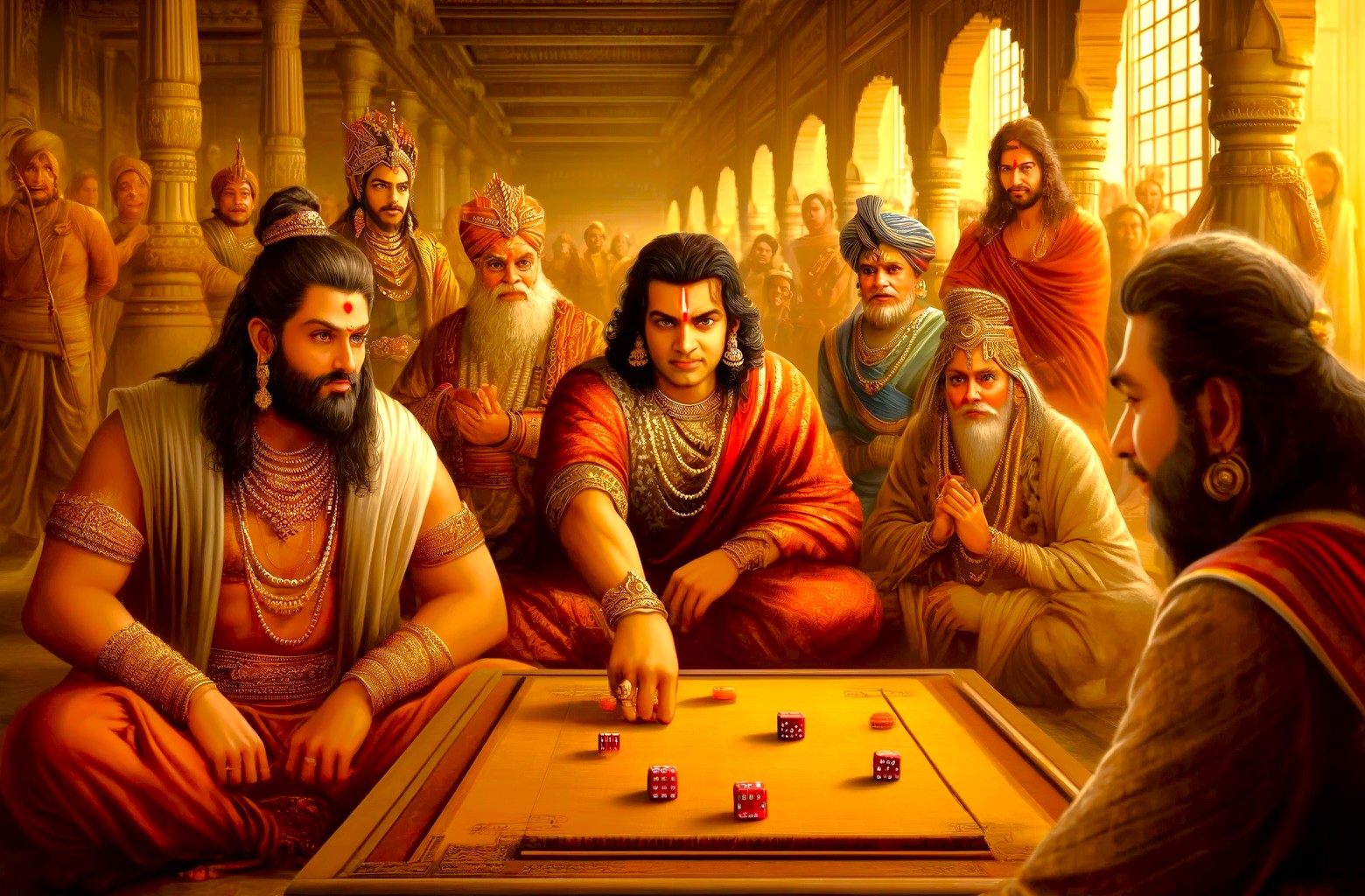
Shakuni, the uncle of Duryodhana, invited Yudhishthira to a game of dice in Hastinapur. Exploiting Yudhishthira’s weakness for gambling and using enchanted dice, Shakuni stripped the Pandavas of their kingdom, wealth, and freedom. In a final act of desperation, Yudhishthira wagered Draupadi, leading to her public humiliation in the royal court. Bhishma and Drona remained silent, bound by their oaths to the throne. This event marked the total collapse of moral authority within the Kuru court. The Pandavas were sentenced to twelve years of exile in the forest followed by one year of living in disguise, a period intended to break their spirit and remove them from power. Mahabharata India
Austerity in the Wild Forests
The Pandavas spent twelve years in the Kamyaka and Dvaita forests, living as hermits. This period was essential for their spiritual growth and the acquisition of divine weapons. Arjuna performed intense penance to obtain the Pashupata weapon from Shiva. The brothers encountered various sages who taught them about the duties of a ruler and the nature of the soul. They practiced patience and self-control, preparing for the inevitable struggle to reclaim their rights. The forest life stripped away their royal comforts, grounding them in the realities of the natural world. This decade of hardship transformed them from mere princes into seasoned warriors and spiritually mature leaders.
The Year of Hidden Identity
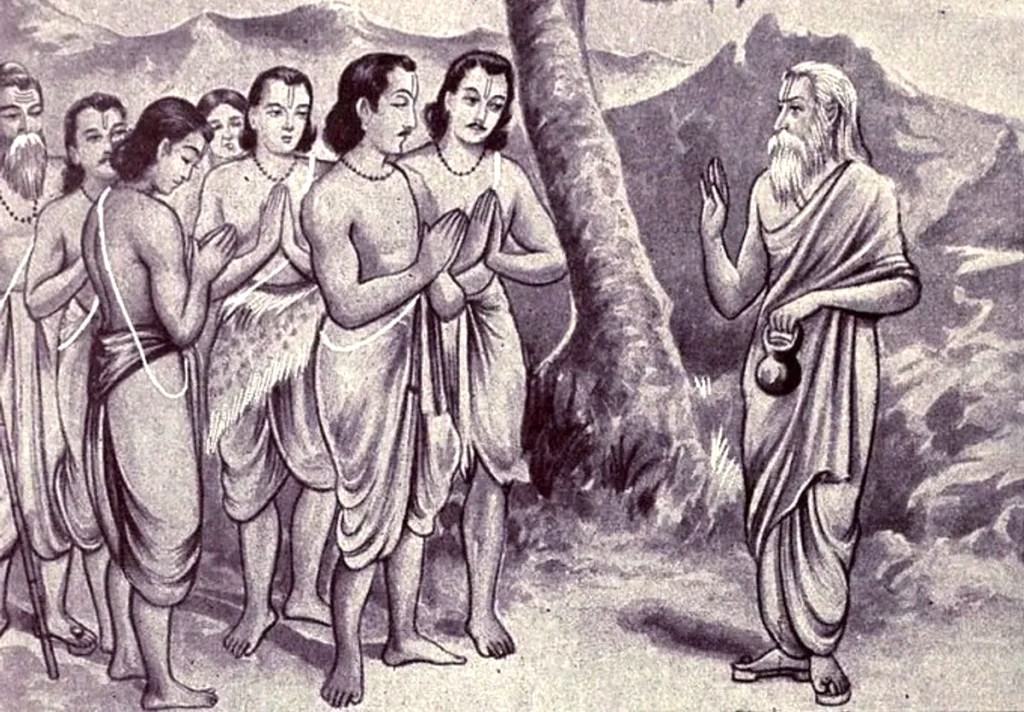
For the final year of their exile, the Pandavas lived in disguise in the kingdom of Matsya. Yudhishthira served as a courtier, Bhima as a cook, Arjuna as a dance teacher, Nakula as a stable hand, and Sahadeva as a cowherd. Draupadi served as a lady-in-waiting to the Queen. They maintained their cover despite the provocations of the commander Kichaka, whom Bhima eventually killed. Their ability to serve in humble positions demonstrated their mastery over ego. When the Kaurava army attacked Matsya to steal cattle, the Pandavas revealed themselves after the stipulated period, proving they had successfully completed the terms of their exile despite the efforts to find them. Mahabharata India
Failure of the Peace Mission
Upon their return, the Pandavas demanded only five villages to avoid a war, but Duryodhana refused to grant even a needlepoint of land. Krishna traveled to Hastinapur as a peace envoy, attempting to persuade the Kauravas to follow the path of dharma. He revealed his universal form to the court, but the blinded Duryodhana remained obstinate. The failure of diplomacy made the Great War unavoidable. Both sides began gathering allies from across the subcontinent. The population of the camps reached millions of soldiers and animals. This transition from words to weapons showed that when greed overrides reason, the destruction of the lineage becomes the only remaining outcome of the conflict.
Discourse of the Bhagavad Gita
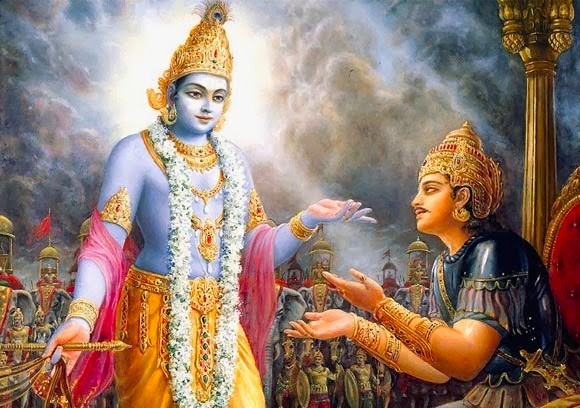
As the armies gathered at Kurukshetra in 3102 BCE, Arjuna was overcome with grief at the prospect of killing his elders and kinsmen. He dropped his bow and refused to fight. Krishna, acting as his charioteer, delivered a spiritual discourse known as the Bhagavad Gita. He taught Arjuna about the immortality of the soul, the importance of selfless action, and the necessity of fulfilling one's duty without attachment to the results. Krishna explained the various paths of yoga-knowledge, devotion, and action. This conversation transformed Arjuna’s perspective, allowing him to understand that the war was a sacrifice for the restoration of dharma rather than a personal quest for power. Mahabharata India
The Eighteen Days of War
The battle at Kurukshetra lasted for eighteen days, resulting in the near-total annihilation of the warrior class. Each day saw the fall of great commanders, including Bhishma, Drona, and Karna. The conflict was characterized by brutal combat and the use of sophisticated weaponry. The death toll was catastrophic, with millions of soldiers perishing on both sides. The rules of war were frequently broken as the desperation for victory intensified. Bhima eventually killed Duryodhana in a mace duel, ending the Kaurava resistance. The fields of Kurukshetra became a graveyard for the Kuru line, proving that the cost of a war fought for unrighteous goals is the destruction of the very world one seeks to rule.
Rule of the Righteous King
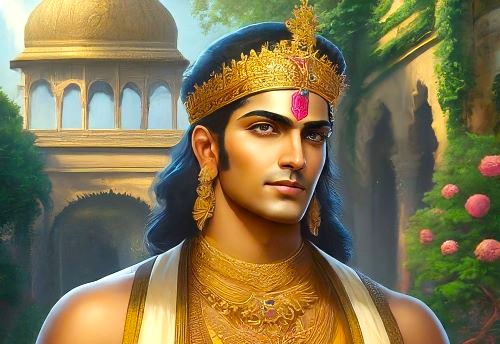
After the war, Yudhishthira was crowned King of Hastinapur. He ruled for thirty-six years, focusing on the welfare of the survivors and the restoration of the land. His administration was guided by the teachings he received from the dying Bhishma on the bed of arrows. The King performed the Ashvamedha sacrifice to unify the fragmented territories. The daily life of the surviving royal family was somber, marked by the loss of their children and elders. Yudhishthira’s reign was noted for its justice and adherence to moral law. However, the shadow of the great slaughter remained, and the King eventually realized that his earthly duties were coming to an end as a new age approached.
Spiritual Lessons of the Epic
The Mahabharata teaches that dharma is the only reliable guide in a complex world. It emphasizes that every action has a consequence and that greed leads to inevitable ruin. The story shows that even the most virtuous individuals face moral dilemmas where there is no easy answer. It encourages the practice of 'Nishkama Karma', or acting without seeking rewards. The epic proves that the soul is eternal and that the physical world is a transient stage for spiritual evolution. By detailing the fall of a great Dynasty, it reminds the audience that true power lies in self-mastery and devotion to the divine rather than in the accumulation of territory or wealth. Mahabharata India
Decline of the Kuru Dynasty
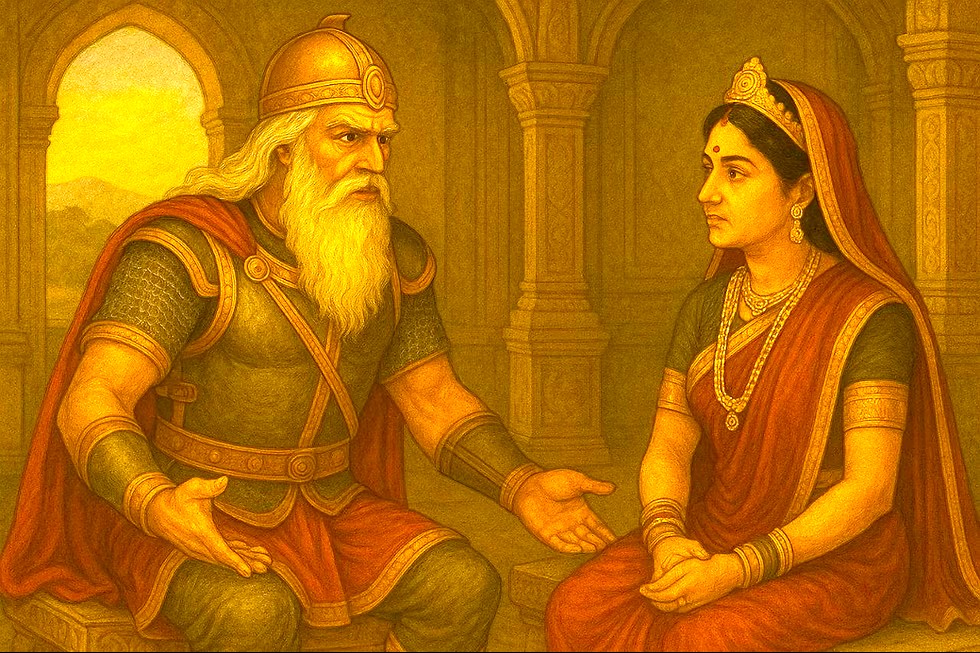
The decline of the Kuru Dynasty accelerated thirty-six years after the war, coinciding with the destruction of the Yadava clan and the departure of Krishna. Yudhishthira, seeing the signs of the Kali Yuga, decided to renounce his throne and the material world. He appointed Parikshit, the grandson of Arjuna, as the new King to continue the lineage. The five brothers and Draupadi set out on a final journey toward the Himalayas to reach the celestial realms. One by one, they fell during the climb, with only Yudhishthira reaching the gates of heaven with a faithful dog. This marked the end of the heroic age of the Dynasty, as the centralized power of the Kurus was replaced by a fragmented world entering a period of spiritual decline.
Step Inside The Story - View All Tour Itineraries & Details

We’re here to offer genuine, thoughtful guidance if your interested in travelling to India. As a small, dedicated team, we pay close attention to every detail so you can focus on enjoying the experience while we take care of the planning. We believe the best trips begin when someone truly listens to what you want and how you like to travel, so the journey feels right for you and contributes to a happy, positive group on tour. Our communication stays clear, straightforward, and respectful at every step, with the goal of helping you feel understood, supported, and confident from first contact to the end of your journey.
Click Catherine Frith - About The Founder
Click Discover Life Travel - All Tours and More
Click Why We Are Different - Unique, Safe, Transparent