Arc Of The East India Tour
Calcutta: India
Mother Masala Tours
Birth of a Colonial Capital
Now known as Kolkata, emerged in 1690 when Job Charnock, representing the British East India Company, leased three villages: Sutanuti, Govindapur, and Kolikata along the Hooghly River. Fort William was constructed in 1696 to protect the growing trading settlement. The Battle of Plassey in 1757 established British dominance in Bengal under Robert Clive. Calcutta served as the capital of British India from 1772 until 1911, when the seat moved to Delhi. The city witnessed the Bengal Renaissance during the 19th century, producing intellectuals like Raja Ram Mohan Roy and Rabindranath Tagore. Today the metropolitan area houses approximately 15 million people, making it India's third-largest urban centre. Calcutta India
Timeless Artifacts: Calcutta India
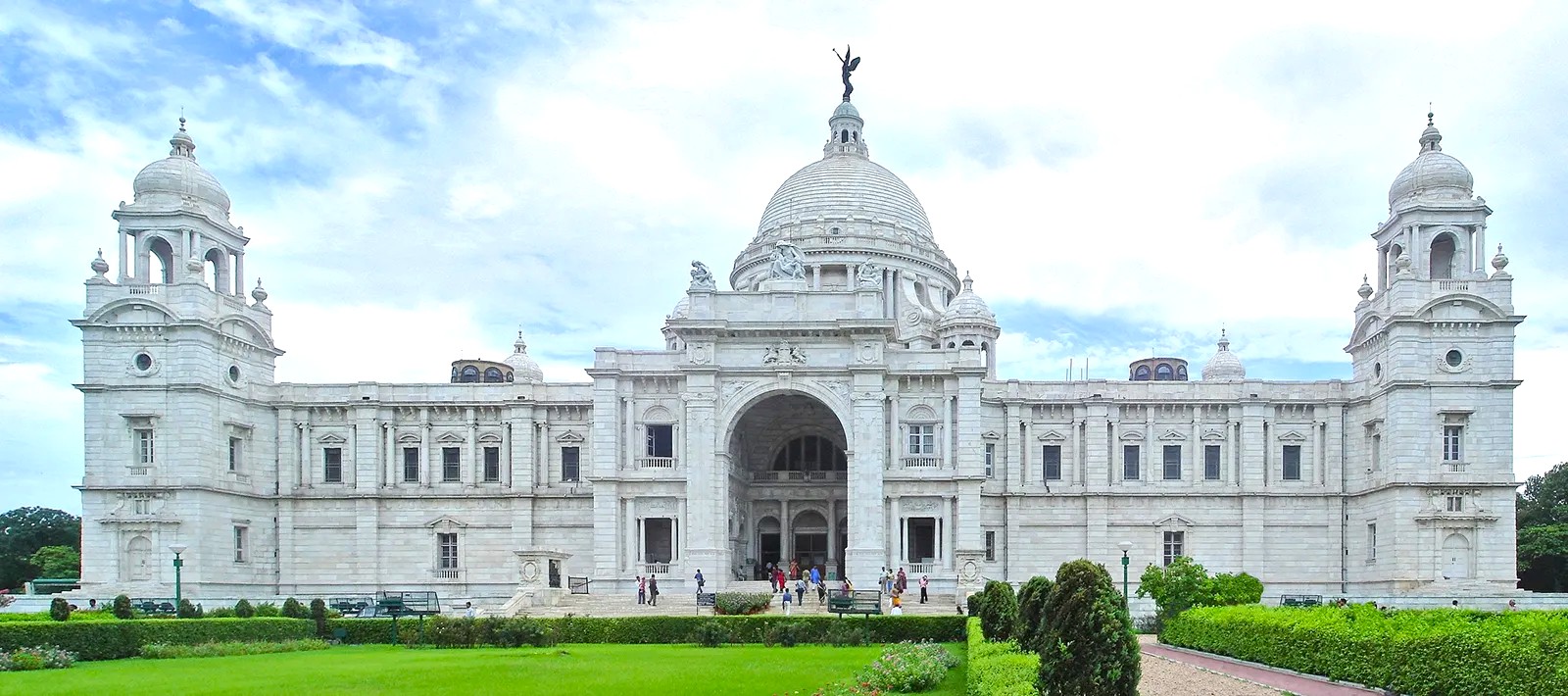
The city holds collections spanning colonial administration, Bengali cultural revival, and religious heritage. The Indian Museum, established in 1814, contains archaeological finds, rare manuscripts, and historical artifacts from ancient civilizations. Kalighat Kali Temple, dating to the early 19th century, draws pilgrims seeking blessings from the goddess Kali. St. Paul's Cathedral, consecrated in 1847, features Gothic Revival elements and memorial plaques. The Victoria Memorial, completed in 1921, houses paintings, sculptures, and documents from British India. Marble Palace, built in 1835, preserves European statuary, chandeliers, and paintings collected by Raja Rajendra Mullick.
Ancient Mosaics: Impeccable Craftsmanship
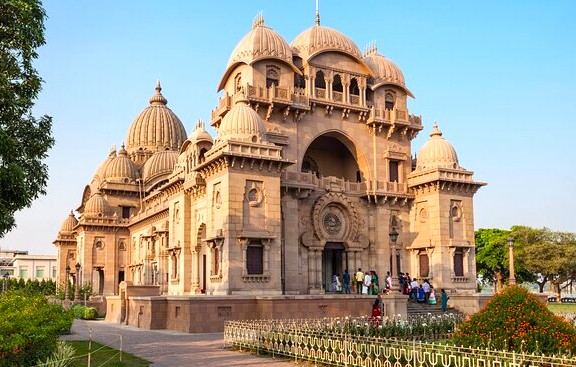
Terracotta temple panels from the 18th and 19th centuries demonstrate skilled artisans working in the Bengal Delta tradition. Craftsmen created intricate relief panels depicting mythological scenes, floral motifs, and daily life, affixed to temple exteriors across the region. The Marble Palace involved Italian craftsmen and local masons working with imported marble, glass, and metals during the 1830s. Calcutta India
The Pulse of the Local Community
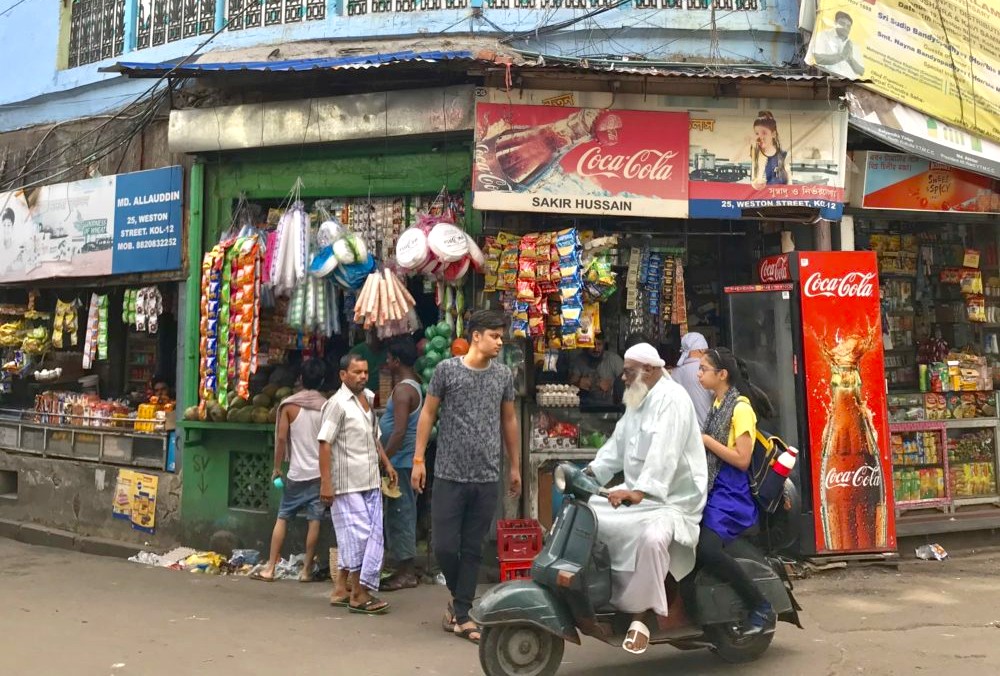
Daily routines center on street markets, tea stalls, and transportation hubs where people navigate crowded lanes and public transport. Morning fish markets operate along the river, supplying households and restaurants; vendors arrange fresh catches on ice while negotiating prices. Office workers commute via trams, buses, and the Metro, moving between residential neighborhoods and commercial districts. Small workshops produce textiles, metalwork, and printed materials; artisans work in family-run operations passed through generations. Tea stalls serve as gathering points where conversations cover politics, cricket, and neighborhood affairs.
Capturing the Magic: A Photographic Haven
The majestic Howrah Bridge’s intricate steel framework spans the Hooghly River, offering photographers dramatic, low-light perspectives during the golden hour of sunrise. Nearby, vintage tram cars navigate through Kolkata’s narrow, busy streets, providing dynamic compositions that evoke a sense of timelessness. Detailed terracotta temple facades, adorned with intricate relief work, invite a closer study of the region's artistic heritage.
A Culinary Journey: Savor the Flavour
Kolkata biryani distinguishes itself through the inclusion of boiled eggs and potatoes alongside meat, a local adaptation of Awadhi-style preparation. Basmati rice is parboiled, then layered with marinated mutton or chicken spiced with ginger, garlic, onions, yogurt, saffron, and ghee; potatoes and eggs are added to each serving. The dish cooks slowly in a sealed pot, allowing flavors to infuse. This version became popular during the 19th century when local cooks adapted royal recipes to available ingredients and regional tastes.
Festivals of Devotion: Honouring the Sacred and the Divine
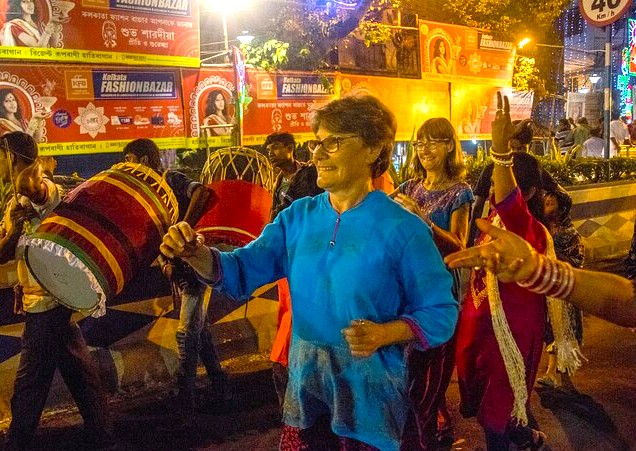
Durga Puja, typically held in September or October during the lunar month of Ashwin, transforms the city with elaborate temporary structures housing sculpted images of the goddess Durga. Artisans from Kumartuli spend months crafting clay idols depicting Durga slaying the buffalo demon Mahishasura, accompanied by her children Lakshmi, Saraswati, Ganesha, and Kartikeya. Families sponsor community pandals, commissioning decorative themes and lighting. Calcutta India
Ancient Technologies: Sacred Sound, Geometry & Astrological Influences
Historical religious structures in the region employed traditional construction methods using brick, terracotta, and lime mortar. Temple designs followed Bengali temple typologies - ratna (towered) and chala (hut-shaped) forms - with proportions based on customary measures. Acoustic properties in enclosed temple spaces allowed chanting and bell sounds to resonate, though specific frequency measurements like solfeggio scales (e.g., 528 Hz associated with transformation) are contemporary interpretations not documented in historical construction records. Terracotta panels and carved details followed geometric patterns - circular motifs, repeating floral designs - reflecting artisan traditions rather than codified sacred geometry systems.
The Connection With the Gods
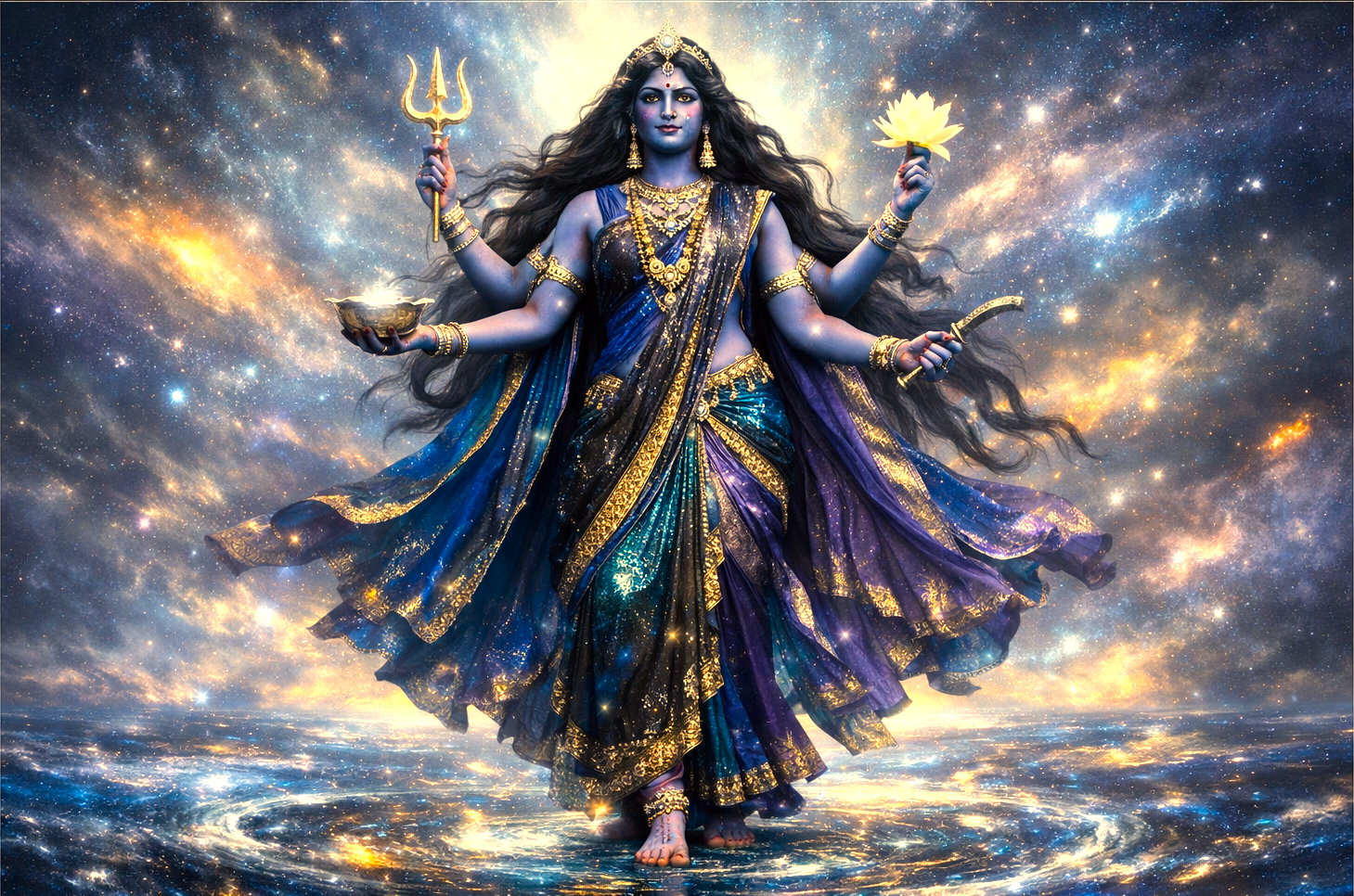
Kali, the fierce aspect of the divine feminine, holds primary religious association. The Kalighat Temple legend links the site to a body part of the goddess Sati, which fell here after Shiva carried her dismembered form across the cosmos. Pilgrims visit to seek Kali's blessings and protection. Durga, another manifestation of Shakti, appears in festivals celebrating her victory over Mahishasura, symbolizing the triumph of good over evil.
Serendipitous Meetings: Beyond the Main Path
Walking through neighborhoods reveals small-scale production: hand-loom weavers creating cotton textiles, metalworkers hammering brass utensils, and potters shaping clay vessels in Kumartuli, the artisan quarter where idol-makers work year-round preparing figures for religious festivals. Narrow lanes host printing presses producing books, pamphlets, and posters using manual typesetting and letterpress machines. Flower markets assemble garlands and offerings; vendors string marigolds and roses into intricate arrangements. Tea stalls serve chai brewed with milk, sugar, and spices, providing informal meeting spaces.
Resilience and Renewal: Overcoming Adversity's
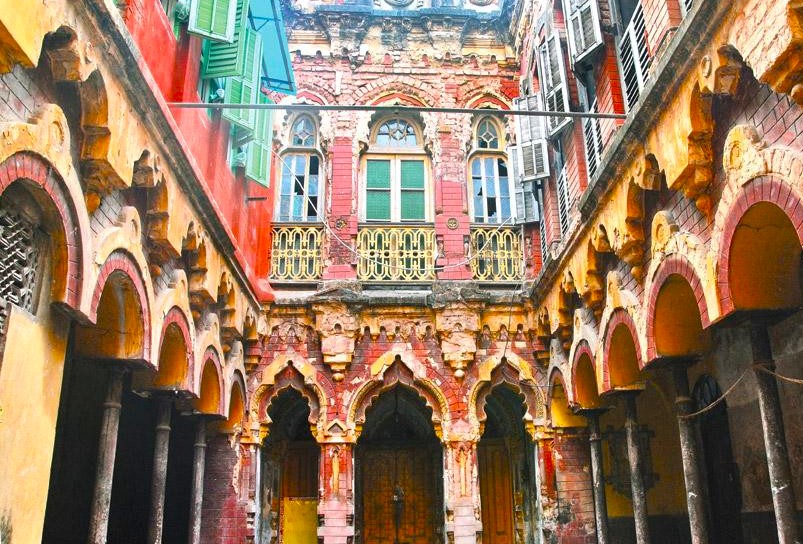
The Great Calcutta Killing in August 1946 resulted in communal violence between Hindu and Muslim communities, leaving thousands dead and neighborhoods destroyed: the event shaped Partition debates and migration patterns. The Bengal Famine of 1943 caused starvation, with over two million deaths due to wartime policies and supply failures. Cyclone and flood events periodically impacted the delta region; the 1737 cyclone caused severe damage, though records are incomplete. Calcutta India
Urban Legends: Strange Sightings, Myths and Mysteries
Stories circulate about the haunted corridors of Writer's Building, the former colonial administrative headquarters, where employees reported unexplained sounds and apparitions during night shifts. The National Library, housed in the former Belvedere Estate, carries tales of a ghost associated with the British-era governor's wife who allegedly died tragically on the premises; staff recount eerie encounters in certain wings. Nimtala Burning Ghat, the riverside cremation ground, features in narratives about wandering spirits and inexplicable lights seen at night. Local lore attributes supernatural occurrences to unsettled souls from historical events.
Fasten Your Seatbelt - Let’s Go To India
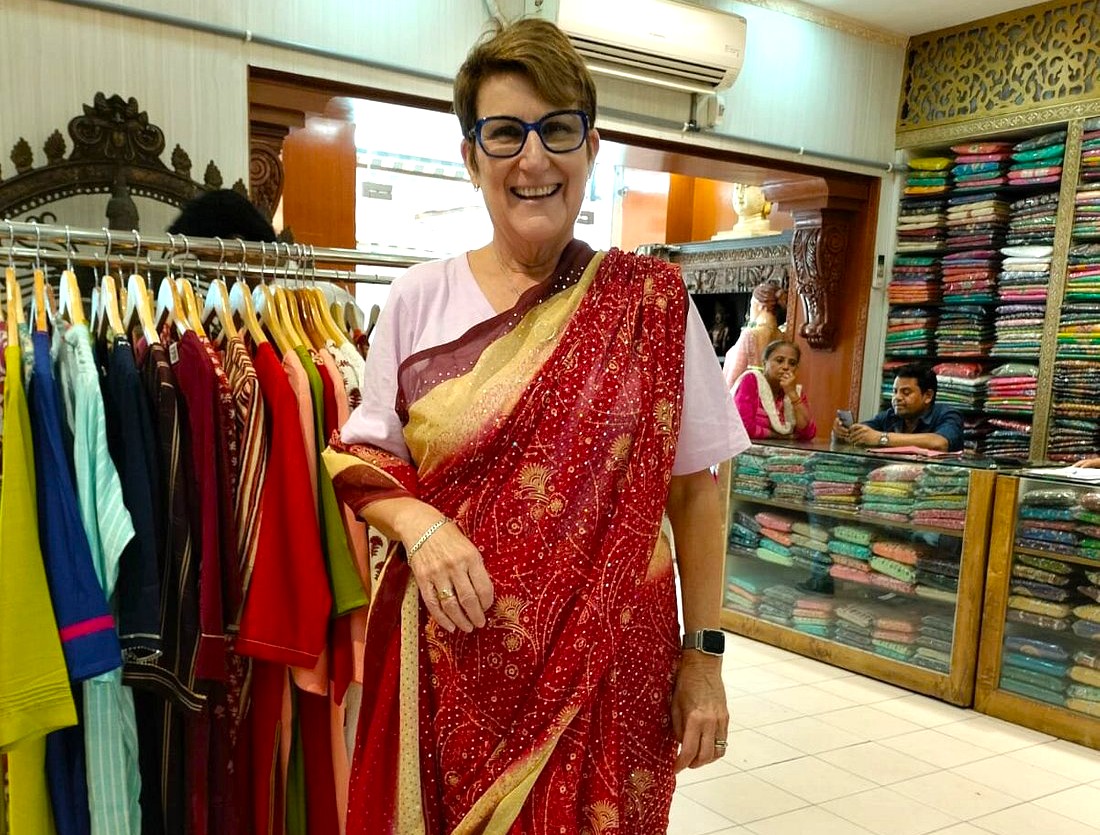
Kolkata’s charm lies in its unhurried pace and layers of history. You’ll find yourself wandering through North Kolkata’s labyrinthine lanes, where the scent of aging teak and printer’s ink from College Street’s book stalls fills the air. At sunrise, the Mullick Ghat flower market transforms the riverbank into a sea of marigold yellow, a striking sight against the steel of Howrah Bridge. We spend an afternoon in the cool marble halls or trace the delicate art of clay modeling in Kumortuli. Between bites of spicy kathi rolls and sips of street-side chai, the city’s vintage soul reveals itself, inviting you to linger just a little longer.
Symphony of Generosity: Offerings from Wanderers to Residents
Economic exchange occurs through accommodation fees, restaurant spending, transport fares, and purchases from craftsmen and vendors. Tourism supports livelihoods in hospitality, guiding services, and artisan production; idol-makers, weavers, and metalworkers gain income from sales to collectors and travelers. Cultural exchange happens through conversations at tea stalls, book discussions in literary cafes, and participation in festival events. Local residents provide navigation assistance, recommend authentic food establishments, and share historical knowledge. Financial input from outside spending sustains small businesses, craft workshops, and cultural institutions. In return, engagement with artistic traditions, culinary heritage, and urban history enriches understanding of regional culture and historical processes.
Step Inside The Story - View All Tour Itineraries & Details

We’re here to offer genuine, thoughtful guidance if your interested in travelling to India. As a small, dedicated team, we pay close attention to every detail so you can focus on enjoying the experience while we take care of the planning. We believe the best trips begin when someone truly listens to what you want and how you like to travel, so the journey feels right for you and contributes to a happy, positive group on tour. Our communication stays clear, straightforward, and respectful at every step, with the goal of helping you feel understood, supported, and confident from first contact to the end of your journey.
Click Catherine Frith - About The Founder
Click Discover Life Travel - All Tours and More
Click Why We Are Different - Unique, Safe, Transparent