
Ancient Encounters Tour India
Santa Catarina Chapel: Goa
Mother Masala Tours
A Short Walk into Old Goa’s Past
‘Santa Catarina’ refers to Saint Catherine of Alexandria, honoured on 25 November. This small Portuguese-era chapel is located in Old Goa (Velha Goa), Goa, India, within the UNESCO-listed Churches and Convents of Goa precinct. After earlier Hindu dynasties such as the Kadambas and later the Adil Shahi rulers of Bijapur, Afonso de Albuquerque took the city for Portugal on Saint Catherine’s Day in 1510. He ordered this commemorative chapel built that year. Old Goa later lost its role as the capital, and today the resident population here is far smaller than in its 16th‑century peak. Santa Catarina Chapel Goa
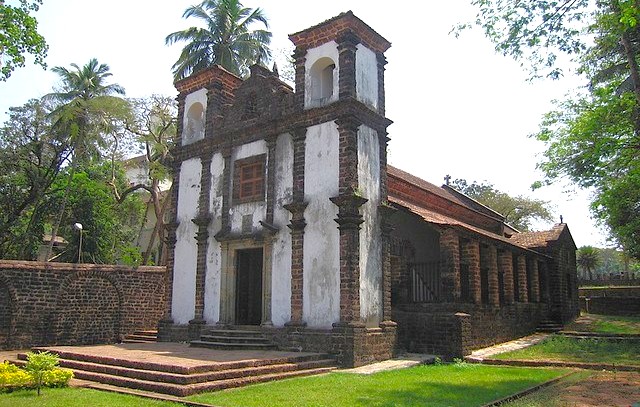
Sacred Spaces: Santa Catarina Chapel Goa
Step inside and you feel a peaceful, restful atmosphere that suits a notable commemorative shrine. The mood is reflective: plain masonry, a compact altar space, and the tight framework of a single-room structure keep your attention on quiet devotion rather than luxury. This edifice is positioned in Old Goa’s church precinct, close to the Church of St. Francis of Assisi, so you can move between sites on foot. It matters historically because it marks the 1510 turning point linked with Albuquerque. UNESCO includes it within the Churches and Convents of Goa listing, making it an important stop in that unique group. Its classic proportions give a beautiful, mystical, meaningful presence.
Ancient Mosaics: Impeccable Craftsmanship
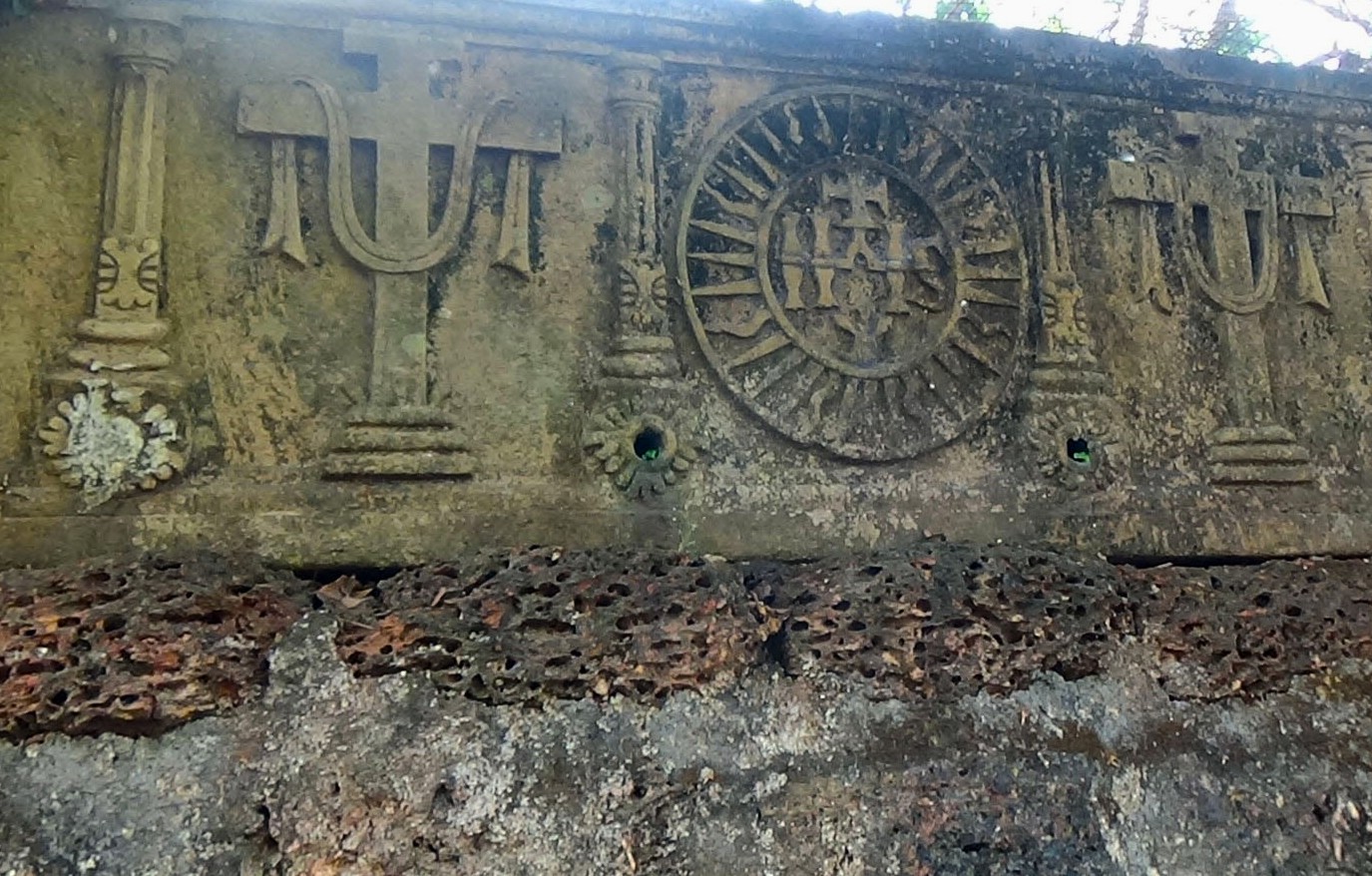
The build story is short and dated. Albuquerque ordered the first construction in 1510, and local church notes report it was enlarged in 1511. Individual craftsmen are not consistently named in surviving summaries, yet the artistry is still clear in the exquisite composition of the façade, the elegant arch forms, and the delicate plastered surfaces that soften heavy masonry. The craft you notice is structural: tight joints, balanced openings, and an economical building design made for a quick commemorative statement. Santa Catarina Chapel Goa
The Pulse of the Local Community
Around the heritage precinct, daily life feels active but not noisy. A small resident community keeps elements going: caretakers unlock doors, grounds staff sweep paths, and clergy move between nearby churches for services. You will also see guides and drivers coordinating groups, so the lanes can get swamped at peak hours even when the chapel itself stays calm. Outside those moments, the energy is relaxed, with tea stalls and small shops serving workers and travellers. The mix creates an engaging rhythm - heritage work, worship, and simple commerce - without pretending this is a big-city centre. By late afternoon the mood turns quiet again. On feast days, the area turns lively, energetic, and occupied.
A Culinary Journey: Savor the Flavour

After your walk, go for a classic Goan sweet: bebinca. It’s made from egg yolks, coconut milk, flour, sugar, and ghee, cooked in many thin layers so the final slice shows a striped formation. Each layer is browned before the next is added, so the process is slow and hands-on - an engaging kitchen activity rather than a quick bake. Pair it with tea, or with cashew-based feni if you want a local spirit (the drink is distilled from fermented cashew apples). These are substantial staples in Goan homes and bakeries, you’ll spot them near heritage routes.
Capturing the Magic: A Photographic Haven
Bring your camera for the whitewashed façade, the simple arched entry, and the way this small structure sits beside larger churches nearby. You can frame a classic composition by standing just off the path opposite St. Francis of Assisi, using clean lines as foreground. Early morning light often makes the scene stunning, almost spellbinding, and the quiet atmosphere can leave you transfixed for a moment. Santa Catarina Chapel Goa
Festivals of Devotion: Honouring the Sacred and the Divine
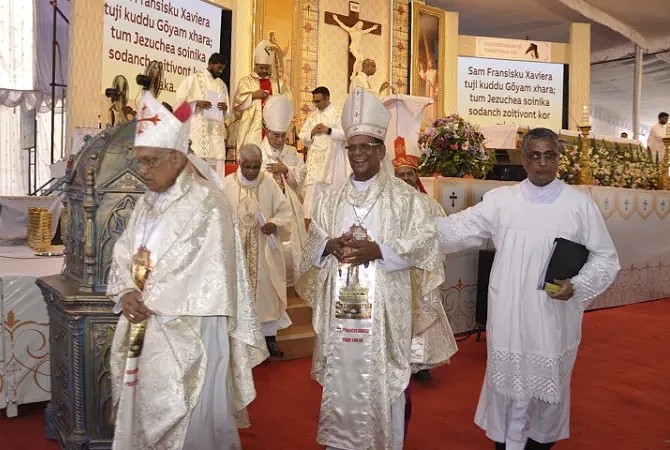
The key date tied to this chapel is 25 November, Saint Catherine of Alexandria’s feast day - the same day Albuquerque entered Goa in 1510. In Old Goa, the wider church calendar also draws crowds for Saint Francis Xavier on 3 December at the Basilica of Bom Jesus. On those dates the precinct becomes hectic, with processions, bells, and formal services across multiple churches; exact times are posted locally by the parish and diocesan offices. You will notice families arriving in groups, vendors setting up outside the main gates.
Serendipitous Meetings: Beyond the Main Path
Walking the lanes of Old Goa feels like moving through layers. Major churches are set in open squares, then you turn and find tucked away ruins, old walls, and shaded courtyards that hint at former convent compounds. The Archaeological Museum and portrait gallery in the area add context, linking objects to the surrounding framework of streets. Between sites you’ll pass steps, trees, and small stalls selling water, fruit, and souvenirs. It’s easy to get immersed because distances are short and signboards keep you oriented. The best moments come when you pause and notice the precinct stays occupied with daily upkeep. That activity keeps the mood relaxed, even on crowded days. Santa Catarina Chapel Goa
The Connection With the Gods
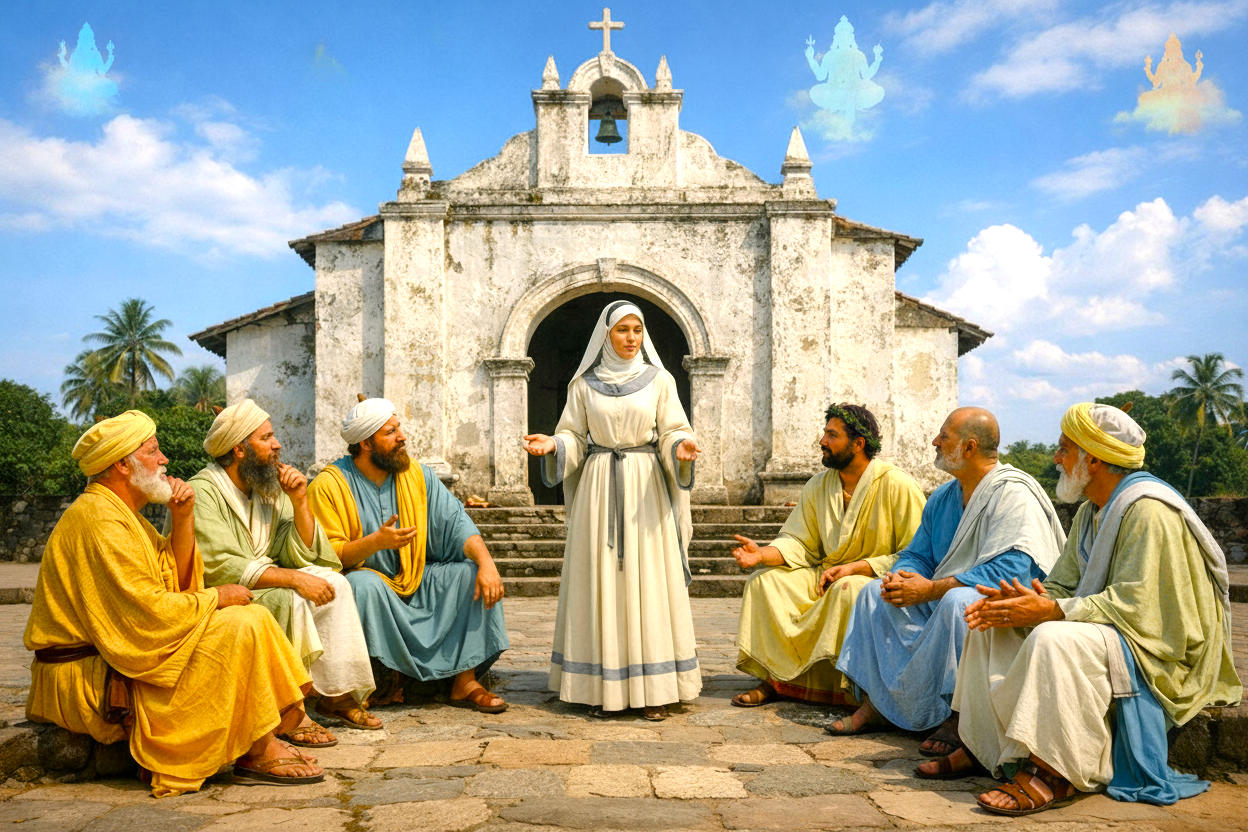
Dedication here centres on Saint Catherine of Alexandria, a learned Christian martyr in late-antique tradition. The story says she debated pagan philosophers, refused marriage to Emperor Maxentius, and was condemned to a spiked wheel: the device broke, and she was later beheaded. Whether you take that account as history or hagiography, it shapes the chapel’s magical pull: a space linked to steadfast conscience. In the broader precinct you’ll also see devotion directed to Jesus, Mary, and saints connected with Portuguese Goa.
Urban Legends: Strange Sightings, Myths and Mysteries
Old Goa is full of stories that sit beside recorded history. The best-known is linked to Saint Francis Xavier nearby: many people describe the long-preserved body as an incredible phenomenon, and some speak of a miracle, even though the churches present it within Catholic tradition rather than as proof. For this chapel’s patron, the legend of Catherine’s wheel - the instrument that breaks before her execution - often gets retold when her feast day returns. You may hear guides connect those two narratives: steadfast faith under pressure, and memory held in stone.
Resilience and Renewal: Overcoming Adversity’s
In 1510, the city changed hands in fighting that ended with Albuquerque taking Goa on 25 November. The chapel’s construction that year was a marker of that astonishing turn. Over the next centuries, Old Goa rose as a Portuguese capital, then declined as disease and migration pulled people toward healthier quarters. A later jolt came in 1835, when the Portuguese state suppressed many religious orders, disrupting convent life across the territory. By 1843 the administrative centre shifted to Panjim, leaving this precinct quieter and more dependent on care.
Our Adventure Begins, and You’re Invited to Be Part of It
Join us for a morning on the church circuit in Old Goa, starting with the Chapel of St Catherine inside the UNESCO Churches and Convents of Goa precinct. You’ll enjoy a simple, well-paced route that lets you take in the whitewashed façades, stone steps, and open courtyards under a bright sky. Expect a relaxed mood, plenty of time to reset in quiet corners, and a smooth finish with a nearby refreshment stop.
Symphony of Generosity: Offerings from Wanderers to Residents
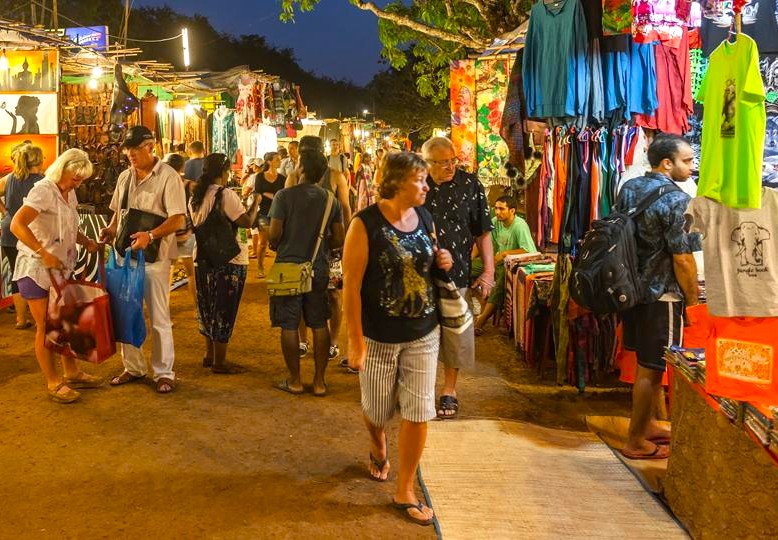
In a heritage precinct, the exchange is practical. Locals earn through guiding, driving, small-stall sales, and maintenance work, while guests get local knowledge that turns stone walls into readable history. Donations and ticket purchases (where charged at nearby museums) help fund repairs, cleaning, and security, which keeps the structures usable for worship and community events. When the lanes are lively, that shared courtesy matters as much as money. Done well, it’s a substantial loop: income supports care, and care keeps the place open for your next walk.
Step Inside The Story - View All Tour Itineraries & Details

We’re here to offer genuine, thoughtful guidance if your interested in travelling to India. As a small, dedicated team, we pay close attention to every detail so you can focus on enjoying the experience while we take care of the planning. We believe the best trips begin when someone truly listens to what you want and how you like to travel, so the journey feels right for you and contributes to a happy, positive group on tour. Our communication stays clear, straightforward, and respectful at every step, with the goal of helping you feel understood, supported, and confident from first contact to the end of your journey.
Click Catherine Frith - About The Founder
Click Discover Life Travel - All Tours and More
Click Why We Are Different - Unique, Safe, Transparent