
Ancient Encounters Tour India
Saint Francis Church: Goa
Mother Masala Tours
Where Faith Met the East
The name derives from Saint Francis of Assisi, founder of the Franciscan Order. Positioned in Old Goa, this sacred edifice stands where Portuguese colonizers first established their religious presence in 1510. Afonso de Albuquerque conquered this territory, transforming it into the capital of Portuguese India. Construction began in 1521 when eight Franciscan friars arrived, completing the original structure by 1521, with major renovations between 1661-1665. The building witnessed Portuguese rule spanning 451 years until 1961. Through centuries of monsoons and political upheaval, this structure has endured alongside approximately 300,000 people who now call this coastal region home, blending Konkani traditions with Portuguese heritage. Saint Francis Church Goa.
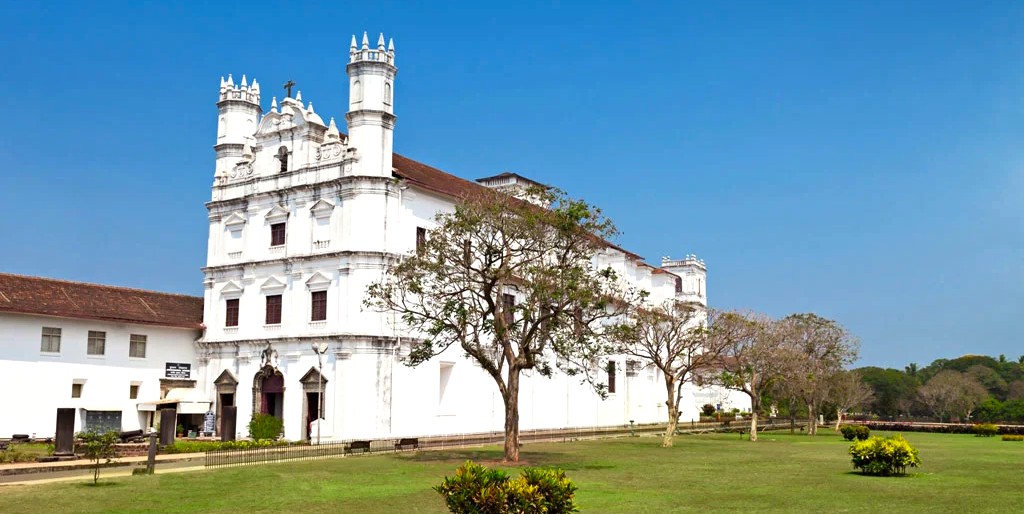
Timeless Artifacts: Saint Francis Church - Goa
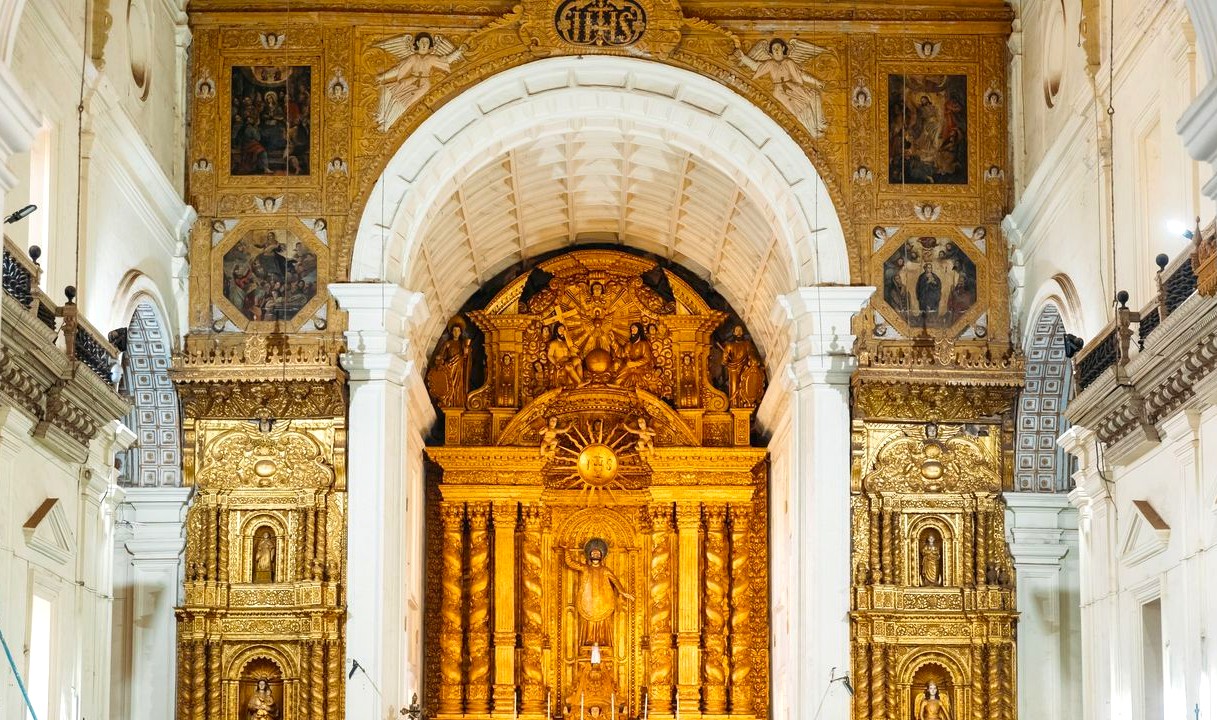
Stepping inside, you'll find yourself surrounded by religious artifacts dating back four centuries. The interior houses paintings depicting the life of Saint Francis, crafted by anonymous Portuguese artists during the 17th century. Hand-carved wooden altars line the walls, displaying intricate floral patterns typical of Indo-Portuguese craftsmanship. The main altar features gilded woodwork that has survived humid tropical conditions. Stone tablets with Portuguese and Latin inscriptions mark burial sites of colonial administrators and clergy. This location forms part of a UNESCO World Heritage Site designated in 1986. The Archaeological Museum now occupies this space, displaying colonial-era sculptures, portraits of Portuguese viceroys, and ceremonial objects.
Ancient Mosaics: Impeccable Craftsmanship
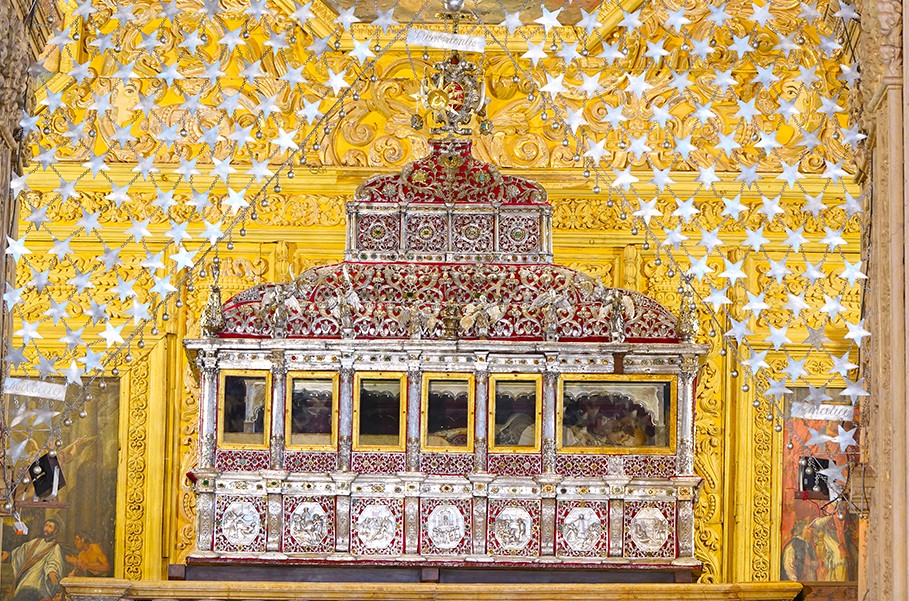
Frescoes covering the walls reveal artistic talent from the 1660s renovation period. Local Goan artisans worked alongside Portuguese masters to create these narrative scenes, employing natural pigments extracted from local minerals and plants. The ceiling features geometric patterns combining European baroque sensibilities with indigenous design elements. Master craftsman João Correia supervised much of the decorative work between 1661-1665, training local apprentices in European artistic techniques. Saint Francis Church Goa.
The Pulse of the Local Community
Goans living nearby maintain a relaxed rhythm shaped by centuries of cultural fusion. Families rise early to fish in the Mandovi River or tend small vegetable plots behind Portuguese-style houses. Konkani remains the primary language, though Portuguese phrases pepper everyday conversation among older residents. Women gather at community wells, sharing news while children play football in open courtyards. Many locals work in tourism-related enterprises, serving as guides or operating small eateries. The population practices a unique blend of Catholic traditions inherited from colonial times and Hindu customs predating European arrival. Afternoon siestas remain common, honoring the Portuguese practice of escaping midday heat.
Capturing the Magic: A Photographic Haven
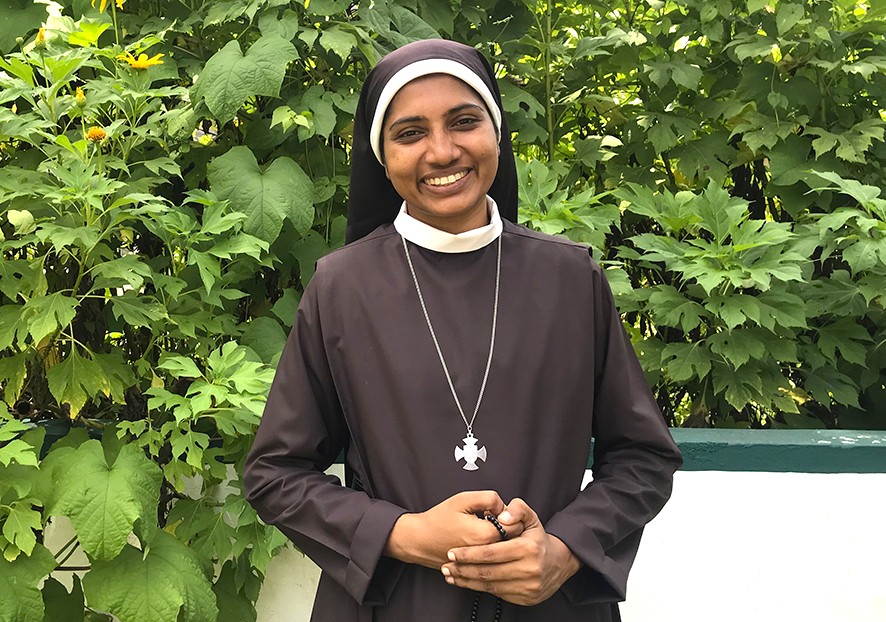
Your camera will capture baroque doorways with weathered wooden panels, ornate gilded altars catching afternoon light, and stone inscriptions marking centuries past. The facade's composition offers stunning symmetry, while interior frescoes provide rich color contrasts. Arched corridors frame peaceful courtyard views. The museum's collection presents endless photographic opportunities documenting artistic evolution across four centuries. Natural light filters through high windows, illuminating carved details and creating dramatic shadows that enhance the atmospheric mood of this sacred space. Saint Francis Church Goa.
A Culinary Journey: Savor the Flavour
Bebinca, the quintessential Goan dessert, awaits your palate in nearby establishments. This layered pudding requires patience - seven to sixteen thin layers of coconut milk, eggs, sugar, ghee, and flour, each baked individually before adding the next. Nuns in colonial convents perfected this recipe during the 16th century, using ingredients from local coconut groves and Portuguese culinary techniques. The process demands constant attention, with each layer requiring precise timing to achieve the characteristic golden-brown finish. Its fame stems from the labor-intensive preparation and rich, custardy texture that melts on your tongue, embodying the fusion cuisine defining this region. Saint Francis Church Goa.
The Connection With the Gods

Saint Francis of Assisi, born Giovanni di Pietro di Bernardone in 1181, founded the Franciscan Order devoted to poverty and service. His connection to this place stems from Portuguese friars who carried his teachings across oceans to establish missions in newly conquered territories. The saint's philosophy of humility and compassion toward all creation resonated with local populations. Portuguese colonizers also introduced devotion to Our Lady of Immaculate Conception, whose shrine stands nearby. Saint Cajetan, an Italian priest who arrived in 1640, influenced religious practices here.
Festivals of Devotion: Honouring the Sacred and the Divine
The Feast of St. Francis unfolds annually on October 4th, drawing Catholic communities from across the state. Families attend special masses held at various churches throughout Old Goa, dressed in their finest traditional attire. Processions wind through narrow streets as participants carry statues and religious banners, accompanied by brass bands playing hymns. The feast of Our Lady of Immaculate Conception on December 8th brings thousands to nearby churches. Easter celebrations span Holy Week, featuring dramatic reenactments of biblical events. Local Catholics observe these traditions with deep reverence, maintaining customs established by Portuguese missionaries centuries ago.
Serendipitous Meetings: Beyond the Main Path
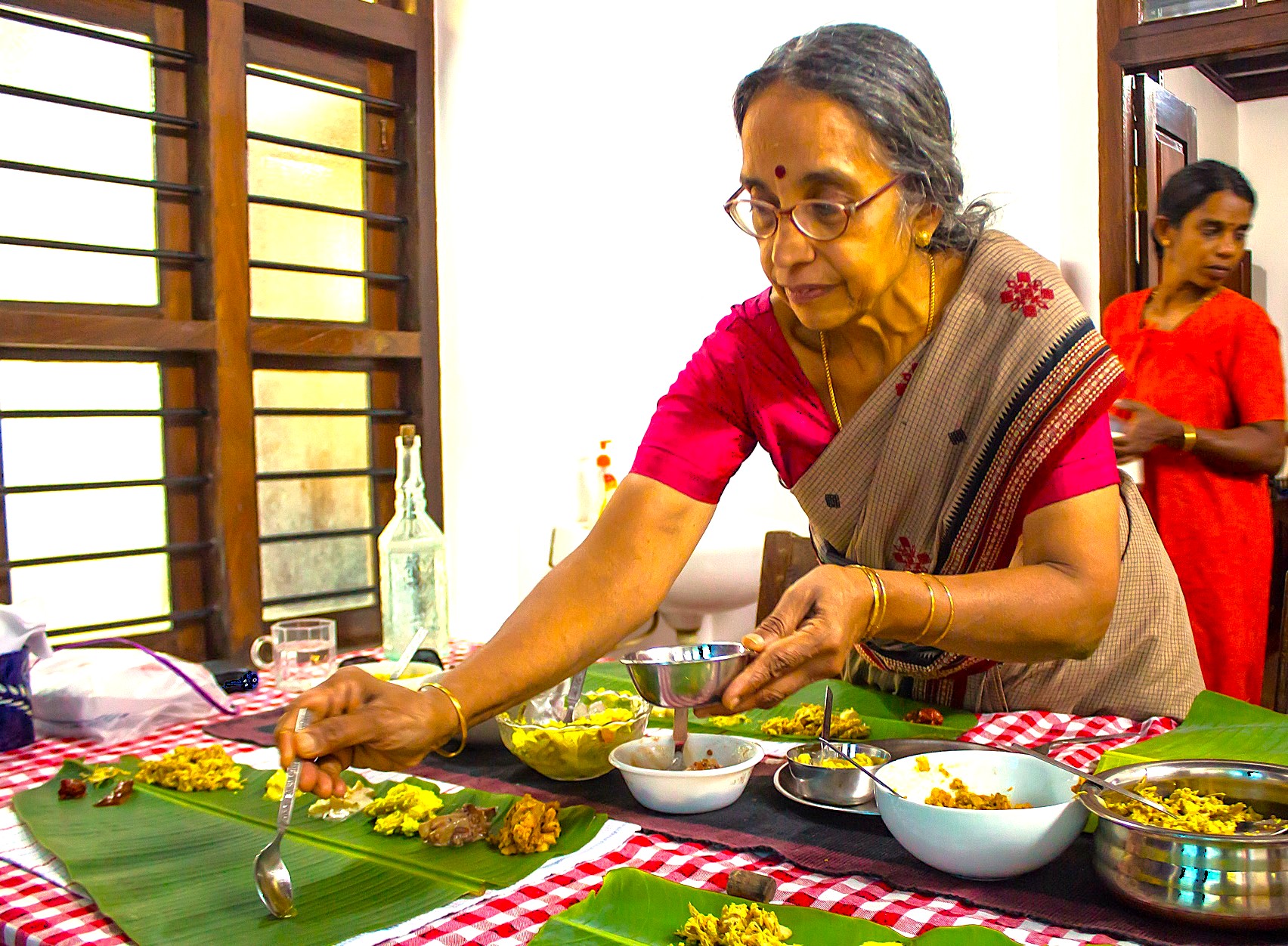
Walking through the surrounding lanes of Old Goa, you'll discover small workshops where artisans restore antique furniture using traditional joinery methods. Local craftsmen operate tiny studios producing hand-painted ceramic tiles that replicate Portuguese designs from centuries past. A small printing press still functions on one narrow street, producing religious pamphlets using letterpress techniques. Women embroider lace in doorways, their needles creating intricate patterns passed down through generations. Saint Francis Church Goa.
Sacred Sound Frequencies
The structure employs principles of acoustic resonance through its vaulted ceilings and thick laterite stone walls, which naturally amplify voices during religious ceremonies. Portuguese architects designed the layout using sacred geometric proportions common in Renaissance religious buildings. The building materials - laterite blocks quarried locally, lime mortar mixed with jaggery and egg whites - create thermal mass that maintains cool interior temperatures. Similar baroque churches demonstrate acoustic properties producing standing waves at 528 Hz when voices harmonize during liturgical chants. This frequency, the "MI" tone, is associated with transformation. The geometric configuration of archways and domed spaces creates these resonant frequencies naturally through careful design.
Resilience and Renewal: Overcoming Adversity's Challenges
In 1543, a massive fire swept through portions of Old Goa, destroying several wooden structures but sparing the stone building. The 1635 epidemic devastated the population, reducing the once-thriving capital to a fraction of its former size. Monsoon flooding in 1695 damaged foundations, requiring extensive repairs that took years to complete. The abandonment of Old Goa as capital in 1759, when officials relocated to Panaji due to disease outbreaks, left many religious buildings neglected.
Urban Legends: Strange Sightings, Myths and Mysteries
Local residents speak of a Franciscan friar whose apparition appears in the courtyard during full moons, walking the perimeter as if performing evening prayers. Fishermen claim to have witnessed unexplained lights floating above the structure during certain nights, particularly around feast days. One persistent tale involves a Portuguese soldier named Miguel Ferreira who, according to oral tradition, hid stolen gold within the walls before dying suddenly in 1654. Despite centuries of searching, no treasure has surfaced. Another story describes mysterious footsteps echoing through empty corridors after midnight, attributed to a nun who supposedly died of heartbreak when separated from her family.
Pack Your Bags, We're Going, and You're Invited
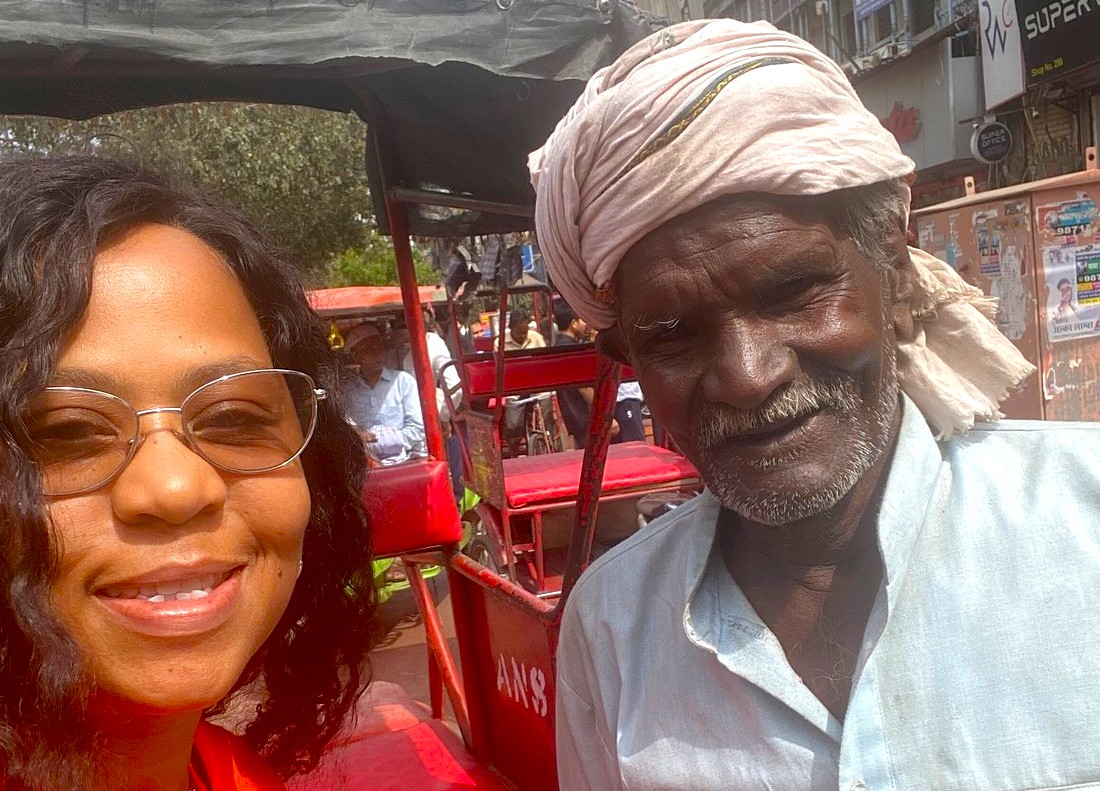
Join us as we explore this peaceful corner where centuries converge in stone and memory. Your footsteps will follow those of Portuguese conquistadors, Franciscan missionaries, and countless souls who sought spiritual refuge within these walls. We're walking through corridors where colonial governors once prayed, where local converts first embraced foreign traditions, where artistic fusion created something entirely unique. This journey takes you beyond typical tourist circuits into the authentic atmosphere of a place that witnessed empires rise and fall. Saint Francis Church Goa.
Symphony of Generosity: Offerings from Wanderers to Residents
Your presence supports local economies through accommodation fees, restaurant meals, guide services, and handicraft purchases. Families operating small guesthouses receive income that sustains their households and funds children's education. Artisans selling handcrafted souvenirs gain financial stability rare in rural regions. In exchange, you receive authentic cultural experiences—cooking lessons with local families, traditional feni tastings, guided walks revealing hidden details. This interchange preserves traditional skills by making them economically meaningful. Your entry fees fund ongoing conservation work. Local guides share knowledge passed down through families, offering insights no textbook provides. The relationship proves mutually enriching: communities maintain heritage while generating income.
Step Inside The Story - View All Tour Itineraries & Details

We’re here to offer genuine, thoughtful guidance if your interested in travelling to India. As a small, dedicated team, we pay close attention to every detail so you can focus on enjoying the experience while we take care of the planning. We believe the best trips begin when someone truly listens to what you want and how you like to travel, so the journey feels right for you and contributes to a happy, positive group on tour. Our communication stays clear, straightforward, and respectful at every step, with the goal of helping you feel understood, supported, and confident from first contact to the end of your journey.
Click Catherine Frith - About The Founder
Click Discover Life Travel - All Tours and More
Click Why We Are Different - Unique, Safe, Transparent