Unique Insights Into The Religions Of India
Saint Francis Xavier: India
Discover Life Travel
The Apostle of the East
The name Goa originates from the Sanskrit word Gomantak, meaning a fertile land or a region of cows. This coastal territory is positioned on the western shores of India, specifically along the Mandovi River. Long before the Portuguese arrived, the land was governed by the Kadamba Dynasty and later the Adil Shahi Dynasty of Bijapur. St. Francis Xavier reached this region in 1542, during a time when the population was experiencing a substantial shift in religious practices and social order. Today, the population of Goa is approximately 1,817,000 people according to recent records. This history involves the transition from Sultanate control to a European administrative framework, marked by the construction of massive stone churches and the establishment of new trade routes. Saint Francis Xavier India
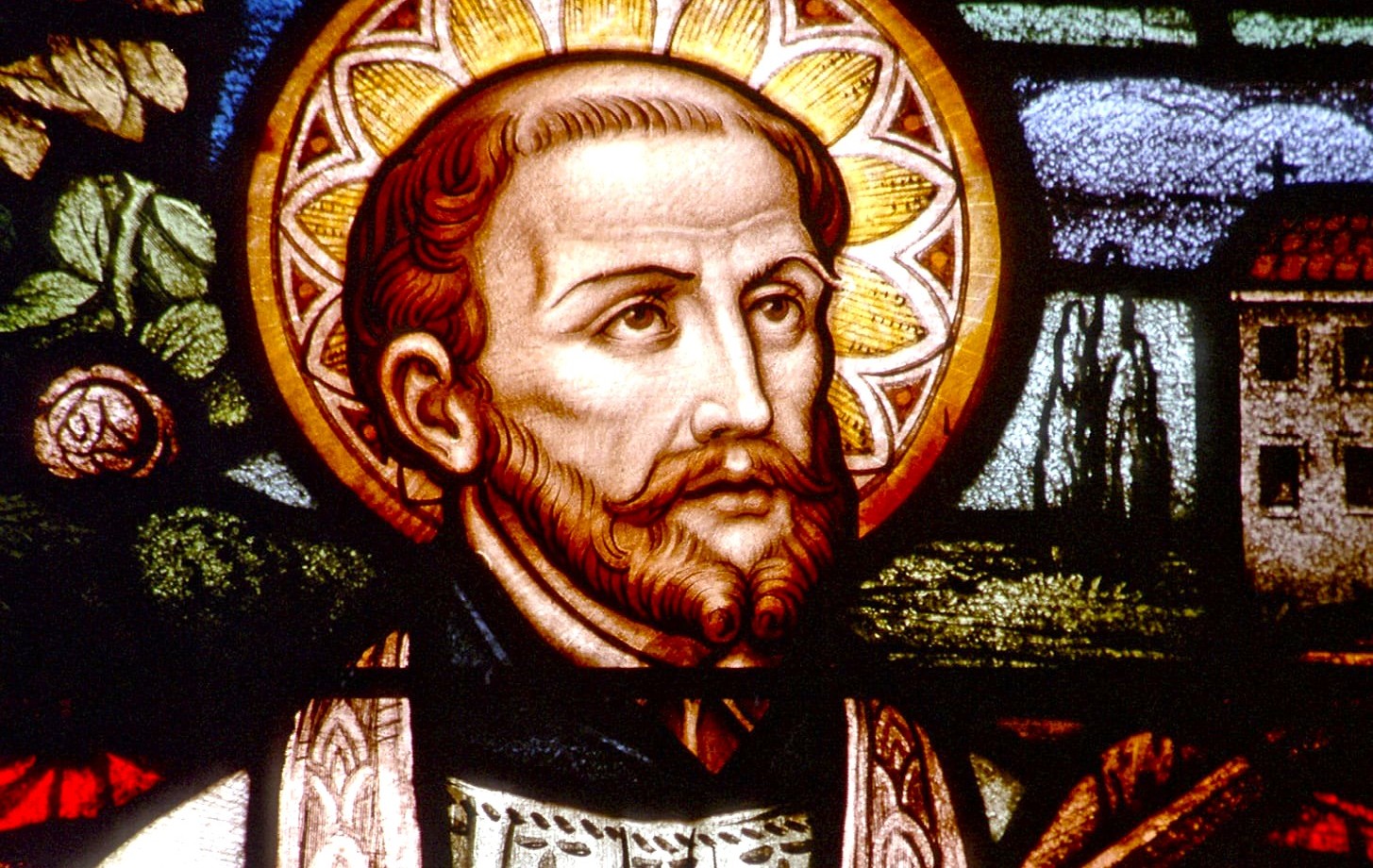
Saint Francis Xavier India: Roots of the Fertile Coast
Before the sixteenth century, the region was an active hub for the horse trade and spice exchange. Archaeological evidence shows that the local residents lived in well-organized villages, relying on rice farming and fishing. The pre-history details involve the rule of the Kadamba house, where characters like King Guhalladeva and Jayakesi I managed the coastal ports. These early leaders established the social stability needed for the rise of maritime commerce. The population lived in dwellings made of laterite and wood, focusing on the seasonal monsoon cycles. This ancient foundation provided the grounding for the spiritual changes that occurred when the new religious orders arrived on these shores.
Shadows of the Adil Shahi
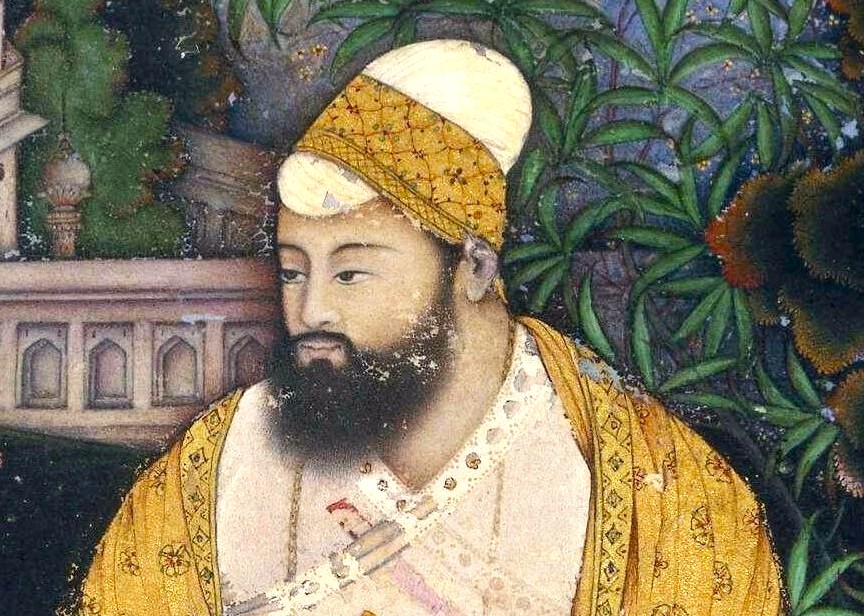
In the decades before 1510, the region was governed by the Adil Shahi Dynasty. Yusuf Adil Shah established a palace in Panaji, where the royal family lived in substantial luxury. The daily life of the royal court involved the king, his queen, and their children following a refined etiquette governed by Persian and local customs. The leader was occupied with matters of state and the defense of the trade routes. The population was a lively mix of merchants and farmers who used sophisticated water systems for irrigation. These systems were vital for the residents, as the Mandovi River provided the necessary resources for agriculture and ritual purity. Saint Francis Xavier India
Francis Xavier
Francis Xavier was born on April 7, 1506, at Xavier Castle in the Kingdom of Navarre, in what is now northern Spain, the youngest son of a noble family. His father served as a royal counselor, and the family enjoyed considerable wealth and status until war between Navarre and Castile devastated their fortunes and partially destroyed their castle during his childhood. At age nineteen, Francis left home for the University of Paris, arriving around 1525 to study philosophy at the Collège de Sainte-Barbe. There he proved a gifted, ambitious student, drawn more to worldly success and academic distinction than to religious life. It was in Paris that he shared lodgings with Peter Faber and, crucially, met Ignatius of Loyola, a fellow Basque considerably older than him. Ignatius persistently challenged Francis's ambitions, eventually winning him over to a life of spiritual devotion.
From Ambition to Devotion
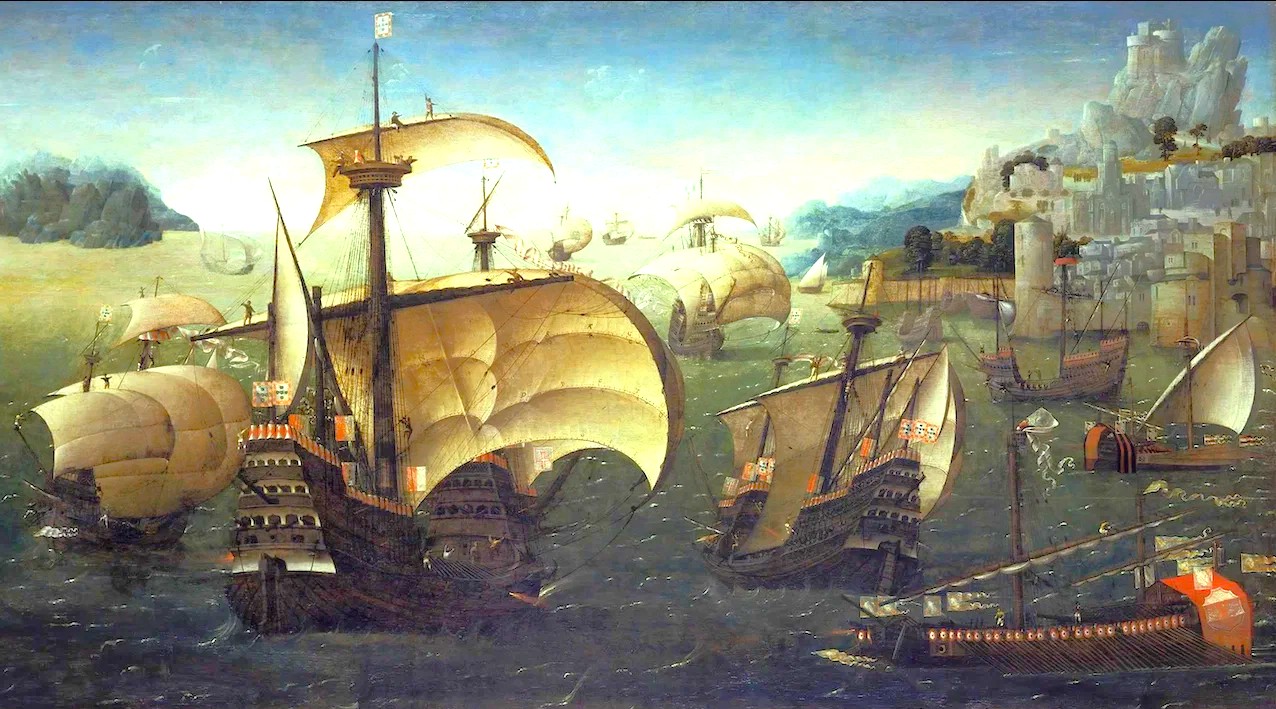
Francis Xavier's journey to India began with the papal-sanctioned Portuguese missionary enterprise. King John III of Portugal requested Jesuits to evangelize in Portuguese India, and Ignatius of Loyola selected Francis after another candidate fell ill. Pope Paul III appointed him apostolic nuncio to the East. Francis departed Lisbon on April 7, 1541, his 35th birthday, aboard a Portuguese vessel bound for Goa. The voyage was arduous, rounding the Cape of Good Hope, with stops along the East African coast, and lasted over a year. He arrived in Goa in May 1542, becoming the first Jesuit missionary in Asia. From there, he began evangelizing along the Fishery Coast among pearl divers, launching his broader Asian mission. Saint Francis Xavier India
The Arrival of the Bells
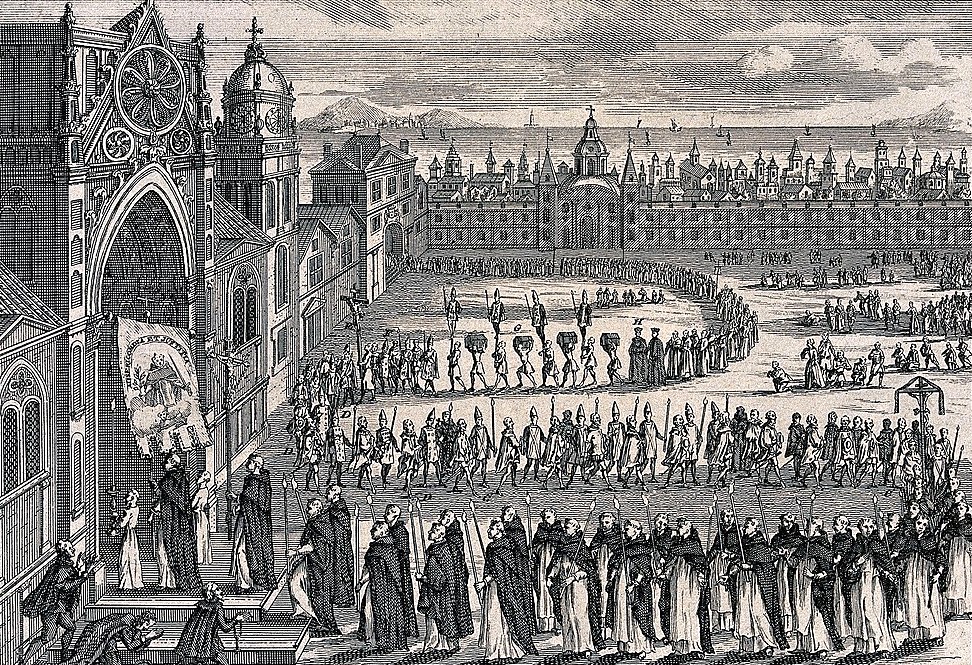
He found a city that was nominally Christian but morally lax, with many Portuguese settlers living far from Church teachings and largely ignoring the local population's spiritual needs. Xavier began his work among the local residents, focusing on the poor and the sick. He utilized simple teaching methods, often ringing a bell to gather children and laborers for instruction. This period saw the first formal steps toward a substantial religious transition that would define the coastal culture for centuries. He reorganized the training of clergy at the College of Holy Faith, using it to prepare missionaries and educate converts. He walked through the streets ringing a bell, calling children and servants to catechism. Within months, he moved south to the Fishery Coast, extending his mission to the Paravas, a pearl-diving community already nominally converted but poorly instructed in the faith.
Challenges of Strength
Francis Xavier faced formidable obstacles throughout his missionary work. Language was a constant barrier: he never mastered Tamil or Japanese fluently, often relying on interpreters, hastily translated prayers, or gestures to communicate core doctrine. Resources were scarce, and he worked largely without adequate funding, trained clergy, or institutional support from Rome or Lisbon. The Portuguese colonial presence complicated his mission, as settlers' exploitation, greed, and poor moral example undermined the credibility of Christianity among local populations. He encountered hostility and occasional violence, including from Hindu priests and local rulers threatened by conversions, and later, in Japan, from Buddhist monks. Tropical disease, exhausting sea voyages, and physical hardship took a steady toll on his health. Despite baptizing tens of thousands, he often lamented the impossibility of providing converts with proper ongoing instruction and pastoral care. Saint Francis Xavier India
A Miracle in Goa
In Goa, one widely recounted miracle tells of a poor family's young son who fell gravely ill and died. Grief-stricken, they brought the child's body before Francis Xavier, pleading for his intervention. According to hagiographic tradition, Xavier prayed over the boy, who was then restored to life, astonishing onlookers and drawing crowds eager to witness the missionary responsible. No contemporary record verifies the event in detail, but it became a central testimony during his canonization process. Though rooted in later accounts rather than eyewitness documentation, it helped cement Xavier's reputation among Goan Catholics as a miracle-worker even before his 1622 sainthood.
The Incorrupt Body
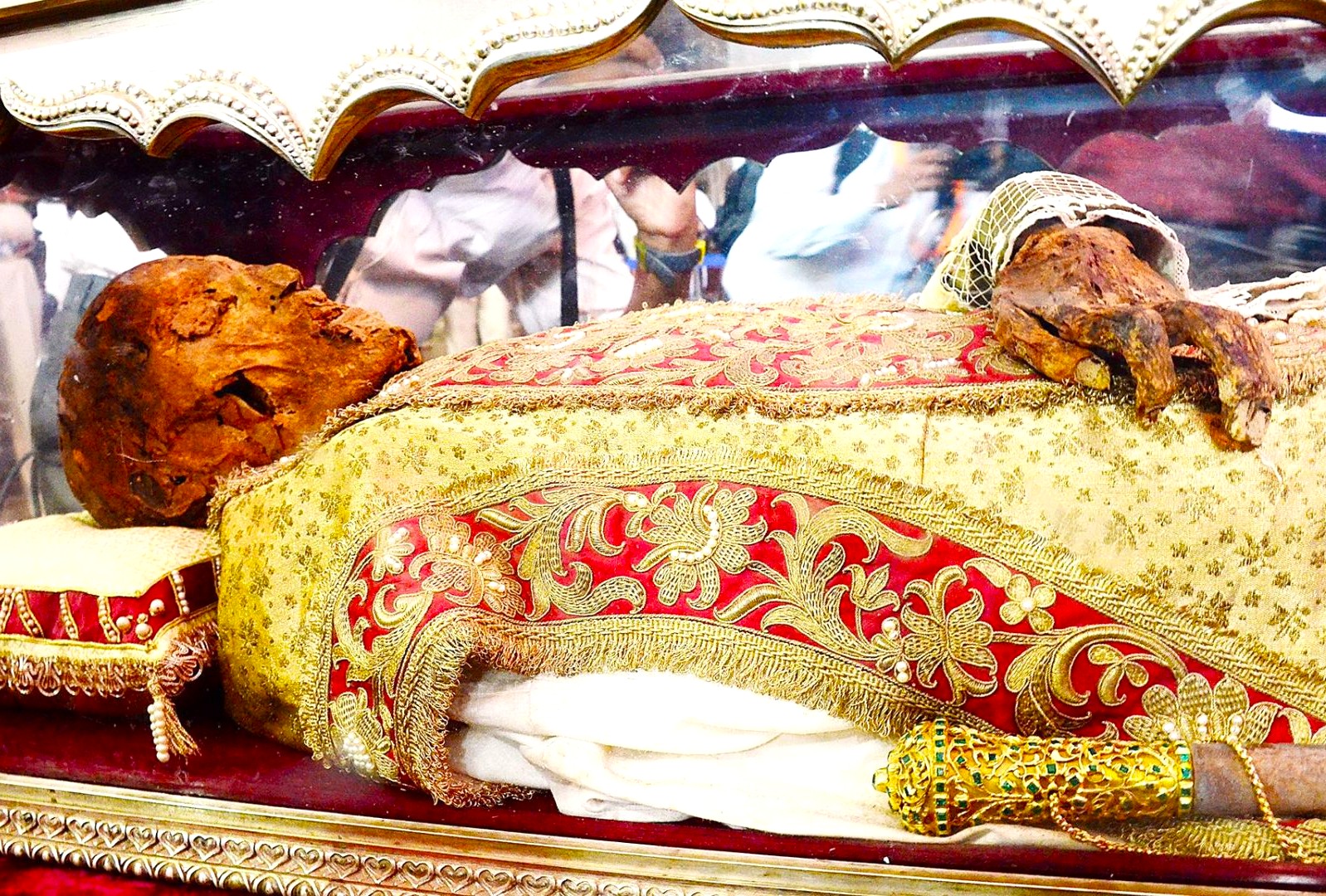
Francis Xavier's canonization process attributed numerous miracles to him, both during his lifetime and posthumously. Reports from his missionary years describe healings of the sick, and some accounts claim he raised several people from the dead in India and the Moluccas, though these stories rest largely on later hagiography rather than contemporary documentation. The most famous miracle concerns his body itself: after his death on Sancian Island in December 1552, his corpse was found remarkably incorrupt when exhumed months later and transported to Goa, where it remains enshrined in the Basilica of Bom Jesus. Pilgrims have long venerated it as miraculous preservation. Additional miracles, including healings attributed to his intercession, were formally investigated and accepted by the Church during his beatification in 1619 and canonization in 1622, alongside Ignatius of Loyola.
Construction of the Sacred Edifice
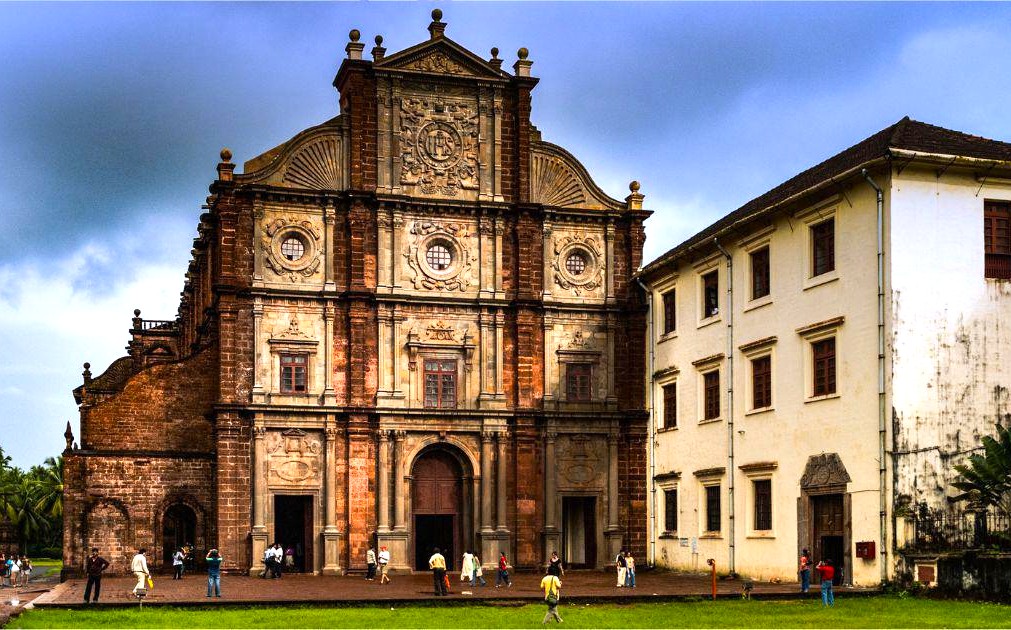
The Basilica of Bom Jesus was not yet built during Francis Xavier's lifetime, so he never preached within its walls. Construction began in 1594 and was completed in 1605, over fifty years after his death in 1552, specifically to house his revered remains in Goa. The Jesuits commissioned it in Baroque style, and it holds particular significance as one of the first churches in India to adopt this architectural form, with an ornate gilded interior contrasting its relatively plain façade. His incorrupt body was transferred there in 1613, placed in a silver casket crafted by Goan silversmiths, mounted in a marble mausoleum donated by the Medici family. The basilica became, and remains, the epicenter of Xavier veneration, drawing pilgrims especially during the decennial Exposition of his relics.
Seasons of the Miraculous Word
Two major annual celebrations define the calendar for this community, marking the life and the passing of the saint. The Feast of St. Francis Xavier is held on December 3, with the main Mass often occurring at 10:00 AM. During these times, the population gathers from all over the country to prepare offerings and share in the shared resources. Another meaningful event is the Exposition of the Body, which occurs every ten years, attracting thousands of people. The preparation of food is an engaging communal activity, creating a spellbinding atmosphere in the city. These festivals provide a meaningful rhythm to the year, focusing on the amazing legacy of the historical missions. Saint Francis Xavier India
Step Inside The Story - View All Tour Itineraries & Details
We’re here to offer genuine, thoughtful guidance if your interested in travelling to India. As a small, dedicated team, we pay close attention to every detail so you can focus on enjoying the experience while we take care of the planning. We believe the best trips begin when someone truly listens to what you want and how you like to travel, so the journey feels right for you and contributes to a happy, positive group on tour. Our communication stays clear, straightforward, and respectful at every step, with the goal of helping you feel understood, supported, and confident from first contact to the end of your journey.
Click Catherine Frith - About The Founder
Click Discover Life Travel - All Tours and More
Click Why We Are Different - Unique, Safe, Transparent