Unique insights Into The Religions Of India
Christianity In India
Discover Life Travel
Central Tenets of the Faith
Christianity, as one of the world’s largest religions, is founded on the profound beliefs about God and Jesus Christ. Central to Christian doctrine are the notions of monotheism, the Trinity, the incarnation, and the significance of Jesus's life, death, and resurrection. This overview delves into these key beliefs, illustrating how they shape the faith and practices of millions around the globe. Christianity In India
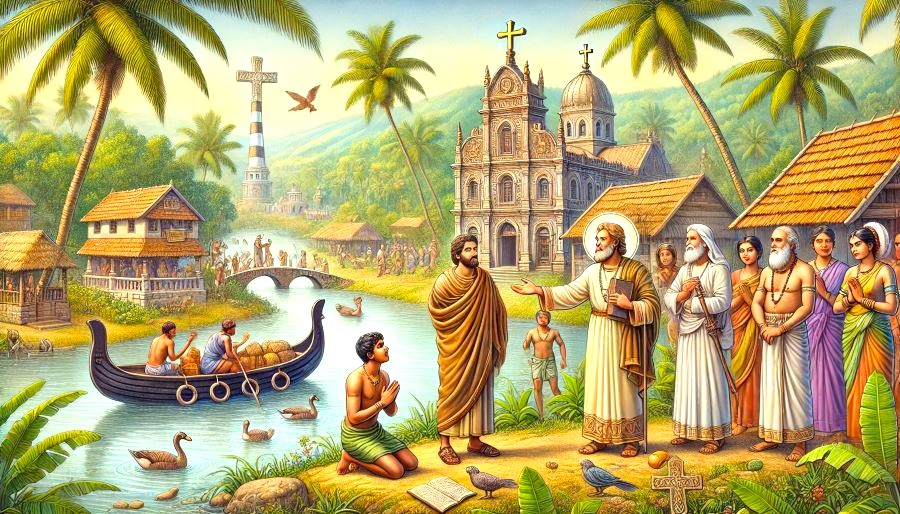
Christianity In India: One God Beliefs
At the heart of Christianity is the belief in one God, who is the creator of the universe and all that exists within it. This conviction is rooted in the Old Testament, particularly in the Shema, a declaration of faith from the Hebrew Scriptures that states, "Hear, O Israel: The Lord our God, the Lord is one" (Deuteronomy 6:4). Christians believe that God is eternal, omnipotent (all-powerful), omniscient (all-knowing), omnipresent (present everywhere), and omnibenevolent (all-loving). These attributes underscore the nature of God's relationship with humanity, emphasizing a loving creator who desires a personal connection with His creation.
The Trinity: God in Three Persons
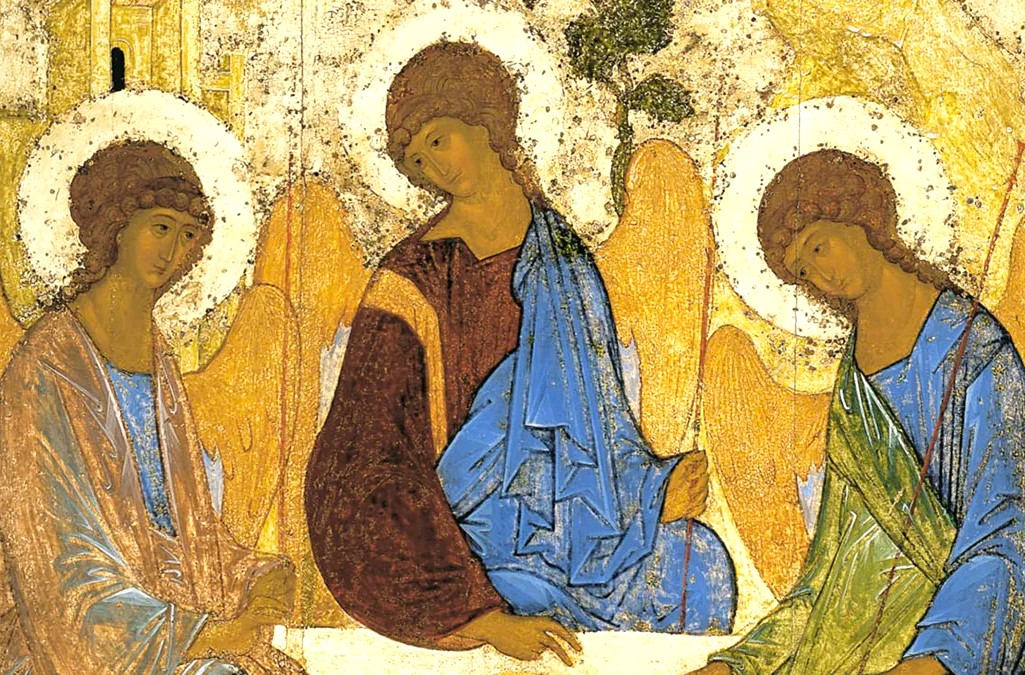
Christianity uniquely identifies God as a Trinity, coexisting in three persons: God the Father, God the Son (Jesus Christ), and God the Holy Spirit. This doctrine signifies that while each person is distinct, they are of one essence and fully God.
- God the Father is viewed as the creator and sustainer of the universe, initiating the covenant with humanity and revealing His nature through the law and prophetic messages.
- God the Son, Jesus Christ, is believed to be God incarnate. His life on earth, teachings, sacrifices, and resurrection showcase God’s love and His plan for redemption.
- God the Holy Spirit is considered the active presence of God in the world today, guiding, teaching, and empowering believers. The Holy Spirit plays a crucial role in the believer's life, helping them grow spiritually and understand God's will.
The Birth of Jesus: The Incarnation
Christian belief holds that Jesus was born in Bethlehem around 4 BCE. His birth is celebrated during Christmas and is regarded as the incarnation of God -God becoming flesh (John 1:14). Christians believe that Jesus was born of a virgin, Mary, through the divine intervention of the Holy Spirit. This event signifies the mysterious union of divine and human natures in one person. Christianity In India
The Early Life of Jesus
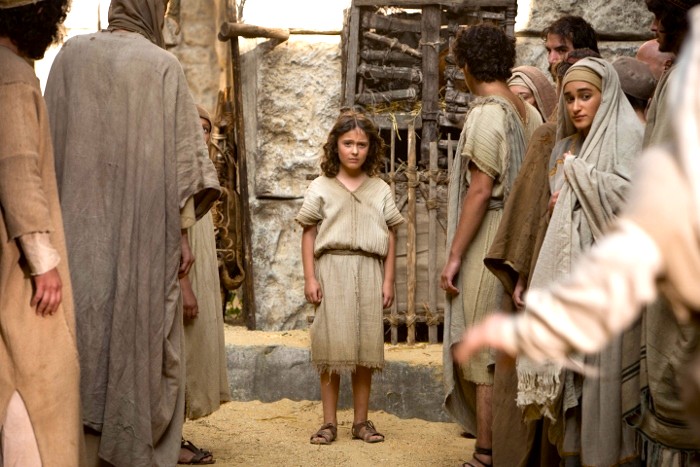
Jesus spent his childhood in Nazareth, a modest town set among the hills of Galilee. Scripture offers only fragments of these early years, painting him as a devout Jewish boy raised within the customs and rhythms of his faith. One episode stands apart: at twelve, he traveled with his family to Jerusalem for Passover and remained behind in the Temple, seated among the religious teachers, asking questions and offering answers that left listeners astonished at his understanding (Luke 2:41-52). This brief account serves as the sole surviving window into his youth, hinting at depths that would later define his ministry.
The Ministry of Jesus: Love and Teachings
Beginning around the age of 30, Jesus commenced his public ministry, which lasted for about three years. His teachings emphasized themes of love, forgiveness, mercy, and the Kingdom of God. He called people to a radical love for one another, famously summarized in the commandment to "love your neighbor as yourself". Jesus often used parables, simple stories with moral lessons, to illustrate spiritual truths. Through miracles - such as healing the sick, casting out demons, and even raising the dead - Jesus demonstrated his authority and compassion, confirming his identity as the Son of God. Christianity In India
The Significance of the Cross: The Passion Narrative
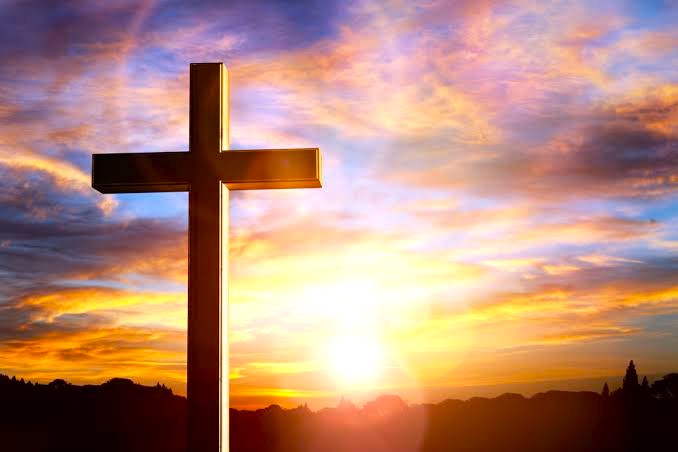
The climax of the Christian story is found in the events surrounding Jesus’s crucifixion, commonly referred to as the Passion. Around 30 CE, Jesus confronted the religious leaders and authorities of his time. His growing popularity and radical messages prompted fear and hostility from those in power. Betrayed by Judas Iscariot, one of his disciples, Jesus was arrested and put on trial. He faced accusation under both Jewish and Roman law, ultimately being sentenced to crucifixion - a method of execution reserved for the most severe offenders. Christians believe that Jesus’s death on the cross was a sacrifice for the sins of humanity, fulfilling the prophetic words of Isaiah 53, which speaks of the "suffering servant." The crucifixion is essential to Christian belief as it signifies atonement - Jesus taking upon himself the sins of the world, offering humanity a path to reconciliation with God.
The Resurrection: Victory Over Death
Celebrated as the cornerstone of Christian faith, the resurrection of Jesus occurred three days after his death, marking the triumph over sin and death. According to the Gospels, on the first Easter morning, women who followed Jesus arrived at the tomb to find it empty. They were greeted by angels who proclaimed that Jesus had risen. The resurrection proves Jesus’s divinity and serves as the foundation for Christian hope in eternal life. Christians believe that through faith in Jesus and his resurrection, individuals can achieve eternal life, promising that death is not the end but rather a transition into a new existence with God. Christianity In India
The Ascension and Promise of the Holy Spirit
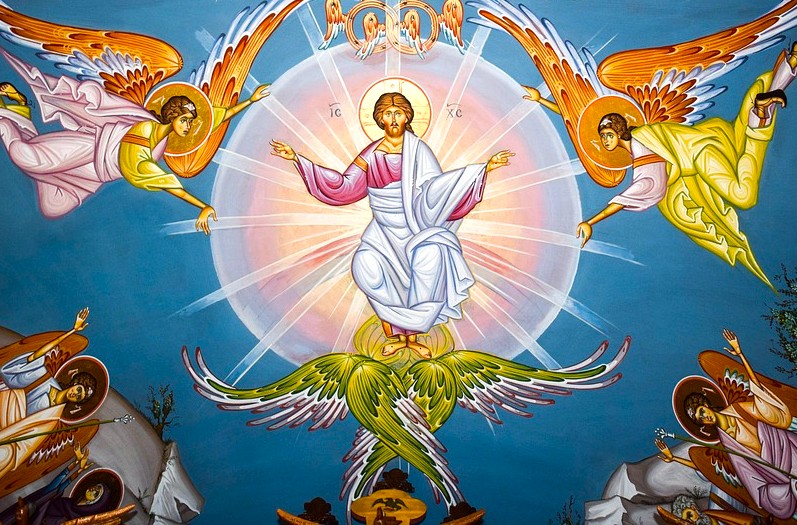
After appearing to his disciples and followers for forty days post-resurrection, Jesus ascended into heaven, where he reigns alongside God the Father. Before ascending, he instructed his followers to spread the Good News (gospel) to all nations, known as the Great Commission. Jesus also promised the coming of the Holy Spirit, who would empower and guide believers. This promise was fulfilled on Pentecost, when the Holy Spirit descended upon the apostles, enabling them to preach and perform miracles. This event marked the birth of the Christian Church and the beginning of its mission to share the teachings of Jesus worldwide.
Salvation: The Central Theme
Within Christianity, the concept of salvation is pivotal. Christians believe that salvation is a free gift from God, granted through His grace. This belief signifies that individuals cannot earn salvation through their actions but receive it through faith in Jesus Christ. The Apostle Paul, a key figure in early Christianity, articulated this belief in several of his letters, "For by grace you have been saved through faith, and that not of yourselves; it is the gift of God, not of works, lest anyone should boast."
Repentance and New Life

Christianity places repentance at the center of spiritual life, describing it as a process beginning with honest recognition of one's own sinfulness. This awareness leads to a deliberate turning away from wrongdoing and a corresponding turn toward God, marking a genuine shift in orientation rather than a fleeting emotion. Such transformation opens the way to a renewed existence, guided by the presence of the Holy Spirit working within the believer. From this foundation, Christians find themselves called to embody Christ's teachings directly, expressing love, justice, and mercy through the ordinary choices and encounters that shape daily life.
The Role of the Church: The Body of Christ
In Christianity, the Church is viewed as the Body of Christ, a community of believers called to support one another and spread the message of the Gospel. The Church serves as a place of worship, fellowship, teaching, and service to others. Through the practices of baptism and Eucharist (Communion), the Church embodies the sacraments instituted by Christ as signs of grace and symbols of commitment to the faith. Baptism represents an individual's initiation into the community, while the Eucharist serves as a reminder of Christ's sacrifice and the new covenant established through his blood. Christianity In India
The Roots of Christianity in India
Christianity is one of the world's major religions, and it holds a unique position in India as the third-largest religion in the country. With over 26 million adherents, Christians make up approximately 2.3% of the Indian population, according to the 2011 census. The history of Christianity in India is rich and complex, intertwined with social, cultural, and political trajectories that reflect the diversity of Indian society. It encompasses ancient traditions, significant historical events, and a contemporary landscape marked by both growth and challenges.
Early Roots: The Arrival of Christianity
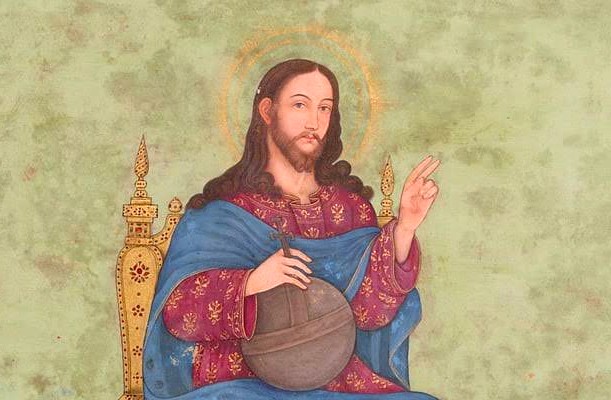
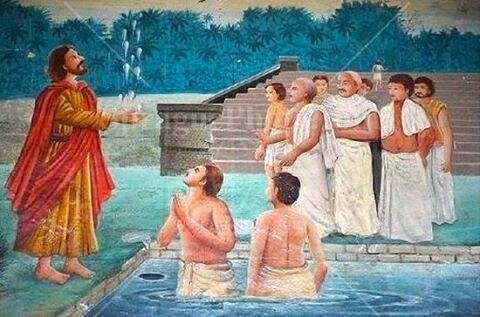
Christianity is believed to have made its first entry into India through St. Thomas, one of the twelve apostles of Jesus Christ. According to tradition, St. Thomas arrived on the southwestern coast of India, near Mumbai, in 52 CE. He is said to have traveled to Kerala, where he established several Christian communities and baptized many converts. The Syrian Christian community, also known as St. Thomas Christians, traces its origins to these early missions. The legacy of St. Thomas is still visible today, particularly in Kerala, where many local churches celebrate the festival of St. Thomas with great fervor. Important historical sites, such as the San Thome Basilica in Chennai, believed to be built over his tomb, underline the importance of his role in Indian Christianity.
The Growth of Christianity: Early Communities
In the centuries following St. Thomas's arrival, Christianity continued to spread throughout the Indian subcontinent, primarily in the southern states of Kerala and Tamil Nadu. The early Christians in India built their communities around existing trade routes, making it easier for missionaries and traders to connect with local populations. Christianity In India
The Formation of Syrian Christian Traditions
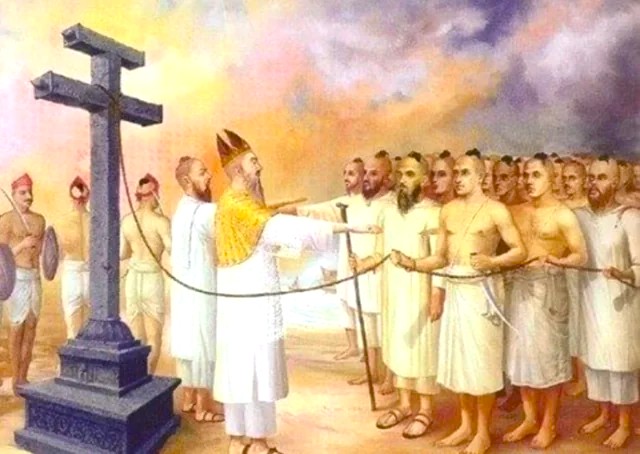
The early Christian communities in India began to form distinct traditions, markedly influenced by the Syriac liturgical heritage. This cultural fusion resulted in the development of unique practices, music, and ecclesiastical structures within the Syro-Malabar and Syro-Malankara churches. Catholic and Orthodox denominations emerged, establishing their liturgical practices and administrative frameworks while coexisting with the broader Indian cultural context. The Malabar Coast became a significant center of Christian activity, fostering the development of various church organizations and educating the local populace.
Portuguese Influence: 16th Century
The dynamics of Indian Christianity shifted dramatically with the arrival of the Portuguese in the 15th century. Their approach to conversion involved both evangelization and colonial domination. St. Francis Xavier, a prominent missionary, arrived in India in 1542 and played a significant role in spreading Christianity in Goa and throughout coastal regions. The Goa Inquisition (1560-1774) illustrated the complexities of Portuguese colonial rule, where the authorities sought to root out heresy among both Hindus and Christians. This often resulted in forced conversions and societal tensions, which would have long-lasting impacts on the Christian community in India. Christianity In India
British Colonialism: 18th and 19th Centuries
British rule, beginning in the 18th century, brought further changes to Christianity in India. Missionaries from different denominations arrived, establishing schools, hospitals, and churches. Missions led by the Church of England, Baptists, and Methodists contributed to the spread of Christianity, emphasizing social reforms and education. The contributions of missionaries in areas such as healthcare and education played a crucial role in modernizing society and eradicating practices like sati (the burning of widows on their husbands' funeral pyres). These efforts garnered increased respect for Christianity among some sections of Indian society, while also leading to resistance from those who viewed missionaries as agents of Westernization.
The Impact of Christianity on Indian Society
Christian missionaries established numerous educational institutions and hospitals in India, significantly impacting literacy and public health. Schools like St. Stephen's College in Delhi (founded in 1881) and Christian Medical College in Vellore (founded in 1900) became centers of excellence, providing education and medical care to both Christians and non-Christians. These contributions fostered social mobility and opened doors for many underprivileged groups, including women and lower-caste individuals, who benefited from educational opportunities that had previously been inaccessible.
The Modern Era: Diversity and Challenges
After India gained independence in 1947, Christianity continued to play a significant role in the nation. The Constitution of India guarantees freedom of religion, allowing Christians to practice their faith openly. However, communal tensions have also surfaced, particularly in states such as Uttar Pradesh and Chhattisgarh, where incidents of violence against Christians have increased. Christianity In India
The Rise of Hindu Nationalism
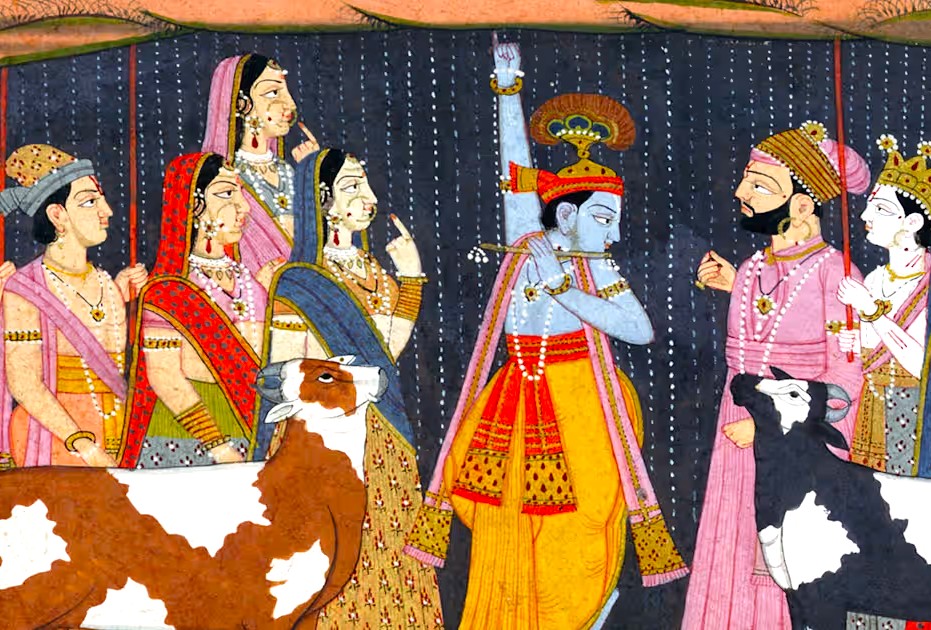
The late 20th and early 21st centuries have seen a rise in Hindu nationalism, leading to intensified scrutiny and, at times, hostility towards Christian communities. Reports of violence against Christians, particularly in rural areas, have increased. Churches have been attacked, and cases of forced conversions have become a point of concern, leading to debates over anti-conversion laws enacted in several states. Despite these challenges, the Indian Christian community remains resilient, continuing to promote peace, interfaith dialogue, and social justice. Organizations like COPT (Christian Outreach and Pastoral Training) actively work towards fostering understanding and community among different religious groups.
Christianity: A Diverse Landscape - Denominations and Traditions
Christianity in India is characterized by its vast diversity, including various denominations such as:
- Catholicism: The largest Christian stream in India, encompassing both Latin and Eastern Catholic churches.
- Protestantism: Emerging from the Reformation, Protestant denominations include Baptists, Methodists, Lutherans, and Pentecostals.
- Orthodox Churches: Groups like the Malankara Orthodox Syrian Church and the Syrian Orthodox Church preserve ancient liturgical traditions.
Festivals and Cultural Expressions
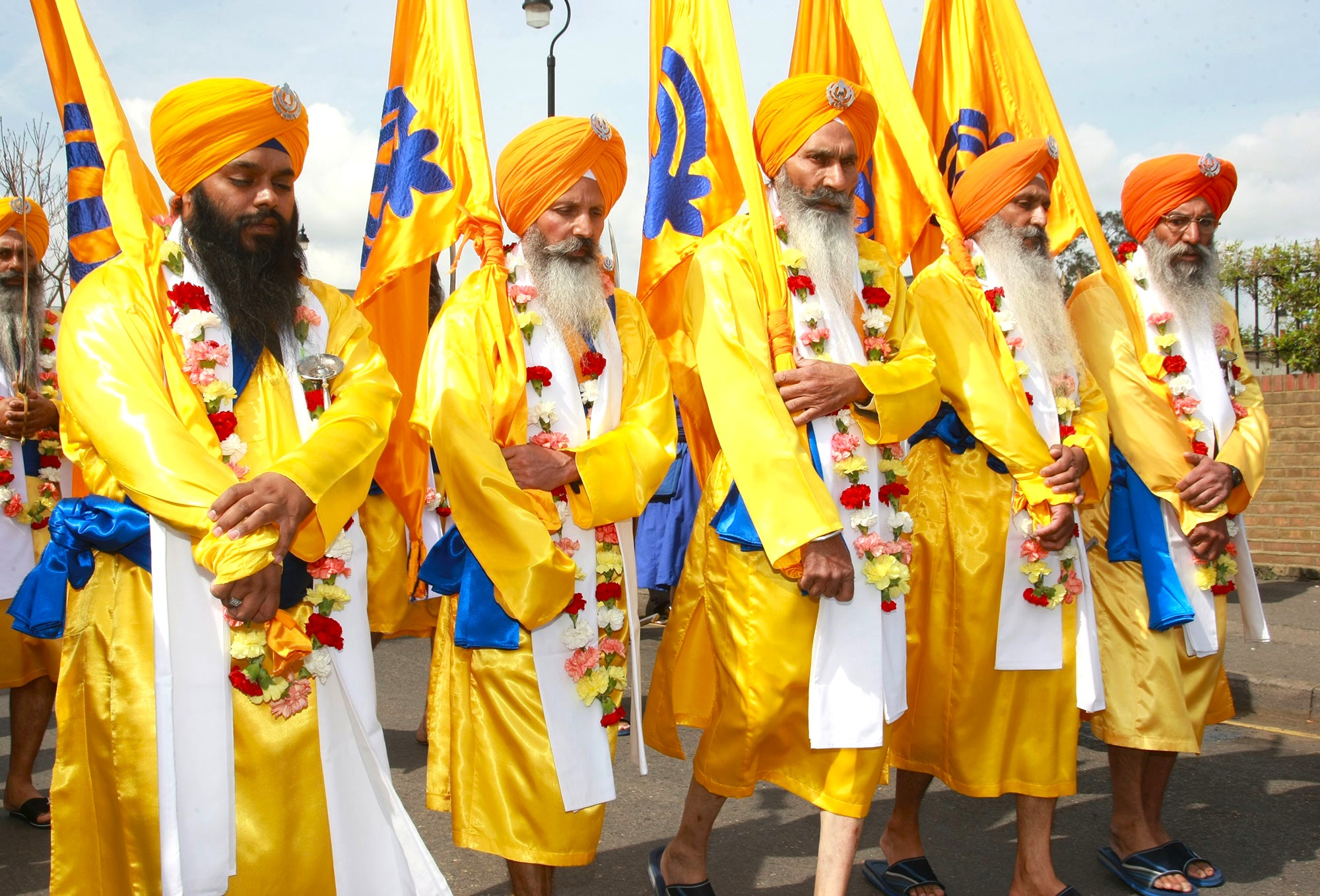
Christian festivals, such as Christmas and Easter, are celebrated with great enthusiasm in India, showcasing a blend of Christian and local cultural elements. In Kerala, for example, traditional dances and music are incorporated into celebrations, reflecting the rich cultural heritage of the state. In addition to festivals, Christian art, music, and literature in India have flourished, contributing to the country’s diverse cultural landscape. Creative expressions often draw inspiration from biblical themes while resonating with local traditions.
The Future of Christianity in India
The future of Christianity in India is likely to be characterized by both challenges and opportunities. While communal tensions and societal scrutiny persist, the Indian Christian community’s resilience and commitment to social justice continue to drive its growth and influence. Increased awareness of interfaith dialogue and global partnerships may support the efforts of Indian Christians to advocate for religious freedom and human rights. The growing youth demographic within the Christian community presents an opportunity for renewal and engagement in contemporary societal issues.
Step Inside The Story - View All Tour Itineraries & Details

We’re here to offer genuine, thoughtful guidance if your interested in travelling to India. As a small, dedicated team, we pay close attention to every detail so you can focus on enjoying the experience while we take care of the planning. We believe the best trips begin when someone truly listens to what you want and how you like to travel, so the journey feels right for you and contributes to a happy, positive group on tour. Our communication stays clear, straightforward, and respectful at every step, with the goal of helping you feel understood, supported, and confident from first contact to the end of your journey.
Click Catherine Frith - About The Founder
Click Discover Life Travel - All Tours and More
Click Why We Are Different - Unique, Safe, Transparent