
Unique Insights Into India
Portuguese Goa: India
Discover Life Travel
The Dawn of Portuguese Rule: Clash of Empires
When Admiral Afonso de Albuquerque's fleet appeared off Goa's coast in 1510, a new chapter in Eastern history began. Born in Alhandra near Lisbon to Portuguese nobility Gonçalo de Albuquerque and Dona Leonor de Menezes, the admiral brought decades of naval experience. His strategic alliance with Hindu privateer Timoja proved crucial - their combined forces seized control from Sultan Yusuf Adil Shah of Bijapur on March 4, 1510. Though briefly losing ground in May when the Sultan's armies recaptured the territory, Albuquerque's November campaign, reinforced by ships from Kochin and Cannanore, secured permanent Portuguese dominion. Portuguese Goa India.
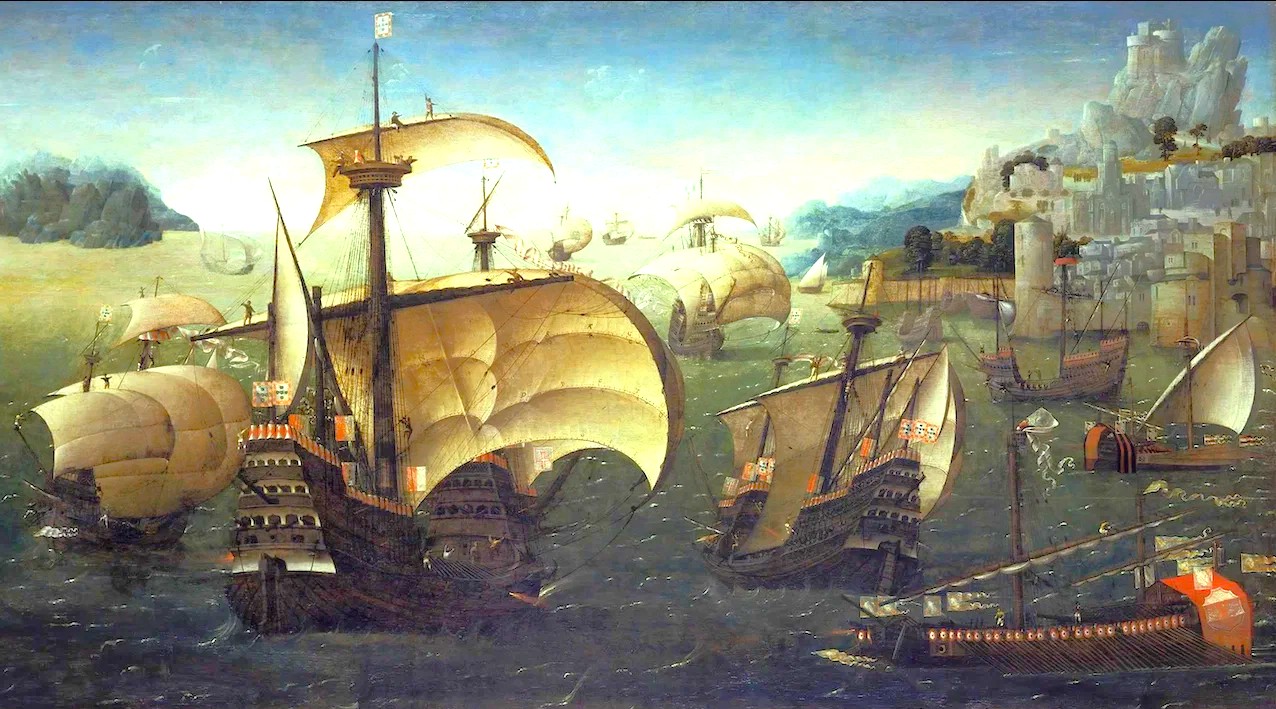
Portuguese Goa - India: Roots of Empire
The Sanskrit "Gomanta" blessed this fertile land where multiple dynasties flourished. The Kadamba Dynasty (960-1310) established the first royal court, followed by Chalukya Dynasty sovereignty (973-1200). The Vijayanagara Dynasty (1336-1470) brought artistic refinement before the Bahmani Sultanate gained control in 1472. Each left their mark on culture, trade, and governance .
Strategic Marriages: Forging Indo-Portuguese Alliances
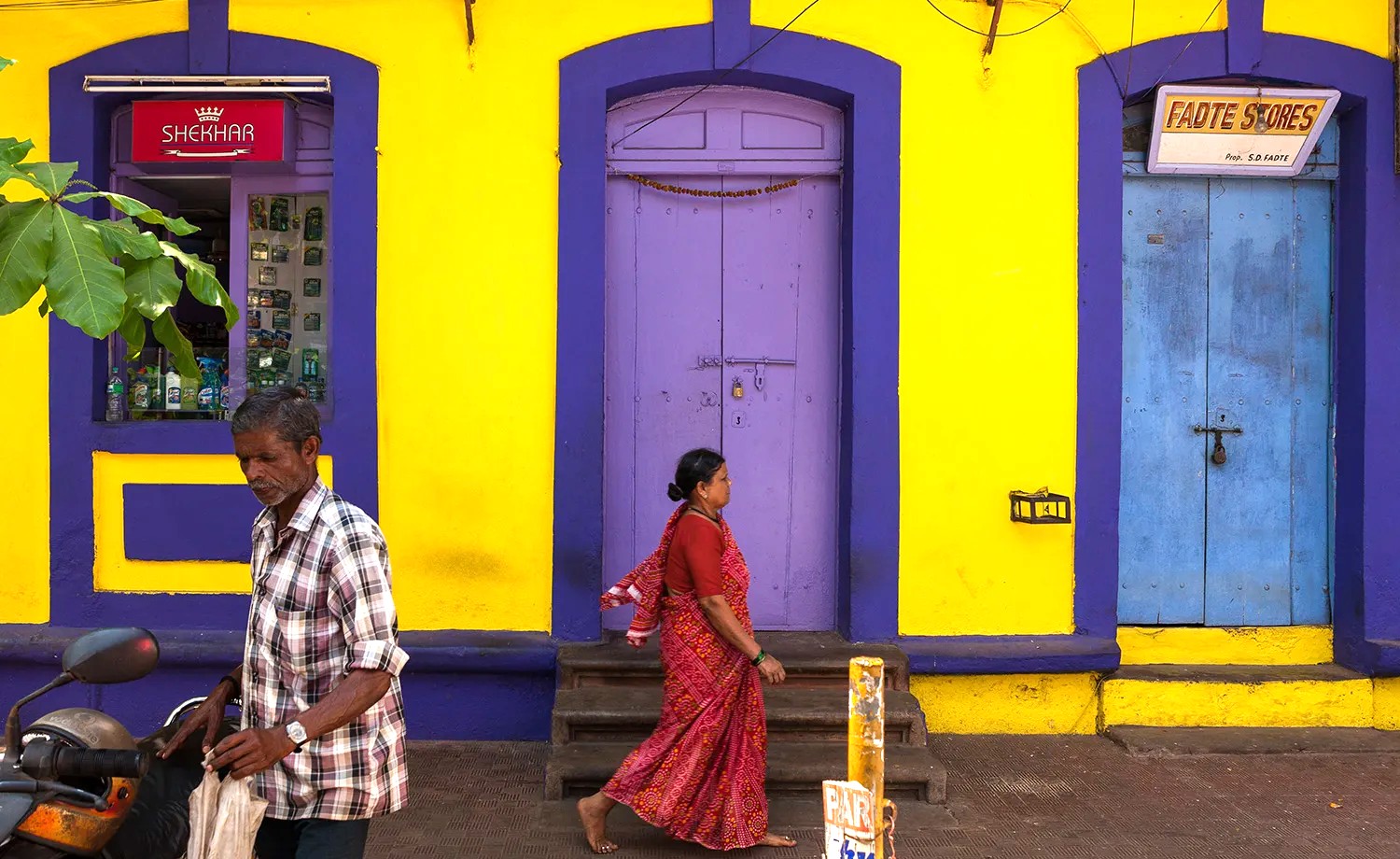
The strategic policy of casamentos forged formidable dynasties through calculated cross-cultural unions. In 1543, Dom Constantino de Bragança married Princess Dona Maria of Bijapur, blending Portuguese royalty with local power. Similarly, Jorge de Almeida’s marriage into the wealthy Kothari merchant family secured vital commercial influence. These alliances extended across faiths and classes: the de Menezes family integrated with Adil Shahi nobility, while the Pereiras united with the Hindu Sinai clan.
Golden Age: Commerce and Construction
Annual spice trade through the port exceeded 2 million xerafins by 1580. The Royal Mint, established in 1510, produced distinctive Indo-Portuguese coinage featuring both crosses and local symbols. Custom houses in Panaji, Margao, and Vasco regulated trade worth 250,000 xerafins yearly. This wealth funded massive building projects throughout the territory. Portuguese Goa India.
Sacred Foundations: Religious Architecture
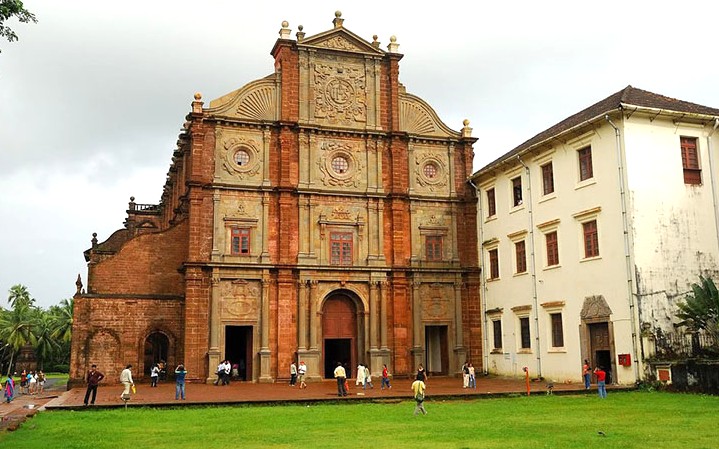
Construction of the Se Cathedral commenced in 1562, led by master mason João de la Cruz, establishing a monumental presence in the region. This architectural evolution continued with the 1594 founding of the Basilica of Bom Jesus, which uniquely synthesized European Baroque influences with intricate Indian artistic sensibilities. Under the influential tenure of Archbishop Alexio de Menezes (1595–1609), the spiritual landscape expanded through the commission of numerous churches.
A Cosmopolitan Capital
From 60,000 inhabitants in 1543, the population surged to 200,000 by 1600, surpassing contemporary Lisbon. Portuguese nobility established grand estates while Indian merchants maintained traditional quarters. The mixing of cultures created distinct Indo-Portuguese customs, fashion, and cuisine.
Diplomatic Networks: Beyond Military Control
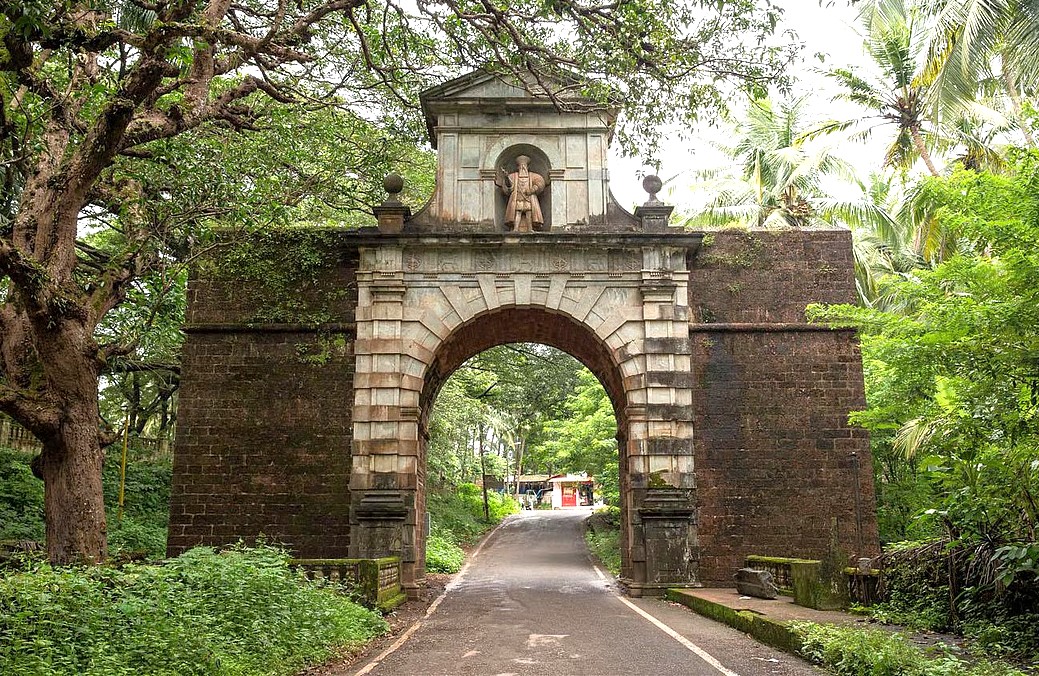
Strategic treaties with the Vijayanagara Dynasty in 1565 were pivotal, securing vital inland trade routes that fueled regional prosperity. Earlier, the 1534 agreements with Gujarat’s sultans established lucrative pearl-trading privileges, cementing Portuguese dominance over maritime commerce. Beyond formal diplomacy, the Portuguese cultivated deep-rooted relationships with local rulers by aligning shared commercial interests and offering strategic administrative appointments. This multifaceted approach moved beyond mere conquest, creating a collaborative network of power. Portuguese Goa India.
Challenges and Adaptation
The great plague of 1738 devastated the population, claiming 20,000 lives. Floods in 1812 destroyed infrastructure while Dutch and British competition threatened trade supremacy. Yet the Indo-Portuguese community demonstrated remarkable resilience, preserving their unique cultural identity. Portuguese Goa India.
Royal Succession: Viceregal Power
Successive Viceroys fundamentally shaped the region’s trajectory. Francisco de Almeida established the foundational Portuguese presence, followed by the brief, symbolic tenure of Dom Vasco da Gama in 1524. Dom Henrique de Menezes modernized regional security by introducing advanced fortification techniques. Expansion continued under Jorge Cabral, who significantly grew Portuguese territory. Finally, Dom Constantino de Bragança focused on internal stability, strengthening defenses to protect these gains.
The Portuguese in Goa Today
Four and a half centuries of Portuguese presence transformed this Eastern port into a unique Indo-European society. Though the capital shifted to Panaji in 1843, Portuguese influence continued until 1961. Today, 40,000 inhabitants maintain traditions born of this extraordinary fusion, while Unesco recognition preserves the physical legacy of an empire that bridged East and West .
Step Inside The Story - View All Tour Itineraries & Details
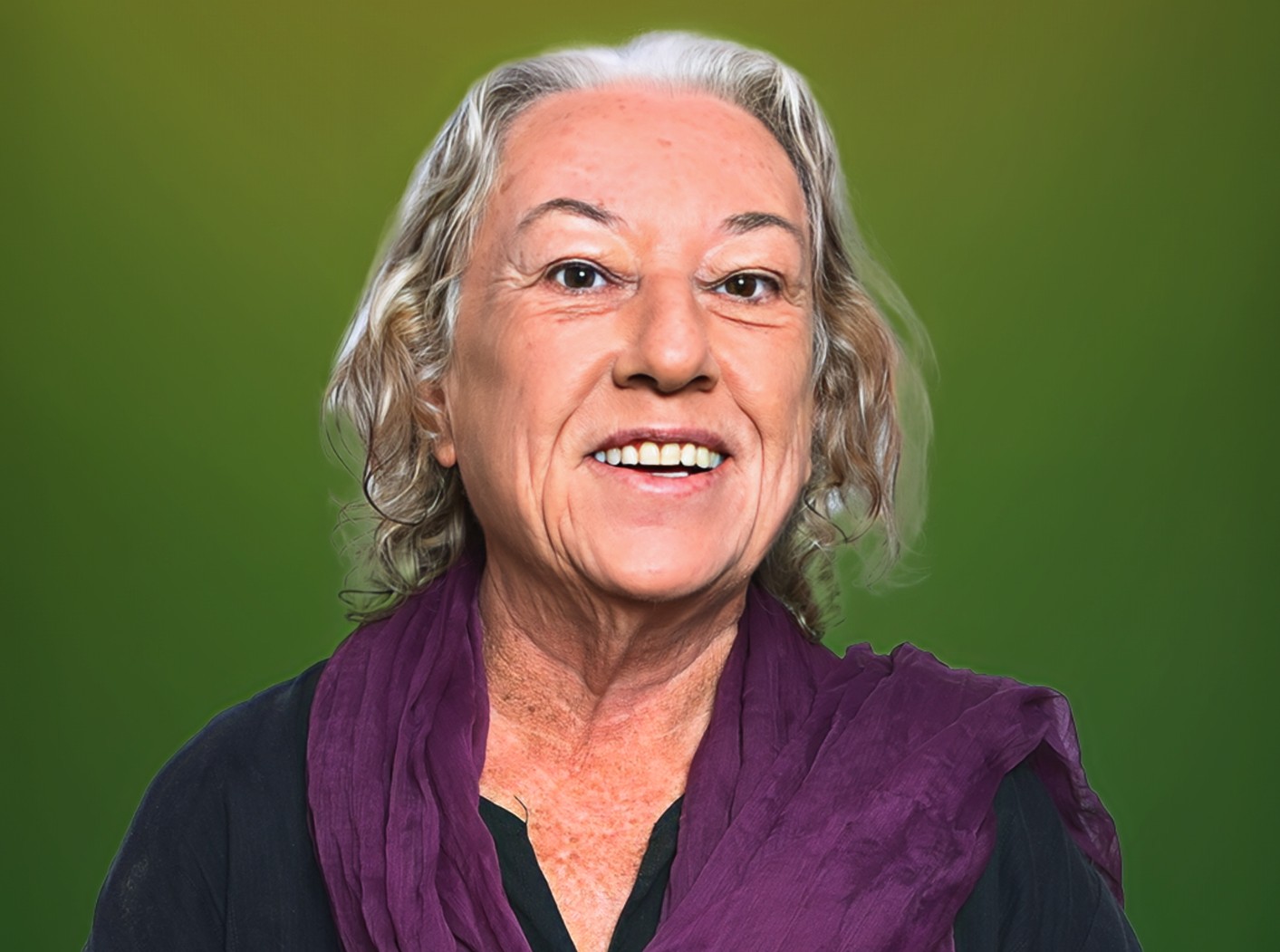
We’re here to offer genuine, thoughtful guidance if your interested in travelling to India. As a small, dedicated team, we pay close attention to every detail so you can focus on enjoying the experience while we take care of the planning. We believe the best trips begin when someone truly listens to what you want and how you like to travel, so the journey feels right for you and contributes to a happy, positive group on tour. Our communication stays clear, straightforward, and respectful at every step, with the goal of helping you feel understood, supported, and confident from first contact to the end of your journey.
Click Catherine Frith - About The Founder
Click Discover Life Travel - All Tours and More
Click Why We Are Different - Unique, Safe, Transparent