Unique Insights Into The Religions Of India
Saint Catherine: India
Discover Life Travel
A Legacy of Faith and Power
Long before the arrival of European explorers in the sixteenth century, the southern coast of India was a vibrant intersection of global maritime routes. The local population of Kerala and Goa was already familiar with the stories of early scholars from the Roman world. One such figure was a philosopher from Alexandria, whose reputation for wisdom traveled along the spice routes. This presence started a cultural integration where the ideals of intellectual courage and steadfastness were embraced by the local communities. The region was governed by ancient lines that oversaw a population of spice merchants and scholars, creating a fertile ground for the introduction of new spiritual symbols that would eventually define the coastal landscape. Saint Catherine India
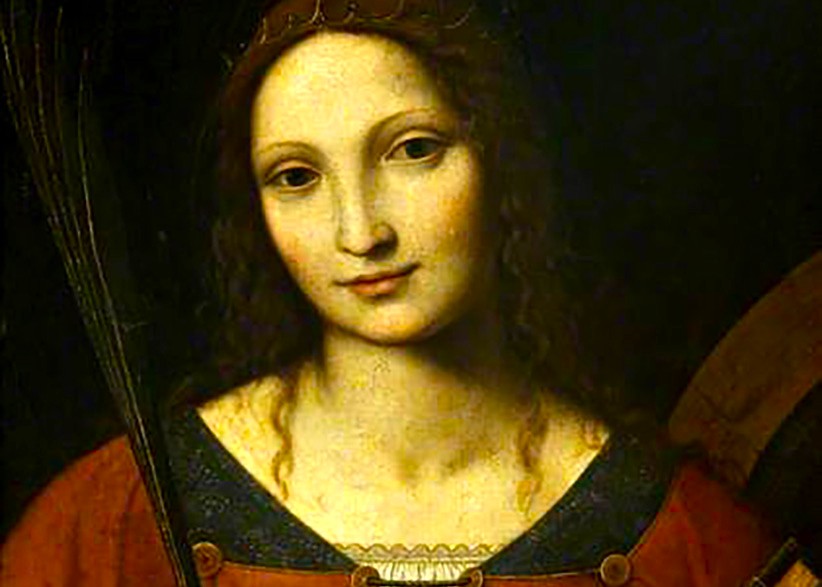
Saint Catherine India: Lineage of the Alexandrian Noblewoman
The woman known as Saint Catherine was born in the year 287 to the daughter of King Costus and Queen Sabinella. Her family belonged to the royal house of Alexandria, a background that provided her with access to the finest education in philosophy and the sciences. She had a childhood of immense privilege, surrounded by the greatest minds of the ancient world before her rejection of the imperial cult led to her legendary defiance of the Emperor. This transition from a life of royal opulence to one of spiritual conviction surprised her peers but became a beacon for later followers. Her connection to the Indian coast was established when the first settlers brought her story and her symbols to the region. Saint Catherine India
Origins of the Golden Sanctuary
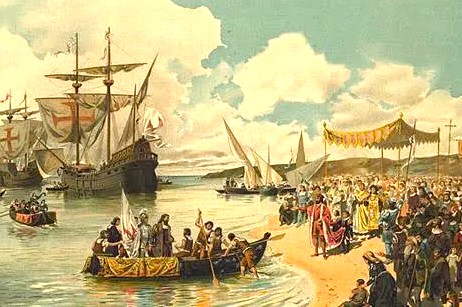
The arrival of the first Portuguese in the year 1510 marked a significant turning point, as they sought to spread the influence of Saint Catherine in the new territories. They settled in the heart of the former capital of Goa, a city that had been a jewel of the Adil Shahi line before the new authority took control. The population of the city was a vibrant mix of soldiers, merchants, and local artisans. The 1st rulers of the Bijapur Sultanate managed the territory before the religious mission was established. Characters like the colonial governor and his council initially faced sharp resistance from local forces. Today, the population of the surrounding area remains deeply connected to the history of the site.
Architecture of the Massive Edifice
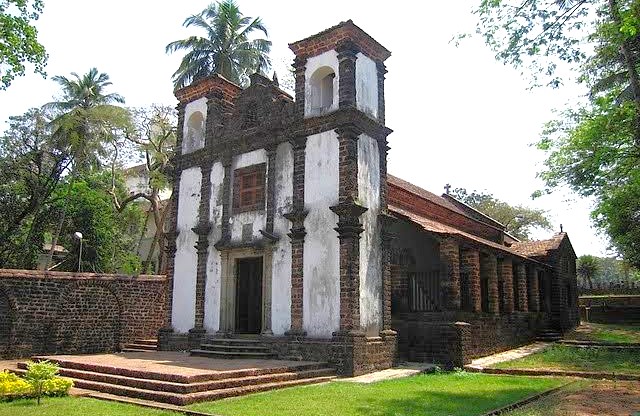
The primary stone sanctuary was finalized in 1619, purposefully designed to be one of the largest religious structures in the East, dedicated to Saint Catherine. The local craftsmen utilized laterite and lime to create the towering walls and the majestic belfry. Before the Portuguese fortified the city, the site was a simple open space near the Mandovi River. The population of the city during this era was nearly two hundred thousand, living through the seasonal monsoons. Characters like the master masons traveled from the interior to execute the project. History from before the first rulers describes a land of quiet fishing villages and lush palm groves along the shore. Saint Catherine India
The Secret Reservoir of the Cloister
Beneath the main floor of the cathedral dedicated to Saint Catherine lies a hidden well that predates the European presence in the city. Before the Portuguese established their laws, the local population recognized the water source as a symbol of purity. The 1st rulers of the Silaharas oversaw the land when it was a site for ritual cleansing. During the 1619 construction, the builders decided to keep the well, which remains a unique feature of the site today. The population still speaks of the steady water levels even during the driest months. Past battles for the city often centered on the control of such water sources. Characters like the local water bearers were vital for the residents.
Daily Life of the Cathedral Clergy
The routine for the residents was focused on the rigorous path of study and prayer, starting at 5:00 AM under the patronage of Saint Catherine. This lifestyle occupied a space distinct from the daily life of the royal palace, which was centered on diplomacy and gold. The population of the clergy house was usually around twelve people. Characters like the Father Superior managed the library and the daily accounts. Before the 1st rulers took over, the site was a place of quiet reflection for local sages. The interior was kept grand, with gilded altars and high ceilings. History mentions the strict discipline of the clergy, who were often sought out by the elite. Saint Catherine India
The Intellectual Influence of the Order
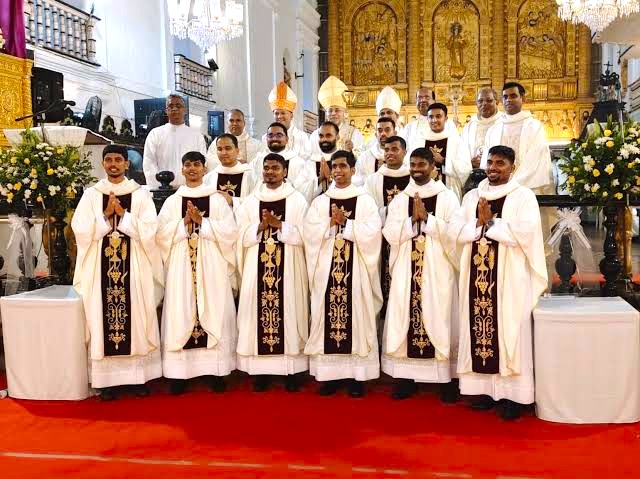
The arrival of the new religious orders introduced an academic focus centered on the philosophical teachings of Saint Catherine. Before the Portuguese, the education system was based on local monastic schools and oral traditions. Construction of the study halls began in the early seventeenth century, attracting the children of the local leaders. Characters like the Professor of Philosophy guided the curriculum. The daily life of the royal palace was influenced by the debates held within the sanctuary. Today, the population respects the site for its contribution to the intellectual history of the coast. Women’s roles in the community were also impacted by the emphasis on literacy and the preservation of records. Saint Catherine India
The Legacy
St. Catherine of Alexandria, a 4th-century Christian scholar, was condemned by Emperor Maxentius after refuting his pagan philosophers in debate and refusing his offer of marriage. Sentenced to die upon a spiked breaking wheel, tradition holds the wheel shattered miraculously at her touch, so her executioners turned to beheading instead. Legend says angels then carried her body across the desert to Mount Sinai, where a monastery still bears her name and draws pilgrims today. Catherine became patron saint of philosophers, students, and wheelwrights, and the "Catherine wheel" firework and mechanism still carry her name and legacy.
Step Inside The Story - View All Tour Itineraries & Details
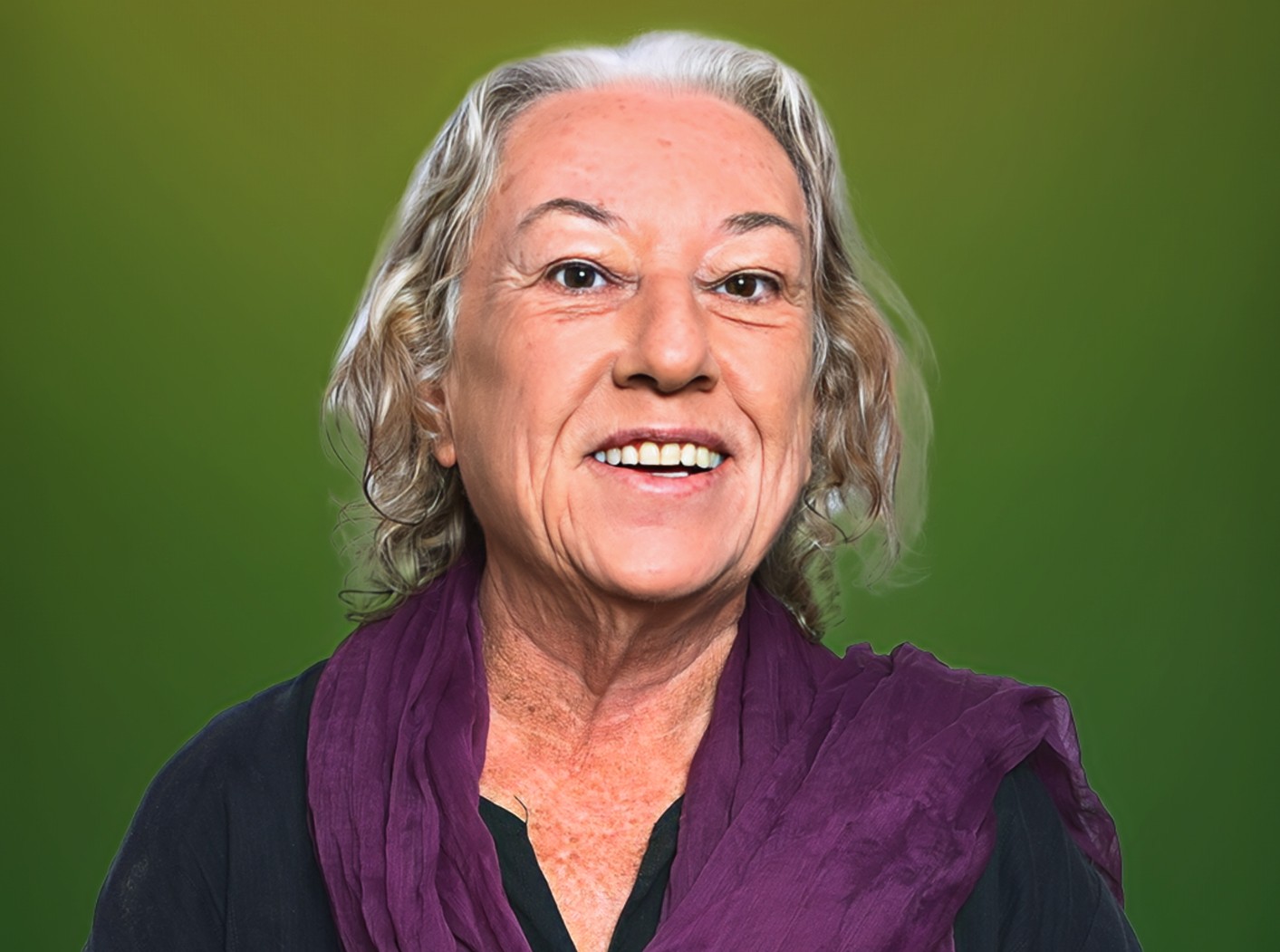
We’re here to offer genuine, thoughtful guidance if your interested in travelling to India. As a small, dedicated team, we pay close attention to every detail so you can focus on enjoying the experience while we take care of the planning. We believe the best trips begin when someone truly listens to what you want and how you like to travel, so the journey feels right for you and contributes to a happy, positive group on tour. Our communication stays clear, straightforward, and respectful at every step, with the goal of helping you feel understood, supported, and confident from first contact to the end of your journey.
Click Catherine Frith - About The Founder
Click Discover Life Travel - All Tours and More
Click Why We Are Different - Unique, Safe, Transparent