
Spirit of South India Tour
Nilgiri Biosphere Reserve: UNESCO Site
Mother Masala Tour
A Natural Symphony of the Nilgiris
A Unesco-recognized sanctuary, is a living testament to biodiversity and ecological harmony. Named after the "Blue Mountains" in Tamil Nadu, the name Nilgiri originates from Tamil words "Neelam" (blue) and "Giri" (mountains). This awe-inspiring reserve spans Karnataka, and Kerala, encompassing over 5,520 square kilometers within the Western Ghats. It is home to an astounding variety of flora and fauna and intersects with iconic regions such as the Bandipur Forest. Adorned with misty landscapes, the reserve represents an intricate balance between human life, wildlife, and the environment. The surrounding ecosystems are integral to the culture and livelihoods of the native populations who have coexisted with nature for centuries. Today, the region boasts a population of over ten million, distributed across a patchwork of villages, plantations, and towns, thriving alongside this extraordinary natural treasure. Nilgiri Biosphere Reserve.
Nilgiri Biosphere Reserve: Ancient Origins
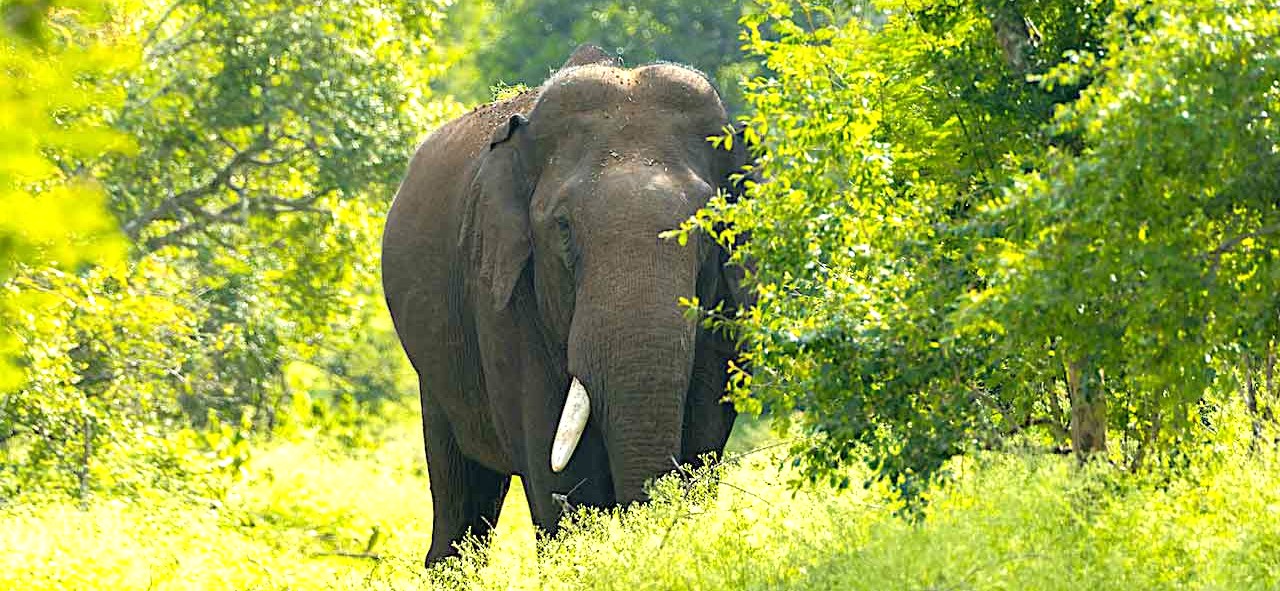
Long before the Nilgiri Biosphere Reserve became a cultural and ecological haven, the area was revered by indigenous tribes who viewed it as sacred. Among these groups were the Todas, who believed the hills were a gift from divine forces. Their early stories describe a spiritual connection to the land, seeing the dense forests and rolling hills as a source of life and balance. Archaeological findings in the region have revealed remnants of tribal settlements dating back over 2,000 years. These findings include unique stone circles built for rituals, reflecting their reliance on the natural world. The tribes relied on hunting, gathering, and minimalistic farming techniques that did not disrupt the ecosystem.
Recognition and Formation of the Reserve
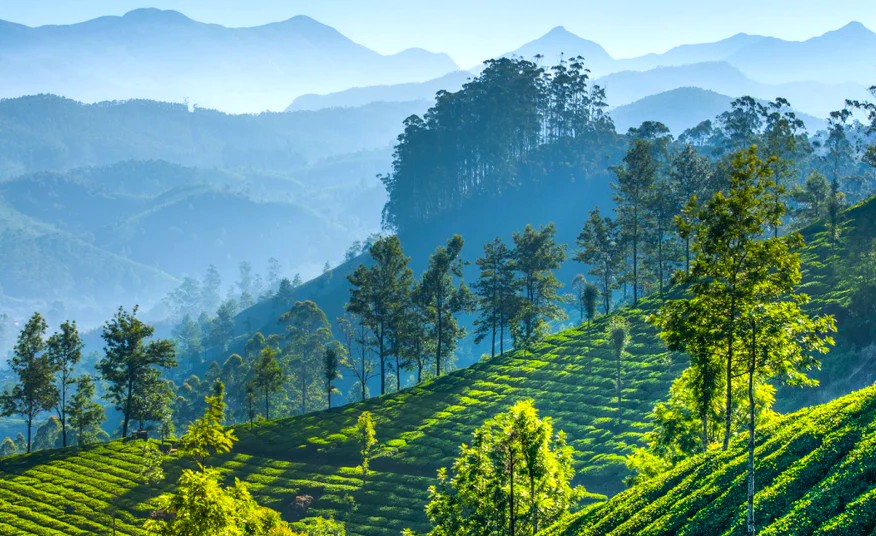
Official recognition began with the first wildlife acts of British colonial rulers in the early 19th century. By 1986, reserve was established as India’s first biosphere reserve under UNESCO’s Man and the Biosphere Programme. With an area of over 5,500 square kilometers, it includes national parks, while also preserving critical ecosystems like Bandipur Forest. As the centerpiece of the Western Ghats, this declaration marked the beginning of conservation efforts to protecting its delicate ecosystem.
Forests of Myth and Mystery
The thickly wooded expanse of the biosphere reserve, inclusive of the Bandipur Forest, exudes an almost mystical aura, stretching across multiple states. It is said that sages meditated here for centuries, drawn by the forest's serenity and abundant life. Folklore speaks of divine events where gods walked these forests, guarding wildlife against invaders. Ancient trees, some hundreds of years old, tower over the landscape, cloaking the forest floor in ever-changing light. The inhabitants, from mighty elephants to elusive leopards, have embedded themselves into the region’s fables, emphasizing their divine status and connection to local spirituality. Nilgiri Biosphere Reserve.
Ecosystems in Balance
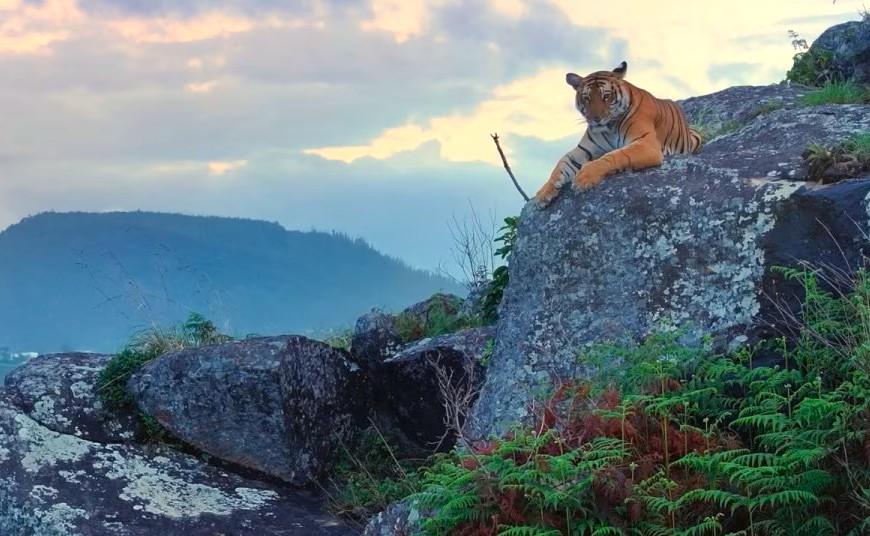
Experience wet evergreen, and shola forests, contributing to a staggering diversity of life. These ecosystems provide a home to over 1,800 species of flowering plants, 100 mammal species, 300 bird species, and thousands of insects. The reserve’s human populace has sustained its delicate balance for centuries, employing traditional farming and foraging techniques. Bandipur Forest, renowned for its tiger population, plays a pivotal role in conserving predator-prey dynamics while regulating ecological functions.
Trade Routes Through History
The forests and hills of the Nilgiri Biosphere Reserve formed vital trade routes in ancient and medieval India. Pathways cutting through the dense Bandipur Forest connected southern and northern India, facilitating the movement of goods such as spices, ivory, and textiles. Merchants traversed the forests accompanied by elephants carrying precious cargo. Similarly, the British utilized the Nilgiri mountain tracks, introducing colonial trade items like tea and coffee plantations, forever altering local economies but keeping trade routes alive. Today, these same paths are frequented by explorers and conservationists, bringing a different kind of value to the region.
The Drive Through Bandipur Forest
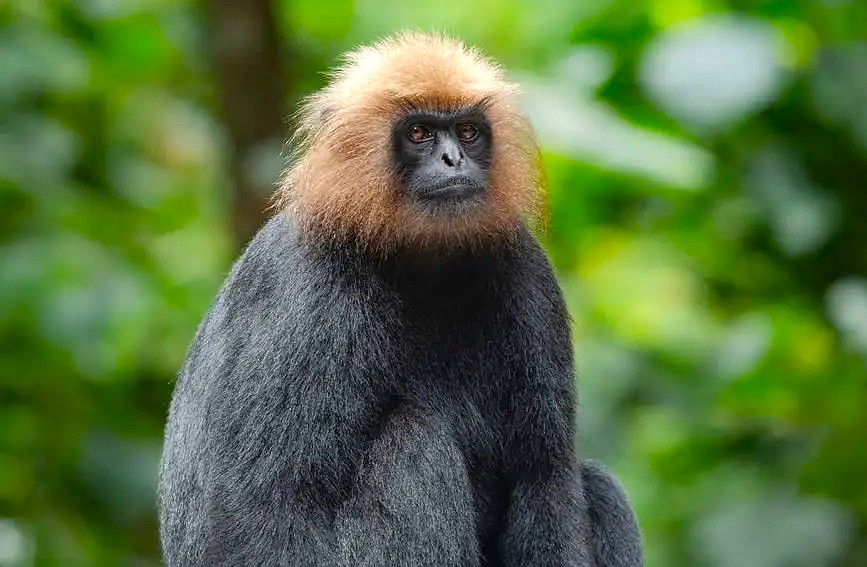
Bandipur Forest, a major section of the Nilgiri Biosphere, provides an immersive experience of its natural wealth. The forest’s winding pathways take travelers past water bodies where herds of elephants and spotted deer graze peacefully, their freedom undisturbed. Tigers lurk in the shadows of thick trees, embodying the essence of raw power and nature’s unpredictability. Meanwhile, langurs swing across from branch to branch, bringing liveliness to the quiet wilderness.
Spiritual Ties of the Biosphere
Beyond its ecological value, the Reserve is steeped in spiritual meaning. Local temples dedicated to major deities like Shiva and Vishnu are scattered across the region, each one connected to tribal and modern inhabitants alike. Seasonal celebrations often bridge mythology with nature, such as the festival celebrated to revere the sacred elephants. The folk songs and rituals performed, often led by tribal elders, emphasize gratitude for the blessing of forests, animals, and life itself. Nilgiri Biosphere Reserve.
Food Fit for Generations
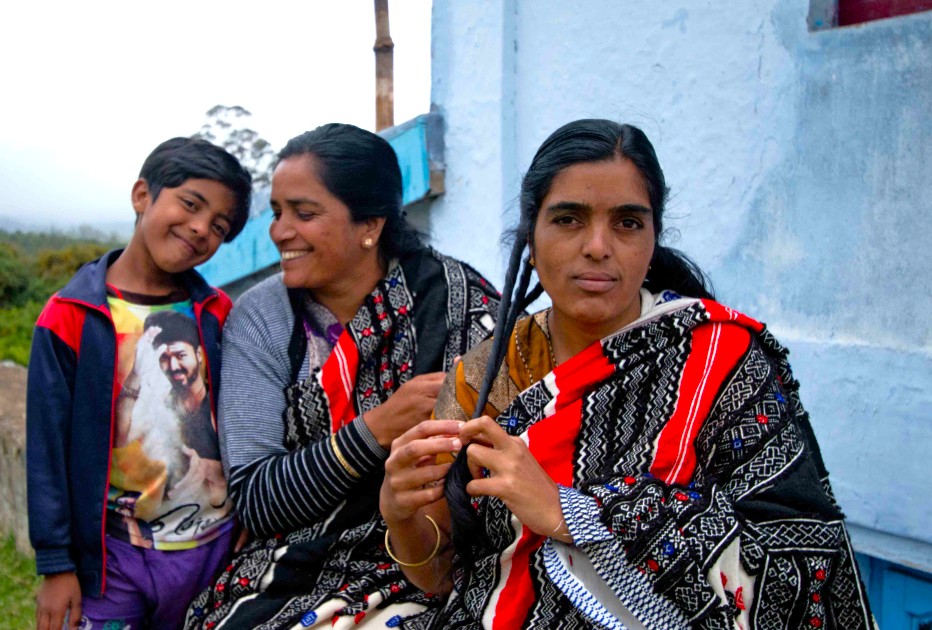
The region’s food traditions have evolved alongside its cultural and ecological legacy. Tribes like the Todas and Kotas concoct centuries-old recipes using locally sourced ingredients like millet, bamboo shoots, and wild honey. On festive days, an entire community could feast on meals like millet bread paired with meat stews, feeding hundreds at a time. During the colonial period, tea cultivation brought with it chai culture, complemented by biscuits made from locally grown ingredients. Food remains vital to the cultural identity of Nilgiri tribes, highlighting their self-sustaining lifestyles.
Colonial Conservation Influence
British colonial administrators played a dual role in the region’s transformation. While exploitative practices like deforestation for plantations strained its resources, the early establishment of wildlife reserves such as the Bandipur Tiger Reserve in 1973 symbolized a long-term investment in conservation. These reserves not only safeguarded endangered species but also laid the groundwork for better water management and environmental protection strategies.
Battle for the Biosphere
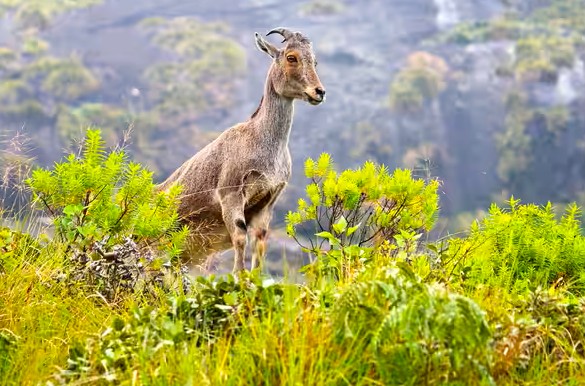
Though peaceful now, the Nilgiri Hills and surrounding regions witnessed historical conflicts over territorial claims. Medieval skirmishes between the Chola and Hoysala Dynasty, stressed the importance of controlling forest wealth. Later, battles involving Tipu Sultan and British forces further reshaped the region’s political and economic outlook. Despite these disruptions, the biosphere survived as a symbol of enduring resilience, sheltering life within its verdant limits. Nilgiri Biosphere Reserve.
Festival Calendar Across Hills
Celebrating the flora and fauna is an age-old practice observed by locals during seasonal festivals. Pongal in January and the Elephant Festival in March unite communities with traditions centered on the land’s bounty. Tribal festivals such as the Todas’ Sacred Buffalo Ritual carry spiritual significance, expressing gratitude to forests that symbolize abundance and continuity.
Join Us - Do It For The Person Who Will Be Telling This Story Later

The Nilgiri Biosphere Reserve is a profound convergence of history, culture, and nature, transcending its designation as a UNESCO World Heritage Site. This vast landscape serves as a living testament to ecological balance, where ancient myths still echo through dense, primeval forests. It is home to diverse indigenous communities whose sustainable traditions exemplify a rare, enduring harmony with the environment. By seamlessly intertwining modern conservation efforts with rich cultural heritage, the reserve maintains a unique mystical allure.
Step Inside The Story - View All Tour Itineraries & Details

We’re here to offer genuine, thoughtful guidance if your interested in travelling to India. As a small, dedicated team, we pay close attention to every detail so you can focus on enjoying the experience while we take care of the planning. We believe the best trips begin when someone truly listens to what you want and how you like to travel, so the journey feels right for you and contributes to a happy, positive group on tour. Our communication stays clear, straightforward, and respectful at every step, with the goal of helping you feel understood, supported, and confident from first contact to the end of your journey.
Click Catherine Frith - About The Founder
Click Discover Life Travel - All Tours and More
Click Why We Are Different - Unique, Safe, Transparent