A Unique Look Into Indian History
Chola Dynasty: Tamil Nadu
Discover Life Travel
Life Before Imperial Rule On The Kaveri
Before the rise of the Cholas, the lower Kaveri delta and Coromandel coast were already rich with paddy fields, fishing villages and small port‑towns. Early historic chiefs and minor kings ruled from mud‑brick forts, while farmers coaxed multiple rice crops a year from fertile alluvium criss‑crossed by natural channels. Megalithic burials, hero stones and early brick shrines show stratified societies with warrior elites and ancestor cults. The region lay between older powers - early Sangam‑age Cholas, Pandyas and Cheras - and was touched by Roman and Southeast Asian trade, forming the substratum on which medieval Chola authority would later rest. Chola Dynasty Tamil Nadu
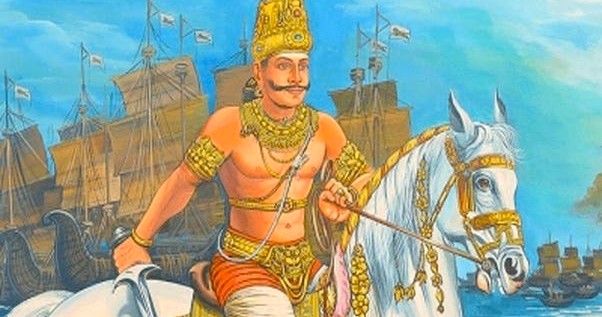
Chola Dynasty: Tamil Nadu - From River Chiefs To Oceanic Emperors
Sangam poetry already praises ancient Cholas, but it is in the 9th–10th centuries CE that the Imperial Chola Dynasty truly emerges. Vijayalaya Chola captures Thanjavur, laying a new foundation; Aditya I and Parantaka I expand over much of Tamilakam. Under Rajaraja I and Rajendra I, the Cholas become a formidable empire controlling most of Tamil Nadu, large parts of Karnataka and Andhra, Sri Lanka and influence over Maldives and parts of Southeast Asia. Their age, firmly within Kali Yuga by traditional reckoning, is historically defined by maritime power, temple‑building and administrative sophistication radiating from the Kaveri basin.
Daily Life Of Chola Kings And Royal Family
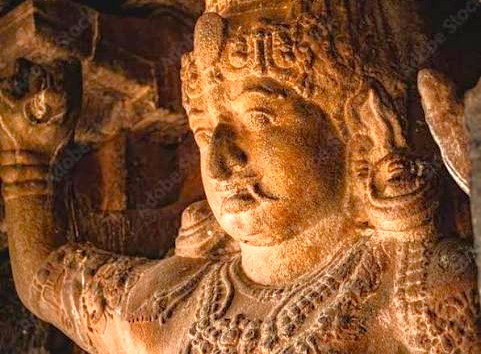
In palaces near Thanjavur and Gangaikonda Cholapuram, the king’s day followed a disciplined ritual and political rhythm. At dawn, he bathed in temple tanks or palace baths, received sandal and sacred ash, and worshiped Shiva, often in royal‑built temples like Brihadisvara. Priests, astrologers and ministers offered counsel; petitions and revenue reports were heard in pillared halls. Queens managed the antahpura: gold, jewels, grain, cloth, temple gifts and welfare kitchens, and wielded subtle influence in council and succession matters. Princes trained in weapons, horse and elephant riding, and read Sanskrit, Tamil, Arthashastra‑like political texts and inscriptional formulae, preparing for both war and rule. Chola Dynasty Tamil Nadu
Village Society In The Chola Heartland
Most subjects lived in villages structured by intricate social and agrarian institutions. In the Kaveri delta, farmers sowed and transplanted paddy in carefully leveled and bunded fields, managing water released from anicuts and canals. Women carried water, weeded, harvested, pounded rice, wove cloth and tended household shrines. Artisans - potters, blacksmiths, carpenters, weavers, goldsmiths and oil‑pressers - clustered in agraharams and market streets. Village assemblies (ur) and Brahmin sabhas managed land, tanks, festivals and local justice; temple corporations oversaw endowments and charity. These corporate bodies gave Chola local society unusual self‑governing capacity under the overarching imperial framework.
Royal Kitchens, Rice, Ghee And Festival Banquets
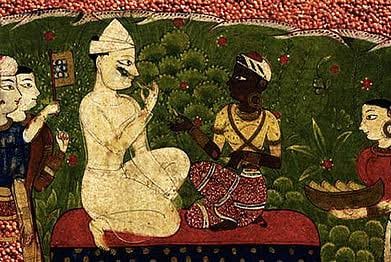
Chola court cuisine pivoted on the delta’s rice wealth and access to coastal trade. Daily meals in palaces and noble houses featured steaming rice, sambar‑like lentil stews, vegetable dishes with coconut and tamarind, curds, ghee and, for Kshatriya and some non‑Brahmin elites, meats and fish. Spices like black pepper, long pepper, mustard, cumin and coriander enriched dishes served on banana leaves. Palace kitchens also prepared elaborate offerings (naivedya) for temples. On coronations, victories and great temple festivals, vast cauldrons of rice, curries and sweet payasam were cooked for free distribution, feeding Brahmins, devotees, travelers and the poor, turning surplus into ritualized generosity.
Law, Copperplate Grants And Punishments
Chola legal order rested on dharmashastra ideals, royal commands and the robust authority of local assemblies. Copperplate charters and stone inscriptions detail land grants, tax rates, judicial privileges and dispute resolutions, showing how rights and duties were formalized. Village sabhas and councils judged boundary conflicts, irrigation disputes and minor offenses; temple‑linked assemblies often arbitrated complex property questions. Serious crimes - temple theft, armed banditry, treason - could bring heavy fines, exile, mutilation or execution. Yet, in many cases, compensation, ritual penance and public apology sufficed, reflecting a system more concerned with restoring order and revenues than with indiscriminate cruelty. Chola Dynasty Tamil Nadu
Gods, Great Temples And Everyday Worship
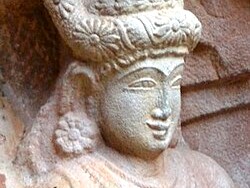
Religious life under the Cholas was dominated by Hindu temple worship, especially Shaivism, though Vaishnavism, Shaktism, Jainism and Buddhism also had presence. Rajaraja I’s Brihadisvara at Thanjavur and Rajendra’s temple at Gangaikonda Cholapuram epitomize their monumental Shaiva devotion: towering vimanas, massive lingas, intricate sculptures and long corridors. Countless local shrines to village goddesses, Murugan and other deities anchored rural spirituality. The Cholas endowed temples lavishly with land, gold, bronzes and rights to customs or market taxes; these temples in turn became ritual, economic and artistic centers, employing priests, dancers, singers, oil‑pressers and guards.
Festivals, Processions And Ritual Theatre
Festivals generated spectacles that knit empire, locality and divinity together. Utsava icons of deities were carried on palanquins or wheeled chariots through streets and fields, accompanied by drummers, conch‑blowers, nagasvaram players and singers. Lamps and torches illuminated night processions; flower garlands and colorful canopies decked paths. Brahmins, merchants, peasants and artisans all participated, bringing offerings, making vows and socializing in temporary markets. Royal presence at key temples - sometimes represented by regalia when the king was away - turned these events into public affirmations of Chola dharma and hegemony, staged in the idiom of shared piety and joy.
Royal Courts, Scholars And Performing Arts
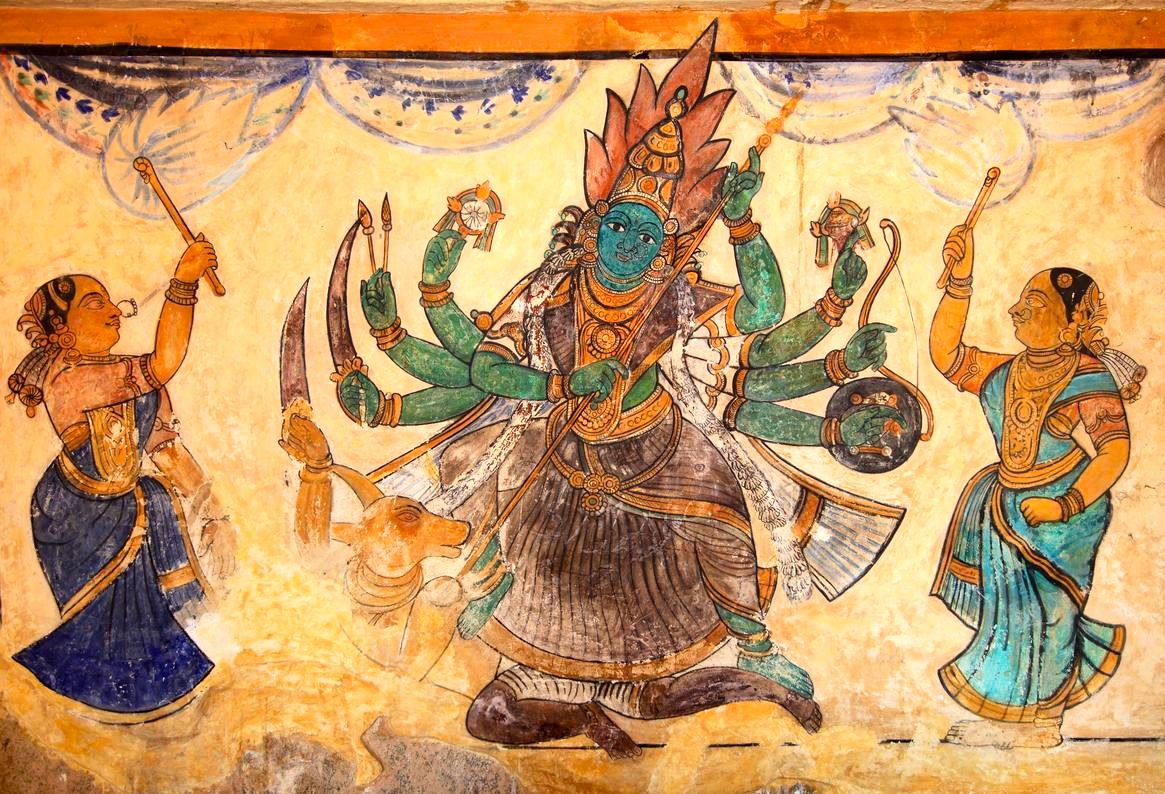
Chola courts balanced stern governance with vibrant intellectual and artistic life. In the mornings, the king sat in durbar to hear petitions, envoys and officers; in the evenings, poets recited in Tamil and Sanskrit, dramatists and storytellers performed epics and Puranic tales, and dancers presented codified temple styles that later evolve into classical forms like Bharatanatyam. Scholarly debates on Shaiva and Vaishnava theology, grammar, logic and astronomy took place at court and in temple‑colleges. Royal patronage of these arts consolidated Tamil literary culture, canonized devotional hymns and radiated Chola prestige beyond political borders. Chola Dynasty Tamil Nadu
Campaigns, Navies And Military Prowess
The Cholas were formidable on land and sea. Armies trained in archery, spear and sword, supported by powerful elephant corps and cavalry, marched into Sri Lanka, the Ganga plains and against Western Chalukyas and Pandyas. Navies assembled from coastal Tamil Nadu and Sri Lanka sailed to the Maldives and across the Bay of Bengal, famously raiding Srivijayan ports in southeast Asia under Rajendra I. Fortified cities, river crossings and key passes were fiercely contested. Victories were commemorated in inscriptions, coins and temple donations, while defeats and overextension later contributed to political strain, but the martial reputation of the Cholas endured.
Marriage Alliances, Queens And Royal Women’s Patronage
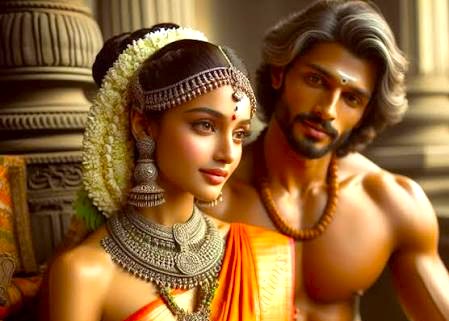
Marriages helped weave the Cholas into the wider South Indian and Sri Lankan political tapestry. Kings took wives from Chera, Pandya, Vengi Chalukya and regional houses to cement alliances: Chola princesses went out as brides binding other courts to Thanjavur. Queens and royal women commissioned temples, tanks, mandapas and bronzes; inscriptions record them as donors of land, lamps and food endowments. Within the palace, they influenced succession politics, mediated disputes and supported particular religious currents. Their patronage and piety ensured that Chola cultural influence extended even when military fortunes fluctuated. Chola Dynasty Tamil Nadu
Literature, Iconic Bronzes And Visual Culture
Under Chola patronage, Tamil literature blossomed and visual arts reached extraordinary heights. Poets and commentators preserved and elaborated on Sangam texts, devotional hymns like the Tevaram and Divya Prabandham, and new works in both Tamil and Sanskrit. The famed Chola bronzes - graceful icons of Shiva Nataraja, Krishna, Devi and others - embodied a sophisticated understanding of movement, balance and divine presence in metal. Temple walls carried rich narrative reliefs; textiles, jewelry and painted wooden chariots extended this visual culture into everyday and festival life, making the Chola aesthetic a pervasive presence.
Death, Cremation And Memory In Stone and Bronze
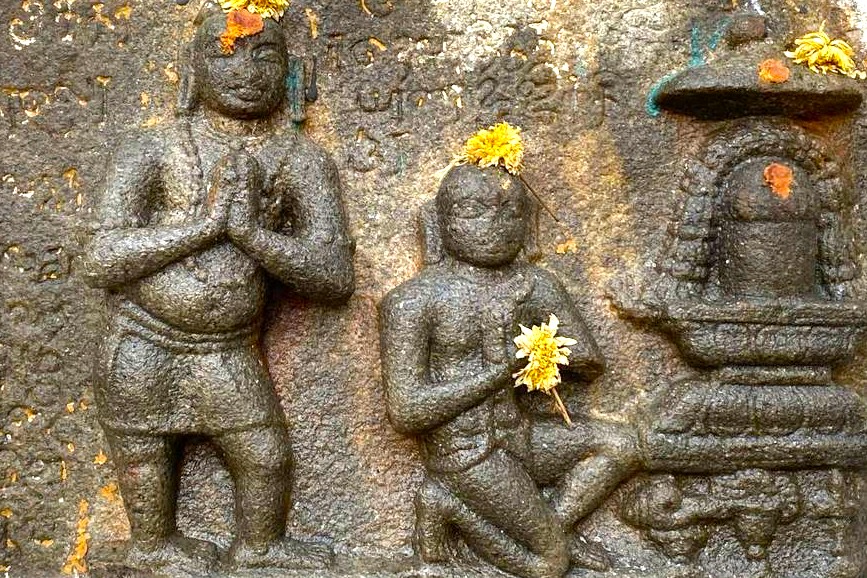
Most Hindus in Chola lands were cremated on river or seashore cremation grounds, with ashes immersed in sacred waters and periodic śrāddha rites feeding ancestors in memory. For kings and great nobles, memory was more monumental: inscriptions at temples, special endowments in their names, occasional commemorative structures. Sometimes hero stones were raised for those who fell in battle, depicting warriors and deities receiving them. The true cenotaphs of Chola rulers, however, were often their own creations: the temples and bronzes that continued to receive worship, ensuring their names lived as long as lamps burned before their chosen gods. Chola Dynasty Tamil Nadu
Physicians, Healers And Sacred Remedies
Chola society hosted a range of medical practitioners. Court vaidyas practiced Ayurveda, prescribing herbal formulations, dietary regimes, oil massages and surgical interventions drawn from classical texts adapted to local flora. Village healers used folk herbs, mantras and simple procedures; midwives oversaw childbirth. Temples played a role in healing too: devotees sought cures from specific deities, made vows, and sometimes stayed in temple compounds while undergoing treatment. The humid, riverine environment of the delta posed challenges like fevers and waterborne diseases, but also provided rich medicinal plants, integrated into both learned and popular pharmacopeias.
Aqueducts, Tanks And Kaveri Control
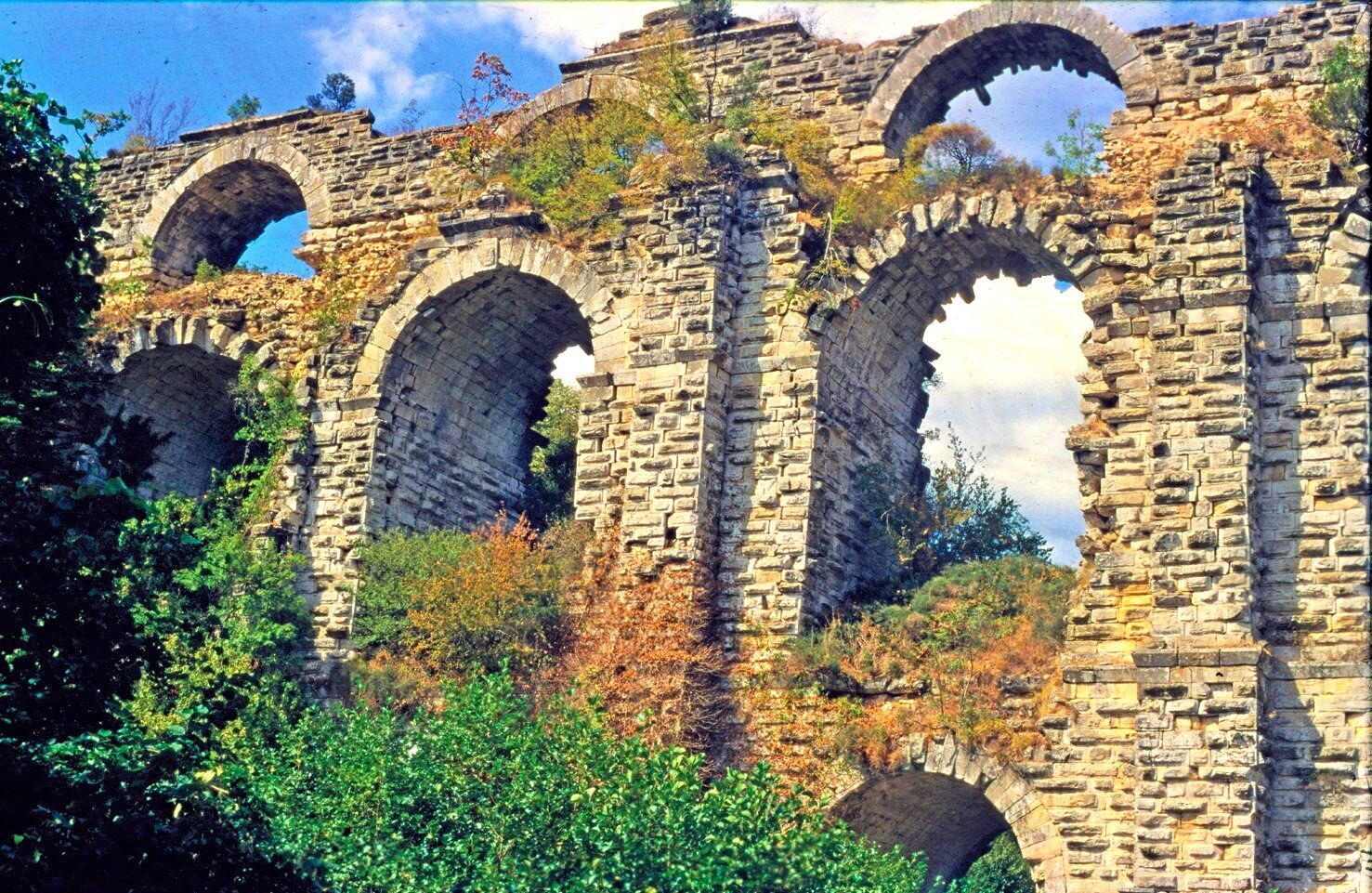
Water engineering was central to Chola power. They maintained and expanded anicuts (weirs) across the Kaveri and its branches, feeding an intricate network of canals that irrigated vast paddy fields. Kings, queens and local elites dug and endowed tanks, lakes and wells, their construction and maintenance recorded in inscriptions. Village assemblies organized desilting and repair; temples often supervised associated lands and waterworks. Successful control of Kaveri’s floods and flows underwrote agricultural abundance, tax revenues, temple surplus and the ability to support large armies and cities, making hydraulic competence a core measure of Chola kingship. Chola Dynasty Tamil Nadu
Decline, Successor States And Enduring Legacy
From the twelfth century onward, the Chola dynasty faced mounting challenges: resurgent Pandyas, Hoysalas from the Karnataka uplands, internal factionalism and shifting trade patterns. Gradually they lost territories and influence; by the thirteenth century, they were one regional power among several, soon overshadowed. Yet their legacy proved remarkably durable: temple networks, administrative practices, Tamil literary canons, bronze traditions and the idea of a mighty Kaveri‑based empire persisted in memory. Later kingdoms, colonial officials and modern Tamil identity movements alike have looked back to the Cholas as exemplars of regional power, cultural synthesis and monumental creativity, long after their banners disappeared from the delta winds.
Step Inside The Story - View All Tour Itineraries & Details
We’re here to offer genuine, thoughtful guidance if your interested in travelling to India. As a small, dedicated team, we pay close attention to every detail so you can focus on enjoying the experience while we take care of the planning. We believe the best trips begin when someone truly listens to what you want and how you like to travel, so the journey feels right for you and contributes to a happy, positive group on tour. Our communication stays clear, straightforward, and respectful at every step, with the goal of helping you feel understood, supported, and confident from first contact to the end of your journey.
Click Catherine Frith - About The Founder
Click Discover Life Travel - All tours and more
Click Why We Are Different - Unique, Safe, Transparent