A Unique Look Into Indian History
Hoysala Dynasty: Karnataka
Discover Life Travel
A Hill Tribe's Fateful Strike
Before their meteoric rise, the lush, hilly Malenadu region of the Western Ghats in Karnataka was home to resilient hill clans. Legend, immortalized in their inscriptions, tells of Sala, a young man from one of these tribes. While at a temple with his Jain guru, a tiger appeared. The monk, fearing for their lives, thrust a rod into Sala's hand and cried "Poy, Sala!" ("Strike, Sala!"). The heroic youth struck the beast dead. This story, likely an allegory for their victory over the tiger-emblemed Chola Dynasty, became the mythical origin of the Hoysala royal house, a powerful founding narrative for a dynasty born from the forest. Hoysala Dynasty Karnataka
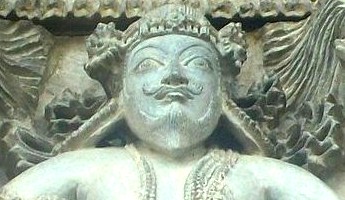
Hoysala Dynasty Karnataka: From Chieftains to Kings
The Hoysalas began their ascent as subordinates, loyal feudatories serving the powerful Western Chalukya Empire. Early rulers like Nripa Kama II governed their hill tracts, building their strength quietly. The pivotal moment came with King Vishnuvardhana in the early 12th century. In a brilliant military campaign, he defeated the Cholas at the Battle of Talakad, expelling them from Karnataka. This victory, combined with his strategic political maneuvers, transformed the Hoysalas from mountain chieftains into a sovereign kingdom, establishing the foundations of the independent Hoysala empire and charting a new course for Deccan history.
The King's Court at Dorasamudra
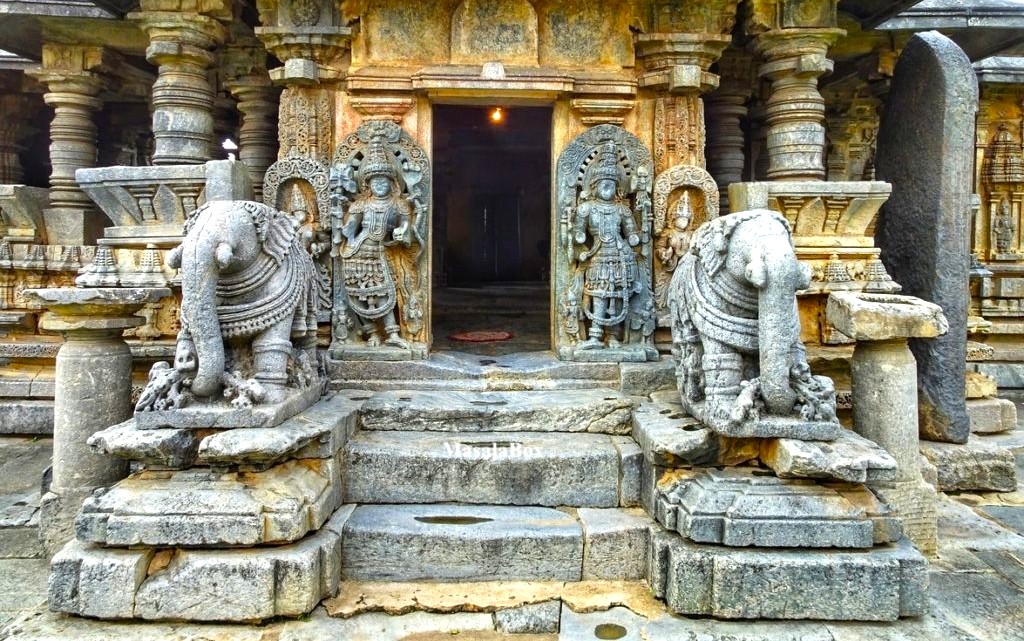
A day in the life of a Hoysala king at his capital, Dorasamudra (modern Halebidu), was a delicate balancing act. Mornings were dedicated to dispensing justice and hearing the petitions of his subjects. Afternoons were consumed by high-stakes military and diplomatic councils, navigating the complex power struggles between the declining Chalukyas and the ambitious Yadavas and Pandyas. Evenings were a celebration of high culture, with the king presiding over a court that patronized legendary Kannada poets like Janna, Rudrabhatta, and Harihara, making the Hoysala court a vibrant center for Kannada literature. Hoysala Dynasty Karnataka
Life in the Star-Shaped Temples' Shadow
For the common person, life was deeply intertwined with the land and the magnificent temples rising in their midst. Society was primarily agrarian, with village assemblies managing local resources like irrigation tanks and canals. The construction of the elaborate temples was a massive economic driver, employing thousands of architects, sculptors, and labourers. These temple complexes were not just places of worship but also community centers, banks, schools, and concert halls, forming the socio-economic hub of Hoysala village life and fostering a shared cultural identity.
Feasting on Southern Bounty
The royal kitchens of the Hoysalas would have prepared a sophisticated cuisine based on the agricultural wealth of the region. Rice, millets, lentils, and a wide variety of vegetables were staples. The Hoysala kings were patrons of multiple faiths, and the courtly diet likely included both vegetarian and non-vegetarian dishes. The use of coconuts, jaggery, and southern spices like pepper and cardamom would have been prominent. Food was an expression of prosperity, with grand feasts marking religious festivals and military victories, showcasing the culinary traditions of medieval Karnataka.
Justice Etched in Intricate Detail
Hoysala law was a continuation of established traditions, drawing from Dharmashastras and local customs, with the king as the supreme judicial authority. Inscriptions often serve as legal documents, meticulously recording land grants, tax obligations, and the resolution of disputes. Justice was administered by royal officials and village councils, which had the power to settle local issues. The legal system under Hoysala rule emphasized fairness and the protection of property, with the detailed temple inscriptions themselves acting as permanent, public records of legal and economic transactions. Hoysala Dynasty Karnataka
A Pantheon
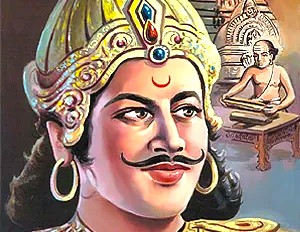
The Hoysala rulers were remarkable for their religious tolerance and patronage of multiple faiths. King Vishnuvardhana, though he converted from Jainism to Vaishnavism under the influence of the philosopher Ramanuja, continued to support Jaina establishments. His successors, like Veera Ballala II, were devout Shaivas. This pluralism is immortalized in their art, with temples dedicated to Vishnu, Shiva, and Jaina Tirthankaras built with equal devotion. The religious harmony and patronage in the Hoysala kingdom created a flourishing environment where different philosophical schools thrived side-by-side.
A Universe in a Chariot Wheel
Hoysala temple festivals were vibrant community events. Processions featuring bronze idols of deities, carried on palanquins or small chariots, would move through the temple complex and town. Music from pipes and drums, and performances by temple dancers, were integral to the celebrations. The architecture of Hoysala temples with their open mandapas (halls) was perfectly designed to serve as a stage for these public performances of music, dance, and religious storytelling, making the temple a dynamic theater for divine celebration and community participation.
Poetry as a Pillar of State
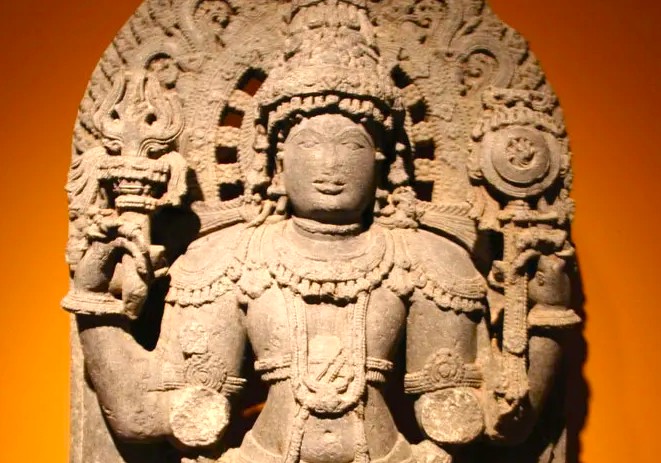
The Hoysala court was a golden age for Kannada literature. The kings were not just patrons but connoisseurs, fostering a brilliant circle of poets who wrote in the "Champu" style, a unique mix of prose and verse. Janna's Yashodhara Charite explored the ethics of non-violence, Rudrabhatta wrote on Vaishnava themes, and Harihara pioneered a new poetic meter. The patronage of Kannada poets by Hoysala kings was a matter of royal pride, elevating the vernacular language to the highest literary status and cementing their legacy as champions of regional culture.
Guardians of the Southern Marches
The Hoysalas were born from conflict and lived in a state of constant military readiness. They were skilled warriors who perfected the art of defensive warfare, using their hilly terrain to their advantage. King Veera Ballala III's long and tragic struggle against the invading forces of the Delhi Sultanate is a saga of incredible resilience. The military history of the Hoysala dynasty is one of a determined regional power fighting fiercely to maintain its independence against colossal northern and southern empires, acting as a crucial buffer in the turbulent 13th-century Deccan.
Queens of a Sculpted Kingdom
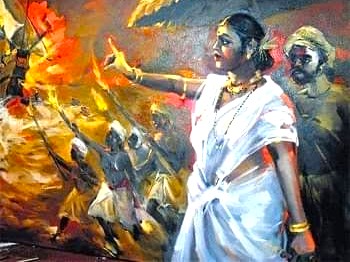
While the society was patriarchal, women of the Hoysala royal and noble classes wielded significant influence. Queen Umadevi governed as a regent, and Queen Shantaladevi, wife of Vishnuvardhana, was a celebrated patron of the arts and a renowned dancer herself. The role of Hoysala queens in administration and culture is well-documented in inscriptions. They commissioned temples, managed land grants, and were respected figures in court, demonstrating a level of agency and public participation that was notable for the era.
The Jewel-Box Temple Erupts
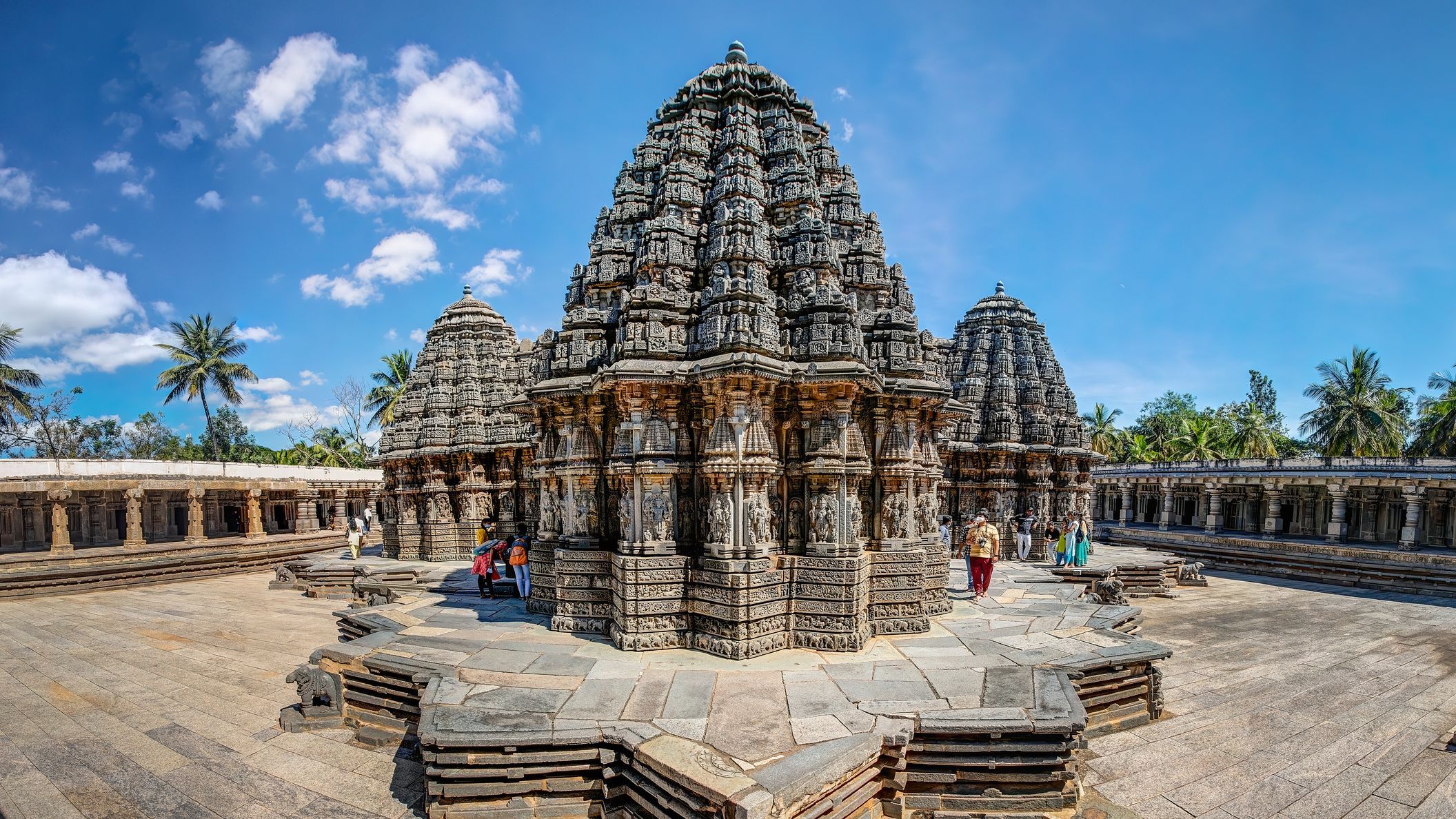
The Hoysala artistic genius found its ultimate expression in a unique style of temple architecture. Built on star-shaped platforms using soft soapstone, which allowed for breathtakingly intricate carving, these temples are like sculpted jewelry boxes. The Hoysala style of temple architecture at Belur and Halebidu, with its lathe-turned pillars, bracket figures of celestial maidens (Madanikas), and friezes teeming with elephants, lions, and scenes from the epics, represents a distinct and dazzling peak in the history of Indian art.
A Hero's Stone for the Fallen
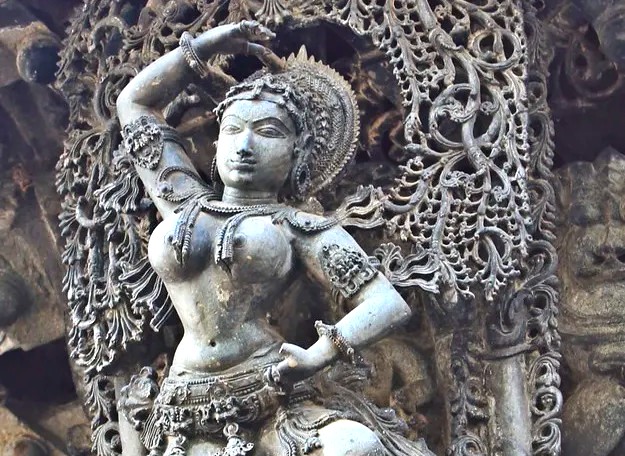
For the Hoysalas, death in battle was a celebrated act of heroism. This is vividly captured in the hundreds of "Viragallu," or hero stones, that dot their former kingdom. These multi-paneled reliefs depict the hero's glorious final battle, his ascent to heaven attended by celestial nymphs, and his final communion with his chosen deity. The tradition of erecting hero stones in the Hoysala empire provided a powerful social incentive for bravery, offering a tangible promise of immortal fame and divine reward for the ultimate sacrifice.
Healing Amidst the Temples
Healthcare during the Hoysala period followed the well-established principles of Ayurveda. Physicians were respected members of the community, and inscriptions sometimes mention grants of land to support them. While not known for large, centralized hospitals, the temple complexes themselves often served as centers of well-being, providing a clean, spiritual environment. The practice of traditional Ayurvedic medicine in medieval Karnataka was a holistic one, focusing on herbal remedies and balanced living to maintain the health of the king's subjects.
Carving Canals from the Land
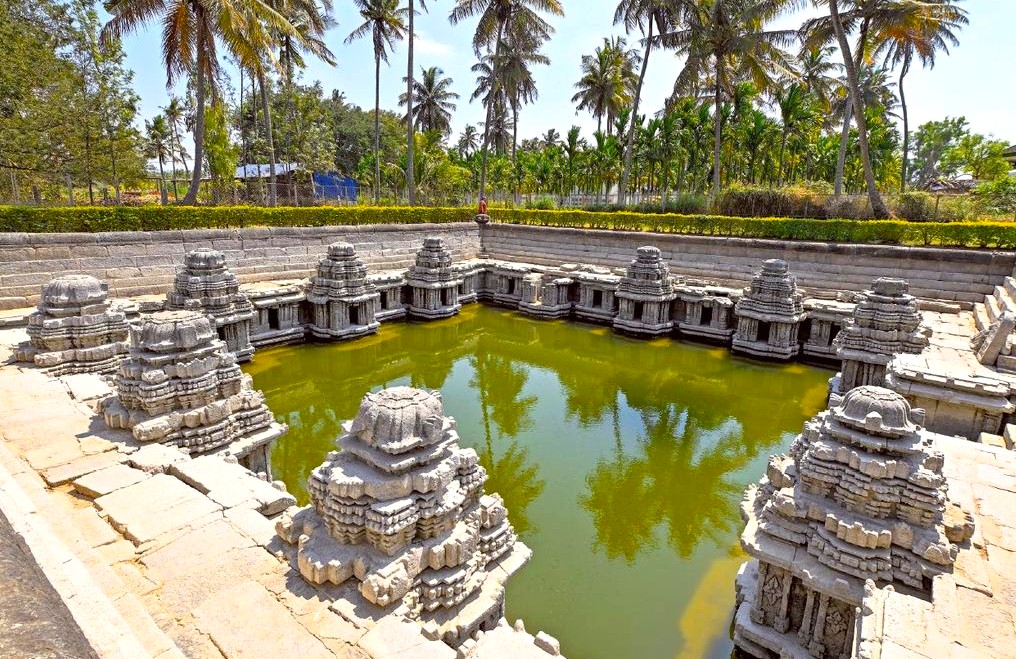
The economic foundation of the Hoysala kingdom was its productive agriculture, made possible by a sophisticated understanding of water management. They were masters of creating "keres" (irrigation tanks) by building earthen embankments across valleys. Canals were dug to channel water from these reservoirs to the fields. The construction of tanks and canals by Hoysala rulers was considered a vital royal duty, as these irrigation systems ensured food security, generated tax revenue, and sustained the population that built their magnificent temples.
Sacked by the Northern Tide
The end of the Hoysala dynasty was tragic and violent. In the early 14th century, the armies of the Delhi Sultanate under Malik Kafur and later Muhammad bin Tughlaq swept through the Deccan. The magnificent capital, Dorasamudra, was sacked multiple times, its temples desecrated and its wealth plundered. The last great king, Veera Ballala III, fought relentlessly for decades but was ultimately killed in battle against the Sultan of Madurai around 1343 CE. The invasions of the Delhi Sultanate as the cause of the Hoysala empire's destruction brought a sudden and brutal end to one of India's most artistically brilliant dynasties.
Step Inside The Story - View All Tour Itineraries & Details
We’re here to offer genuine, thoughtful guidance if your interested in travelling to India. As a small, dedicated team, we pay close attention to every detail so you can focus on enjoying the experience while we take care of the planning. We believe the best trips begin when someone truly listens to what you want and how you like to travel, so the journey feels right for you and contributes to a happy, positive group on tour. Our communication stays clear, straightforward, and respectful at every step, with the goal of helping you feel understood, supported, and confident from first contact to the end of your journey.
Click Catherine Frith - About The Founder
Click Discover Life Travel - All Tours and More
Click Why We Are Different - Unique, Safe, Transparent