Unique Insights Into The Emperors Of India
Tipu Sultan: Tiger Of Mysore
Discover Life Travel
The Unyielding Tiger of the South
The historical narrative of the southern Indian highlands stretches back centuries before the 1750 birth of Tipu Sultan. Long before his aggressive Khudadad state commanded the region, this territory along the Kaveri River was ruled by the Western Ganga Dynasty during the fourth century. These early agrarian rulers established the foundation for communities that cultivated the rich river delta. The landscape subsequently transitioned through the Hoysala and Vijayanagara powers, evolving from a peaceful collection of Hindu principalities into a heavily fortified center of military resistance. Today, the surrounding districts support over sixty million people, representing a massive demographic shift from the small tribal clusters that first settled these plains. Tipu Sultan Tiger Of Mysore
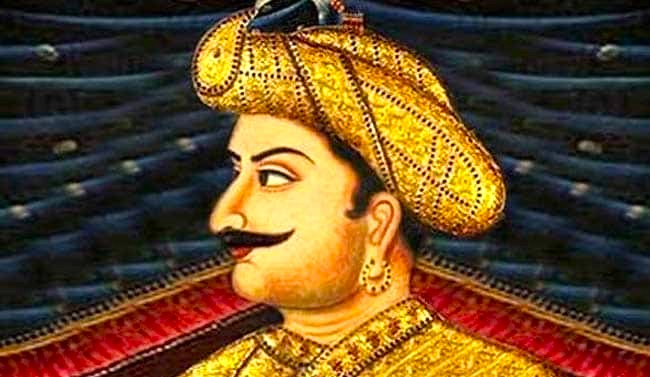
Tipu Sultan Tiger Of Mysore: City of the Sleeping Deity
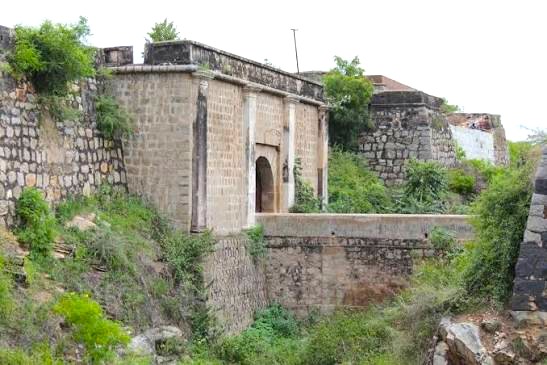
The core settlement holds the title Srirangapatna, derived from Sanskrit terminology translating directly to the City of Lord Ranganatha. This honors the colossal reclining deity housed within the ninth-century temple complex. Positioned strictly at twelve degrees north and seventy-six degrees east in the Mandya district, it functioned as a natural defensive bottleneck for Tipu Sultan. During the reign of the 1st Dynasty rulers like Madhava I, the populace consisted of merely five thousand farmers. By the late eighteenth century, the sovereign expanded this number to nearly one hundred thousand, filling the island with his trusted soldiers. Currently, the town accommodates a modest thirty thousand residents who maintain ancient agricultural practices on this contested ground.
Crafting the Teakwood Sanctuary
Construction of the Darya Daulat Bagh commenced in 1784, intended as a well-ventilated refuge from the stifling heat of the central stone fortress. Tipu Sultan mandated that the builders strictly avoid heavy masonry, opting instead for premium timber supported by brick plinths. The sprawling structure features open corridors and false canvas ceilings designed to maximize wind circulation. Every interior wooden surface is coated with intricate floral patterns and sprawling murals executed in natural vegetable dyes, recounting his personal military victories. The local populace contributed skilled artisans to complete this project, ensuring the lower-level private chambers and the upper-floor audience hall reflected a unique blend of tactical functionality and artistic restraint without excessive stonework. Tipu Sultan Tiger Of Mysore
Dawn Rites and Royal Duty
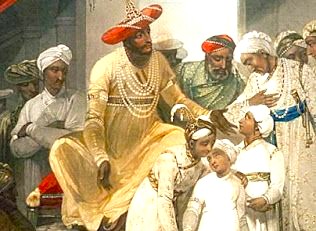
The daily routine within the palace walls started well before dawn with mandatory prayers, followed by a light morning meal of honey, almonds, and warm milk. Tipu Sultan spent his early hours reviewing detailed espionage reports and inspecting the local troops. In the afternoon, the court gathered in the audience hall to hear petitions from the citizenry and coordinate diplomatic correspondence with states like France. His queens managed the sprawling domestic staff, ensuring the kitchens and storerooms were adequately supplied. Children attended rigorous tutoring sessions in the adjacent library. This disciplined schedule left little room for idle luxury, reflecting his constant state of military readiness required to maintain absolute independence. Tipu Sultan Tiger Of Mysore
Autumn Blades and Spring Sweets
The social calendar for the inhabitants was anchored by the Dasara festival, commencing every October at 9:00 AM. This ten-day observance featured massive parades and the public display of the state sword, reinforcing the bond between his army and the populace. Another crucial event was the Ugadi celebration in March at 10:00 AM, marking the regional lunar new year. Citizens prepared a specific mixture of bitter neem and sweet jaggery, symbolizing the acceptance of life's dualities. These events provided rare moments of communal unity where Tipu Sultan interacted directly with the commoners. The festivities temporarily halted the grueling cycle of weapons manufacturing, allowing the community to celebrate the harvest together.
Matriarchs of the Inner Fortress
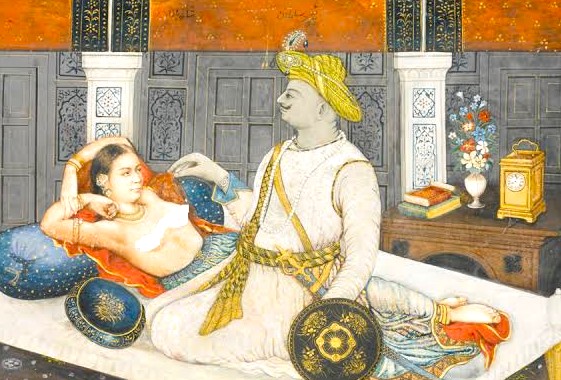
Marriage within the regional nobility functioned as a vital strategic mechanism for Tipu Sultan to forge alliances and secure troop commitments from rival clans. Women orchestrated these unions, navigating complex negotiations to ensure the political stability of his ruling house. Once married, the women assumed absolute control over the domestic economy, managing vast budgets and overseeing the spiritual education of the next generation. They were the custodians of local customs and dictated courtly etiquette for the elite. The matriarchs wielded quiet but formidable power, frequently advising their husbands on matters of statecraft and troop morale. Their resilience provided a crucial stabilizing force, allowing him to focus entirely on the relentless demands of territorial defense. Tipu Sultan Tiger Of Mysore
Tonics of the Royal Physicians
The medical practices of his era relied heavily on the Unani system integrated with indigenous Ayurvedic knowledge. Physicians treated battlefield wounds using pastes derived from turmeric and neem bark to prevent infection. For digestive ailments, residents consumed tonics brewed from ginger root and rock salt. Tipu Sultan cultivated specific shrubs in his royal gardens, including the cinchona plant, which provided a bitter extract used to combat severe monsoon fevers. Elder women in the community were the primary compounders of these remedies, passing down recipes orally. This reliance on natural local flora ensured his soldiers remained healthy during prolonged sieges, demonstrating a practical mastery over the botanical resources available within the river delta. Tipu Sultan Tiger Of Mysore
Engineering the River Channels
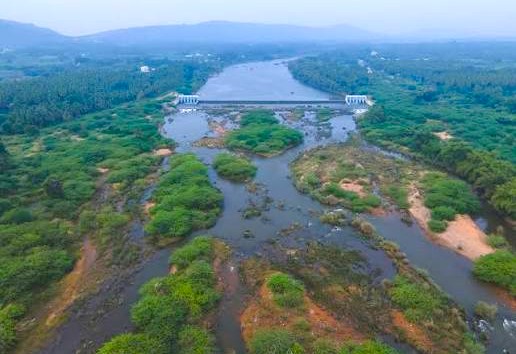
Controlling the Kaveri River was essential for both agricultural survival and strategic defense. Tipu Sultan expanded upon ancient Chola engineering by constructing heavy stone anicuts across the riverbed. These dams diverted water into a complex network of irrigation canals, ensuring a steady supply of moisture for the surrounding rice paddies. The channels also fed deep stepwells inside the fortress, securing the drinking supply during enemy blockades. His state officials rigorously managed the distribution quantities, penalizing anyone who hoarded water. This hydraulic mastery allowed the isolated island to sustain a massive population and withstand prolonged military sieges, turning the natural flow of the river into a weapon of endurance and agricultural prosperity.
Global Markets and Iron Fire
His economy was heavily fortified by a centralized board of trade that monopolized the export of sandalwood, silk, and black pepper. Merchant caravans transported these goods to the coastal ports, securing vital foreign currency and Arabian horses. Simultaneously, Tipu Sultan became infamous for deploying the first iron-cased military rockets. Local engineers packed black powder into metal tubes, attaching them to bamboo poles for stability. These weapons were manufactured in massive quantities and fired in volleys, causing chaos among colonial cavalry units during the 1780 Battle of Pollilur against General Baillie. This dual focus on aggressive international commerce and cutting-edge military technology made him a formidable economic and martial power.
Tipu Sultan Summer Palace
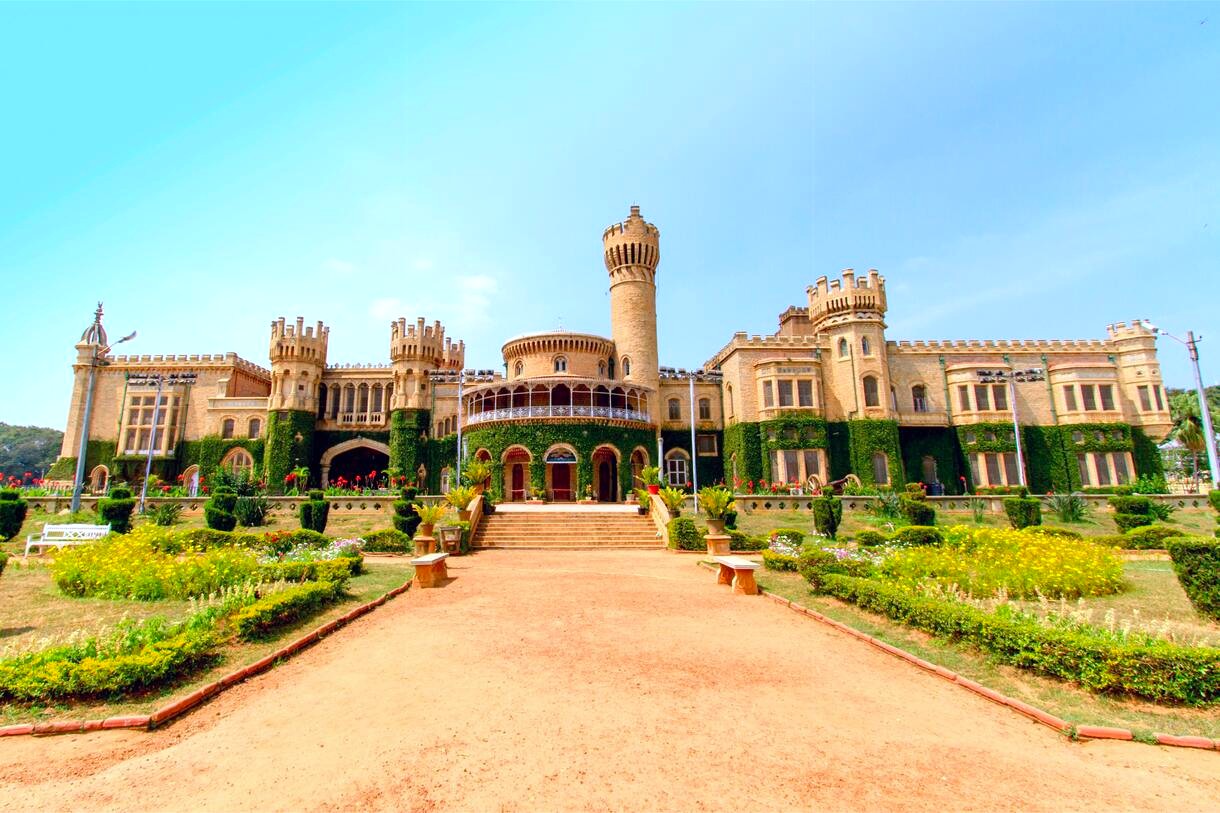
The summer residence stands as a two-story wooden structure, elevated on a high plinth to protect it from the seasonal floods of the river. The interior is completely covered in detailed paintings that recount the military successes of Tipu Sultan, including his tactical formations against foreign battalions. These murals are among the few surviving examples of their kind, offering a pictorial history of the eighteenth century. The building utilizes a series of open balconies and false ceilings to facilitate airflow, keeping the interior cool without the need for thick stone walls. Every inch of the teak surface is decorated with floral patterns and geometric designs, created by local artists using natural pigments. Tipu Sultan Tiger Of Mysore
The Fall of the Khudadad State
The ultimate collapse of his Mysore Dynasty occurred in May 1799 during the climax of the Fourth Anglo-Mysore War. A massive coalition of British troops and local adversaries completely surrounded the island capital. Historical figures like General Harris orchestrated a relentless bombardment that eventually breached the northern retaining wall. Tipu Sultan fell in combat near the water gate, effectively dissolving his centralized military government. The victorious colonial forces rapidly dismantled his administrative apparatus and reinstated the former Wadiyar family under a highly restrictive subsidiary alliance. This pivotal transition replaced his fiercely independent military state with a compliant regional administration, permanently cementing British political dominance across the southern Indian peninsula.
Step Inside The Story - View All Tour Itineraries & Details

We’re here to offer genuine, thoughtful guidance if your interested in travelling to India. As a small, dedicated team, we pay close attention to every detail so you can focus on enjoying the experience while we take care of the planning. We believe the best trips begin when someone truly listens to what you want and how you like to travel, so the journey feels right for you and contributes to a happy, positive group on tour. Our communication stays clear, straightforward, and respectful at every step, with the goal of helping you feel understood, supported, and confident from first contact to the end of your journey.
Click Catherine Frith - About The Founder
Click Discover Life Travel - All Tours and More
Click Why We Are Different - Unique, Safe, Transparent