
Arc Of The East Tour India
Mahakal Temple: Darjeeling - India
Mother Masala Tours
The Ancient Spirit of Observatory Hill
The name Mahakal represents the "Lord of Great Time," a title for Shiva. History begins with the Namgyal Dynasty of Sikkim -India who held this land before the 1765 construction of the Dorje Ling monastery by Lama Dorje Rinzing. In 1815, during the Gorkha War, the original structure was destroyed. You find that the current framework brings together 132,010 residents who live here today. In 1817, the British East India Company took control. You"ll follow the path where Hindu priests and Buddhist monks lead rituals together. Mahakal Temple Darjeeling India.
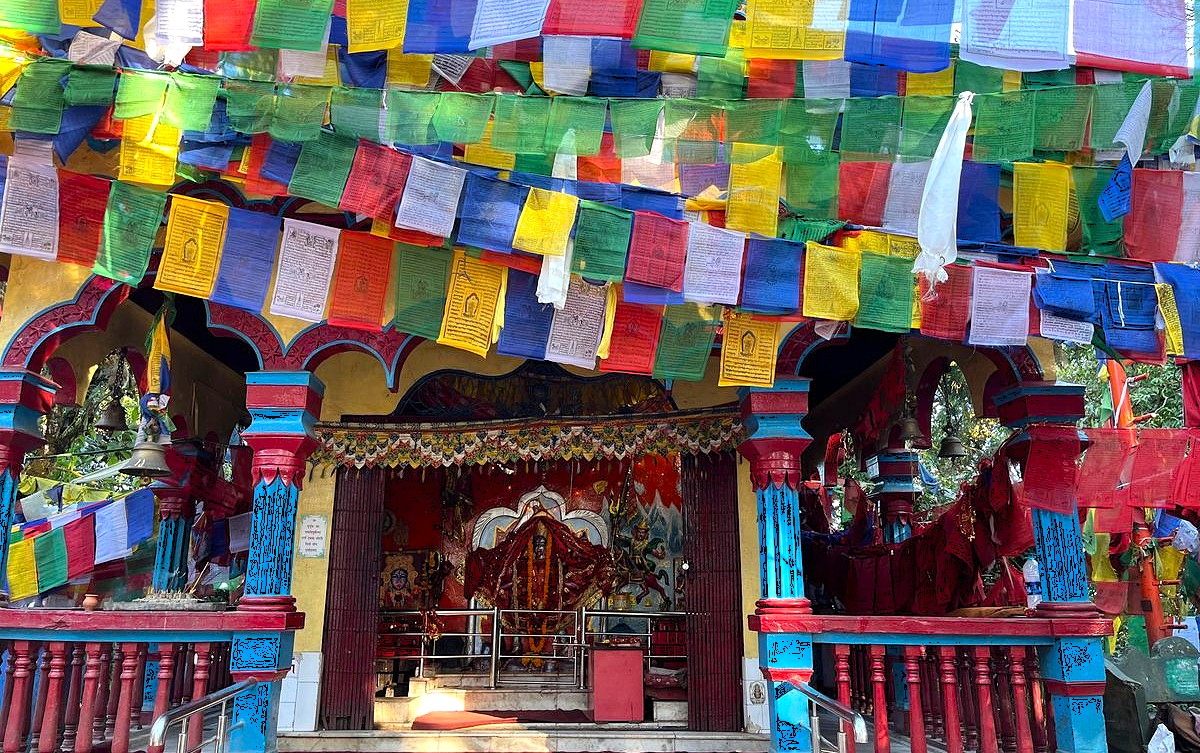
Sacred Spaces: Mahakal Temple Darjeeling India
Your walk brings you to the summit where the 1782 foundation once stood. It contains a collection of unique 18th-century brass bells and prayer flags that belong only to this specific location. You see the three gold-painted icons representing Shiva, Vishnu, and Brahma. These items exist only in this district, separated from the lower valleys by their high-altitude composition. The atmosphere is peaceful, allowing for a view of the original 19th-century stone inscriptions detailing the land grants. The structure provides a restful environment where history feels tangible.
Ancient Mosaics: Impeccable Craftsmanship
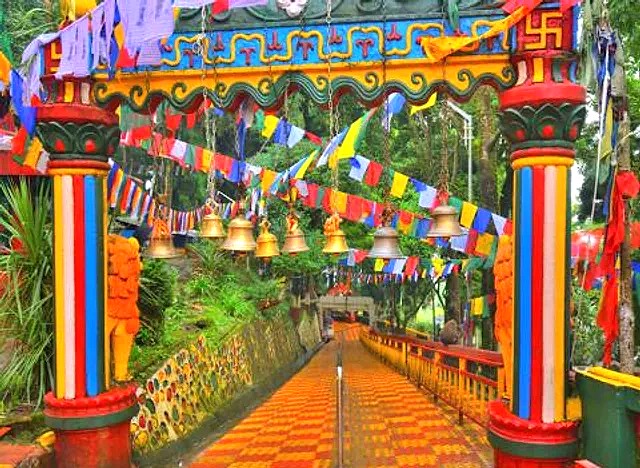
The floor of the 1782 cave shrine features masonry designed by local Gorkha artisans. A team led by the mason Bir Bahadur installed these pieces using fine mountain slate and river stone. See patterns that utilize locally sourced grey stone and dark granite. The artistry is refined, revealing a sophisticated level of detail in the geometric borders. These patterns represent the early aesthetic of the Himalayan region, emphasizing delicate symmetry. Walking over the smooth surface, you notices the impeccable alignment of each stone. Mahakal Temple Darjeeling India.
The Pulse of the Local Community
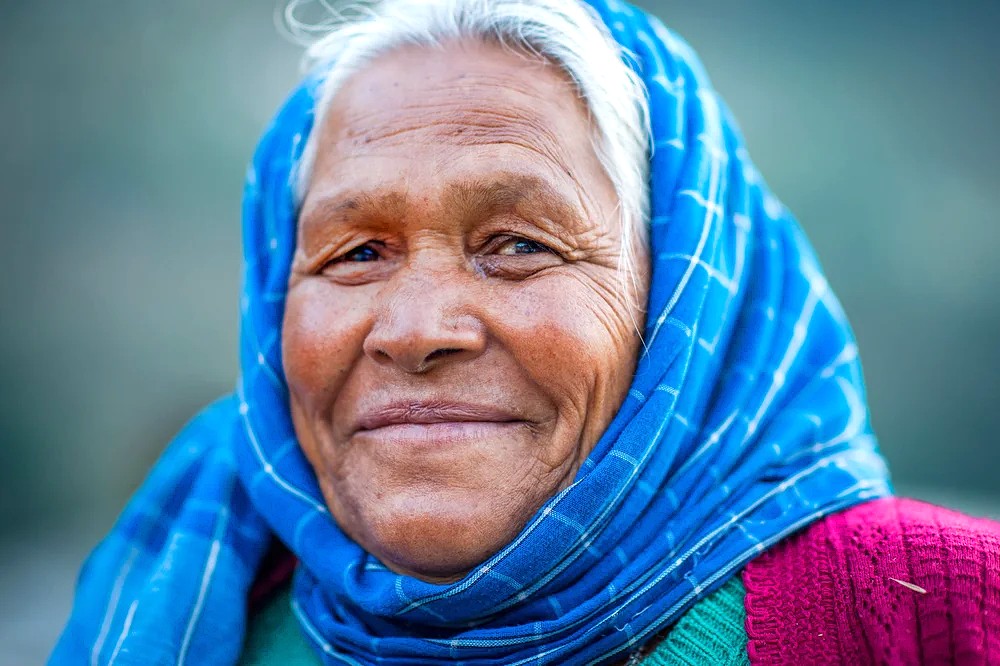
Locals start their day at 5:00 AM, engaged in the active practice of "Puja" and rhythmic chanting. The daily life here is lively, with families gathered to hang fresh prayer flags. A unique quality of the people is their dual devotion to both Hindu and Buddhist traditions, a tradition kept alive by the 132,010 residents. Your presence is welcomed with a relaxed smile while watching the energetic exchange of greetings. The community is occupied with maintaining the hilltop paths, ensuring each structure stays upright.
Capturing the Magic: A Photographic Haven
A stunning opportunity exists to photograph the thousands of colorful prayer flags. These are unique to the religious framework and create a spellbinding silhouette against the Himalayan peaks. Capture the exquisite textures of the weathered cloth and the surrounding mist. Offering an incredible view of the ridge that leaves people transfixed by the simple beauty. Every place we visit is a mirror. We see the destination: we see how we react to its challenges, its beauty, and its silence.
A Culinary Journey: Savor the Flavour
The local specialty served nearby is the Darjeeling Churpi, a refined snack made using traditional yak milk. It primarily consists of hardened cheese, seasoned with salt and locally sourced mountain herbs. It became famous in the late 1700s when the first mountain settlers perfected the long-lasting recipe. The process involves slow-drying the cheese over wood fires to achieve a thick, elegant consistency. Mahakal Temple Darjeeling India.
The Connection With the Gods
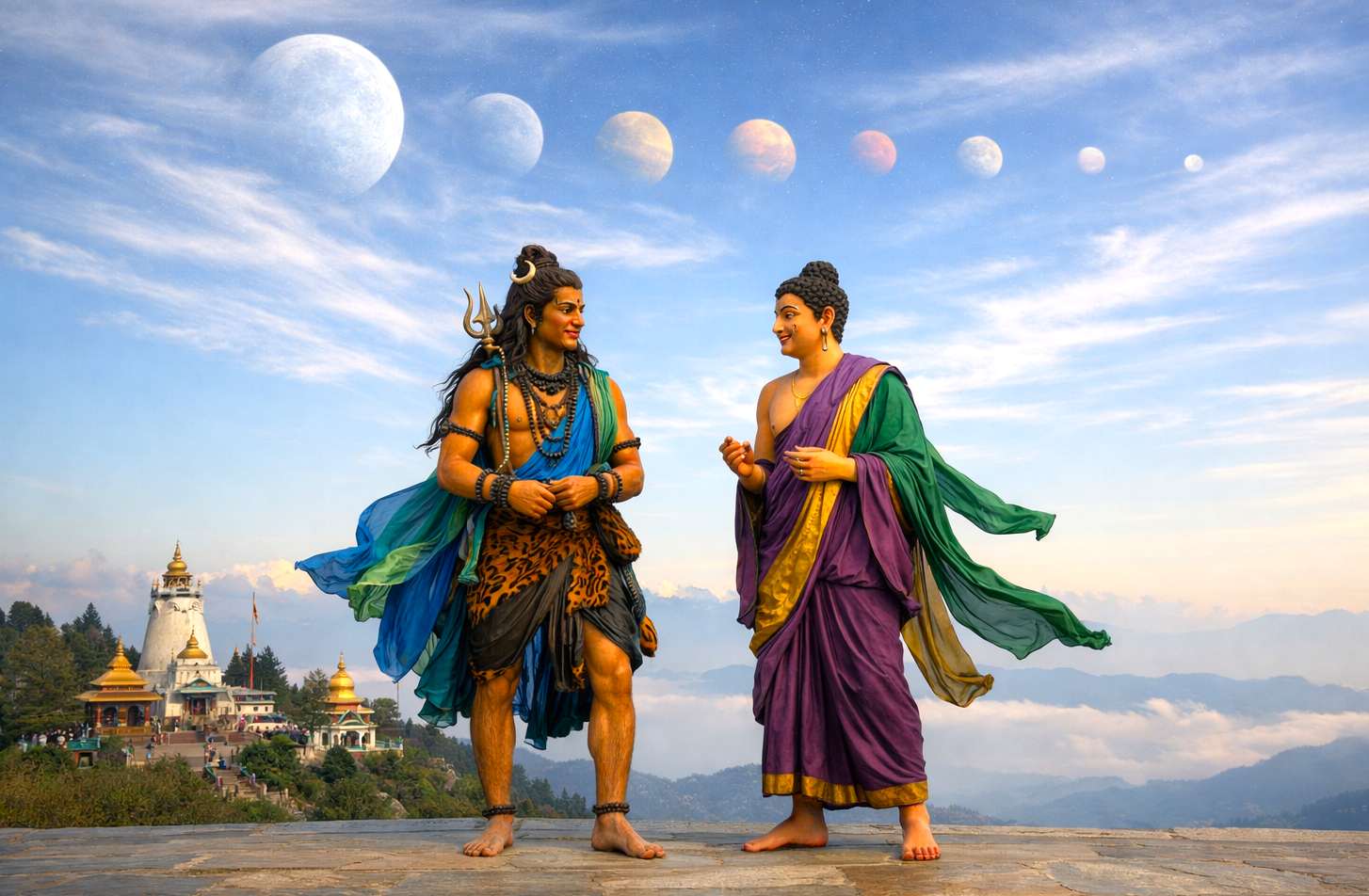
Devotion centers on Shiva and the Buddha, who are believed to reside together upon this sacred hill. Oral traditions from local elders recount that a divine protector appeared to the monk Lama Dorje Rinzing in 1765, guiding him toward the ridge. This connection remains deeply meaningful to the community, who revere the hill as a divine shield for the region. Throughout the sanctuary, a powerful reflective energy is felt where the gods are honored. The edifice dedicated to them stands as a notable achievement of local building design.
Festivals of Devotion: Honouring the Sacred and the Divine
The Maha Shivaratri festival takes place annually in February or March, usually starting at 4:00 AM. Characters like the head priest, Pandit Sharma, and the local Buddhist monks participate in the ceremonial bathing of the deity. The event is about celebrating the power of Shiva and seeking protection for the 132,010 inhabitants. Many are entranced by the energetic chanting and the lively mood of the crowd. The festival is a substantial part of their life. The atmosphere is energetic as the community gathers.
Serendipitous Meetings: Beyond the Main Path
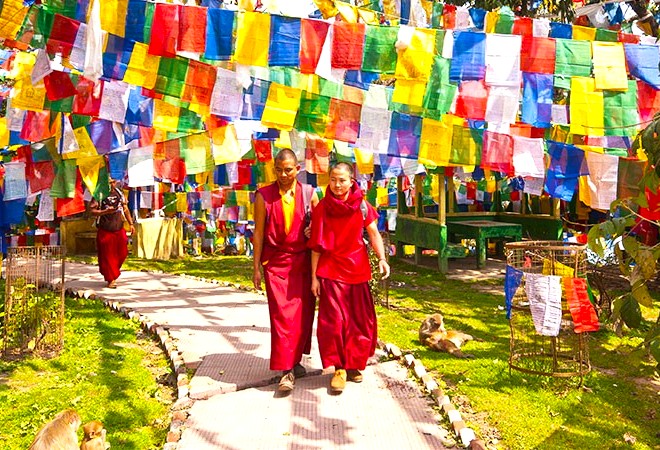
Navigate narrow lanes to discover hidden workshops where craftsmen still practice the rhythmic art of hand-milling local grains. Tucked within the backrooms of historic Chowrasta homes, artisans meticulously carve wooden symbols destined for mountain dwellings. These unique treasures, far from the main road’s bustle, offer a rare glimpse into a vibrant world of dedicated craftsmanship. Here, you will encounter local tea sellers performing ancestral techniques passed down through decades. This intimate environment reveals a sophisticated level of skill, where every motion reflects a deep-rooted heritage.
Ancient Technologies: Sacred Sound, Geometry & Astrological Influences
The temple construction uses high-density mountain stone and brick, which creates a specific acoustic phenomenon within the central cave. Sound frequencies during the morning bells resonate at 528 Hz. This frequency is part of the Solfeggio scale and is known to create a sense of repair and health for people. The geometry of the layout follows a series of nested circles, a composition that aligns with traditional mandalas to focus energy. This framework creates healing frequencies through the precise architectural alignment of the shrine walls. The building materials are substantial, chosen for their ability to conduct sound. Mahakal Temple Darjeeling India.
Serendipitous Meetings: Beyond the Main Path
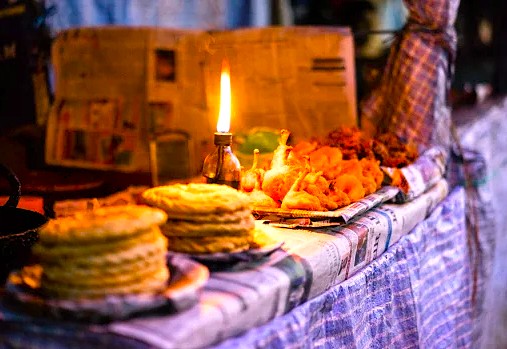
Beyond the busy main roads, narrow lanes reveal a world of authentic craftsmanship and heritage. In the quiet backrooms of historic Chowrasta houses, skilled artisans carve intricate wooden symbols for mountain homes, preserving a deep-rooted local tradition. Nearby, small factories hum with the steady rhythm of hand-milled grains, revealing a dedicated world of manual labor. You’ll encounter local tea sellers practicing timeless techniques passed down through generations. Hidden spaces offer a glimpse into the region's living history.
Resilience and Renewal: Overcoming Adversity’s Challenges
In 1815, a massive conflict during the Gorkha War devastated the original monastery, testing the original framework of the mountain paths. Residents, led by the local elders, used substantial resources to rebuild the stone shrine to ensure safety. During the 1934 earthquake, the community organized local support to restore the temple walls, showcasing a miracle of human cooperation. These events shaped the local character, making the 132,010 people active in their own preservation. The triumph over these challenges is a notable part of their story. The 1817 British control and subsequent reconstruction served as a meaningful symbol of their incredible strength and persistent energy against the shifts of the high mountains.
Urban Legends: Strange Sightings, Myths and Mysteries
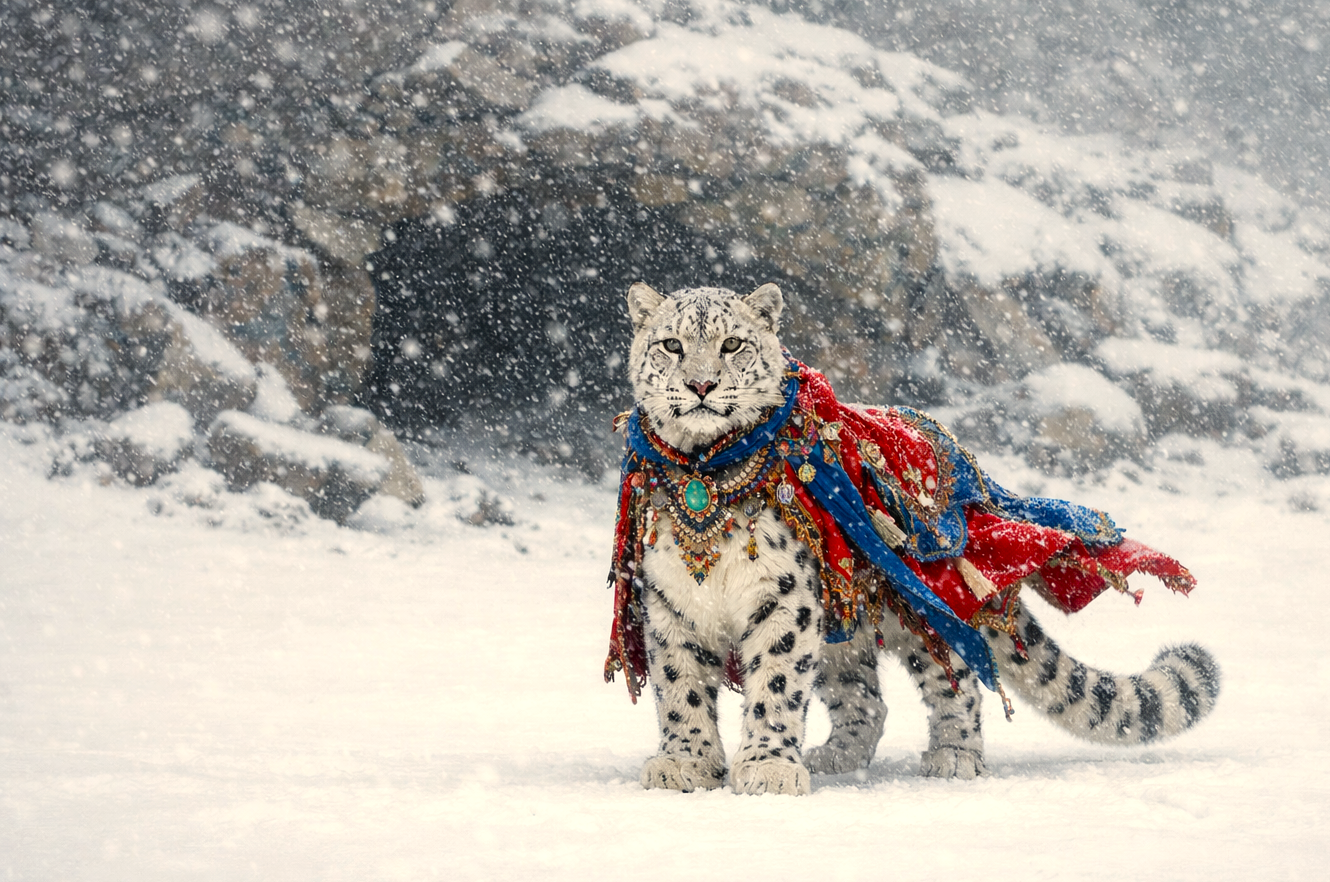
Local legend speaks of the "White Leopard" seen near the 1782 cave during the heavy winter snows. Stories from the local residents mention a large animal who disappears when approached. Another mystery involves the "Singing Bells" near the ridge, a phenomenon reported since the 1960s where the bells appear to hum. Some believe these are signs of mountain spirits, while others think it is a natural miracle of wind reacting with the metal. Mahakal Temple Darjeeling India.
You’ll Need a Clever Excuse for Missing This One
This destination offers a journey unlike any other in the mountains. Presence is an important part of the exchange between the world and this historic pocket. The trip is situated at the intersection of history and daily life, where people are transfixed by the local grace. This journey is an incredible opportunity to see a part of the world that remains true to its roots. The experience is substantial and the memories created are fantastic. This is an invitation to witness a world that is refined, elegant, and waiting for those who walk through its ancient, stone-lined paths. You will find a sense of true stillness here at the peak.
Symphony of Generosity: Offerings from Wanderers to Residents

The interchange between guests and locals provides vital financial support for ongoing heritage restoration projects. This support helps maintain unique hand-weaving factories, ensuring that these centuries-old artistic traditions continue to flourish. In return, visitors gain an exquisite understanding of a lifestyle that is profoundly peaceful and reflective. These benefits are entirely mutual; the residents gain the essential means to preserve their traditional building designs and sacred landmarks, while guests achieve an incredible, meaningful connection to the living past.
Step Inside The Story - View All Tour Itineraries & Details

We’re here to offer genuine, thoughtful guidance if your interested in travelling to India. As a small, dedicated team, we pay close attention to every detail so you can focus on enjoying the experience while we take care of the planning. We believe the best trips begin when someone truly listens to what you want and how you like to travel, so the journey feels right for you and contributes to a happy, positive group on tour. Our communication stays clear, straightforward, and respectful at every step, with the goal of helping you feel understood, supported, and confident from first contact to the end of your journey.
Click Catherine Frith - About The Founder
Click Discover Life Travel - All Tours and More
Click Why We Are Different - Unique, Safe, Transparent