
Ark Of The East India Tour
Chennai: East India
Mother Masala Tours
A Coastal City Through Time
Chennai developed along the Coromandel Coast with evidence of Pallava rule (4th–9th century), later Chola and Vijayanagara influence, and emergence under British control from 1639 when an East India Company settlement was established. Fort St George was constructed in the 1640s as an administrative and military edifice. The area has temples with medieval origins and colonial-era public buildings. Over time the port, railways and industry expanded. You can feel the atmosphere shaped by centuries of trade, faith and administration. Today the metropolitan region holds 12 million people; population growth has guided urban formation, transport frameworks and municipal development through successive eras. Chennai East India.
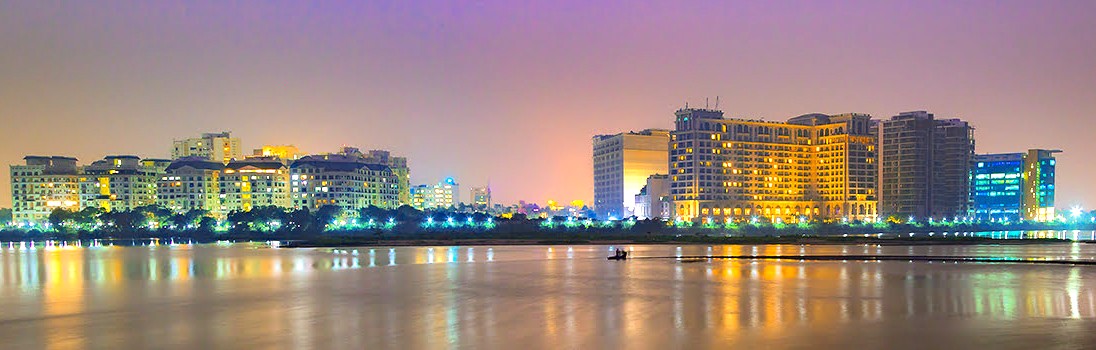
Timeless Artifacts: Chennai East India
Local religious centers hold stone idols, metal bronzes and temple chariots that date to medieval periods; many items were crafted by regional smiths and sculptors using lost–wax and stone-carving techniques. Temple precincts include pillared halls, sanctums and ritual platforms where daily rites continue on precise schedules. Museum collections preserve colonial records, maps and administrative seals from the 17th–19th centuries, while archaeological finds show continuity from early medieval settlements. Conservation teams catalog inscriptions in Tamil and Sanskrit, and selected sites are included in state-level heritage lists. If you explore these collections, you will encounter artifacts that reflect continuity of ritual practice and civic records over centuries.
Ancient Mosaics: Impeccable Craftsmanship
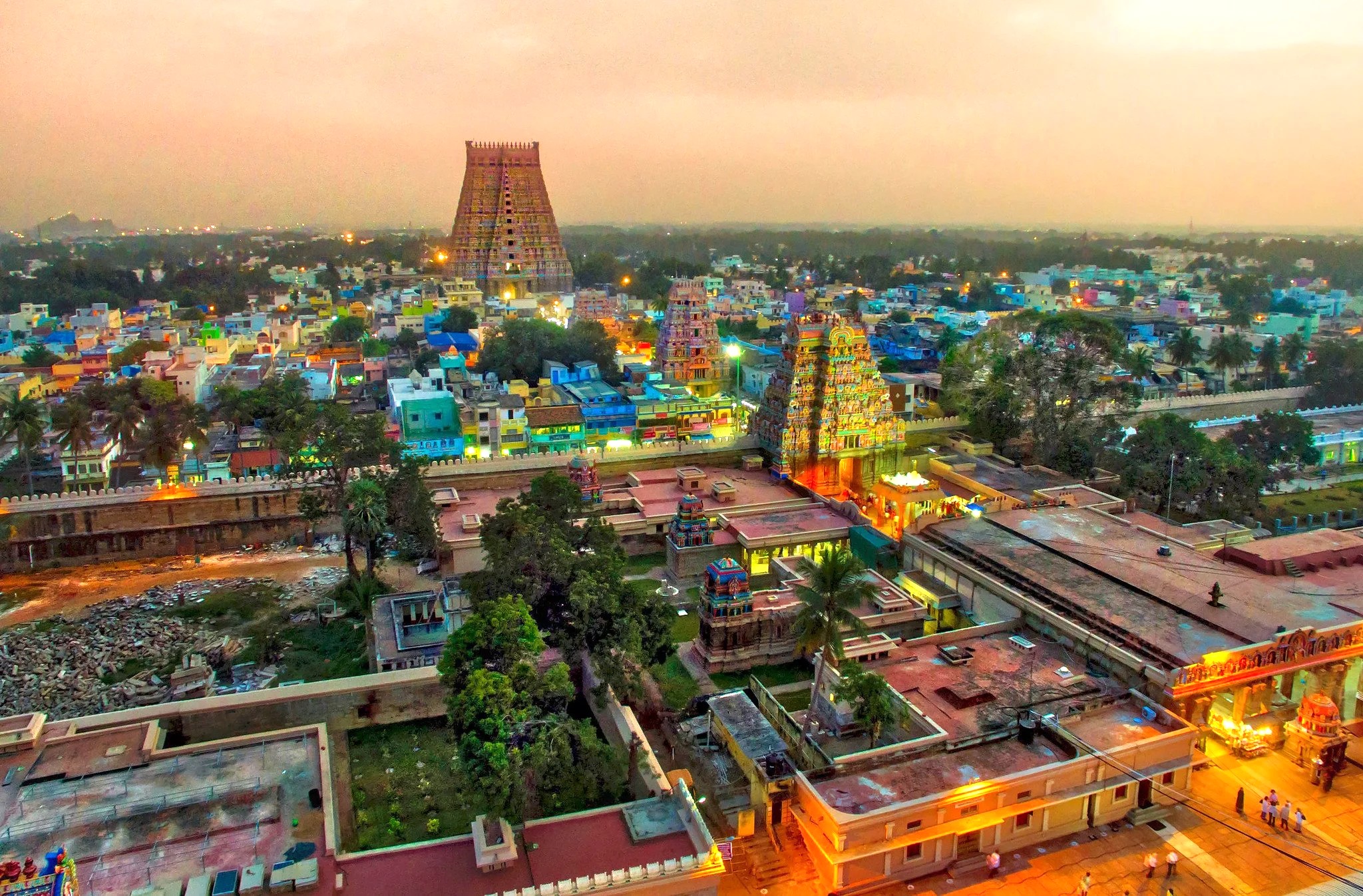
Craftsmen from this region historically worked in bronze casting and stone carving: the Chola period (9th–13th century) is noted for refined metalwork exemplified by standing bronze icons created using the cire-perdue method. Temple masonry displays dressed stone blocks, carved pillars and fresco fragments attributable to workshops patronized by local rulers across the 12th–16th centuries. Chennai East India.
The Pulse of the Local Community
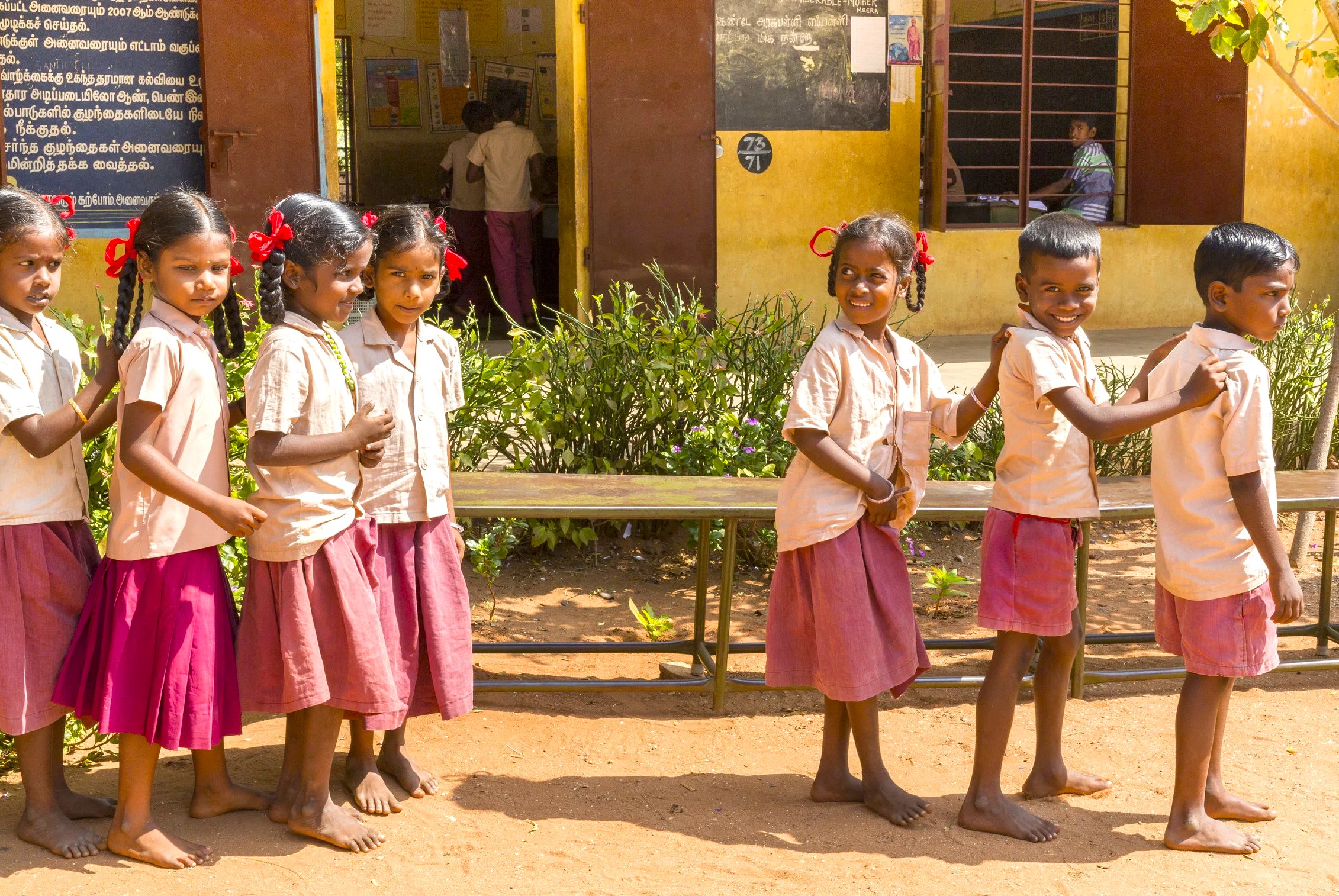
Daily routines revolve around markets, offices, educational institutions and religious schedules; mornings begin with market trade in fish, vegetables and textiles, and commute patterns concentrate along main arterial roads and rail corridors. Households balance extended family life with employment in government, manufacturing, IT and port services. Traditional craftsmen - metalworkers, weavers and potters - operate small workshops often located near residential lanes. Local festivals and weekly market days structure seasonal activity, while municipal services manage water supply and waste in high-density zones.
Capturing the Magic: A Photographic Haven
Shoreline promenades, colonial facades, temple gopurams and street markets present diverse photographic subjects. Early morning light along the coast and late afternoon on granite façades create strong contrasts and rich textures. Capture candid market scenes: stall keepers arranging produce, traders weighing goods, bicycles threading narrow lanes. Fishermen haul nets offering dynamic human moments.
A Culinary Journey: Savor the Flavour
Regional cuisine emphasizes rice, lentils, fish, coconut and local spices; a popular breakfast item combines fermented rice batter with urad dal cooked into thin crepes, served with sambar and chutneys made from coconut, tamarind and chilies. Coastal fish preparations use tamarind and curry leaves, with mustard seed tempering. Street stalls prepare spiced rice and lentil-based snacks using mustard oil or gingelly oil. Traditional sweets use jaggery, coconut and rice flour. Recipes are handed down through families and public eateries, and you will notice skill in spice balancing and ingredient freshness that defines the local palate and culinary identity. Chennai East India.
Festivals of Devotion: Honouring the Sacred and the Divine
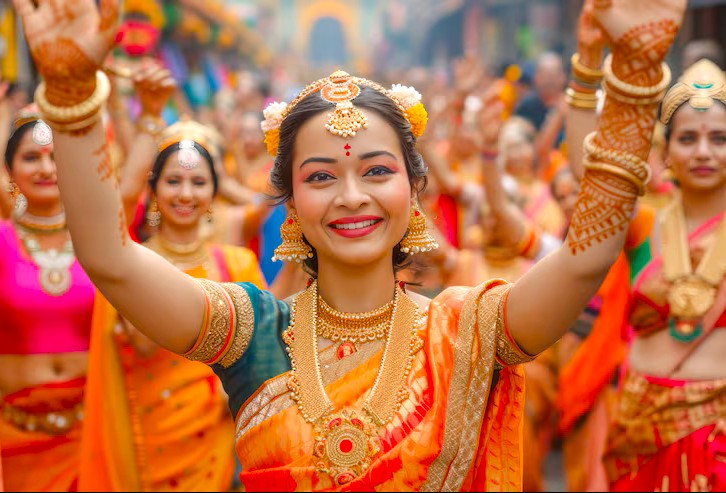
Several temple-centered festivals follow the lunar calendar with specific processions and ritual schedules; one notable annual event occurs during the Tamil month of Panguni (March–April) when temple chariot services and deity processions are conducted on set days and times defined by temple committees. Devotees from surrounding districts attend ritual sequences led by temple priests and hereditary families who manage rites.
Ancient Technologies: Sacred Sound, Geometry & Astrological Influences
Stone sanctums and pillared halls produce acoustic reflections shaped by material and plan geometry; local sacred sites exhibit proportional modules based on traditional canons. Solfeggio frequencies cited in modern discussions include 528 Hz, often associated with proposals for healing sound; acoustics in stone chambers create standing waves and resonances that emphasize mid-range frequencies. Temple plans use square mandala grids and concentric enclosures; geometric proportions in plan and elevation regulate visual harmony and sonic paths. Construction materials - granite, lime mortar, timber and metal - affect sound absorption and reflection. Measured examples show that vaulted spaces and pillared corridors augment reverberation, yielding concentrated tonal sustain for ritual instruments. Chennai East India.
The Connection With the Gods
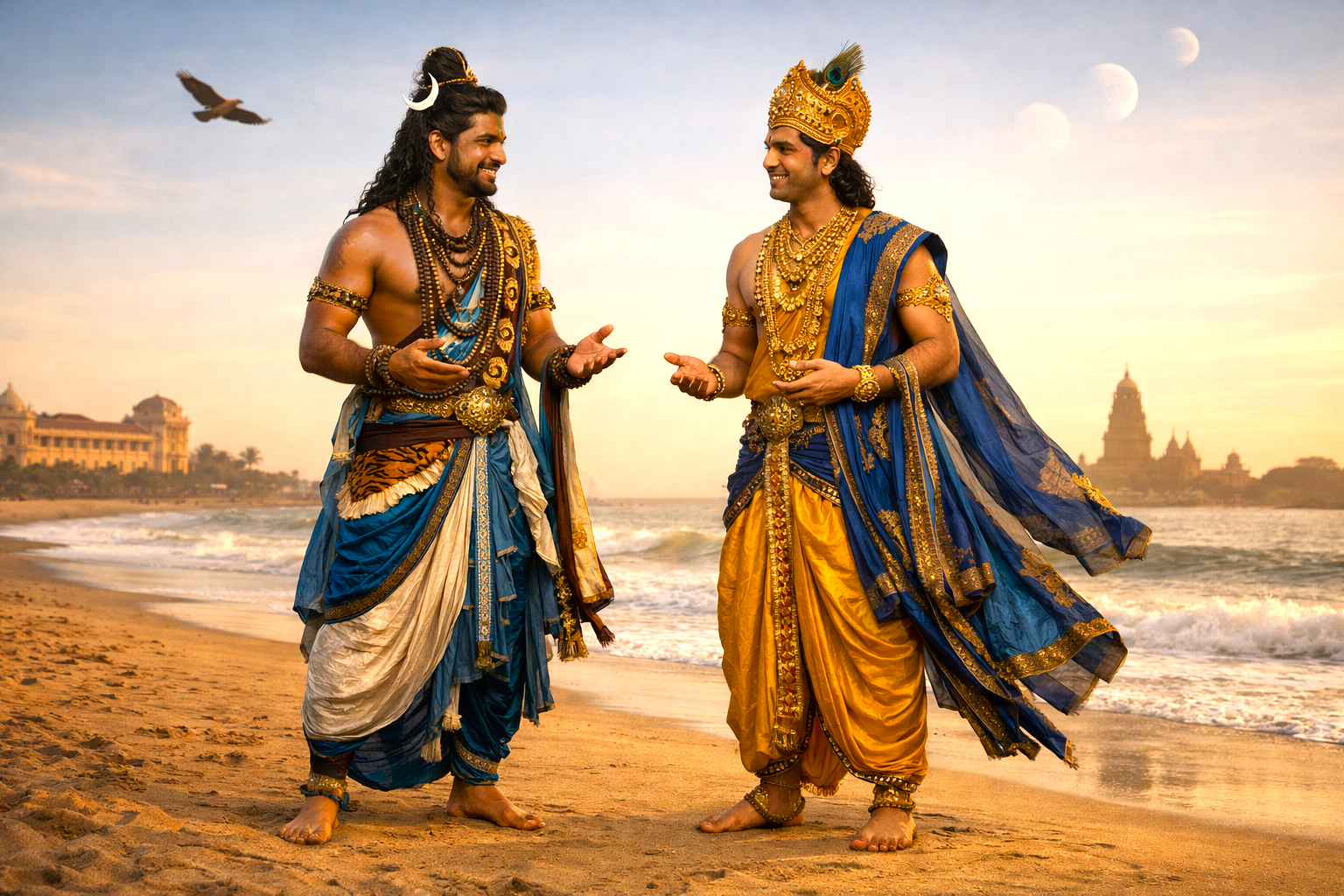
Local temples are associated with deities from Saiva and Vaishnava traditions: principal sanctums house deities such as Shiva represented in lingam form and Vishnu in standing or reclining icons. Temple narratives recorded in local texts recount episodes where regional rulers and saint-poets offered patronage, and iconographic programs on mandapas depict episodic scenes from canonical stories.
Serendipitous Meetings: Beyond the Main Path
Walking residential lanes leads you to small workshops where metalsmiths, hand-loom weavers and spice grinders continue traditional crafts; markets contain family-run mills, dyeing yards and toolmakers supplying local trade. You encounter printing presses producing posters, or small-scale engineering shops fabricating parts for transport and fishing gear. Some neighborhoods host community bakeries and toddy shops that serve routine needs, and courtyard studios where artisans repair brass lamps and musical instruments. These micro-enterprises form an economic web that supports household incomes and offers direct interaction with makers for you to pause and observe their processes.
Resilience and Renewal: Overcoming Adversity’s: Challenges
Historical records note cyclones and floods that affected coastal districts; for example, major storm events in the 20th and 21st centuries caused inundation and infrastructure damage, prompting upgrades to drainage and coastal defenses. Urban fires in dense market areas led to rebuilding with fire-resistant materials and revised municipal codes. Wartime adjustments during the 18th–20th centuries altered port operations and trade patterns, catalyzing shifts to rail and manufacturing.
Urban Legends: Strange Sightings, Myths and Mysteries
Local oral traditions include tales of temple lamps that reportedly resisted extinguishing during storms, and stories of merchant families whose ledgers survived fires intact - narratives that reinforce themes of continuity and luck. Neighborhood legends recount hidden wells connected to older settlements and accounts of ancestral benefactors who established communal tanks and wells, stories preserved in family records and temple chronicles. Lanes carry names linked to craftsmen guilds and old street chronicles, and elders recount episodes where recovered inscriptions revealed forgotten donations, linking present streets to earlier civic benefactors. Chennai East India.
Your Future Self Is Waiting - Join Us

We are going to walk shoreline promenades, browse markets and enter temple precincts together; you will follow mapped routes that connect colonial-era bastions, market lanes and religious courtyards. Expect a mood that shifts between relaxed seaside sections and active market quarters, with opportunities to observe craft processes and municipal life. Your itinerary will include scheduled stops at heritage museums and public gardens, allowing pause for reflection and photography.
Symphony of Generosity: Offerings from Wanderers to Residents
Economic exchanges include purchases at markets, donations to temple coffers and fees for guided experiences; such flows support small workshops, temple maintenance and family incomes. Guest spending on accommodation, meals and transport underwrites local services and seasonal employment, while knowledge exchange occurs when artisans receive commissions and traineeships. Philanthropic contributions fund school programs and potable-water projects managed by municipal or charitable trusts. Through these reciprocal activities, external spending and local enterprise create a stable cycle of income and cultural continuity, enabling maintenance of important structures, support for craft traditions and the continuation of community services that benefit both residents and guests. Chennai East India.
Step Inside The Story - View All Tour Itineraries & Details

We’re here to offer genuine, thoughtful guidance if your interested in travelling to India. As a small, dedicated team, we pay close attention to every detail so you can focus on enjoying the experience while we take care of the planning. We believe the best trips begin when someone truly listens to what you want and how you like to travel, so the journey feels right for you and contributes to a happy, positive group on tour. Our communication stays clear, straightforward, and respectful at every step, with the goal of helping you feel understood, supported, and confident from first contact to the end of your journey.
Click Catherine Frith - About The Founder
Click Discover Life Travel - All Tours and More
Click Why We Are Different - Unique, Safe, Transparent