Arc of the east tour kashmir india
Yumthang Hot Springs sikkim
Mother masala tours
Warm Waters Beneath the Himalayan Peaks
Yumthang Hot Springs lie near Yumthang Valley in North Sikkim, close to the Lachung River and surrounded by Himalayan mountain scenery. The area belongs to the historic region of Sikkim, where Lepcha communities lived before the Namgyal dynasty established its rule in 1642 under Phuntsog Namgyal. Sikkim became an Indian state on 16 May 1975. The springs are reached from Lachung by road, followed by a short walk, depending on access conditions. Their naturally heated water offers a contrast to the cold mountain air. As you travel here, we discover a local tradition of bathing in geothermal water amid a dramatic mountain setting. Yumthang Hot Springs Sikkim
Yumthang Hot Springs Sikkim: Sacred Spaces
The main attraction here is a natural geothermal spring rather than a historic monument or a collection of ancient artifacts. Sulphur-rich water rises from underground and is channelled into bathing pools inside a simple hut. To reach the pools, we walk from the road and cross a pedestrian bridge over the Lachung River. The peaceful atmosphere comes from the surrounding mountains, cold air and flowing water. The bathing facilities are practical rather than elaborate, allowing the natural formation to remain the focus. You"ll appreciate the contrast between naturally heated water and the high-altitude Himalayan environment.
Ancient Mosaics: Impeccable Craftsmanship
The springs appeal lies in geological processes rather than human artistry. Water heated underground rises through fractures in the Earth's crust, carrying dissolved minerals, including sulphur compounds. The resulting spring has formed naturally over a long period, without a known construction date. Human intervention is limited to practical facilities that direct the water into bathing pools. As you approach, the simple building design and basic framework contrast with the surrounding mountain formation. You"ll notice that the natural setting supplies the visual composition here, rather than carved stone, painted ceilings or elaborate ornamental work. Yumthang Hot Springs Sikkim
The Pulse of the Local Community
Lachung is the nearest established settlement for our trip to the springs. Its residents include people of the Bhutia community, alongside other communities living in North Sikkim. Daily life in this mountain region is shaped by road access, cold winters, local trade, farming and tourism. Families operate accommodation, eateries and transport services, while some households maintain connections with livestock and highland pastoral traditions. The springs provide a place where people can enjoy naturally warm water during cold weather. We should not assume everyone uses them for the same reasons or that every resident works in tourism.
Capturing the Magic: A Photographic Haven
Bring your camera for the mountain backdrop, the Lachung River and the pedestrian bridge leading towards the bathing hut. The contrast between steaming water and the cold Himalayan atmosphere offers a unique photographic opportunity. You can capture the surrounding slopes, the natural spring area and the simple pools without staging the scene. Please respect people's privacy around the bathing facilities and avoid photographing anyone without permission. Check local conditions before crossing the bridge, particularly after heavy rain or snowfall. Yumthang Hot Springs Sikkim
A Culinary Journey: Savor the Flavour
The springs do not have a documented signature dish of their own, so our food experience comes from nearby Lachung. Here we can look for thukpa, a Himalayan noodle soup commonly prepared with noodles, vegetables, broth and, depending on the recipe, meat. Another local favourite is momos, dumplings filled with vegetables or meat and usually served with a chilli-based dipping sauce. These dishes suit the cold mountain atmosphere and are commonly found in Sikkimese eateries. Recipes vary between households and restaurants, so ingredients are not identical everywhere. We can ask local cooks how they prepare their broth, seasonings and fillings, then enjoy a relaxed meal before returning along the mountain road.
Festivals of Devotion: Honouring the Sacred and the Divine
Losar, the Tibetan New Year, is celebrated by many Buddhist communities in Sikkim, including people with cultural ties to Tibetan traditions. Its date follows the lunar calendar, so the timing changes each year, usually falling in February or March. Families mark the occasion with prayers, visits, special foods and gatherings. Buddhist monasteries across Sikkim may hold ceremonies according to their own calendars, but no particular annual festival schedule has been verified for the hot springs themselves.
The Connection With the Gods
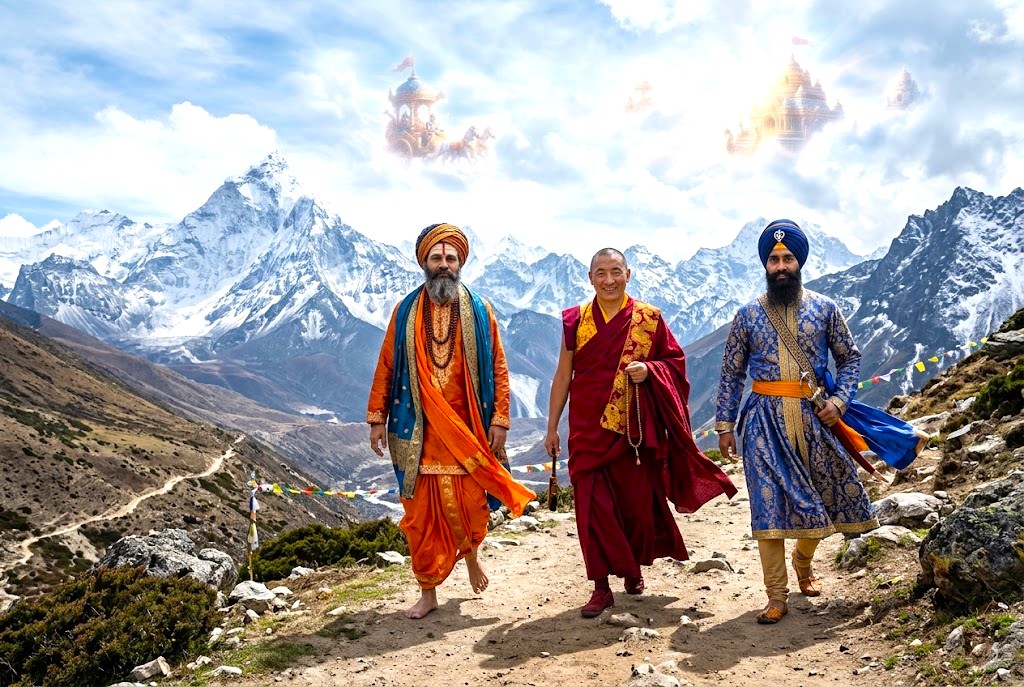
The wider Sikkim region has strong connections with Tibetan Buddhism, while Hindu traditions are also present. No specific deity or established religious legend has been reliably documented as belonging to the Yumthang springs themselves. In Tibetan Buddhist belief, Guru Padmasambhava, also known as Guru Rinpoche, is revered for bringing Buddhism to Tibet and is deeply respected in Sikkim. Shiva is worshipped in Hindu traditions throughout the Himalayan region, but we should not attribute a particular Shiva legend to these waters without evidence. As we explore, we can appreciate the mystical mood of the mountains while distinguishing religious beliefs from verified local history. The natural spring remains the central experience here.
Serendipitous Meetings: Beyond the Main Path
Depending on the season, you may see livestock, roadside stalls and local transport operating along the route towards Yumthang Valley. Rather than assuming that particular workshops or factories exist beside the pools, you can explore Lachung for locally made goods and ask shopkeepers about their products. Conversations can reveal how families balance traditional practices with income from tourism. The relaxed pace encourages you to notice ordinary details, from food preparation to mountain farming, while respecting people's privacy and daily responsibilities. Yumthang Hot Springs Sikkim
Resilience and Renewal: Overcoming Adversity’s Challenges
North Sikkim's mountain communities have long depended on roads that can become difficult to use during heavy snowfall, landslides and periods of intense rain. These conditions can interrupt transport, supplies and access to remote settlements. The springs themselves have no well-documented, site-specific history of a major fire, battle or flood with a verified date, so assigning one would be misleading. The wider region experienced a major disaster in October 2023, when a glacial lake outburst flood affected the Teesta River basin and caused extensive damage in Sikkim. Its effects varied across the state, and we should not assume the bathing pools suffered a particular form of damage without direct evidence.
Urban Legends: Strange Sightings, Myths and Mysteries
One story recorded in Sikh tradition tells of Guru Nanak and the miraculous appearance of hot water. According to an account published in The Sikh Review, Guru Nanak travelled through Lachung towards Yumthang on his way to Tibet and Bhutan. The story says he found local people reluctant to bathe because the mountain water was so cold. He removed a stone, and warm water emerged from the ground, providing a place to bathe. The tale connects the spring with spiritual guidance and cleanliness, although it is a religious tradition rather than a verified historical event. Yumthang Hot Springs Sikkim
We’re Going, and You’re Invited to the Journey of a Lifetime
We are heading into North Sikkim for an experience shaped by mountain scenery, river crossings and naturally heated water. From Lachung, our road journey leads towards Yumthang Valley, where the Himalayan slopes frame the river and open meadows. We will walk across the pedestrian bridge and approach the simple bathing hut, where the warmth of the spring contrasts with the cool mountain air. The experience is about slowing down, noticing the natural surroundings and learning how local people use these waters. We will check access conditions before travelling, dress for the cold and allow time to enjoy the setting at a relaxed pace.
Symphony of Generosity: Offerings from Wanderers to Residents
Your visit supports the local economy when we use locally operated transport, choose family-run accommodation and eat at independent restaurants in Lachung. These purchases help create income for drivers, cooks, shopkeepers and accommodation providers. In return, local people share practical knowledge about mountain roads, weather conditions, regional food and everyday life in North Sikkim. We can also support the community by buying locally produced goods where their origin is clear and paying fair prices for services. Meaningful exchanges develop through respectful questions and consideration for local customs.
Step Inside The Story - View All Tour Itineraries & Details

We’re here to offer genuine, thoughtful guidance if your interested in travelling to India. As a small, dedicated team, we pay close attention to every detail so you can focus on enjoying the experience while we take care of the planning. We believe the best trips begin when someone truly listens to what you want and how you like to travel, so the journey feels right for you and contributes to a happy, positive group on tour. Our communication stays clear, straightforward, and respectful at every step, with the goal of helping you feel understood, supported, and confident from first contact to the end of your journey.
Click Catherine Frith - About The Founder
Click Discover Life Travel - All Tours and More
Click Why We Are Different - Unique, Safe, Transparent