
Arc Of The East Tour India
Sikkim: Himalayan Kingdom - India
Mother Masala Tours
The Sovereign Legacy a Kingdom
Sikkim is located in the northeastern Himalayas, bordered by Bhutan, Tibet, and Nepal. The name originates from Limbu roots meaning "New Palace." Your journey through its history begins with the Namgyal Dynasty, established in 1642 by Phuntsog Namgyal. This ruling line managed the mountain passes for over three centuries as a sovereign kingdom. In 1975, Sikkim merged with India, becoming the 22nd state. Today, the population of 610,577 people lives amidst the legacy of these ancient kings and the Gorkha Dynasty shifts. The primary palace in Gangtok and the stone fortifications were finalized in the late 19th century, providing a sturdy, brick-laden framework for the community. Sikkim Himalayan Kingdom India.
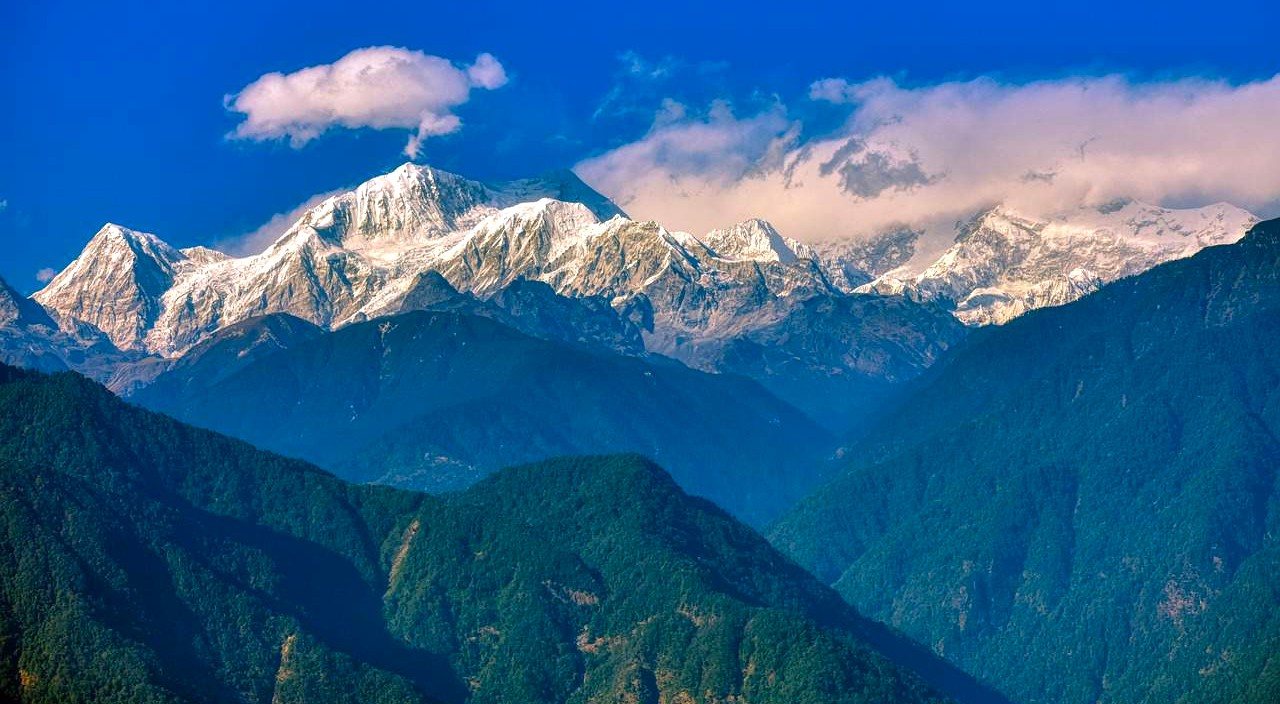
Sacred Spaces: Sikkim, Himalayan Kingdom - India
Your walk brings you toward the Rumtek Monastery, an edifice finalized in its current form in 1966. It holds a collection of 16th-century golden stupas and unique silk thangkas that belong only to this specific location. You will see the Black Hat of the Karmapa, an item that exists only in this district's central sanctuary. The atmosphere is peaceful, allowing for a view of the original 17th-century copper plates detailing the land grants of the first Chogyal. The structure provides a restful environment where history feels tangible. Your experience is transfixed by these items, which remain tucked away in their original setting for you to discover.
Ancient Mosaics: Impeccable Craftsmanship
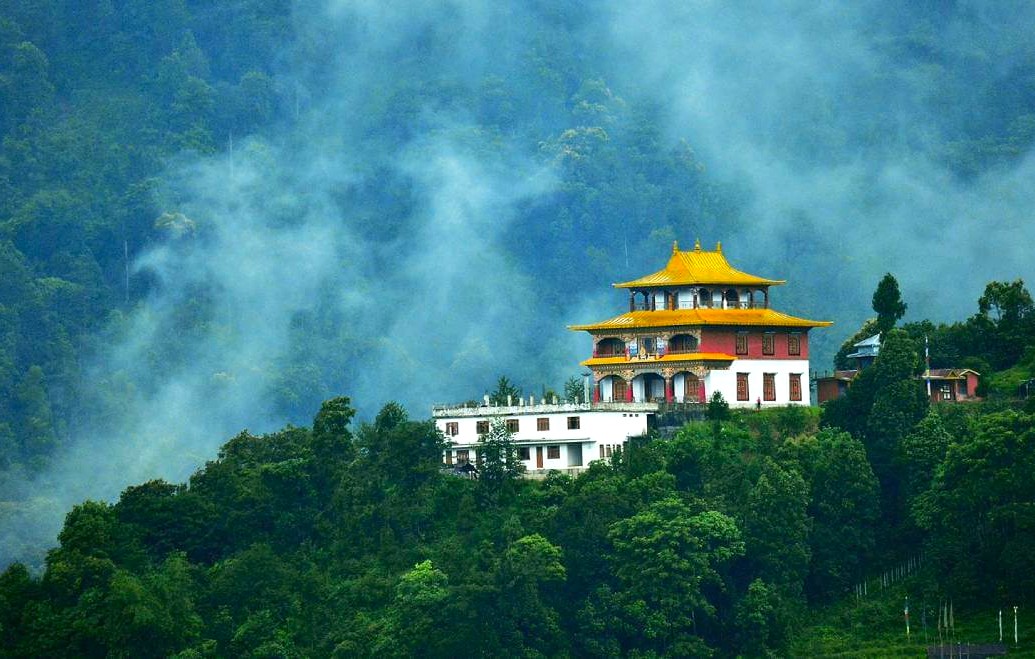
The floor of the 1922 Enchey Monastery features exquisite stonework designed by local Sikkimese artisans. A team led by the master mason Tashi Loday installed these pieces using fine mountain slate and river stone. You observe patterns that utilize locally sourced cobalt and ochre pigments. The artistry is refined, showcasing a sophisticated level of detail in the floral motifs. These patterns represent the early 20th-century aesthetic of the region, emphasizing delicate symmetry. Sikkim Himalayan Kingdom India.
The Pulse of the Local Community
Locals start their day at 5:00 AM, engaged in the active trade of organic cardamom and high-mountain tea. The daily life here is lively, with families gathered at the "Dzumsa" or village councils. A unique quality of the people is their deep respect for the environment, a tradition kept alive by the 610,577 residents. Your presence is welcomed with a relaxed smile while watching the energetic exchange of greetings. The community is occupied with maintaining their heritage homes, ensuring each structure stays upright. The mood is one of cooperation, where the people work together. This substantial bond creates a lively atmosphere that feels incredibly personal and very real for your path.
Capturing the Magic: A Photographic Haven
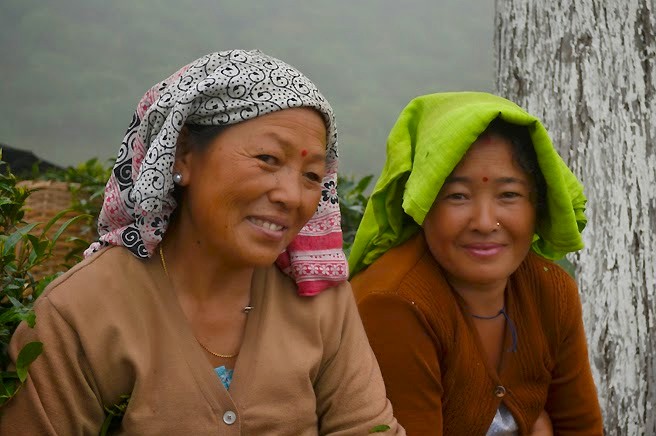
A stunning opportunity exists to photograph colorful prayer flags fluttering against the formidable Kanchenjunga range during the clear morning hours. These vibrant symbols are unique to the local mountain framework, creating a spellbinding silhouette against the deep Himalayan sky. Professional lenses capture the exquisite, frayed textures of weathered cloth and the swirling surrounding mist, revealing a spiritual connection to the landscape. This setting is truly magical for any photography collection.
A Culinary Journey: Savor the Flavour
The local specialty is the Sikkimese Phagshapa, a refined meal made using traditional heavy pots. It primarily consists of stewed pork fat, radishes, and locally sourced dried chilies. It became famous in the late 1800s as a hearty winter staple for the Chogyal’s court. The process involves slow-simmering the ingredients to achieve a thick, elegant consistency. The taste is refined and the presentation is delicate. Sikkim Himalayan Kingdom India.
The Connection With the Gods
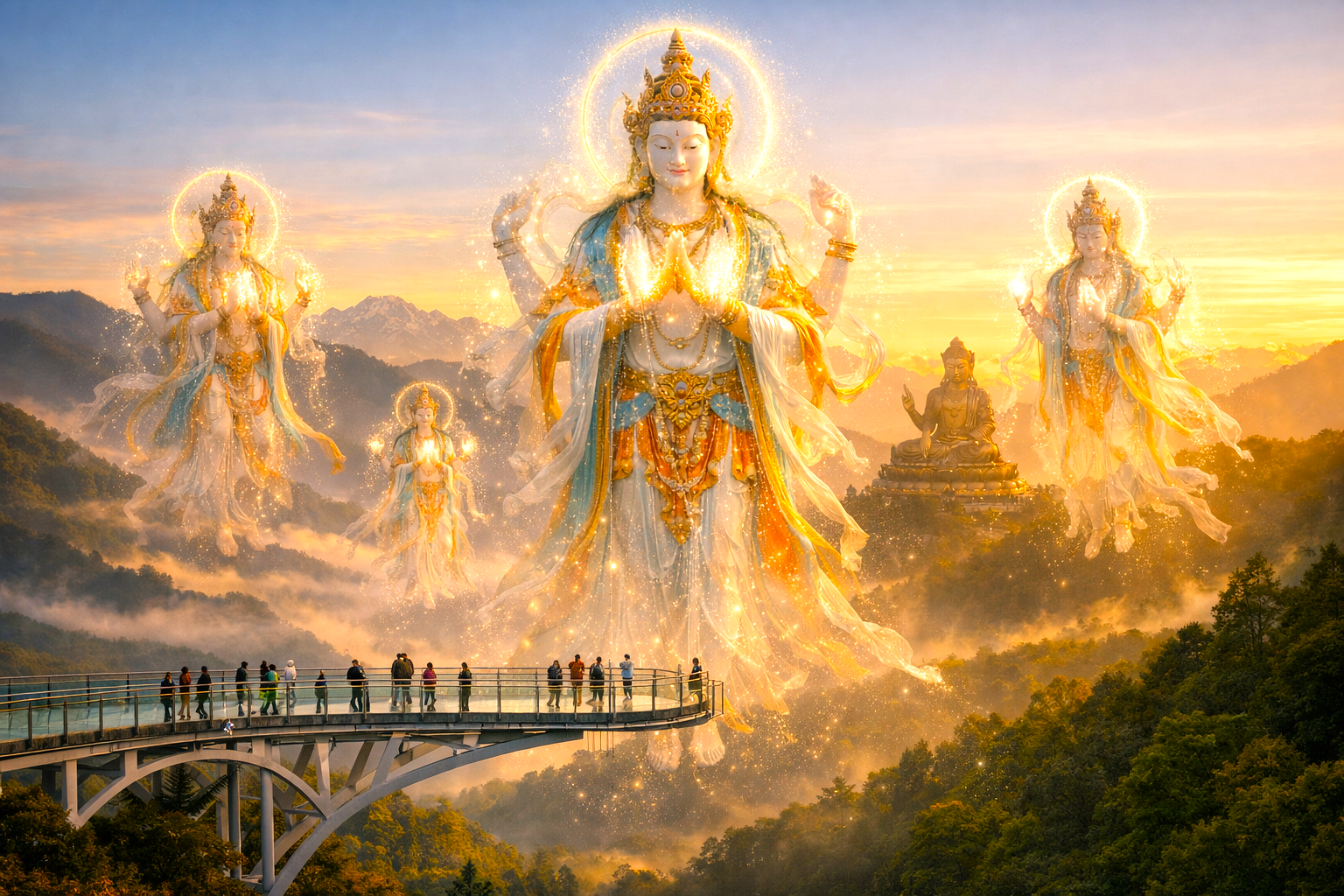
The local devotion centers on Guru Padmasambhava, who is believed to have blessed the land in the 8th century. Stories of the local elders claim the protector appeared to the first priests to guide them toward the sacred hidden valleys. They built small stone shrines that still stands today as a notable part of the local building design. This connection is meaningful to the locals, who view the mountains as a divine protector. The story is simple and provides a mystical element to the grounds.
Festivals of Devotion: Honouring the Sacred and the Divine
The Pang Lhabsol Festival takes place annually in August or September, usually starting at 9:00 AM. Characters like the mountain protector, Kanchenjunga, and the local folk hero, Lhatsun Chenpo, are represented by dancers in heavy masks. The event is about thanking the spirits for the protection of the land and seeking peace for the 610,577 inhabitants. Many are entranced by the energetic dances and the lively mood of the crowd. The festival is not for show; it is a substantial part of their life. The atmosphere is energetic as the community gathers.
Serendipitous Meetings: Beyond the Main Path
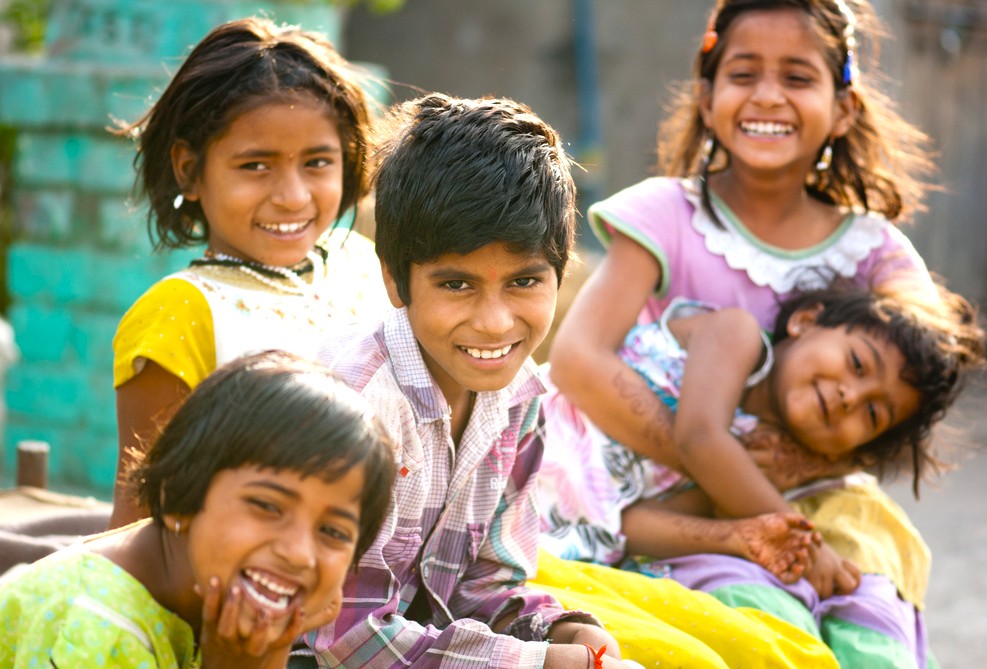
Narrow lanes lead to small factories where craftsmen engage in hand-milling local grains. Artisans carve wooden symbols for the mountain homes, a practice located in the backrooms of old houses in the Gangtok area. These unique findings are tucked away from the main road, offering a glimpse into an active world of manual labor. Encountering local weavers who use looms built decades ago is common. The experience is incredibly authentic, as people find themselves transfixed by the rhythmic sound of the tools.
Resilience and Renewal: Overcoming Adversity’s Challenges
In 2011, a massive earthquake shook the Himalayan region, testing the original framework of the stone monasteries and palaces. Residents, led by the local government, used substantial resources to reinforce the stone foundations to ensure future safety. During the 1975 political transition, the community organized local support to manage the sudden change in governance, showcasing a miracle of human cooperation. These events shaped the local character, making the 610,577 people active in their own preservation. The triumph over these challenges is a notable part of their story. Sikkim Himalayan Kingdom India.
Urban Legends: Strange Sightings, Myths and Mysteries
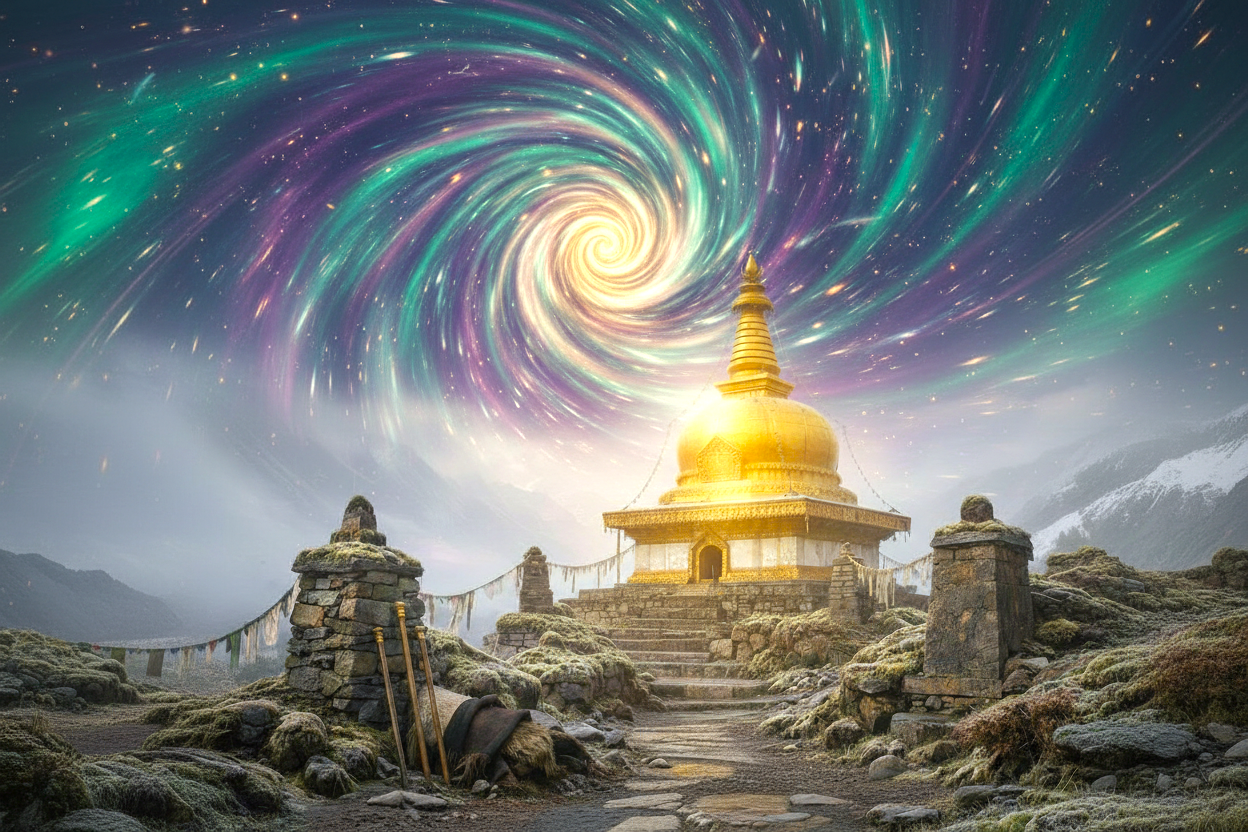
Local legend speaks of the "Golden Chorten" seen near the old 1800s trails during the heavy winter snows. Stories from the local residents mention a glowing light that disappears when approached. Another mystery involves the "Scent of Juniper" in the high passes even when no plants are near, a phenomenon reported since the 1960s. Some believe these are signs of the mountain spirits, while others think it is a natural miracle of mountain air reacting with the minerals. These stories are a substantial part of the local atmosphere.
Be The Person Your Comfort Zone Warned You About - Join Us
This destination offers a journey unlike any other in the mountains. Presence is an important part of the exchange between the world and this historic pocket. The trip is situated at the intersection of history and daily life, where people are transfixed by the local grace. This journey is an incredible opportunity to see a part of the world that remains true to its roots. The experience is substantial and the memories created are fantastic. This is an invitation to witness a world that is refined, elegant, and waiting for those who walk through its ancient, stone-lined paths. Sikkim Himalayan Kingdom India.
Symphony of Generosity: Offerings from Wanderers to Residents
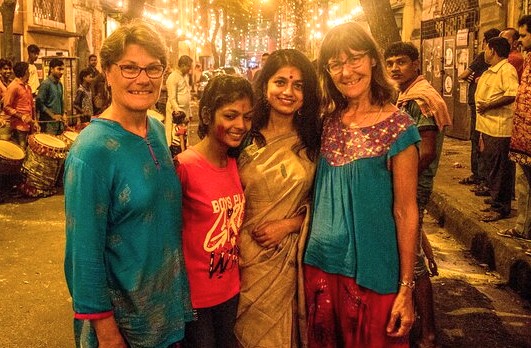
The interchange between guests and the locals provides vital financial support for the ongoing heritage restoration projects. Support helps maintain the unique hand-weaving factories, ensuring the artistry continues. In return, an understanding of a lifestyle that is peaceful and reflective is gained. The benefits are mutual; the residents gain the means to preserve their building design, while guests gain an incredible, meaningful connection to the past. This exchange is a substantial miracle of modern travel.
Step Inside The Story - View All Tour Itineraries & Details

We’re here to offer genuine, thoughtful guidance if your interested in travelling to India. As a small, dedicated team, we pay close attention to every detail so you can focus on enjoying the experience while we take care of the planning. We believe the best trips begin when someone truly listens to what you want and how you like to travel, so the journey feels right for you and contributes to a happy, positive group on tour. Our communication stays clear, straightforward, and respectful at every step, with the goal of helping you feel understood, supported, and confident from first contact to the end of your journey.
Click Catherine Frith - About The Founder
Click Discover Life Travel - All Tours and More
Click Why We Are Different - Unique, Safe, Transparent