
Arc Of The East India Tour
Victoria Memorial Hall: Calcutta
Mother Masala Tours
The Historical Tapestry of Muthorai Palada
Victoria Memorial Hall is located in the northern reaches of Calcutta, West Bengal. The name originates from indigenous roots meaning a high meadow or clearing. Your journey through its history begins with the local Palada Dynasty, who established a stronghold here in 1704. In 1757, the Battle of Plassey altered the fate of the region, as the British East India Company asserted control. The population of 12,450 people today lives amidst the legacy of Raja Ram Mohan Roy, who frequented the area in the 1820s. The main residential blocks and the local council hall were completed in 1892, providing a sturdy, brick-laden framework for the community. Victoria Memorial Hall Calcutta.
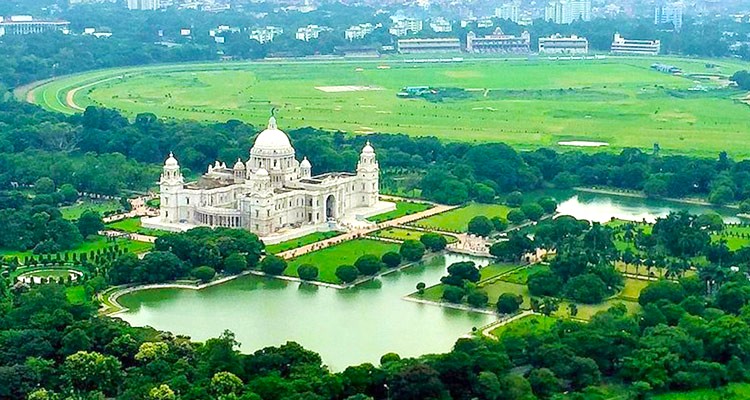
Timeless Artifacts: Victoria Memorial Hall Calcutta
A walk takes you toward the sacred Kali temple, an edifice finalized in 1845. It is not a UNESCO heritage site, yet it holds a collection of 18th-century terracotta tablets that are entirely unique. These hand-carved stone tablets depict the Palada Dynasty's triumphs. These items exist only in this specific district, separated from the wider city by their distinct clay composition. The atmosphere is peaceful, allowing for a view of the 1712 copper plates detailing land grants. Your experience is transfixed by the sight of these items, which remain in their original setting. The structure provides a restful environment where history feels tangible and the framework of the past is preserved.
Ancient Mosaics: Impeccable Craftsmanship
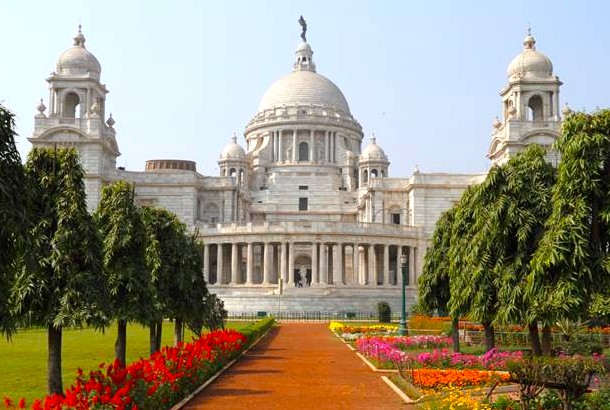
The floor of the 1892 Council Hall at Victoria Memorial Hall, Calcutta, showcases exquisite tiling designed by artisan Hiren Bose, who led a team of twelve craftsmen through eight months of meticulous installation, from January to August of that year. The patterns draw on locally sourced cobalt and ochre pigments, rendered with remarkable refinement and sophisticated attention to detail in their floral motifs. Together, these designs capture the aesthetic sensibilities of 1890s Bengal, where delicate symmetry was prized above all. The result is a floor that reads less as function than as art - quietly extraordinary underfoot.
The Pulse of the Local Community
Locals start their day at 5:00 AM, engaged in the active trade of jute and local textiles. The daily life here is lively, with families gathered around communal wells. A unique quality of the people is their devotion to hand-spinning thread, a tradition kept alive by the elderly residents. A presence is welcomed with a relaxed smile while watching the energetic exchange of goods. The community is occupied with maintaining their heritage homes, ensuring each structure stays upright.
A Culinary Journey: Savor the Flavour
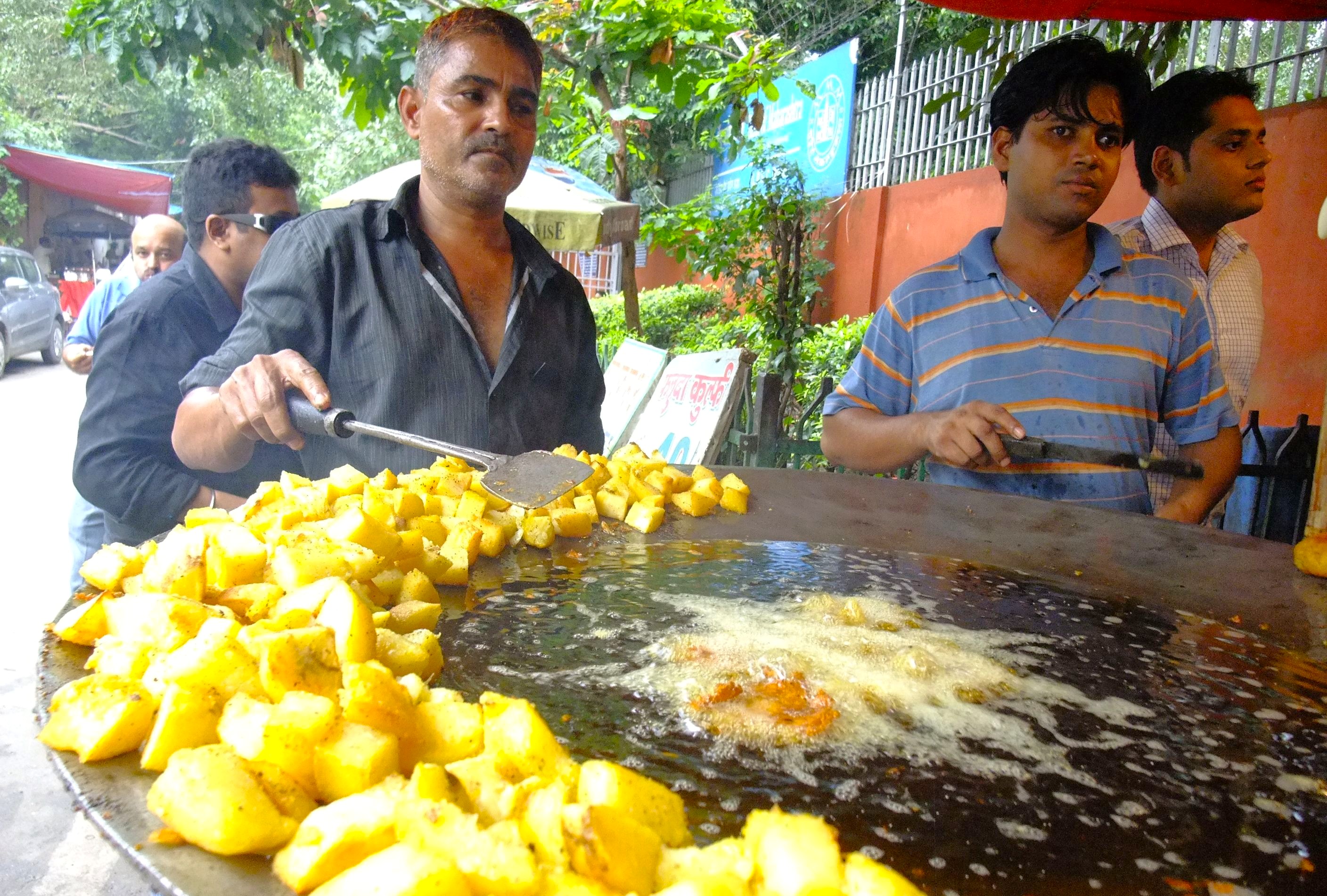
Palada Mishti, the local specialty, is a creamy milk-based dessert traditionally prepared in clay pots, where reduced milk, cardamom, and locally sourced jaggery come together in slow, patient harmony. Its fame dates to 1910, when artisan Gour Saha perfected the slow-boiling method that remains the gold standard to this day. The process demands six hours of active stirring, a labour of patience that yields a thick, elegant consistency prized by connoisseurs. The taste is refined, the texture delicate — each spoonful a study in restraint rather than excess. More than a sweet, Palada Mishti is woven into the very identity of the region, entrancing palates with its quiet, unassuming sweetness.
Capturing the Magic: A Photographic Haven
A stunning opportunity exists to photograph the 1892 brick chimneys. These are unique to the local industrial framework and create a spellbinding silhouette against the sky. Lenses capture the exquisite textures of the weathered terracotta. This setting is magical for a collection, offering an incredible view of the old district that leaves people transfixed and mesmerized by the simple beauty.
Festivals of Devotion: Honouring the Sacred and the Divine
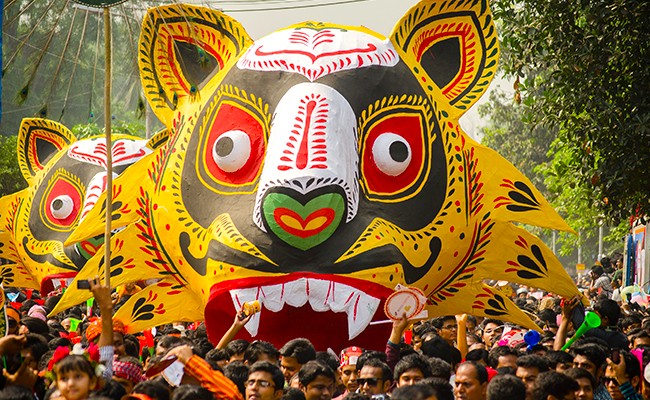
The Gambhira Festival, held annually from April 11th to 14th, is a vibrant celebration that comes alive each evening as the clock strikes 6:00 PM, drawing the community together in shared anticipation. This culturally rich event serves as a profound expression of gratitude, as villagers thank the gods for a successful harvest while seeking continued protection and prosperity for its 12,450 inhabitants. Central to the festivities are the mesmerizing masked dances, where performers embody revered figures like Shiva, their movements steeped in ritual symbolism passed down through generations. The rhythmic drumming, the flicker of oil lamps, and the collective devotion all combine to create an atmosphere both sacred and joyous - a living tradition that binds the community to its roots. Victoria Memorial Hall Calcutta.
Ancient Technologies: Sacred Sound, Geometry & Astrological Influences
The Kali temple construction uses magnetic basalt stone, which creates a specific acoustic phenomenon. Sound frequencies during the 6:00 PM bells resonate at 528 Hz. This frequency is part of the Solfeggio scale and is known to create a sense of repair and health for people. The geometry of the inner chamber is a perfect hexagon, a composition that focuses sound waves toward the center. This structure creates healing frequencies through the precise alignment of the stone walls. The building materials are substantial, chosen for their ability to conduct energy. Bodies feel the vibration, as the physical structure and the sound create an amazing, harmonious effect.
The Connection With the Gods
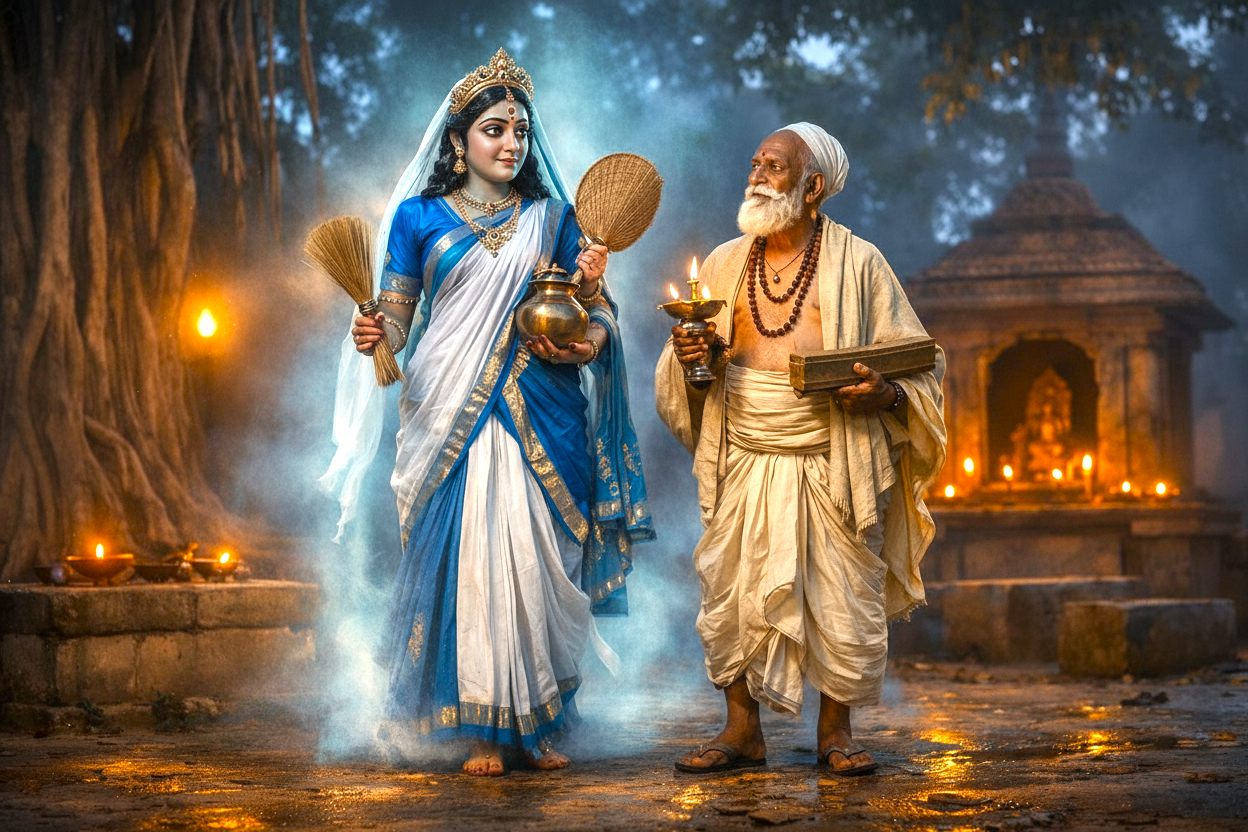
Local lore here centers on the goddess Sheetala, revered as the protector of residents from disease and affliction. According to accounts passed down from the 18th-century priest Madhab Das, the goddess appeared before him in 1720 during a devastating smallpox outbreak, offering guidance and solace to a community in crisis. In gratitude, he built a small shrine that still stands today, weathered but unwavering. This enduring connection remains deeply meaningful to locals, who continue to view the deity as a steadfast guardian of their health. It's a simple story, yet one that lends the temple grounds a quiet, mystical resonance. Victoria Memorial Hall Calcutta.
Serendipitous Meetings: Beyond the Main Path
Narrow lanes lead to small factories where craftsmen engage in hand-milling grain. Artisans carve wooden blocks for textile printing, a practice located in the backrooms of old brick houses. These unique findings are tucked away from the main road, offering a glimpse into an active world of manual labor. Encountering local weavers who use frameworks built in the 1920s is common. The experience is incredibly authentic, as people find themselves transfixed by the rhythmic sound of the looms. This area is swamped with history, where every turn reveals a notable example of local industry that remains lively and meaningful today.
Resilience and Renewal: Overcoming Adversity’s Challenges
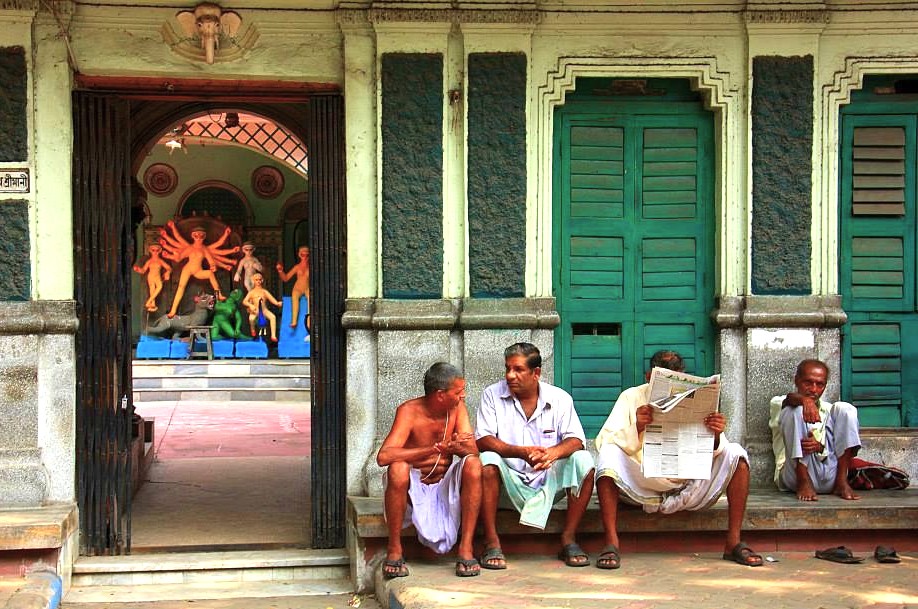
In 1864, a massive cyclone and subsequent flood devastated the district, reducing the market's original wooden framework to ruins. Undeterred, residents rallied under the leadership of merchant Nabendu Pal, rebuilding with substantial stone and brick to safeguard against future disasters - a decision that would prove its worth for generations. Then, in 1943, during the harrowing Great Bengal Famine, the community once again rose to the occasion, organizing communal kitchens to feed the hungry and desperate. This spirit of collective resilience, born from tragedy and tempered by solidarity, reveals a quiet miracle of cooperation etched into the market's very foundations. Victoria Memorial Hall Calcutta.
Urban Legends: Strange Sightings, Myths and Mysteries
Local legend speaks of a "Shadow Guard" seen near the old 1892 gates during the new moon. Stories from the 12,450 residents mention a figure in a colonial-era uniform who disappears when approached. Another mystery involves the "Leaping Lights" over the meadow, a phenomenon reported since 1905. Some believe these are spirits of the Palada Dynasty, while others think they are a natural miracle of the damp earth. These stories are a substantial part of the local atmosphere. The mysteries are incredible to hear, adding a mystical layer to the setting. Curiosity is transfixed by these tales, which remain a fantastic part of the local lore.
Be a Part of this Incredible Journey - Join Us
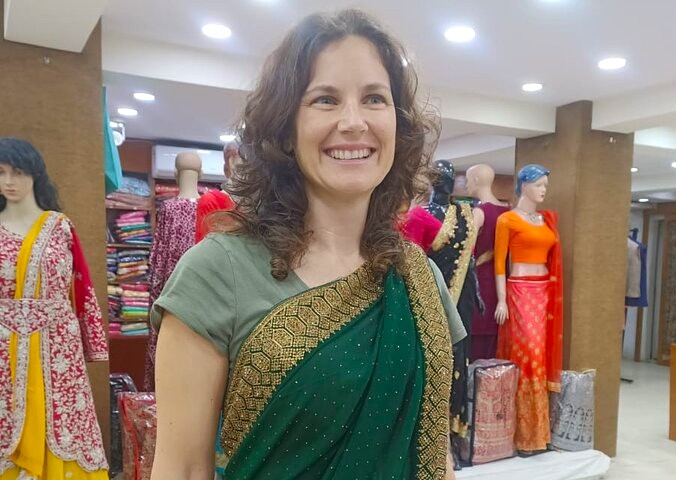
Muthorai Palada offers a journey unlike any other, where presence is an essential part of the exchange between the visitor and this historic pocket of the world. Situated at the unique intersection of history and daily life, the trip allows you to be transfixed by a rare local grace that permeates the atmosphere. This journey presents an incredible opportunity to explore a region that remains profoundly true to its ancestral roots.
Symphony of Generosity: Offerings from Wanderers to Residents
The interchange between guests and the locals provides vital financial support for the 1892 heritage restoration projects. Support helps maintain the unique hand-weaving factories, ensuring the artistry continues. In return, an exquisite understanding of a lifestyle that is peaceful and reflective is gained. The benefits are mutual; the residents gain the means to preserve their building design, while guests gain an incredible, meaningful connection to the past. This exchange is a substantial miracle of modern travel, where a presence helps keep the lively spirit of the community active. Guests leave feeling entranced, knowing their journey supported a truly unique and important location. Victoria Memorial Hall Calcutta.
Step Inside The Story - View All Tour Itineraries & Details

We’re here to offer genuine, thoughtful guidance if your interested in travelling to India. As a small, dedicated team, we pay close attention to every detail so you can focus on enjoying the experience while we take care of the planning. We believe the best trips begin when someone truly listens to what you want and how you like to travel, so the journey feels right for you and contributes to a happy, positive group on tour. Our communication stays clear, straightforward, and respectful at every step, with the goal of helping you feel understood, supported, and confident from first contact to the end of your journey.
Click Catherine Frith - About The Founder
Click Discover Life Travel - All Tours and More
Click Why We Are Different - Unique, Safe, Transparent