
Ark of the east tour kashmir india
Rabindra Sadan-Cultural Performance Center
Mother Masala Tours
calcutta’s Stage for Bengali Theatre
Located on Acharya Jagadish Chandra Bose Road in central Calcutta, Rabindra Sadan is a cultural centre named after Bengali poet and Nobel laureate Rabindranath Tagore. Its foundation stone was laid by Prime Minister Jawaharlal Nehru on 5 August 1961, during Tagore’s birth centenary year. Construction was completed in October 1967. West Bengal’s cultural life has shaped its programme of theatre, music, dance and film events. The surrounding complex includes Nandan cinema and other cultural institutions. As you arrive, you"ll discover a place where performers, audiences and artists continue a tradition of sharing stories through live performance. Rabindra Sadan-Cultural Performance Center
Rabindra Sadan-Cultural Performance Center: Sacred Spaces
Rabindra Sadan is a performance venue rather than a historic shrine or museum filled with ancient artifacts. Its main auditorium provides a stage for Bengali theatre, music, dance and cultural programmes. The wider complex includes Nandan cinema, Gaganendra Shilpa Pradarshashala, an exhibition gallery, and other cultural institutions. These spaces create opportunities to experience different forms of artistic expression in one part of Kolkata. The auditorium has been reported to accommodate around 1,200 people, although seating arrangements can vary by event. As you enter, the atmosphere is shaped by anticipation before a performance, the stage lighting and the shared experience of live art.
Ancient Mosaics: Impeccable Craftsmanship
Rabindra Sadan was built as a cultural venue in the twentieth century, so its history is not connected with ancient mosaics or medieval stone craftsmen. Its construction began in 1961, when Jawaharlal Nehru laid the foundation stone, and was completed in October 1967. The building’s purpose was to provide a dedicated place for artistic performances in honour of Rabindranath Tagore. Theatre productions combine scripts, costumes, lighting, music and stage arrangements to form a complete composition. Each production brings together performers and technical staff whose work helps tell a story to a live audience. Rabindra Sadan-Cultural Performance Center
The Pulse of the Local Community
The venue reflects Calcutta’s long-standing interest in literature, theatre, music and public discussion. Local performers, students, theatre groups and arts organisations use cultural institutions across this area to present their work and connect with audiences. Bengali theatre is an important part of the city’s artistic life, while music and dance programmes introduce audiences to different traditions. The surrounding streets also support everyday activity, including transport, food stalls, shops and office work.
Capturing the Magic: A Photographic Haven
The main stage, theatre seating and illuminated entrance provide the most relevant photographic subjects. You’ll also find the wider cultural complex, with Nandan cinema nearby. The contrast between the quiet auditorium before a show and the activity around the entrance afterwards can make an engaging composition. Photography inside performance spaces depends on event rules, so we’ll check permission before taking pictures during a production.
A Culinary Journey: Savor the Flavour
Rabindra Sadan itself is known for performances rather than a particular dish. Nearby Kolkata eateries give us the chance to try Bengali food, including kathi rolls, a popular street-food choice associated with the city. A typical roll contains a paratha wrapped around grilled meat, egg or vegetables, often with sliced onion, chilli and sauce. The preparation varies between vendors. Another local favourite is mishti doi, a sweetened fermented yoghurt traditionally made by heating milk with sugar or jaggery and allowing it to set. You can choose a small local eatery before or after a show and enjoy a relaxed meal alongside the evening’s cultural activity. Rabindra Sadan-Cultural Performance Center
Festivals of Devotion: Honouring the Sacred and the Divine
Rabindra Sadan hosts cultural programmes and can serve as a venue for events connected with Calcutta’s wider arts calendar. One major event associated with the complex is the Calcutter's International Film Festival, which brings Indian and international cinema to audiences across the city. The festival’s dates vary each year, so we’ll check the official programme for the year of our visit rather than assume a fixed schedule. Rabindranath Tagore’s birthday, known as Rabindra Jayanti, is also marked in West Bengal with music, poetry and cultural performances, usually around 25 Baishakh in the Bengali calendar. Specific events at this venue depend on the annual programme.
The Connection With the Gods
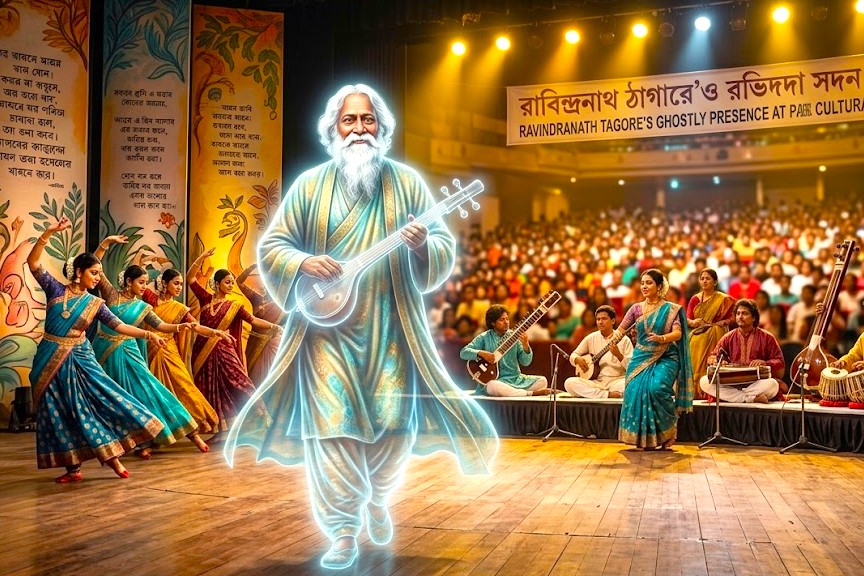
Rabindra Sadan is a secular cultural venue, not a temple dedicated to a particular deity. Its name honours Rabindranath Tagore, the Bengali poet, writer, composer and artist whose work shaped literature and music across Bengal. Tagore was born on 7 May 1861 and received the Nobel Prize in Literature in 1913 for Gitanjali. His songs, widely known as Rabindra Sangeet, remain an important part of Bengali cultural life. Some performances at the venue may explore religious themes or stories about Hindu gods such as Krishna, Shiva or Durga, but the programme changes. You"ll discover how performers interpret these subjects through music, dance and theatre rather than through worship at a sacred shrine.
Serendipitous Meetings: Beyond the Main Path
The streets around Rabindra Sadan give us a chance to see everyday Calcutta alongside its cultural life. Explore nearby bookshops, small food businesses and shops selling everyday goods, although individual businesses and opening hours change. Nandan cinema, located within the wider cultural complex, adds another dimension to the area through film screenings. Depending on the day, you may encounter theatre groups discussing a production, people collecting tickets or artists preparing for a performance. Rabindra Sadan-Cultural Performance Center
Our Adventure Begins, and You’re Invited to Be Part of It
We’re heading to one of Calcutta’s established cultural venues to experience the city through live performance. Depending on the programme, you’ll be able to choose Bengali theatre, music, dance or another scheduled event. The experience begins before the curtain rises, as the audience settles into the auditorium and the stage lights prepare us for the story ahead. If we choose a performance in Bengali, we’ll check whether English subtitles or programme notes are available. You can also explore Nandan cinema and the surrounding cultural complex. Rather than rushing through the area, we’ll leave enough time to enjoy the performance and discover another side of Calcutta’s artistic life.
Symphony of Generosity: Offerings from Wanderers to Residents
Attending a performance here can contribute to creative economy. Ticket purchases support the venue’s operating costs and the organisations presenting a show, while nearby spending can benefit eateries, transport providers and small shops. The exact distribution of ticket income depends on the event and its organiser. In return, we gain access to live performances, Bengali cultural traditions and the work of local artists. Buying a programme, choosing locally operated transport or eating at a nearby independent restaurant can extend that exchange beyond the auditorium. You’ll also support the people behind each production by respecting performance rules and arriving on time. These simple choices help sustain cultural activity and make our experience more meaningful.
Step Inside The Story - View All Tour Itineraries & Details

We’re here to offer genuine, thoughtful guidance if your interested in travelling to India. As a small, dedicated team, we pay close attention to every detail so you can focus on enjoying the experience while we take care of the planning. We believe the best trips begin when someone truly listens to what you want and how you like to travel, so the journey feels right for you and contributes to a happy, positive group on tour. Our communication stays clear, straightforward, and respectful at every step, with the goal of helping you feel understood, supported, and confident from first contact to the end of your journey.
Click Catherine Frith - About The Founder
Click Discover Life Travel - All Tours and More
Click Why We Are Different - Unique, Safe, Transparent