
Arc Of The East Tour India
Parasnath Jain Temple: Calcutta
Mother Masala Tours
Silent Pareshnath Pilgrim Passage
Parasnath Jain Temple was constructed in 1867, funded by philanthropist Rai Badridas Bahadur Mookim and consecrated by a Jain acharya (records name Kalyansuri among those involved). It occupies a complex near the Maniktala/Gouribari area and serves the local Jain community established in the 19th century. The complex contains shrines to tirthankaras, including a notable shrine for Sitalanath. This is a 19th‑century urban religious foundation rather than an ancient dynastic edifice; there are no continuous royal dynasty records tied to its founding. Local census and community registers document a concentrated Jain population in the surrounding wards. Parasnath Jain Temple Calcutta
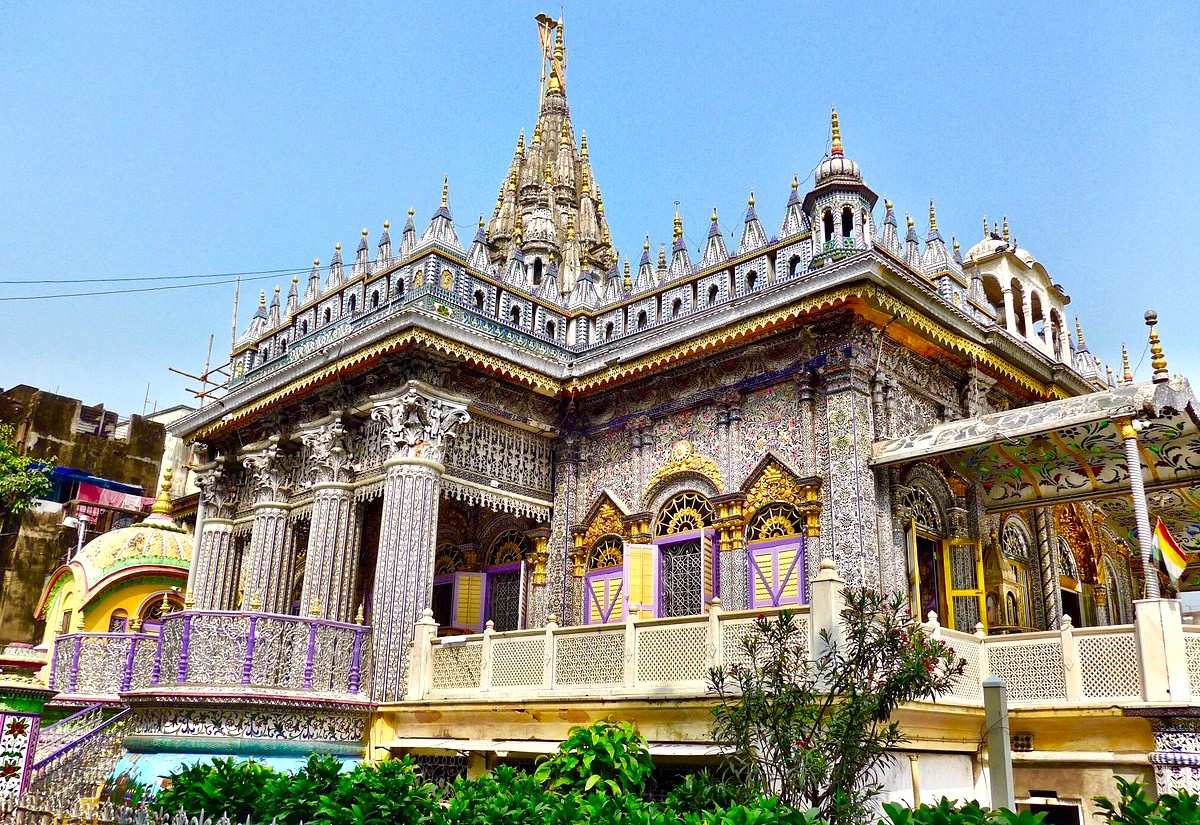
Sacred Spaces: Parasnath Jain Temple - Calcutta
The complex houses carved images of Jain tirthankaras and ritual objects used in daily puja and festival rites; historical accounts list stone and metal icons installed during the 1867 consecration. Within the compound you will find enclosed sanctums for specific tirthankaras, a parikrama pathway, and small brass lamps and bowls typical of Jain liturgical practice. Temple records and guide accounts indicate the main shrine contains an image identified with Sitalanath. There is no UNESCO designation recorded for this site. Maintenance documents retained by community trusts note careful conservation of carved icons, metalwork, and the painted ceilings in certain chambers.
Ancient Mosaics: Impeccable Craftsmanship
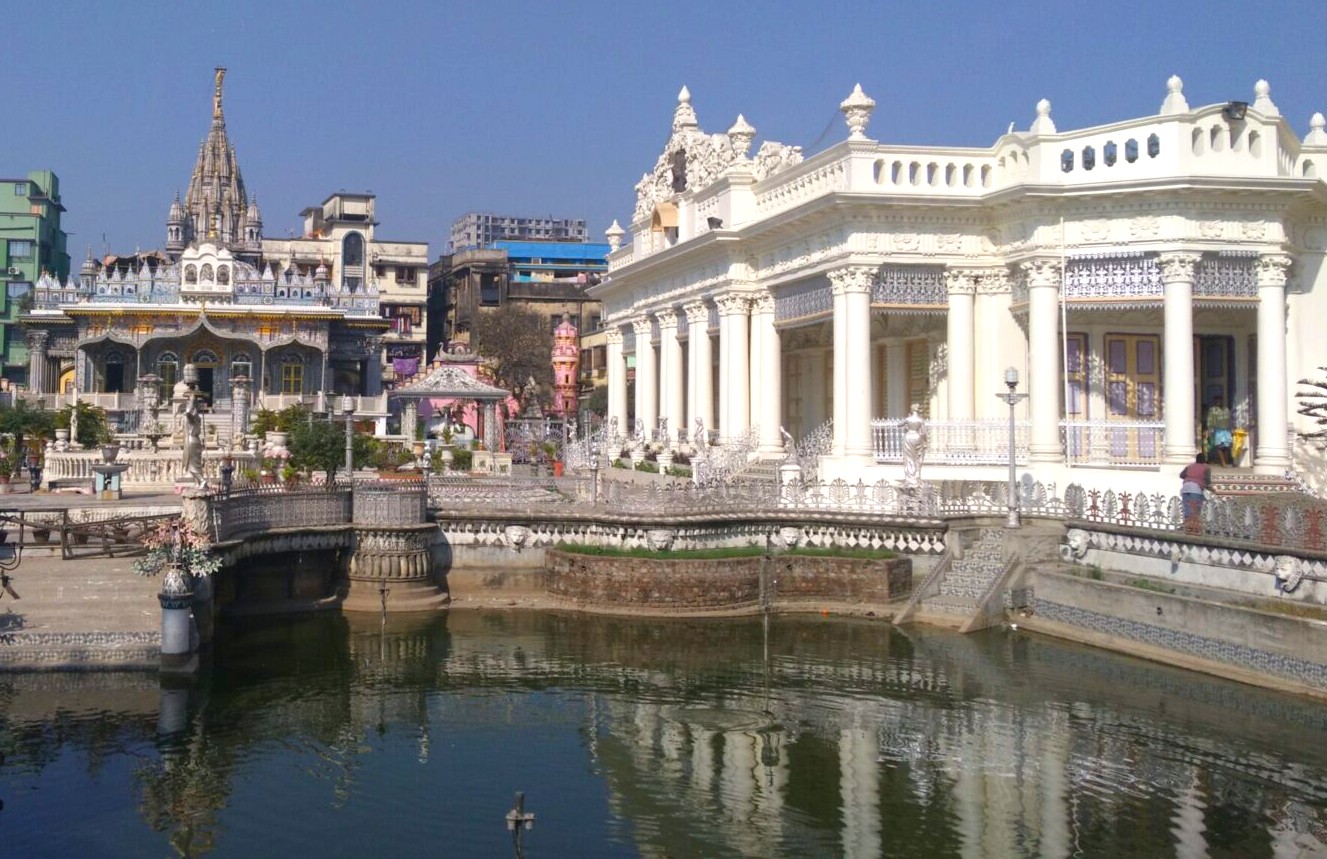
Contemporary 19th‑century records and modern descriptions emphasize local craftsmen executed fine carving and metalwork for the 1867 project. Archival references attribute stone carving, terrazzo floors, painted decorative panels, and brass ritual objects to workshops active in Calcutta during that period. Specific artisan names are not widely documented in public records for the original build, though community accounts credit local mason and metalworker guilds. Parasnath Jain Temple Calcutta
The Pulse of the Local Community
Daily life around the complex centers on communal worship times, morning and evening prayer rituals, and periodic maintenance by the Jain trust committees. Local families attend shrine services, fund communal meals for festival days, and manage caretaking of icons and small libraries of religious texts. The community operates charitable outreach, supports religious education, and organizes ritual cleaning and lamp‑lighting. You will notice elders and youth participating in committee work and training for festival roles. The temple compound functions as a focal point for weddings, thread‑ceremonies, and memorial rites specific to Jain practice, with records showing continuous community oversight since the late 19th century.
Capturing the Magic: A Photographic Haven

Photographers find detailed carved icons, patterned floors, and reflective brass lamps offering strong compositional elements unique to the complex. The forecourt, the painted interior panels, and ritual implements provide close‑up study opportunities; morning and late‑afternoon light yield layered highlights on stone and metal surfaces. Respect photographing rules inside sanctums: ask permission and avoid flash near icons. The temple’s sequence of small shrines and narrow corridors offers framed perspectives for portrait and detail work.
A Culinary Journey: Savor the Flavour
Local Jain households and community kitchens serve food prepared according to Jain dietary observances: strictly vegetarian, avoiding root vegetables and certain pungent items. Typical offerings include khichdi (rice and lentil porridge), shiro or sweet lentil preparations, milk‑based desserts like rabri, and simple flatbreads. Ingredients emphasize lentils, rice, clarified butter (ghee) or vegetable oils, milk, sugar, and mild spices permitted by ritual dietary rules. Community kitchens follow established recipes for festival meals and communal distribution; these preparations are produced for ritual feasts and charitable offerings that accompany major observances at the complex. Parasnath Jain Temple Calcutta
The Connection With the Gods
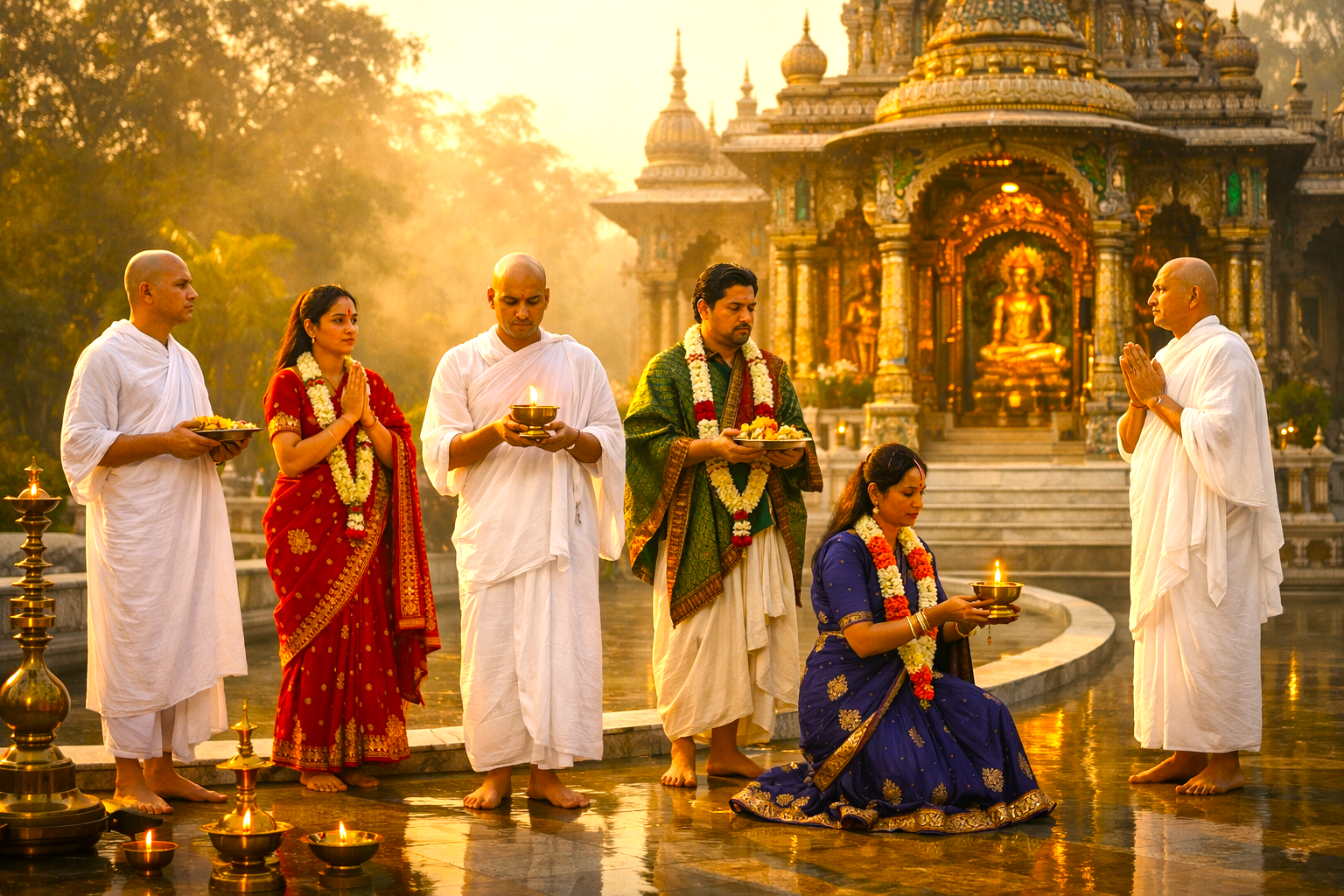
Jain devotion centers on tirthankaras rather than gods in the theistic sense: the complex is dedicated to tirthankaras such as Sitalanath and Parshvanath, who are venerated as perfected spiritual teachers. Ritual practice includes veneration of icons, recitation of sacred texts, and symbolic offerings made at the shrines. Temple plaques and guide accounts provide contextual inscriptions identifying the principal tirthankaras and their iconographic attributes - such as Parshvanath’s serpent hood - all documented in the community’s records.
Festivals of Devotion: Honouring the Sacred and the Divine
The complex observes major Jain festivals such as Mahavir Jayanti, typically falling in March or April as per the lunar calendar; local committees publish actual dates annually. Festival rites include shrine decorations, special puja sequences, and distribution of prasadam prepared by community kitchens. Devotees from the city’s Jain households attend organized processions and indoor recitals of canonical readings arranged by the temple trust. The temple trust archives and public notices list schedules for these observances each year; specific start times and program details are posted locally by trustees in advance to coordinate ritual and charitable activities.
Serendipitous Meetings: Beyond the Main Path
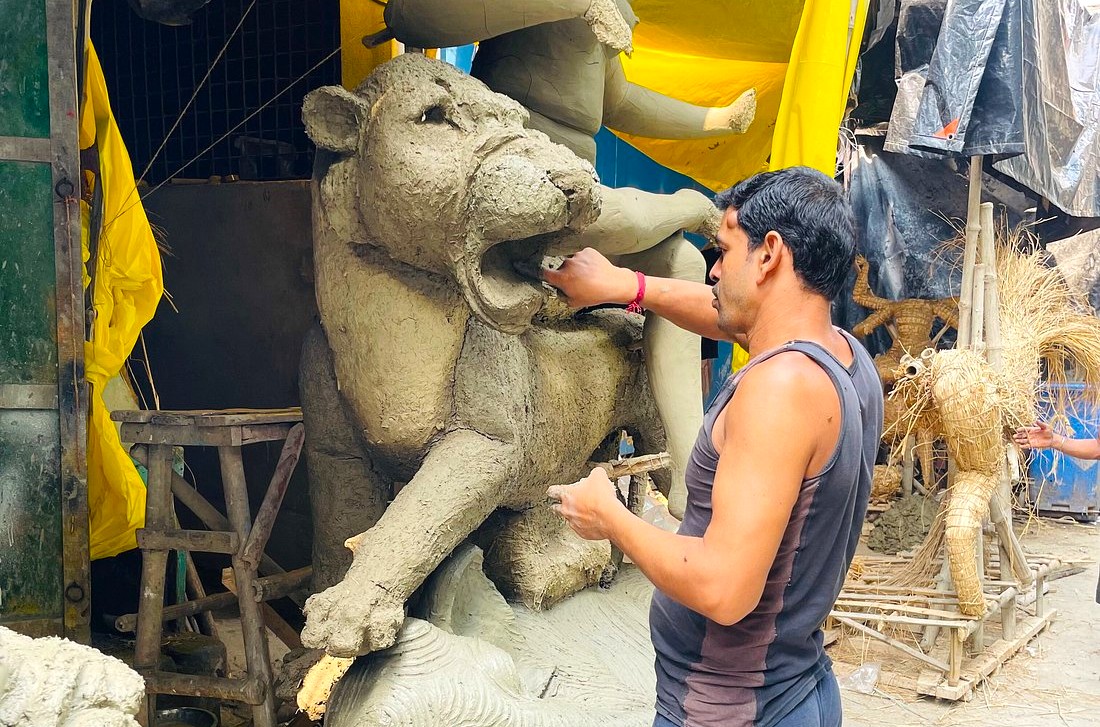
Walking the surrounding lanes near the complex, you will encounter small family workshops, shrine‑maintenance carpenters, and brass or metalworkers who supply ritual implements. Historical trade directories and local guides show businesses historically supplying carved stone, metal lamps, and printed ritual booklets to the community. You"ll also find small printing presses that once produced devotional pamphlets and private libraries maintained by families. Parasnath Jain Temple Calcutta
Ancient Technologies: Sacred Sound, Geometry & Astrological Influences
Public historical sources for this 1867 urban complex do not record measured acoustic experiments or documented use of specific solfeggio frequencies within the structure. Modern Solfeggio lists commonly cite frequencies such as 174, 285, 396, 417, 528, 639, 741, and 852 Hz in contemporary alternative literature, but there is no archival evidence linking these hertz values to the design or rituals of the temple. Structural descriptions reference stone and masonry typical of the period and traditional metal ritual implements, yet no published study attributes particular healing frequencies or geometry‑based acoustic design to this complex.
Resilience and Renewal: Overcoming Adversity’s: Challenges
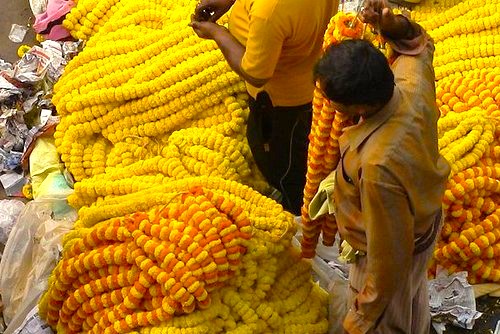
Archival accounts and local histories document the temple’s endurance through urban changes since 1867, including periods of repair after weathering and maintenance funded by community trustees. While the complex did not originate in a royal dynasty era, municipal records record specific conservation efforts in the 20th century prompted by wear to stonework and metal fittings: community-led fundraising oversight enabled restoration projects. The 'City of Joy' is the pulse of a place that finds its most profound beauty in the simple, unhurried art of being.
Urban Legends: Strange Sightings, Myths and Mysteries
Local oral tradition and neighbourhood lore include anecdotal stories associated with many older religious complexes in the city; residents sometimes recount personal reminiscences about unexpected sounds near the shrine, dreams related to tirthankaras, or accounts of discovered ritual objects now kept by the trust. These are recorded as anecdotal community memories rather than formally documented phenomena. Guidebooks and local columns occasionally publish such tales as part of cultural memory, but these accounts are presented as oral history and local reminiscence, not as verified historical events; for rigorous verification one would consult temple trust records and local oral history archives. Parasnath Jain Temple Calcutta
Elephant-Size Smiles Start in India - Join Us
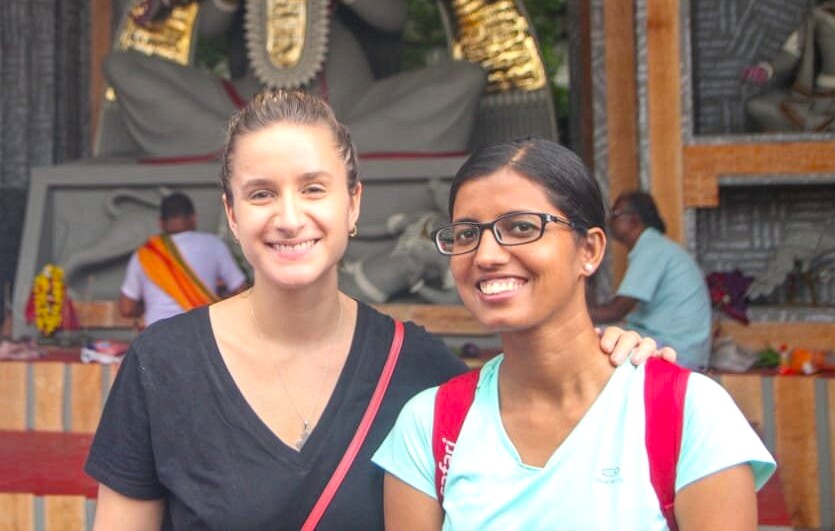
We approach the sacred compound at a relaxed pace, allowing you sufficient time to fully appreciate the serene beauty of its calm forecourt and ornate interior shrines. While exploring. Follow local guidance regarding ritual protocol and observe the spiritual morning or evening aarti schedules officially posted by the temple trust. Before continuing your walk to meet friendly locals over cups of hot, steaming chai. In Calcutta, time lingers beautifully in the amber glow of a streetlamp and the rhythmic chime of a passing tram.
Symphony of Generosity: Offerings from Wanderers to Residents
The interchange between guests and the community takes practical forms: donations to the temple trust, commissioned ritual implements from local metalworkers, and purchases of devotional pamphlets and offerings from family‑run stalls. Financial support documented in trustee minutes funds conservation and community kitchens that prepare festival meals. Guests contribute by funding restoration projects, sponsoring lamp‑lighting sequences, and supporting religious education programs. These exchanges sustain local craftspeople and institutional upkeep; they form a mutually beneficial circulation of funds and services recorded in temple accounts and community communications, reinforcing the compound’s role as both religious center and local economic node.
Step Inside The Story - View All Tour Itineraries & Details

We’re here to offer genuine, thoughtful guidance if your interested in travelling to India. As a small, dedicated team, we pay close attention to every detail so you can focus on enjoying the experience while we take care of the planning. We believe the best trips begin when someone truly listens to what you want and how you like to travel, so the journey feels right for you and contributes to a happy, positive group on tour. Our communication stays clear, straightforward, and respectful at every step, with the goal of helping you feel understood, supported, and confident from first contact to the end of your journey.
Click Catherine Frith - About The Founder
Click Discover Life Travel - All Tours and More
Click Why We Are Different - Unique, Safe, Transparent