Unique Insights Into The Religions Of India
Jainism In India
Discover life Travel
The Eternal Path of Non-Violence
The history of the Jaina tradition begins with the eternal cycle of the Tirthankaras, long before the rise of any documented Dynasty in the northern plains. Before the first political rulers organized the land, the roots of Jainism were established through the teachings of twenty-four enlightened masters. This period, predating the 6th century BCE, was a time of intense asceticism and the pursuit of Kevala Jnana (omniscience). The followers did not seek to conquer territories but to conquer the inner self. This introduction explores the silent eras where the seeds of Ahimsa (non-violence) and Anekantavada (multi-sidedness) were sown, setting the stage for a spiritual lineage that has profoundly shaped the ethical and architectural landscape of the subcontinent. Jainism In India
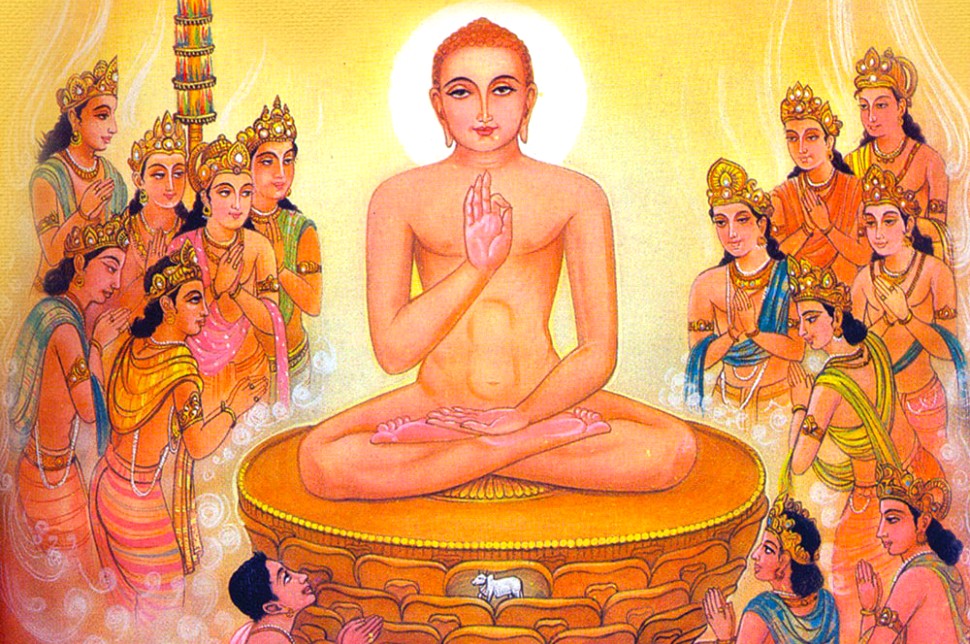
Jainism In India: Primordial Echoes of the Arhat Lands
In the phase preceding the Haryanka Dynasty, the first major ruling dynasty of Magadha, the spiritual identity of the followers of the Jinas was forged in the central and eastern regions. The name of the land, Bharatvarsha, is often linked in Jaina tradition to Bharata, the son of the first Tirthankara, Rishabhanatha. This core zone, spanning from the mountains of Bihar to the plains of Ayodhya, was where early practitioners sought liberation. Evidence of early ascetic life dates back into deep prehistory, long before the first centralized administrations. These early groups lived in forest retreats or mountain caves, following the path of the Munis. This era established the essential link between total renunciation and the attainment of absolute spiritual truth.
The Architecture of Ancient Social Order
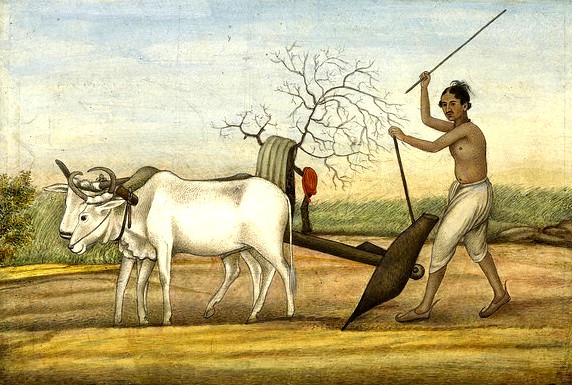
Social life was organized around the four-fold community of monks, nuns, laymen, and laywomen, which served to align daily life with the principle of non-injury. Women held a significant role, with several Tirthankaras having large numbers of female followers who achieved high spiritual status. Marriage was viewed as a social duty that allowed for the continuation of the community, but the ultimate goal remained the ascetic life. In the dwellings of the early leaders, which were often simple caves or wooden structures around 800 BCE, life was a cycle of meditation and study. The population lived in organized guilds, working as merchants and jewelers to avoid occupations that involved harming living beings. Jainism In India
Rituals and Celebrations of the Second Age
Community bonding was facilitated through celebrations tied to the life events of the Tirthankaras. Mahavir Janma Kalyanak, marking the birth of the 24th Tirthankara, is traditionally observed in March or April, starting at dawn with ritual baths of the idols. Paryushana, the period of reflection and fasting, occurs in August or September, with the final day of forgiveness, Samvatsari, typically peaking in the late afternoon. These events provided a rhythm to life, allowing the local population to pause their commerce and reconnect with the soul. The wealthy members would fund communal kitchens, ensuring that the entire community felt the benefits of the season and the shared path of purification.
Conflicts and the Evolution of Authority
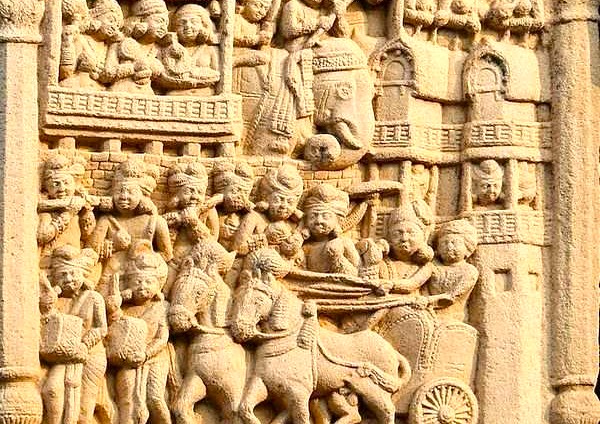
The transition toward the Haryanka Dynasty was marked by the peaceful influence of Jaina monks on early rulers. Figures like Lord Mahavira, born into the Jnatrika clan, transitioned from royalty to asceticism, influencing the legal codes of the time. The 1st Dynasty rulers like Chandragupta Maurya eventually embraced these teachings, allegedly abdicating his throne to die as a monk in Shravanabelagola, Karnataka. This move, occurring around 300 BCE, cleared the way for a more ethical form of governance. From these early royal converts, the population of practitioners has remained a steady, influential minority. The construction of the first rock-cut sanctuaries in Odisha signaled a new era of permanent spiritual monuments. Jainism In India
The Divine Connection in Daily Living
Daily life for the average person involved the practice of the small vows, starting with the Navkar Mantra before sunrise. While the spiritual leadership lived a life of total wandering, the common folk focused on banking, trade, and the preservation of ancient texts. The local temple served as the central hub for charity and public counsel, where the elders often oversaw the welfare of the community and the funding of animal shelters. This way of life was built on the belief that every living soul is equal. Even the simplest act, like filtered drinking water, was performed with a sense of extreme care to avoid harming the microscopic life within the environment.
Sacred Geography and Early Sanctuaries
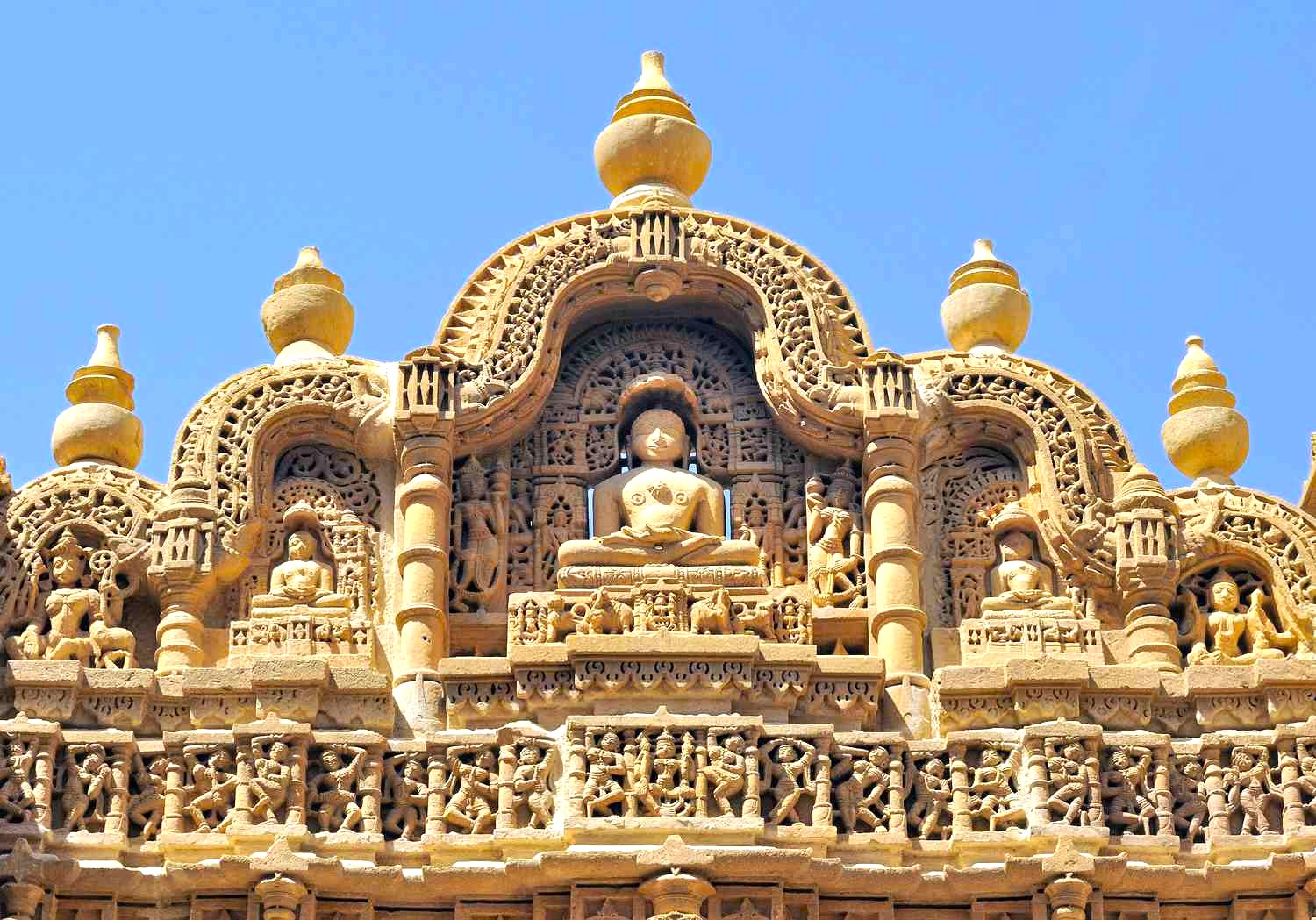
Specific mountains were recognized as sites of ultimate liberation. Places like Mount Sammet Shikhar in Bihar and Mount Girnar in Gujarat became the focal points for early pilgrims. These sites were not defined by the grand marble carvings we see today but by the footprints of the Tirthankaras and the presence of meditating monks. The construction of the first permanent shrines dates back several centuries before the common era, serving as the blueprints for later complex temple cities. This era saw the population migrate toward the west and south, bringing their library of palm-leaf manuscripts and their dietary laws, turning the landscape into a map of sacred heights.
Philosophies of the Pre-Dynastic Mind
The intellectual landscape was dominated by the Agamas, which were preserved orally before the rise of major political powers. These texts explored the nature of karma and the physics of the soul. Life in the monastic schools was rigorous; students lived in total simplicity, learning the arts of logic and the biology of the universe. This was a time when the search for truth was considered a scientific pursuit, and even rival scholars would sit together to discuss the nature of reality. This prioritization of logic over dogma ensured that the core of the faith remained intellectually sharp, even as the political structures began to move toward the more expansionist styles of the later dynasties. Jainism In India
The Evolution of the Household Shrine
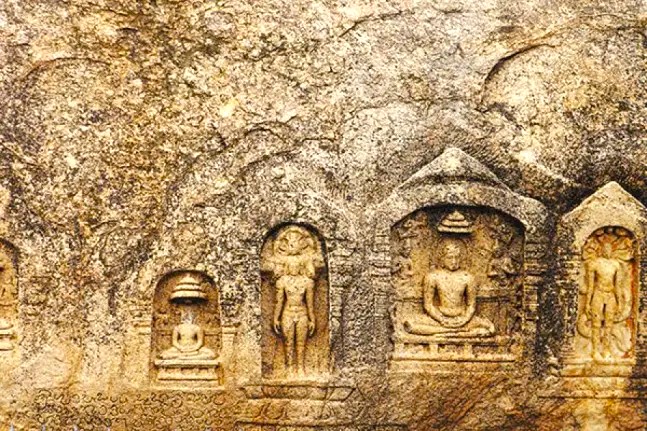
The transition from monastic guidance to household devotion was a natural process for the lay community. Initially, the focus was on supporting the monks, but as the population became more settled, the home became the primary place of daily ritual. Women were the guardians of these domestic traditions, passing down the stories of the Tirthankaras and the strict dietary codes to their children. The "Palace of the Soul" was the clean, dedicated room where the family gathered for morning prayers. This shift allowed the faith to survive through centuries of social change, as the spiritual fire was kept burning in every kitchen and prayer room, creating a resilient network of ethical practice.
Sacred Sounds and the Oral Tradition
Knowledge was preserved through a sophisticated system of memorization known as the Srutas. Before the wide availability of copper plates or manuscripts, the teachings were recited in Prakrit to ensure the wisdom reached the common people. Children were taught these verses from a young age, turning the entire population into a living archive of ethical law. This method prevented the distortion of the philosophical nuances and fostered a deep sense of discipline and linguistic precision. The daily life of the early kingdoms included the patronage of these reciters, ensuring that the intellectual elite were supported. This history shows the power of the spoken word in preserving a philosophy of absolute peace. Jainism In India
The Role of Nature in Ancient Devotion
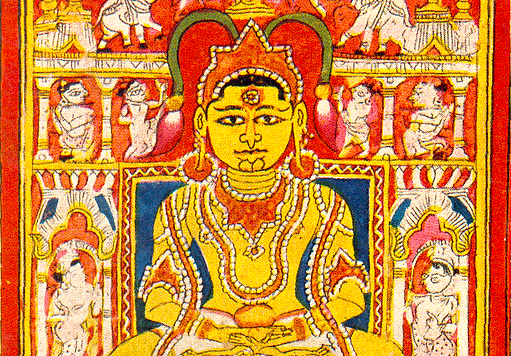
Early Jaina practice was deeply ecological, recognizing that the earth, air, and water are inhabited by living beings. The sacred grove and the mountain peak were seen as symbols of the soul's ascent. These natural environments served as the primary locations for deep meditation. The local population lived in harmony with the local flora, performing rituals that emphasized the protection of all life forms. This respect for nature ensured that the resources of the land were managed with extreme care. It reflects a worldview where the human being is a protector, responsible for maintaining the sanctity of the entire biological world through minimal interference and maximum compassion.
The Integration of Art and Spirituality
Artistic expression was found in the incredible detail of temple carvings and the crafting of metallic idols. Before the 1st Dynasty, these arts were practiced in the creation of temporary altars and the illustration of sacred texts. The development of the temple city, where hundreds of shrines were built on a single mountain, allowed the average person to engage with the faith through pilgrimage. The local artisans, who were often families of expert stone-carvers, created the first unique Jaina styles that paved the way for the later marble wonders. This integration of the aesthetic and the spiritual ensured that the pursuit of beauty was always a form of meditation, making every carving a silent sermon.
Step Inside The Story - View All Tour Itineraries & Details

We’re here to offer genuine, thoughtful guidance if your interested in travelling to India. As a small, dedicated team, we pay close attention to every detail so you can focus on enjoying the experience while we take care of the planning. We believe the best trips begin when someone truly listens to what you want and how you like to travel, so the journey feels right for you and contributes to a happy, positive group on tour. Our communication stays clear, straightforward, and respectful at every step, with the goal of helping you feel understood, supported, and confident from first contact to the end of your journey.
Click Catherine Frith - About The Founder
Click Discover Life Travel - All Tours and more
Click Why We Are Different