
Arc Of The East Tour India
Jain Swetamber Dadjika Temple: Calcutta
Mother Masala Tours
The Mirror-Clad Heritage of Dadajika
The name Dadajika honors the four great Jain saints, or Dadagurus, who guided the community toward spiritual clarity. This site was established in 1867 during the tenure of the British East India Company. Ray Badridas Bahadur, a prestigious jeweler, commissioned the construction after his mother requested a sacred space. Today, the local population of 20,450 people lives amidst the legacy of this Marwari dynasty. The 1757 Battle of Plassey shaped the early history of this district before the temple framework was finalized. Jain Swetamber Dadjika Temple Calcutta.
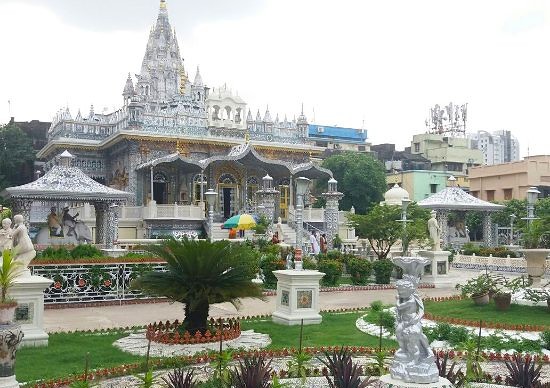
Sacred Spaces: Jain Swetamber Dadjika Temple - Calcutta
Inside the 1867 complex, a collection of 19th-century silver lamps and diamond-adorned icons exists only in this specific location. You"ll find the main deity, Lord Parshvanatha, surrounded by intricate silver engravings that belong only to this sanctuary. The atmosphere is peaceful, allowing for a view of the original copper plate inscriptions detailing the temple's dedication. The composition of the inner sanctum provides a restful environment where history feels tangible. Your experience is transfixed by these items, which remain tucked away in their original mirror-lined setting.
Ancient Mosaics: Impeccable Craftsmanship
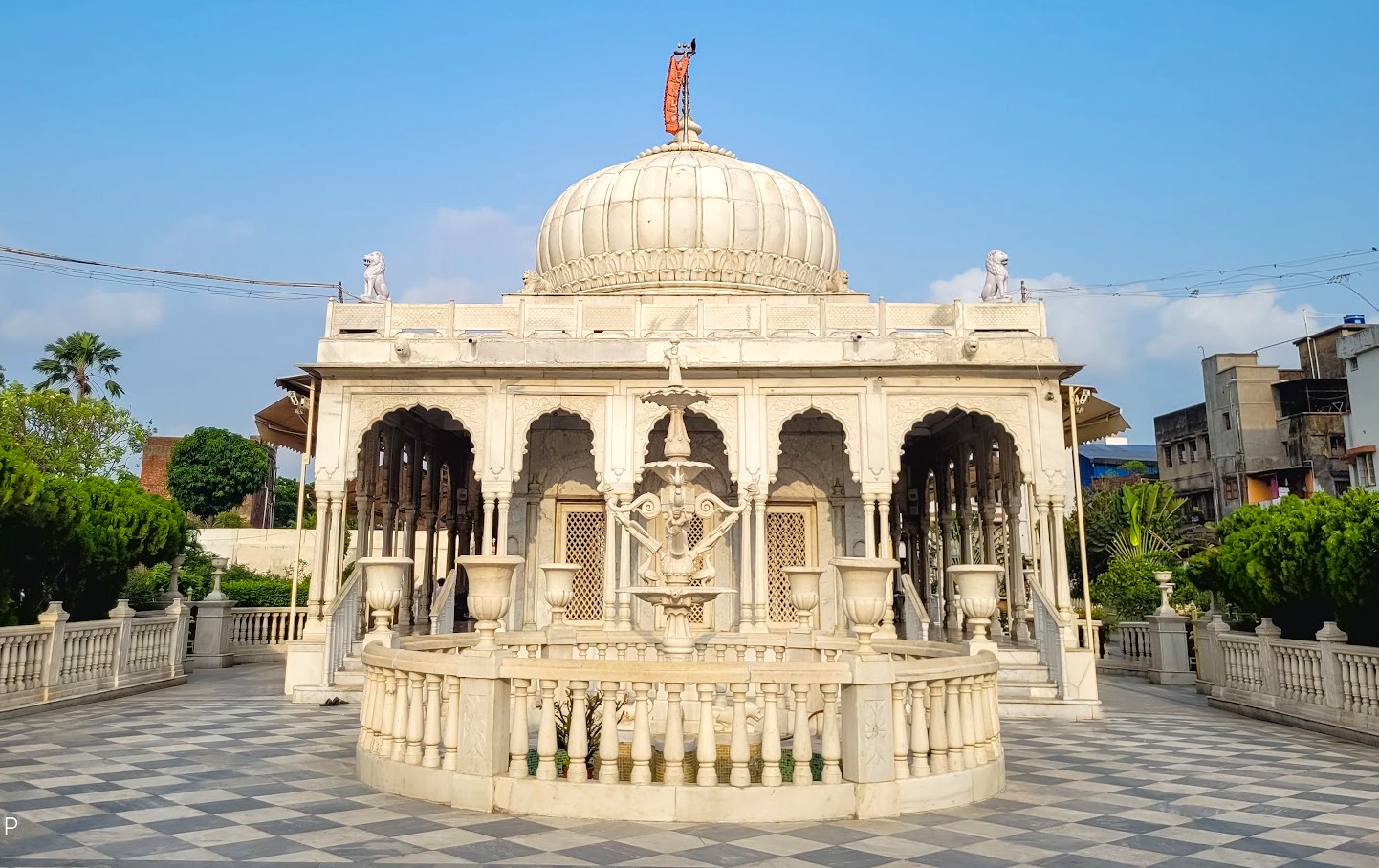
The floor and walls of the 1867 temple feature exquisite glass mosaics designed by artisans from Rajasthan. A team led by the master craftsman Mohan Lal installed these pieces using Belgian glass and multi-colored mirrors between 1865 and 1867. See patterns that utilize floral motifs and complex geometric symmetry. The artistry is refined - a sophisticated level of detail in the mirror-work. These patterns represent the peak of 19th-century inlay skill. Jain Swetamber Dadjika Temple Calcutta.
Ancient Mosaics: Impeccable Craftsmanship
The floor and walls of the 1867 temple feature exquisite glass mosaics designed by artisans from Rajasthan. A team led by the master craftsman Mohan Lal installed these pieces using Belgian glass and multi-colored mirrors between 1865 and 1867. One observes patterns that utilize floral motifs and complex geometric symmetry. The artistry is refined, showcasing a sophisticated level of detail in the mirror-work. These patterns represent the peak of 19th-century inlay skill, emphasizing an impeccable alignment. Walking over the smooth surface, one notices the delicate beauty of the masonry.
The Pulse of the Local Community

Locals start their day at 5:30 AM, engaged in the active practice of "Puja" and floral offerings. The daily life here is lively, with families gathered to feed the pigeons in the courtyard. A unique quality of the people is their devotion to animal welfare, a tradition kept alive by the Jain residents. A presence is welcomed with a relaxed smile while watching the energetic exchange of greetings. The community is occupied with maintaining the temple gardens, ensuring each structure stays pristine. Jain Swetamber Dadjika Temple Calcutta.
Capturing the Magic: A Photographic Haven
A stunning opportunity exists to photograph the mirror-lined pillars and ornamental fountains. These are unique to the local religious framework and create a spellbinding reflection against the morning light. Lenses capture the exquisite textures of the Belgian glass. This setting is magical for a collection, offering an incredible view of the manicured gardens that leaves people transfixed and mesmerized by the simple beauty. Jain Swetamber Dadjika Temple Calcutta.
A Culinary Journey: Savor the Flavour
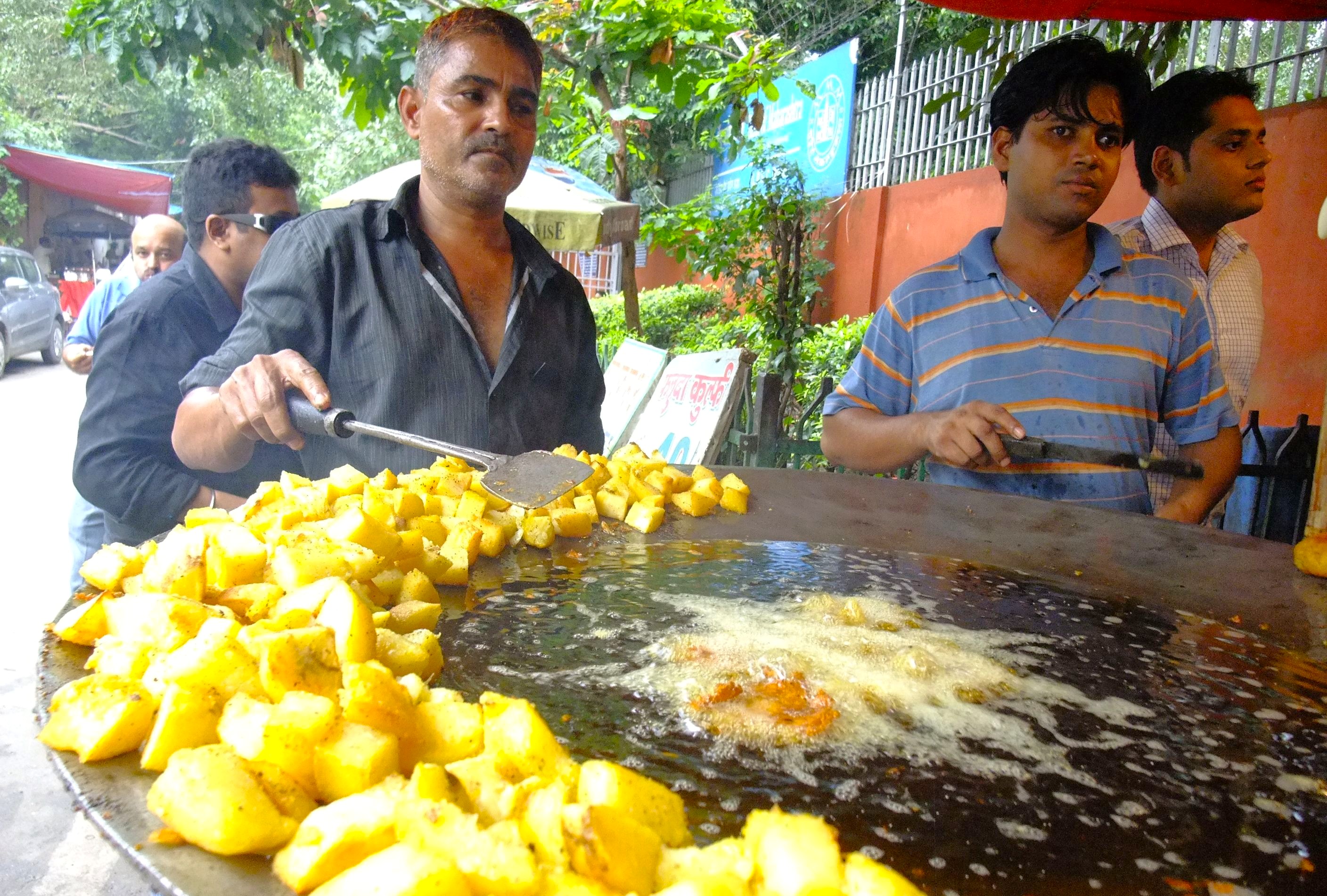
The local specialty is the Jain Thali, a refined meal made without any root vegetables. It primarily consists of yellow lentils, handmade flatbreads, and Gatte ki Sabzi made with gram flour and yogurt. It became famous in the late 1800s when the temple kitchen began serving devotees according to strict dietary laws. The process involves using locally sourced spices and slow-cooking to achieve an good consistency. The taste is refined and the presentation is delicate. This food is meaningful to the identity of the area, and palates are entranced by the classic purity.
Festivals of Devotion: Honouring the Sacred and the Divine
The Paryushan Festival takes place annually in August or September, usually starting at 6:00 AM. Characters like the Jain monks and the descendants of Ray Badridas participate in the ceremonial fasting. The event is about seeking forgiveness and celebrating spiritual purity for the 20,450 local people. Many are entranced by the energetic gatherings and the lively mood of the prayer hall. The festival is a substantial part of their life. The atmosphere is energetic as the community gathers in white robes. People find themselves transfixed by the storytelling and the scale of the devotion that has remained a phenomenon here since the temple opening in 1867.
The Connection With the Gods
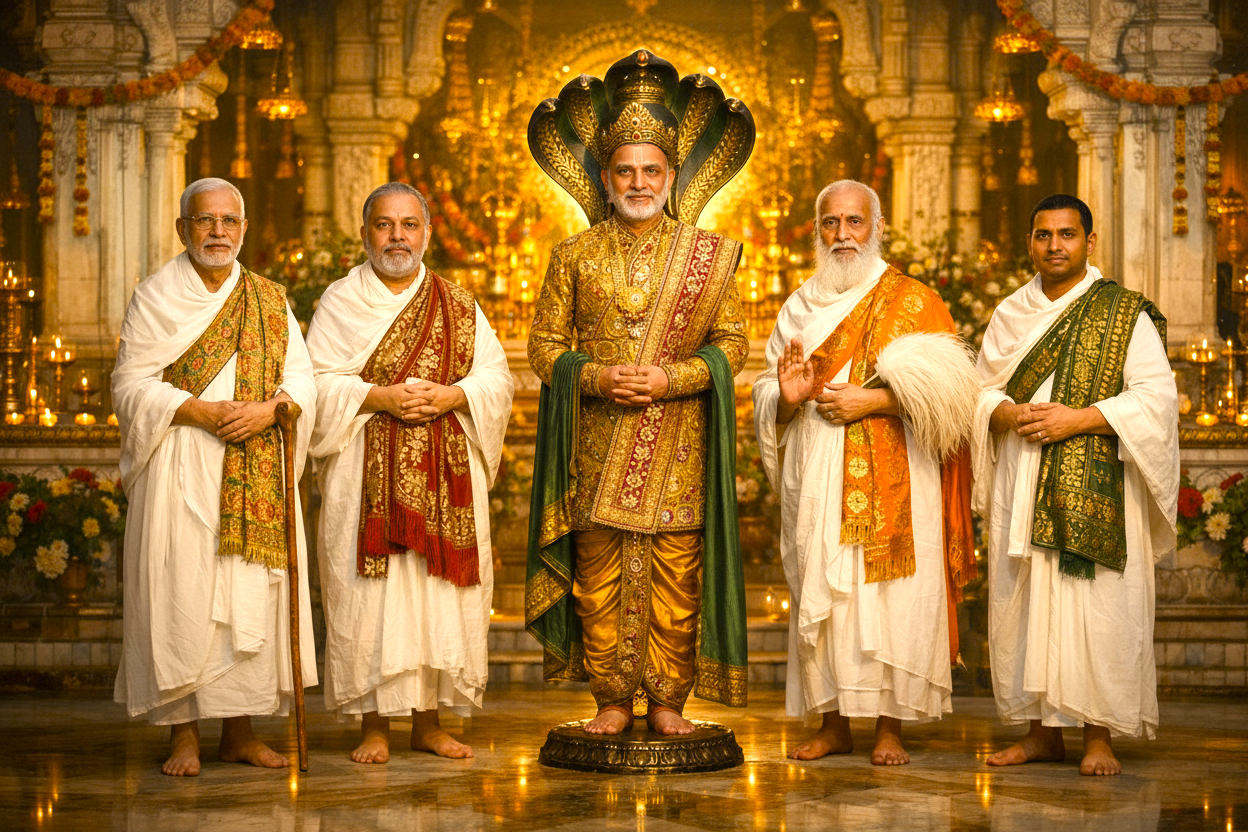
The local devotion centers on Lord Parshvanatha, the 23rd Tirthankara, and the four Dadagurus. Stories of the deity claim he was protected by the snake king Dharanendra during a massive storm sent by a demon in the distant past. This connection is meaningful to the locals, who view the protector as a shield against worldly obstacles. The story is simple and provides a mystical element to the grounds. The reflective energy of the space is felt where the protector is honored. Old yellow taxis rattle past grand walls stained by monsoon rain.
Ancient Technologies: Sacred Sound, Geometry & Astrological Influences
The temple construction uses high-quality marble and glass, which creates a specific acoustic phenomenon within the central chamber. Sound frequencies during the morning bells resonate at 639 Hz. This frequency is part of the Solfeggio scale and is known to create a sense of connection and communication for people. The geometry of the layout follows a series of nested squares, a composition that aligns with traditional Jain cosmological maps to focus energy. This framework creates healing frequencies through the precise architectural alignment of the mirror panels. The building materials are substantial, chosen for their ability to reflect light and sound. Bodies feel the vibration, creating an amazing effect. Jain Swetamber Dadjika Temple Calcutta.
Serendipitous Meetings: Beyond the Main Path
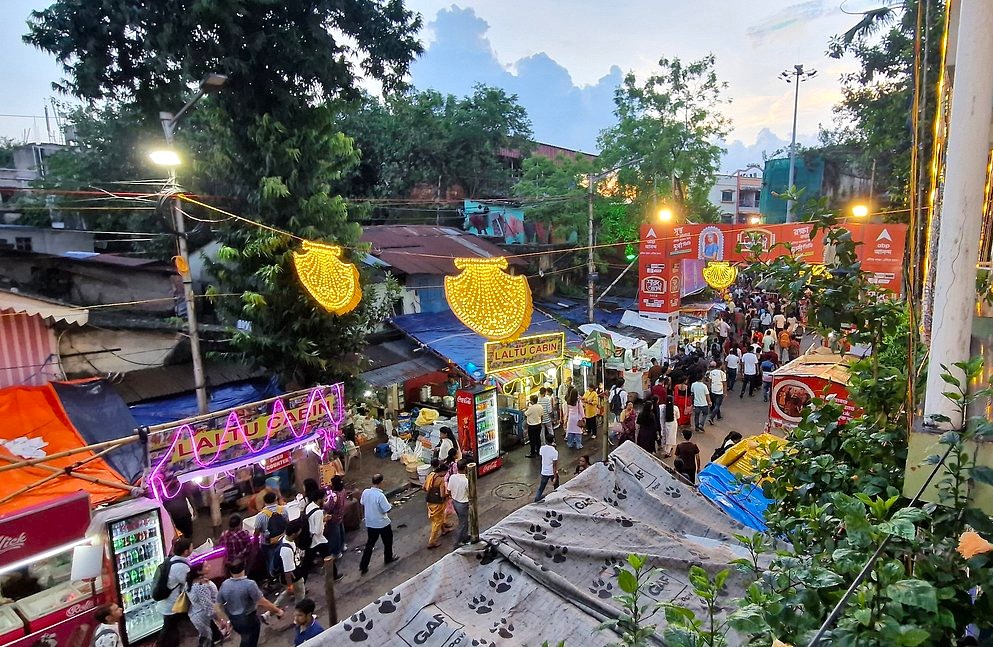
Narrow lanes lead to small factories where craftsmen engage in hand-milling local flour. Artisans carve wooden blocks for textile printing, a practice located in the backrooms of old houses near the Badridas gate. These unique findings are tucked away from the main road, offering a glimpse into an active world of manual labor. Encountering local jewelry makers who use tools built decades ago is common. The experience is authentic, as you will be transfixed by the rhythmic sound of the tools.
Resilience and Renewal: Overcoming Adversity’s Challenges
In 1897, a massive earthquake shook the city, testing the original framework of the glass-clad walls. Residents, led by the temple trustees, used substantial resources to carefully restore every mirror and tile to ensure safety. During the 1943 famine, the Jain community organized massive grain distributions to feed the hungry, showcasing a miracle of human cooperation. These events shaped the local character, making the people active in their own preservation. The triumph over these disasters is a notable part of their story. The construction of the reinforced boundary walls in the 1900s served as a meaningful symbol of their incredible strength and persistent energy against the shifts of history.
Urban Legends: Strange Sightings, Myths and Mysteries
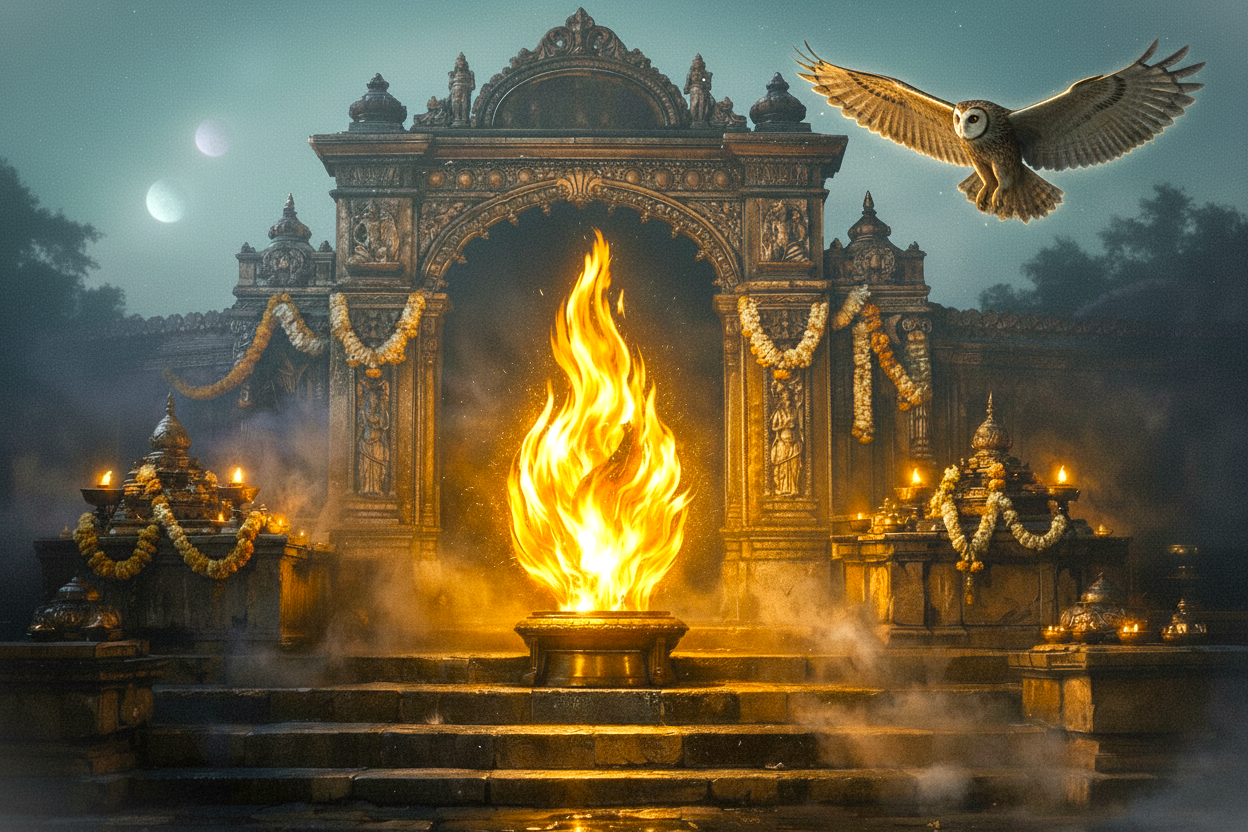
Local legend speaks of the "Golden Flame" seen near the 1867 gates during the new moon. Stories from the local residents mention a glow emanating from the central sanctum that disappears when approached. Another mystery involves the "Scent of Jasmine" in the winter garden even when no flowers bloom, a phenomenon reported since the 1920s. Some believe these are signs of an ancient presence, while others think it is a natural miracle of light reflecting off the extensive glasswork.
Pack Your Bags, Your Next Chapter is Epic - Join Us
This destination offers a journey unlike any other in the city. Presence is an important part of the exchange between the world and this historic pocket. The trip is situated at the intersection of history and daily life, where people are transfixed by the local grace. This journey is an incredible opportunity to see a part of the world that remains true to its roots. The experience is substantial and the memories created are fantastic. This is an invitation to witness a world that is refined, elegant, and waiting for those who walk through its ancient, brick-lined streets. Jain Swetamber Dadjika Temple Calcutta.
Symphony of Generosity: Offerings from Wanderers to Residents
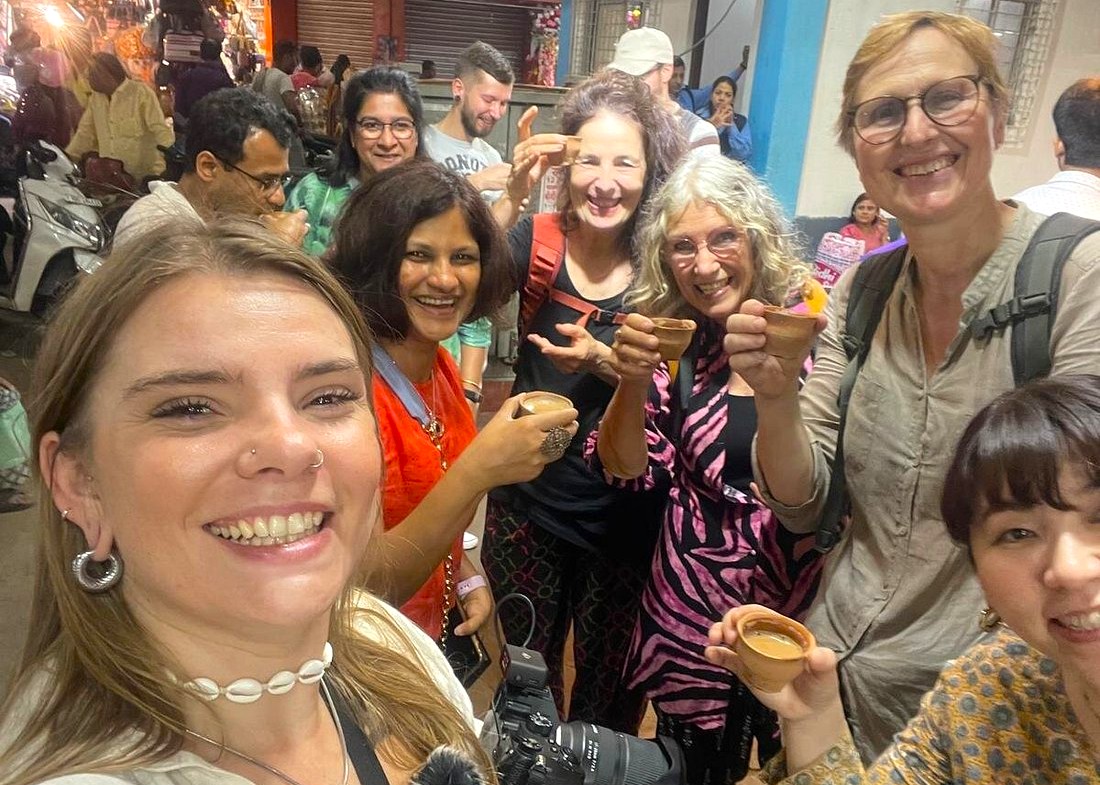
The interchange between guests and the locals provides vital financial support for the ongoing heritage restoration projects. You will help maintain the unique mirror mosaics and small artisan workshops, ensuring the artistry continues. In return, an exquisite understanding of a lifestyle that is peaceful and reflective is gained. The benefits are mutual: the residents gain the means to preserve their building design, while guests gain an incredible, meaningful connection to the past. This exchange is a substantial miracle of travel, where a presence helps keep the lively spirit of the community active.
Step Inside The Story - View All Tour Itineraries & Details

We’re here to offer genuine, thoughtful guidance if your interested in travelling to India. As a small, dedicated team, we pay close attention to every detail so you can focus on enjoying the experience while we take care of the planning. We believe the best trips begin when someone truly listens to what you want and how you like to travel, so the journey feels right for you and contributes to a happy, positive group on tour. Our communication stays clear, straightforward, and respectful at every step, with the goal of helping you feel understood, supported, and confident from first contact to the end of your journey.
Click Catherine Frith - About The Founder
Click Discover Life Travel - All Tours and More
Click Why We Are Different - Unique, Safe, Transparent