Unique Insights Into Ancient India
Indus Valley: The Beginning
Discover Life Travel
Cradle of Civilization
The story of India is one that stretches back thousands of years, revealing the rise and fall of some of the world's most ancient and advanced civilizations. At the heart of this epic saga lies the Indus Valley Civilization, a remarkable urban culture that flourished along the banks of the Indus River as early as 3300 BCE. India, the world’s largest democracy, spans a subcontinent unified by paradox - myth meeting science, festivity interwoven with relentless ambition. From Himalayan snow to coastal mangroves, the land’s foundation pulses beneath glass towers and teakwood temples alike. With over 1.4 billion hearts, its story is written daily - family feasts, and spiritual circles turning since the dawn of history. India is not just a country: it’s a phenomenon in time. Indus Valley The Beginning
Indus Valley: The Beginning - Roots Beyond the Story
The name "India" springs from the River Indus, called Sindhu in Sanskrit. Persian explorers used “Hindustan” for the broader land beyond the Indus, while “Bharat” - a name from ancient texts - evokes the age-old king Bharata, whose sons once argued in council under the shade of the peepal tree. The earliest known settlers were not kings but tribal groups - Bhil, Santhal, and Gond - whose flint tools and earth mounds shaped the land long before Sanskrit chroniclers.
Sacred Crossroads and Epicenters
Stretching east from the Thar Desert to the misty hills of Kodaikanal, India’s most influential cities today include Delhi, Mumbai, Calcutta, Chennai, and Hyderabad. These metropolises cradle millions - Mumbai houses over 20 million, second only to Delhi. Sacred centers like Varanasi and Kanchipuram pulse beneath layers of commerce and devotion, as old riverbanks remain the silent witnesses to cycles of prosperity and repair. Indus Valley The Beginning
City Patterns and Construction
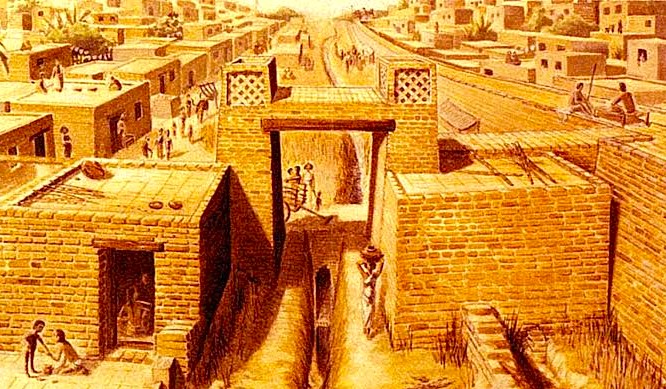
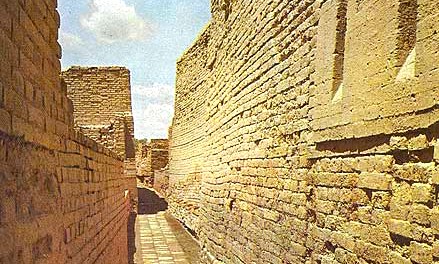
India Indus Valley Beginings. As Harappan and later Mauryan Dynasty's carved order on the landscape, standardized fired-brick platforms and wide boulevards emerged. The city of Harappa flourished by 2600 BCE, with planned grids and ceremonial pools. Clusters like Pataliputra, Amravati, and Ujjain followed, layered by the ambitions of dynasts such as Ashoka, Chandragupta, and Kanishka. Rajasthan’s palaces and southern temples arose through communal labor - each stone placed as much for function as mysticism.
Bloodlines Across Time
Long-standing dynasties still quietly shape the present. The Scindias of Gwalior, Wadiyars of Mysore, and Gaekwads of Baroda remain active in politics, philanthropy, and land preservation, their estates and trusts threading old royal authority into modern civic life. Genealogical records, or "vamshavalis," carry names such as Yadu, Kuru, and Pandya, once recited before dawn in palace halls by court genealogists tracing each ruler's descent through long generations of unbroken royal succession. Today their descendants move between boardrooms, ministries, and classrooms, applying inherited discipline to contemporary enterprise, carrying the country's long passage from monarchy toward republic forward in its own idiom. Indus Valley The Beginning
Fairs and Festivals
India never pauses its festival wheel. Diwali, the Festival of Lights, lights up homes nationwide every October or November, beginning at sunset with veneration and feasting, running two days. Holi, falling in March, colors streets and faces for a wild day of spring welcoming. At Pushkar every November, camel traders and musicians flood Rajasthan’s deserts, while December’s Hornbill Festival in Nagaland fills the air with drumming, dancing, and feasts of pork and yam.
Trade, Technology, and Highways
Ancient trade routes once carried silk and spices from Kanyakumari north to Taxila and eastward toward the far distant reaches of China, camel caravans and coastal dhows threading a vast continent together long before modern borders existed. In the present, India's Golden Quadrilateral highway links four major megacities, handling hundreds of trucks by the hour along its sunbaked lanes. Old merchant clans, the Chettiars of Tamil Nadu and Memon families of Gujarat among them, have carried inherited trades into the digital age, moving from ledgers and shipyards toward software and fintech, each generation trading in a different currency of exchange. Indus Valley The Beginning
Conflicts and Concord
Chronicles keep tally of battles, from Chandragupta Maurya’s victory at the Battle of Chaura in 321 BCE to the 1857 Sepoy Revolt that shook Delhi’s Red Fort. Each conflict - whether local or national, reshaped boundaries and daily life, often remembered in stone, folktale, and public commemoration. Modern India’s wars in 1947, 1965, and 1971 gave rise to new heroes, whose legacies prompt annual wreath-laying at war memorials.
Step Inside The Story - View All Tour Itineraries & Details
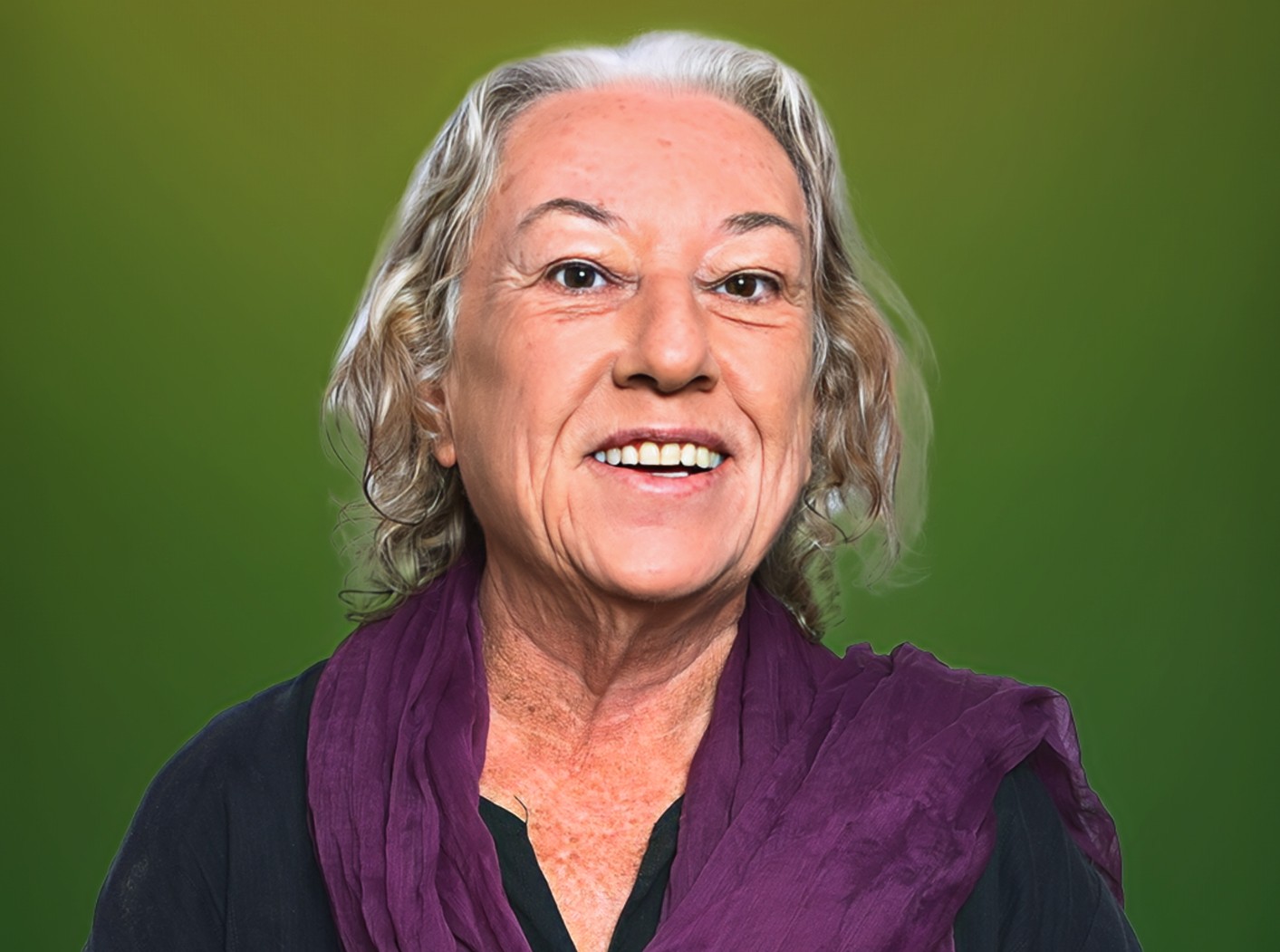
We’re here to offer genuine, thoughtful guidance if your interested in travelling to India. As a small, dedicated team, we pay close attention to every detail so you can focus on enjoying the experience while we take care of the planning. We believe the best trips begin when someone truly listens to what you want and how you like to travel, so the journey feels right for you and contributes to a happy, positive group on tour. Our communication stays clear, straightforward, and respectful at every step, with the goal of helping you feel understood, supported, and confident from first contact to the end of your journey.
Click Catherine Frith - About The Founder
Click Discover Life Travel - All Tours and More
Click Why We Are Different - Unique, Safe, Transparent