A Unique Look Into Indian History
Vakataka Dynasty: Deccan Plateau
Discover Life Travel
The Deccan After the Satavahanas
In the wake of the mighty Satavahana Dynasty collapse in the early 3rd century CE, the Deccan plateau entered a period of political fragmentation. Various smaller principalities and local chieftains vied for control over the vast and fertile territories. The political landscape of the Deccan before the Vakataka rise was a complex mosaic of power struggles. Into this vacuum of authority stepped a new dynasty of Brahmanical origin. These ambitious rulers emerged from the Vidarbha region, poised to unify the land, restore order, and usher in a new golden age of art and culture. Vakataka Dynasty Deccan Plateau
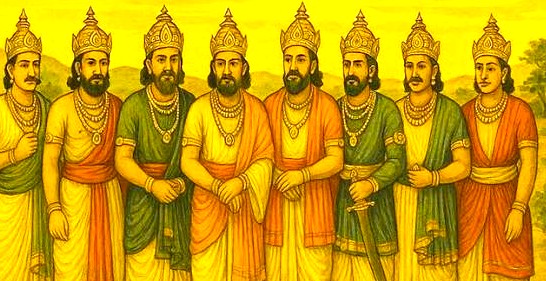
Vakataka Dynasty - Deccan Plateau: Dynastic Origins
This Dynasty was established around 250 CE by the formidable Vindhyashakti, a figure of great power mentioned in Puranic texts and inscriptions. The founding of the Vakataka Dynasty by Vindhyashakti marked the dawn of a new era in the Deccan. While details of his queen and immediate children are scarce, his son, Pravarasena I, elevated the dynasty to imperial status by performing numerous Vedic sacrifices, including four Ashvamedha (horse sacrifices), and declaring himself Samrat (Emperor). From their initial base, they expanded their dominion, laying the foundation for a legacy that would last for nearly three centuries.
A Day in the Life of a Vakataka King
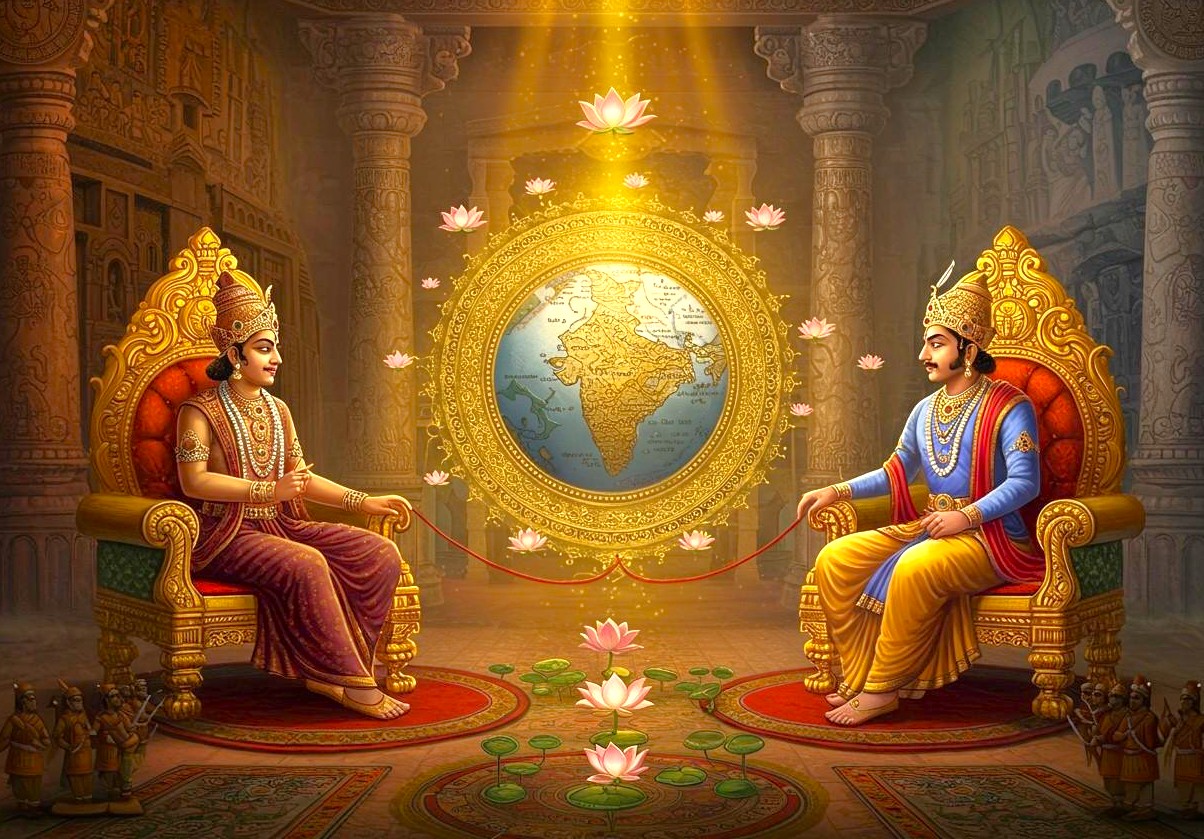
The daily life of a Vakataka monarch was a disciplined affair governed by the principles of Dharmashastra. A king like Harishena or Pravarasena II would begin his day with religious rituals before attending his royal court. Here, he would dispense justice, consult with ministers on state matters, and receive envoys. The daily administrative duties of a Vakataka king also involved overseeing vast public works, patronizing temples and monasteries, and planning military strategies. Their lives were not just of luxury but of immense responsibility, dedicated to upholding Dharma and ensuring the prosperity of their kingdom. Vakataka Dynasty Deccan Plateau
Village Life and Social Structure
Society was predominantly rural, with a well-organized agrarian economy forming its base. The daily life of commoners in the Vakataka empire revolved around villages (gramas), each managed by a headman (gramakuta). The caste system was firmly in place, guiding social hierarchy and occupations from priests and warriors to farmers and artisans. People lived in simple houses, cultivated crops like rice and cotton, and participated in local festivals. Guilds of artisans and merchants (shrenis) were also prominent, indicating a vibrant urban and commercial life alongside the pastoral tranquility of the villages.
The Royal Kitchen and Deccan Cuisine
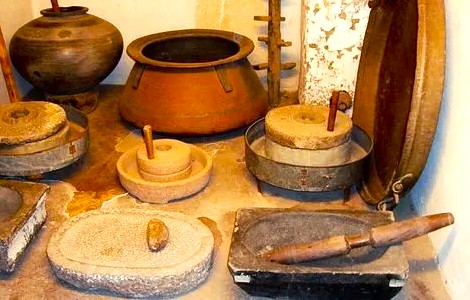
The royal kitchens during the Vakataka period would have prepared cuisine reflecting the agricultural richness of the Deccan plateau. The food and culinary practices of the Vakataka royal court likely centered on staples like rice, jowar, and wheat, complemented by a variety of lentils, local vegetables, and dairy products. As devout Hindus, the royal diet would have adhered to scriptural injunctions. Grand feasts, an essential part of royal celebrations and for honoring dignitaries, would have showcased the culinary arts of the time, featuring elaborate preparations to display the wealth and generosity of the sovereign. Vakataka Dynasty Deccan Plateau
Laws of Dharma and Royal Justice
The legal system was based on the sacred Hindu texts, the Dharmashastras. The administration of justice in the Vakataka kingdom placed the king as the highest judicial authority, advised by a council of learned Brahmins. The law was meant to maintain social order and uphold Dharma. Inscriptions record land grants and the resolution of disputes, showing a structured legal process. Punishments would have been in accordance with scriptural prescriptions, ranging from fines for minor offenses to more severe penalties for grave crimes, ensuring the king was seen as a righteous protector of his people.
The Pantheon of Gods and Goddesses
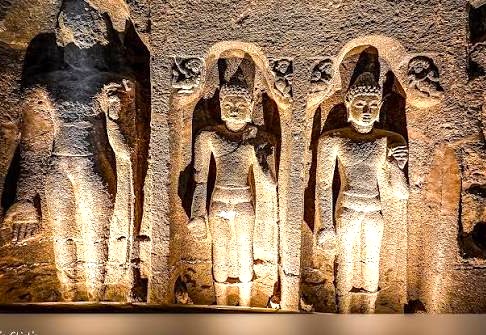
The Vakatakas were staunch patrons of Brahmanical Hinduism, particularly the Shaivite and Vaishnavite sects. The primary Hindu deities worshipped by the Vakatakas included Shiva, who was the patron deity for many rulers, and Vishnu. Inscriptions and the magnificent temples they built are filled with references to these gods. However, their reign was also marked by remarkable religious tolerance. They extended generous patronage to other faiths, most notably Buddhism, as evidenced by their sponsorship of several viharas and chaityas in the Ajanta Caves, creating a climate of spiritual harmony.
Festivals and Religious Processions
Religious life was vibrant with festivals and grand ceremonies. The celebration of Hindu festivals during the Vakataka period would have been a cornerstone of public life, with events like Shivaratri and Vasantotsava (the spring festival) being celebrated with great fervor. Royal patronage ensured that these events were spectacular, involving elaborate temple rituals, music, dance, and public feasts. Processions carrying the images of deities were likely a common sight, reinforcing the king's role as the chief patron of religion and fostering a sense of collective identity among his subjects. Vakataka Dynasty Deccan Plateau
The Learned Court and Artistic Patronage
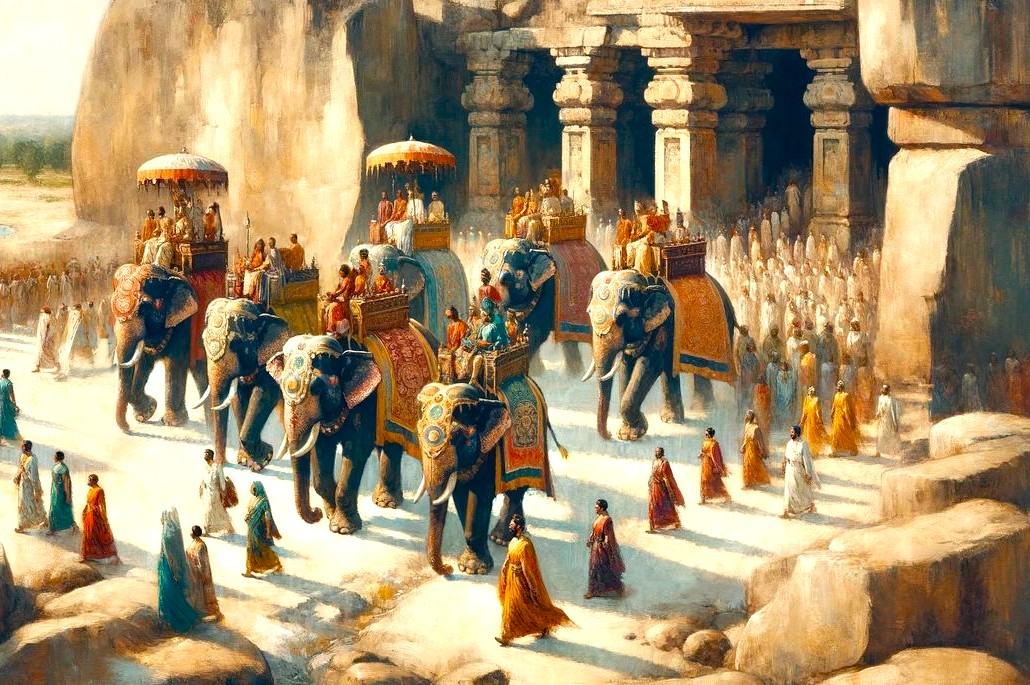
The Vakataka court was a celebrated center of high culture and learning. The patronage of Sanskrit literature by the Vakataka kings fostered a literary renaissance in the Deccan. It is believed that the great poet Kalidasa may have spent time at their court during the regency of Prabhavatigupta, composing his masterpiece Meghaduta. King Sarvasena of the Vatsagulma branch authored the Prakrit poem Harivijaya, while Pravarasena II is credited with the Setubandha. Their court was a glittering assembly of poets, scholars, and artists, making it one of the most intellectually vibrant of its era.
Military Conflicts and Dynastic Resilience
The Vakatakas were a formidable military power who engaged in constant struggles to maintain and expand their empire. The major battles and military alliances of the Vakataka Dynasty involved conflicts with powerful neighbors like the Guptas of the north, the Nalas of Bastar, and the Kadambas of Karnataka. Their matrimonial alliance with the Guptas brought a period of stability and cultural exchange. Despite facing numerous invasions and internal divisions, the dynasty showed remarkable resilience, controlling a large part of the Deccan for over two hundred and fifty years through strategic warfare and astute diplomacy.
The Gupta Marriage Alliance and Queens
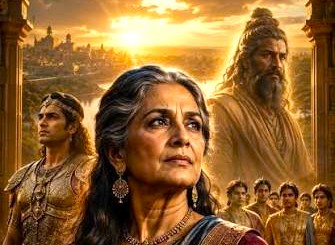
One of the most significant events in Vakataka history was a strategic matrimonial alliance. The political impact of the Vakataka-Gupta marriage alliance was immense. The Gupta emperor Chandragupta II married his daughter, Prabhavatigupta, to the Vakataka king Rudrasena II. After her husband's early death, Prabhavatigupta ruled for about two decades as regent for her minor sons. During this period, the Vakataka kingdom effectively became an extension of the Gupta empire, leading to a profound fusion of northern and Deccan cultures, which is vividly reflected in the art of the Ajanta Caves.
The Zenith of Artistry at Ajanta
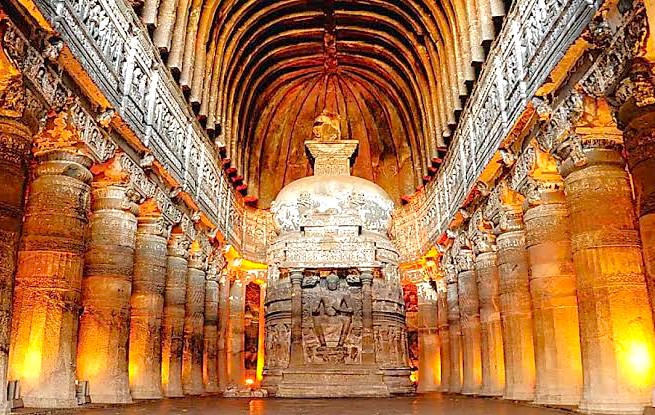
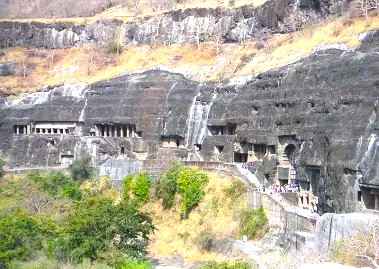
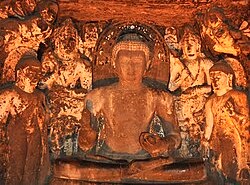
The Vakataka era is synonymous with one of the greatest artistic achievements in human history: the Ajanta Caves. The patronage of Ajanta Caves paintings under Harishena represents the pinnacle of ancient Indian art. Under the rule of the Vakataka emperor Harishena of the Vatsagulma branch, a majority of the magnificent murals and sculptures in the Buddhist caves were created. These paintings, renowned for their vibrant colors, emotional depth, and exquisite detail, depict Jataka tales and scenes of courtly life, providing an unparalleled visual record of the society, culture, and artistic genius of the age. Vakataka Dynasty Deccan Plateau
Hindu Cremation and Ancestral Rites
The final rites for both royalty and commoners in the Vakataka kingdom would have followed prescribed Hindu rituals. The funerary practices and cremation rituals of the Vakatakas involved the ceremonial cremation of the deceased on a funeral pyre. The ashes would then be collected and immersed in a sacred river. Ancestral rites, known as Shraddha, were performed to honor the departed and ensure the well-being of their souls in the afterlife. These ceremonies were of profound religious importance, reflecting the deeply held beliefs about life, death, and reincarnation prevalent in the society.
Ayurvedic Physicians and Royal Health
Health and wellness in the kingdom were likely governed by the principles of Ayurveda, the traditional Indian science of medicine. The practice of Ayurveda during the Vakataka period would have been well-established, with skilled physicians (vaidyas) serving the royal court and the populace. These physicians used a vast knowledge of medicinal plants and minerals found in the Deccan to treat illnesses and promote health. While direct evidence is scarce, the general prosperity and cultural sophistication of the era suggest that established systems of medicine were in place to care for the people. Vakataka Dynasty Deccan Plateau
Vakataka Irrigation and Waterworks
The Vakatakas understood that prosperity depended on a stable agricultural base and undertook significant irrigation projects. Inscriptions from their reign record the construction of tanks and dams by the Vakatakas. They built reservoirs (tatakas) and canals to manage water resources effectively, especially in the agrarian heartlands of Vidarbha and Marathwada. These public works not only boosted agricultural productivity and state revenue but also demonstrated the dynasty's commitment to the welfare of its subjects, showcasing their advanced engineering skills and administrative foresight.
The Great Ajanta Caves Patronage
While known for many things, the dynasty's most enduring legacy is its connection to Ajanta. The Vakataka dynasty's sponsorship of Ajanta's art and architecture is their crowning achievement. Specifically, the reign of Emperor Harishena saw an explosion of creative activity, with Caves 1, 2, 16, and 17 being prime examples of Vakataka patronage. These caves, with their breathtaking murals, elegant sculptures, and grand architecture, stand as a testament to the dynasty's immense wealth, refined aesthetic taste, and tolerant religious policy, securing their place as one of India's greatest artistic patrons. Vakataka Dynasty Deccan Plateau
The Two Branches of Power
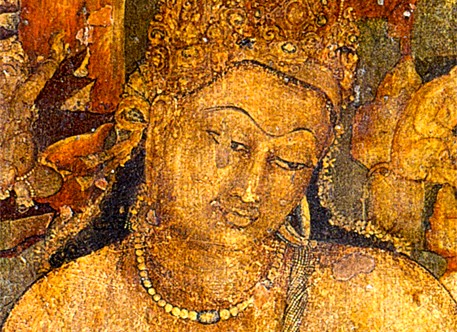
Shortly after the reign of Pravarasena I, the Vakataka empire split into two prominent branches. The history of the Pravarapura-Nandivardhana and Vatsagulma branches marks a key phase of their rule. The main branch, ruling from centers like Pravarapura (modern-day Paunar), maintained control over the northern Vidarbha region and formed the famous alliance with the Guptas. The junior branch, based at Vatsagulma (modern-day Washim), ruled the southern territories. This Vatsagulma branch, under rulers like Sarvasena and Harishena, was responsible for the glorious artistic achievements at Ajanta.
Sanskrit Literature's Golden Age
The court was a beacon for Sanskrit and Prakrit literature, fostering a period of immense creativity. The Vakataka patronage of Kalidasa and other Sanskrit poets is a topic of intense scholarly interest. Beyond the possible presence of Kalidasa, Vakataka rulers were themselves accomplished authors. Pravarasena II is credited with composing the epic Prakrit poem Setubandha (The Building of the Bridge), which details Rama's campaign to Lanka. This active royal participation in literary creation highlights a court culture that deeply valued intellectual and poetic pursuits, contributing significantly to India's classical literary heritage.
The Chalukyan Rise from Vakataka Decline
By the early 6th century CE, the power of the Vakatakas had waned. The reasons for the decline of the Vakataka dynasty are attributed to conflicts with the Nalas of Bastar and the rise of new regional powers. Following the death of the great emperor Harishena, the empire likely disintegrated due to succession struggles. From the ashes of their western territories rose the Chalukyas of Badami, who would go on to become the next dominant imperial power in the Deccan, inheriting much of the Vakataka political and cultural legacy and building upon it to forge their own magnificent empire.
Step Inside The Story - View All Tour Itineraries & Details
We’re here to offer genuine, thoughtful guidance if your interested in travelling to India. As a small, dedicated team, we pay close attention to every detail so you can focus on enjoying the experience while we take care of the planning. We believe the best trips begin when someone truly listens to what you want and how you like to travel, so the journey feels right for you and contributes to a happy, positive group on tour. Our communication stays clear, straightforward, and respectful at every step, with the goal of helping you feel understood, supported, and confident from first contact to the end of your journey.
Click Catherine Frith - About The Founder
Click Discover Life Travel - All Tours and More
Click Why We Are Different - Unique, Safe, Transparent