A Unique Look Into Indian History
Chalukya Dynasty: South Central India
Discover Life Travel
Life Before Chalukya Rule In Deccan
Before the rise of the Chalukyas, the Deccan plateau and western coastal belt were a patchwork of small chiefs, tribal polities and lingering post‑Satavahana powers. Villages clustered along the Krishna and Tungabhadra rivers, growing millets, rice and pulses, while ports on the Konkan traded with the Arabian and Persian Gulf. Megalithic burials, cave shrines and early temple remains show a complex cultural matrix. Into this world, the “early Deccan regional kingdoms before Chalukya empire” context, emerged the Chalukya clan, first as local warriors, then as major shapers of peninsular India. Chalukya Dynasty South Central India
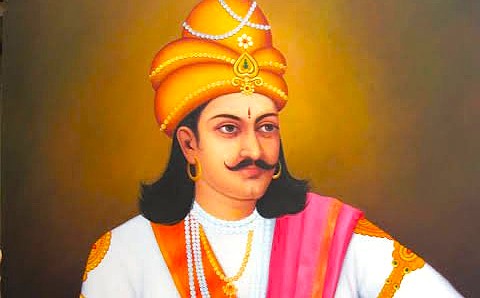
Chalukya Dynasty South Central India: Power From Vatapi
The “Pulakeshin led Badami Chalukya empire in Karnataka” traces its origin to Pulakeshin I and more firmly to his grandson Pulakeshin II in the early 7th century CE. Centered at Vatapi (modern Badami in Karnataka), they expanded over large swathes of the Deccan, confronting the Pallavas of Kanchi, Alupas on the coast and smaller Karnataka chiefs. Their realm stretched from the Narmada in the north to parts of the Cauvery basin in the south, and from the Arabian Sea almost to the Bay of Bengal at times. Later branches - Eastern Chalukyas of Vengi and Western Chalukyas of Kalyani - extended this legacy across centuries of Deccan politics.
Daily Life Of Chalukya Kings And Royal Family
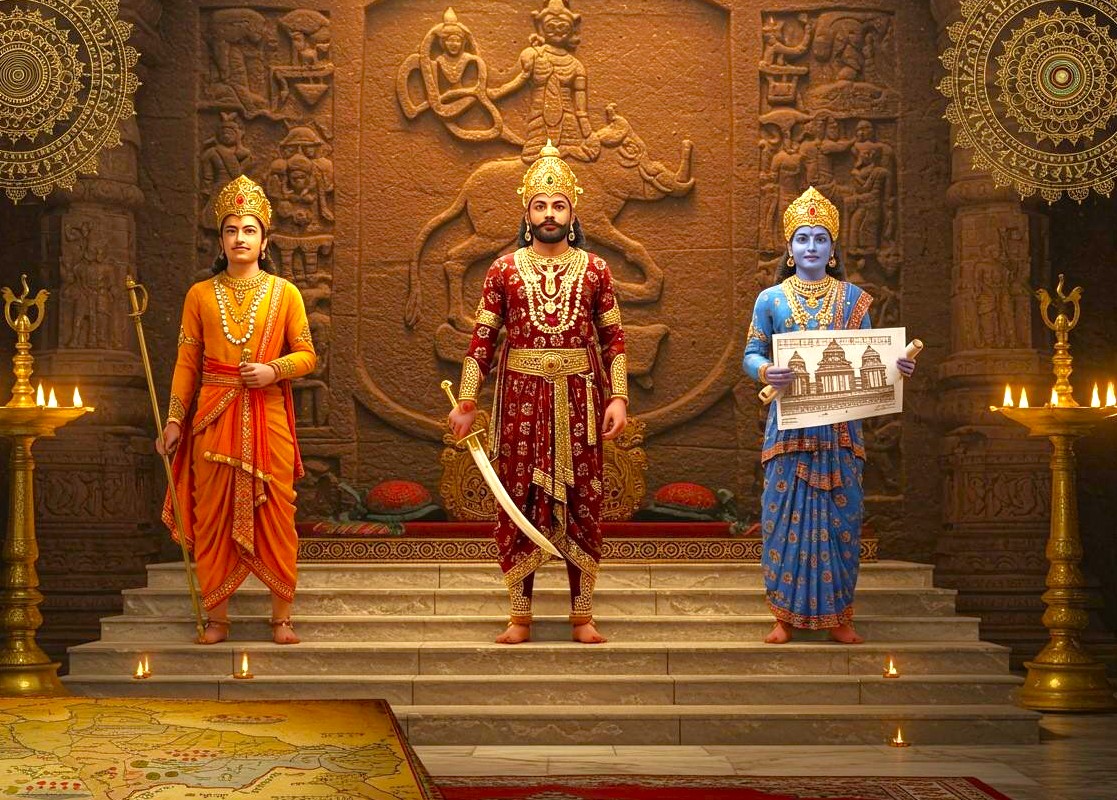
In the “royal lifestyle of Chalukya kings in Badami capital”, mornings began with ritual bathing in rock‑cut tanks, worship of Shiva, Vishnu or local tutelary deities, and consultations with priests and ministers. The king listened to military briefings, revenue reports and petitions in pillared halls overlooking red sandstone cliffs. Queens oversaw the inner palace, jewels, textiles, granaries and temple endowments, and occasionally influenced succession and alliances. Princes trained in weapons, chariotry and elephant warfare while studying Sanskrit, regional languages, law and political lore. Royal children played in courtyards amid musicians, storytellers and tutors, growing up in a world where every gesture was preparation for rule. Chalukya Dynasty South Central India
Local Society And Village Daily Life In Chalukya Lands
For most people, the “agrarian village life in Chalukya era Karnataka” revolved around monsoon rhythms. Farmers ploughed black and red soils for millets, rice, pulses and oilseeds, using bullocks and simple iron tools. Irrigation tanks and wells extended cultivation beyond rains. Women fetched water, husked grain, spun cotton and helped transplant and harvest crops, while tending household shrines. Artisans - smiths, potters, carpenters, weavers and oil‑pressers - worked in clustered hamlets or small market towns. Village assemblies (sabhas) and caste councils resolved disputes, managed common lands and organized temple festivals, giving local communities agency beneath the distant authority of Vatapi or Kalyani.
Royal Kitchens, Feasts And Deccan Foods
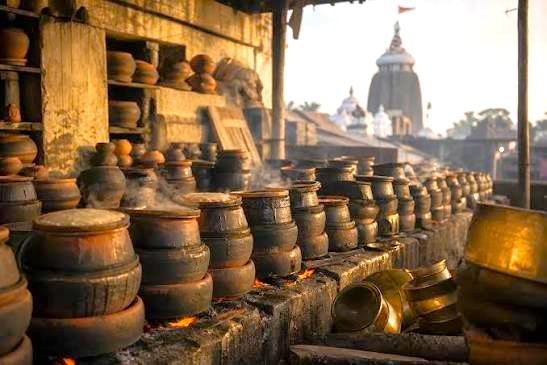
Inside palaces, the “traditional Deccan cuisine in Chalukya royal kitchens” revealed regional abundance. Cooks prepared rice, various millets, lentils, vegetables, dairy dishes and, for Kshatriya households, meat from hunts or livestock. Coconut, tamarind, pepper and other spices flavored stews and curries; ghee and sesame oil enriched offerings to deities and guests. Daily meals fed family, courtiers, guards and visiting envoys. On coronations, temple consecrations and victories, vast cauldrons of food were prepared for public distribution at temples and palace gates. Feeding Brahmins, pilgrims and the poor reflected royal dharma and displayed the empire’s prosperity across the plateau.
Laws, Land Grants And Punishments Under Chalukyas
Copperplate grants recorded land donations, tax remissions and judicial privileges to Brahmins, temples and officers, fixing boundaries and obligations. Village assemblies settled many disputes; serious crimes or conflicts between corporate bodies could reach royal courts. Punishments for theft from temples or royal stores included fines, restitution and sometimes corporal penalties; rebellion and treason could bring confiscation of land or harsher sanctions. Yet the system often favored negotiation and restoration of order, with kings styled as upholders of dharma rather than arbitrary tyrants. Chalukya Dynasty South Central India
Gods, Temples And Religious Life In Chalukya Times
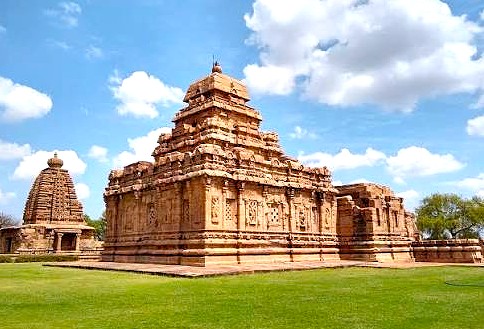
Religion thrived within the early Chalukya rock cut temples and Hindu deities worship milieu. The dynasty patronized Shaivism and Vaishnavism, as seen in the cave temples and structural shrines at Badami, Aihole and Pattadakal, where Shiva, Vishnu and Durga share space with narrative reliefs from epics. They also supported Jain basadis in some regions. Rituals included daily worship, homa fire offerings, festivals and royal sacrifices. Temples functioned as ritual centers, landholders, granaries and employers of artists and priests, anchoring both village and urban identities. Chalukya royal piety wove local deities into wider pan‑Indic frameworks through architecture and inscription.
Festivals, Processions And Sacred Gatherings
Festival days turned Chalukya era temple festivals and Deccan processions into spectacles of devotion and power. Utsava images of deities rode on palanquins or chariots through decorated streets and fields, accompanied by drummers, flute‑players and dancers. Villagers brought offerings of grain, flowers and livestock, seeking blessings for rains and harvests. Merchants set up stalls for cloth, ornaments and food, turning temple forecourts into lively markets. Royal attendance, gifts of gold, land and lamps, and announcements of grants during such events made festivals critical moments when religious, economic and political orders aligned under Chalukya gaze. Chalukya Dynasty South Central India
Royal Courts, Scholars And Entertainments
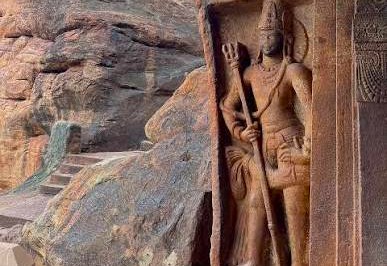
In audience halls and gardens, the Chalukya royal court culture with Sanskrit scholars and musicians mixed governance with refinement. Mornings saw petitions, legal decisions and administrative briefings; later hours featured poets reciting Sanskrit and early Kannada verses, musicians performing on veena and drums, and dancers presenting classical and folk forms. Philosophers, grammarians and astronomers debated: Jains and Brahmins sometimes vied for patronage. Storytellers narrated epics to both nobles and commoners in open courtyards. Patronage of learning and performance reinforced the image of Chalukya kings as cultured guardians of both martial and intellectual traditions.
Battles, Campaigns And Deccan Resilience
The “Pulakeshin II military campaigns against Pallavas and Harsha” made the Badami Chalukyas famous as Deccan power brokers. Pulakeshin II checked north Indian emperor Harsha near the Narmada and fought decisive wars against the Pallavas of Kanchi, at times sacking Kanchipuram and at other times losing Vatapi itself in counter‑invasions. Chalukya armies of cavalry, elephants and infantry marched across rivers and ghats, seizing and defending forts that controlled trade routes. Later Western Chalukyas of Kalyani clashed with Cholas, Hoysalas and Kachuris, showing the dynasty’s long‑term resilience in a fiercely contested peninsular theater.
Royal Marriages, Alliances And Women’s Roles
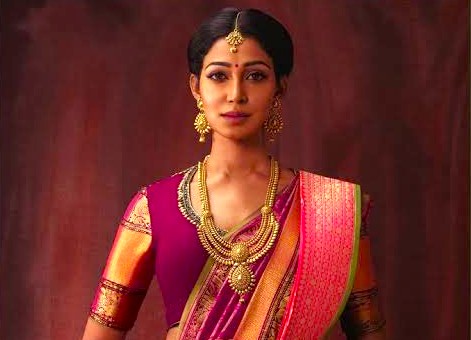
Within the “Chalukya inter dynastic marriage alliances in South India” web, matrimony served as a key diplomatic tool. Chalukya princes married daughters of Pallavas, Gangas and other regional houses; Chalukya princesses were given in marriage to cement peace deals or claims. Queens endowed temples, tanks and feeding houses, and appear in inscriptions as donors in their own right. Inside the palace, royal women influenced succession choices, smoothed factional conflicts and acted as patrons of poets and religious leaders. Their status reflected both patriarchal norms and the high value placed on matrimonial diplomacy in Deccan politics. Chalukya Dynasty South Central India
Magic, Artistry And Poetic Imagination
The medieval Deccan court poets and temple artisans under Chalukyas created a rich world of image and metaphor. Court bards composed prashastis (eulogistic inscriptions) and long poems praising kings as lion‑slayers and world‑protectors, weaving in divine comparisons and omens. Temple sculptors carved mythic scenes, ganas, river goddesses and celestial couples with an almost magical fluidity in stone. Astrologers, ritual specialists and healers added layers of divination, amulets and propitiatory rites that many courtiers took seriously. Together, these figures shaped a culture where artistry and what we might call “magic” overlapped in the minds of rulers and subjects.
Burial, Cremation And Memorial Traditions
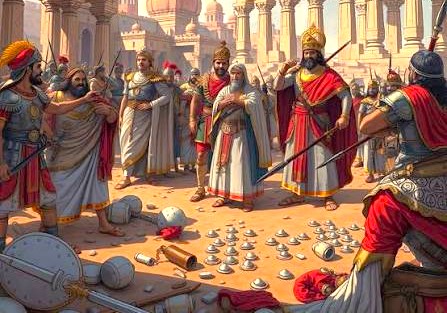
In Chalukya cremation rituals and hero stone traditions in Karnataka, death rites combined Vedic, local and heroic elements. Most Hindus were cremated on pyres by rivers or tanks; ashes were immersed in water or buried near sacred sites. Some royal and noble cremation spots later gained small memorial shrines. Hero stones (viragallu) commemorated warriors who died in battle or cattle raids, carved with figures of armed men, deities or ritual scenes. Annual offerings and local worship at such stones embedded memories of valor and lineage into the Deccan’s physical landscape.
Physicians, Healers And Medical Knowledge
Health care in Ayurvedic medicine practice in Chalukya Karnataka villages merged classical texts with regional experience. Ayurvedic vaidyas treated fevers, digestive disorders, wounds and chronic ailments using herbal preparations, oils and diet regimens. Bonesetters and barber‑surgeons handled fractures and minor surgeries. Monastic and temple complexes sometimes ran rudimentary infirmaries or rest houses. Folk healers invoked deities and spirits alongside herbs, and people sought cures at holy springs and shrines. Royal patronage of learned physicians and donations to temples associated with healing anchored medical practice in both scholarly and devotional contexts.
Aqueducts, Tanks And Royal Water Management
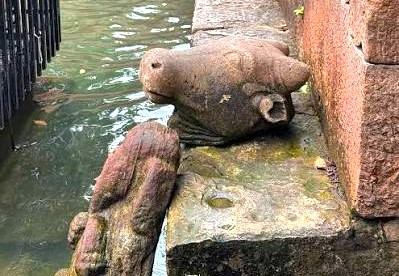
The Chalukya irrigation tanks and systems were critical to sustaining agriculture and cities. Kings, queens and local elites sponsored the digging of tanks, canals and wells, often recorded with pride in inscriptions. Stone aqueducts and channels diverted stream and river water into reservoirs; bunds and sluices regulated supply to fields. Maintenance fell partly to village assemblies and temple authorities, who organized desilting and repair. Efficient waterworks allowed the Chalukyas to support growing populations, long campaigns and major temple projects despite uneven monsoon patterns. Chalukya Dynasty South Central India
New Powers Arise After Chalukya Decline
As fortunes waned, the post Chalukya emergence of Rashtrakutas and Chola Hoysala powers reshaped the Deccan and south India. The Rashtrakutas overshadowed the early Badami line; later, the Western Chalukyas of Kalyani yielded ground to Hoysalas, Seunas and Kakatiyas, while the Eastern Chalukyas merged into the line that produced the Chola‑Chalukya kings of the east coast. Yet Chalukya architectural styles, administrative habits and clan prestige survived in successor states. Their story became a bridge between ancient Satavahana legacies and the later imperial cultures of the Rashtrakutas, Cholas, Hoysalas and Vijayanagara, leaving the Deccan permanently marked by their centuries of rule. Chalukya Dynasty South Central India
Step Inside The Story - View All Tour Itineraries & Details
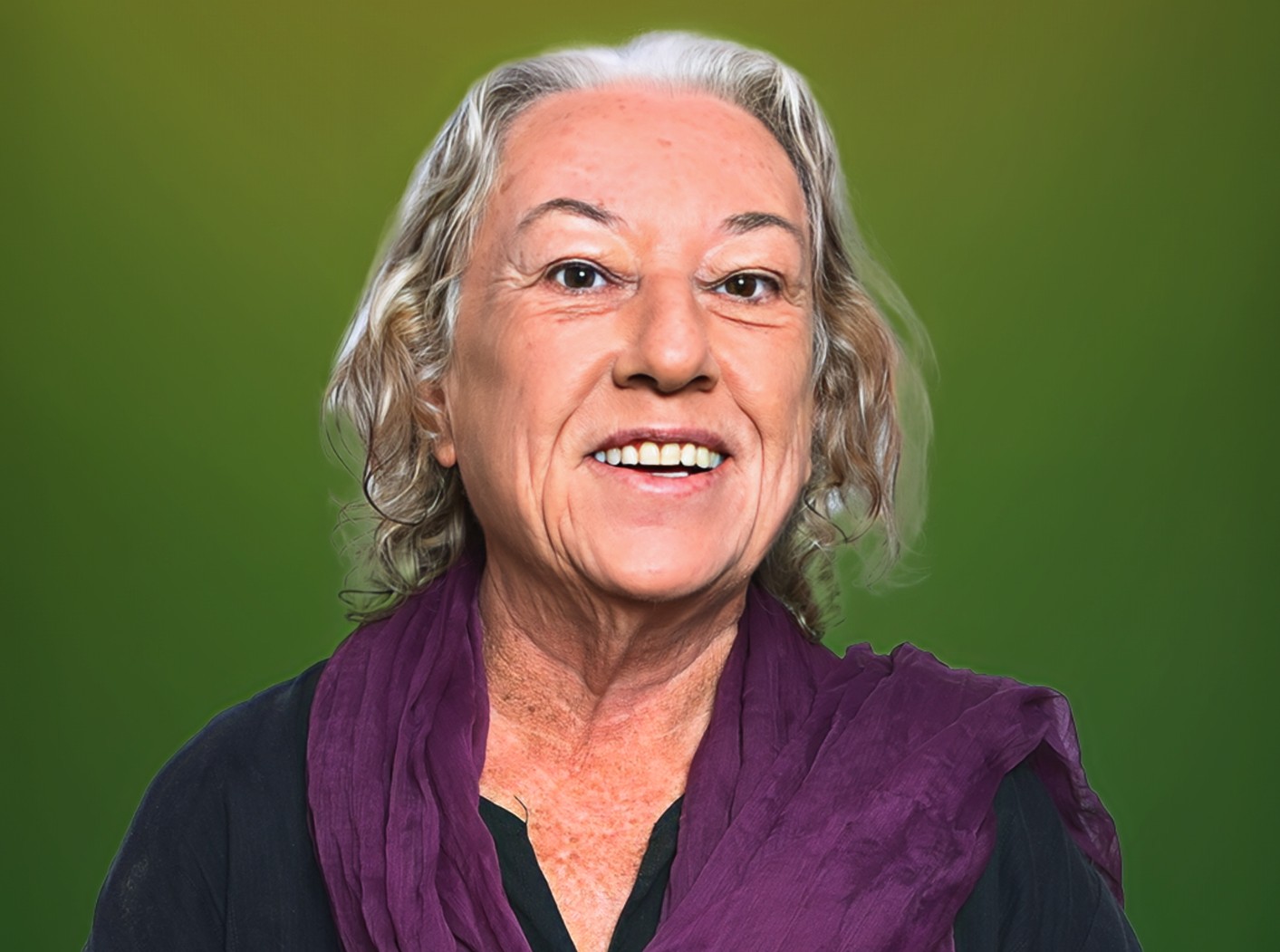
We’re here to offer genuine, thoughtful guidance if your interested in travelling to India. As a small, dedicated team, we pay close attention to every detail so you can focus on enjoying the experience while we take care of the planning. We believe the best trips begin when someone truly listens to what you want and how you like to travel, so the journey feels right for you and contributes to a happy, positive group on tour. Our communication stays clear, straightforward, and respectful at every step, with the goal of helping you feel understood, supported, and confident from first contact to the end of your journey.
Click Catherine Frith - About The Founder
Click Discover Life Travel - All tours and more
Click Why We Are Different - Unique, Safe, Transparent