A Unique Look Into Indian History
Gupta Dynasty: North India
Discover Life Travel
A Realm Recovered from Chaos
Following the collapse of the Kushan and Satavahana empires, north India fractured into a mosaic of rival kingdoms and republics. This era of political disunity, known as the "Age of Petty States," was marked by incessant conflict and economic disruption. Powerful clans like the Lichchhavis in the east and the Nagas in the central plains vied for dominance. The social conditions in north India before the Gupta empire were uncertain and fragmented, a landscape yearning for a unifying power to restore order, prosperity, and the cultural glory of Magadha, the ancient heartland of empires. Gupta Dynasty North India
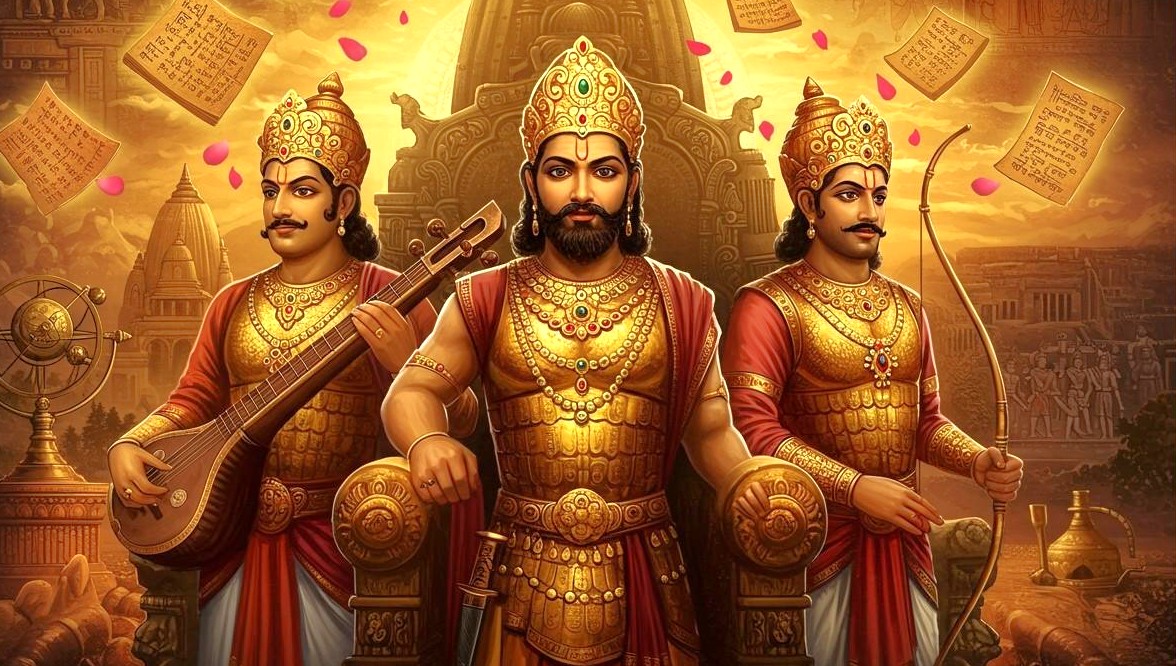
Gupta Dynasty - North India: Forging an Empire from a Kingdom
The Gupta dynasty began modestly with Sri Gupta, a local raja in Magadha around 240 CE. His son, Ghatotkacha, continued his rule. However, the true imperial age began with Chandragupta I, who, through a strategic marriage to the Lichchhavi princess Kumaradevi, elevated his status and expanded his kingdom. His son, Samudragupta, was a military genius who embarked on a brilliant "Digvijaya" (conquest of the quarters), uniting much of India under his rule. This marked the true founding of the imperial Gupta Dynasty through conquest and alliance, laying the groundwork for a golden age.
The Emperor’s Disciplined Day
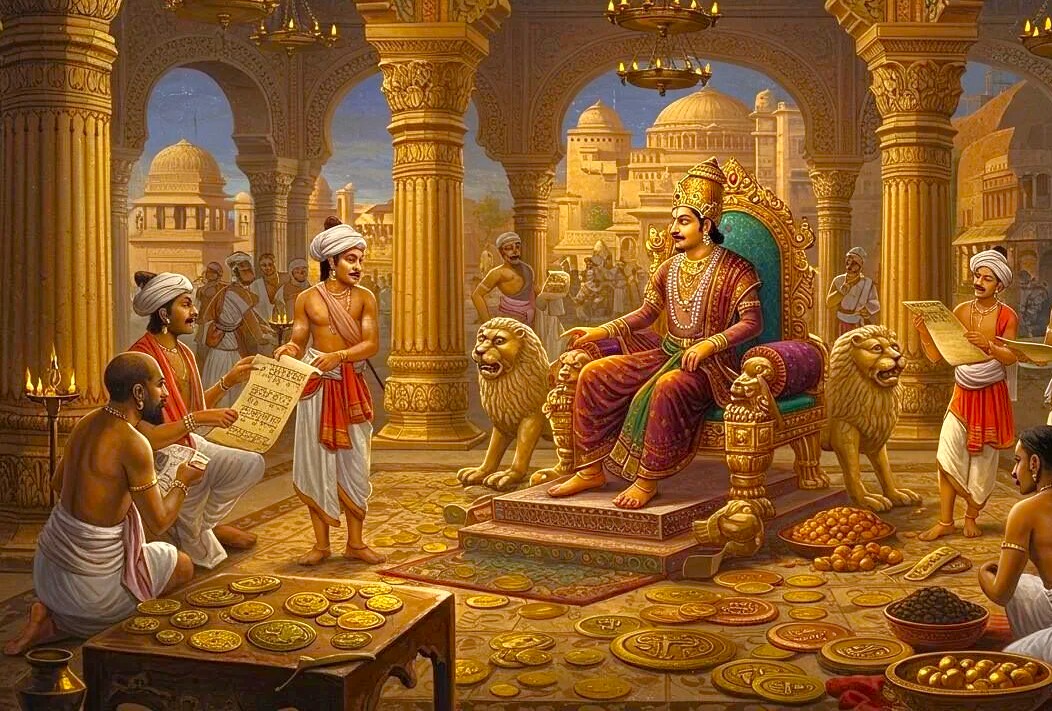
The life of a Gupta emperor, such as the great Chandragupta II "Vikramaditya," was a symphony of statecraft, justice, and cultural patronage. Mornings were for religious duties and the public "durbar," where he dispensed justice with fairness, as noted by the Chinese pilgrim Fa-Hien. Afternoons were consumed by meetings with ministers, discussing everything from military strategy to the administration of the Gupta empire's vast provinces. Evenings were a celebration of culture, filled with poetry recitals by luminaries like Kalidasa, music, and dance, making the court the vibrant heart of India's classical renaissance. Gupta Dynasty North India
Life in the Golden Age
For ordinary citizens, the Gupta era was a time of unprecedented peace and prosperity. The Chinese traveler Fa-Hien observed a well-ordered society where people were free to travel without fear and the government was not intrusive. While society was structured around the Varna system, guilds of artisans, merchants, and bankers thrived in bustling cities. The economic prosperity and social stability of the Gupta period fostered a sense of security and well-being, allowing arts, sciences, and culture to flourish in a way that touched every level of society.
A Taste of Imperial Prosperity
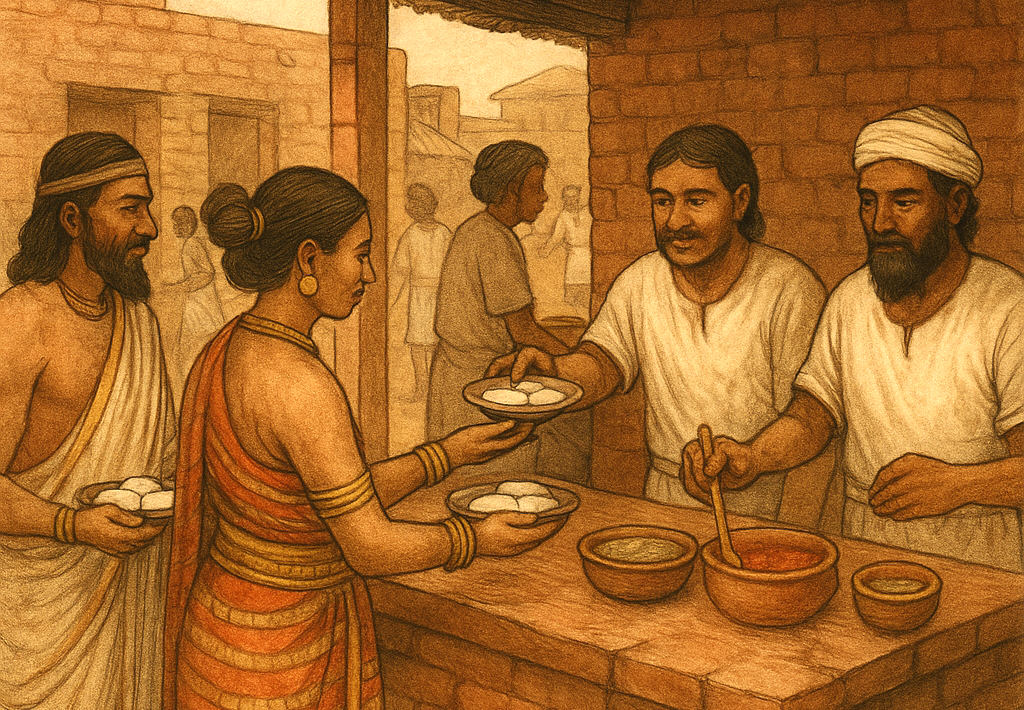
The royal kitchens of the Guptas reflected the empire's wealth and extensive trade networks. While vegetarianism, influenced by the Hindu revival, was prominent at court, the diet was rich and varied. Fine rice, wheat, barley, exotic fruits, and an array of vegetables formed the core menu. The use of rare spices in Gupta royal cuisine, like cardamom, pepper, and cloves, acquired through trade, added flavour and prestige. Elaborate feasts marked state occasions, revealing the agricultural abundance and sophisticated culinary arts that were a hallmark of this prosperous age.
Law Codified in Sanskrit
The Gupta period saw a significant development in Hindu law, with the compilation of authoritative legal texts known as Dharmasastras, such as the Narada Smriti. Justice was administered by the king, royal officials, and village councils. The system emphasized fairness, with punishments designed to be corrective rather than purely retributive. According to Fa-Hien's accounts, the Gupta empire's judicial system was humane, with capital punishment being rare and most offenses being settled by fines. This reflected a society governed by reason, compassion, and a highly developed sense of legal order. Gupta Dynasty North India
The Great Hindu Renaissance
The Gupta era is synonymous with the revival and flowering of classical Hinduism. The patronage of Gupta kings led to the construction of the first stone temples dedicated to Hindu deities like Vishnu and Shiva, marking a transition from sacrificial Vedic rituals to devotional Puranic worship. The great epics, the Ramayana and Mahabharata, were redacted into their final forms. The resurgence of Brahmanical traditions and Puranic Hinduism during this period defined the core tenets and iconography of modern Hinduism, creating a profound and lasting spiritual legacy.
Celebrations of Art and Faith
Festivals during the Gupta age were vibrant affairs, deeply connected to the new wave of Puranic Hinduism. Celebrations like Holi and Diwali likely took forms recognizable to us today. Royal processions and temple festivals were grand public spectacles, featuring music, dance, and decorated elephants. The patronage of temple festivals by Gupta emperors served to unite the populace and display royal piety. These events were not just religious but also social, providing opportunities for community bonding, artistic performance, and a shared celebration of the empire's cultural vibrancy.
The Nine Gems of Vikramaditya
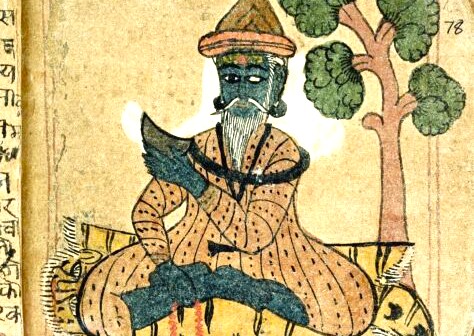
The court of Chandragupta II Vikramaditya was legendary for its "Navaratna," or Nine Gems - a brilliant circle of poets, scientists, and artists. The brightest jewel was Kalidasa, the Shakespeare of India, whose plays like Abhijnanasakuntalam are masterpieces of world literature. The intellectual and artistic life of the Gupta royal court was unparalleled, attracting the greatest minds of the age. Entertainment was a sophisticated blend of classical music, courtly dance, and literary debates, making the palace a dazzling hub of creativity and the benchmark for Indian high culture. Gupta Dynasty North India
The Conqueror and the Iron Pillar
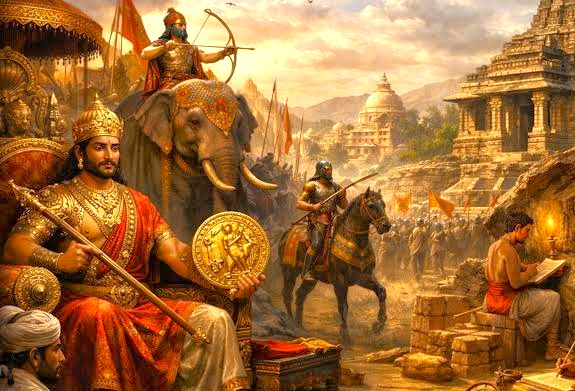
The Guptas were formidable warriors. Samudragupta's military genius is detailed in the Allahabad Pillar inscription, which describes his conquests across the subcontinent. The empire maintained a powerful, well-organized army with strong cavalry and elephant corps. A testament to their might and metallurgical skill is the famous Iron Pillar of Delhi, a rust-free marvel of Gupta-era metallurgy, believed to be associated with Chandragupta II. Their military prowess secured the long-term peace that made the golden age possible, protecting the empire's flourishing heartland from external threats.
Women of a Golden, Gilded Age
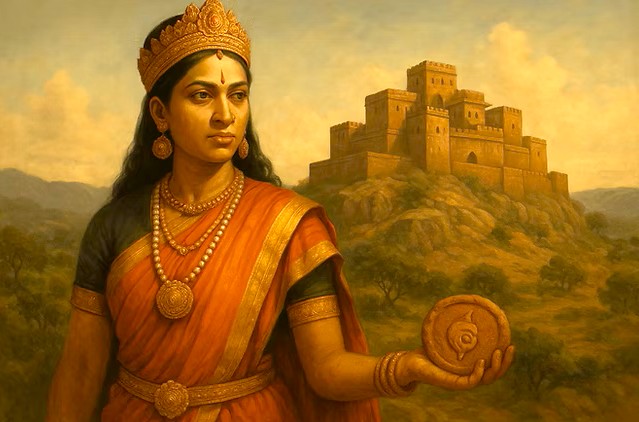
While the society was patriarchal, women of the upper classes during the Gupta period were often highly educated and participated in cultural life. They were trained in arts, music, and literature. However, this era also saw the strengthening of customs that restricted women's freedom, such as the lowering of the marriageable age. The status of women in Gupta society was complex: they were respected within the family unit and as cultural participants, but their public and legal rights were becoming more circumscribed compared to earlier periods, a nuanced reality within the celebrated golden age.
The Birth of the Divine Image
The Gupta period is the classical age of Indian art, defining the pinnacle of form and spiritual grace. Sculptors mastered the human form, creating serene and divine images of the Buddha at Sarnath and iconic Hindu deities. The breathtaking murals of the Ajanta Caves, with their vivid colours and emotional depth, were created under Gupta influence. This era established the iconography and aesthetics of Hindu and Buddhist art for all subsequent generations, a perfect fusion of sensual form and transcendent spirituality that has never been surpassed. Gupta Dynasty North India
Rites for an Emperor’s Soul
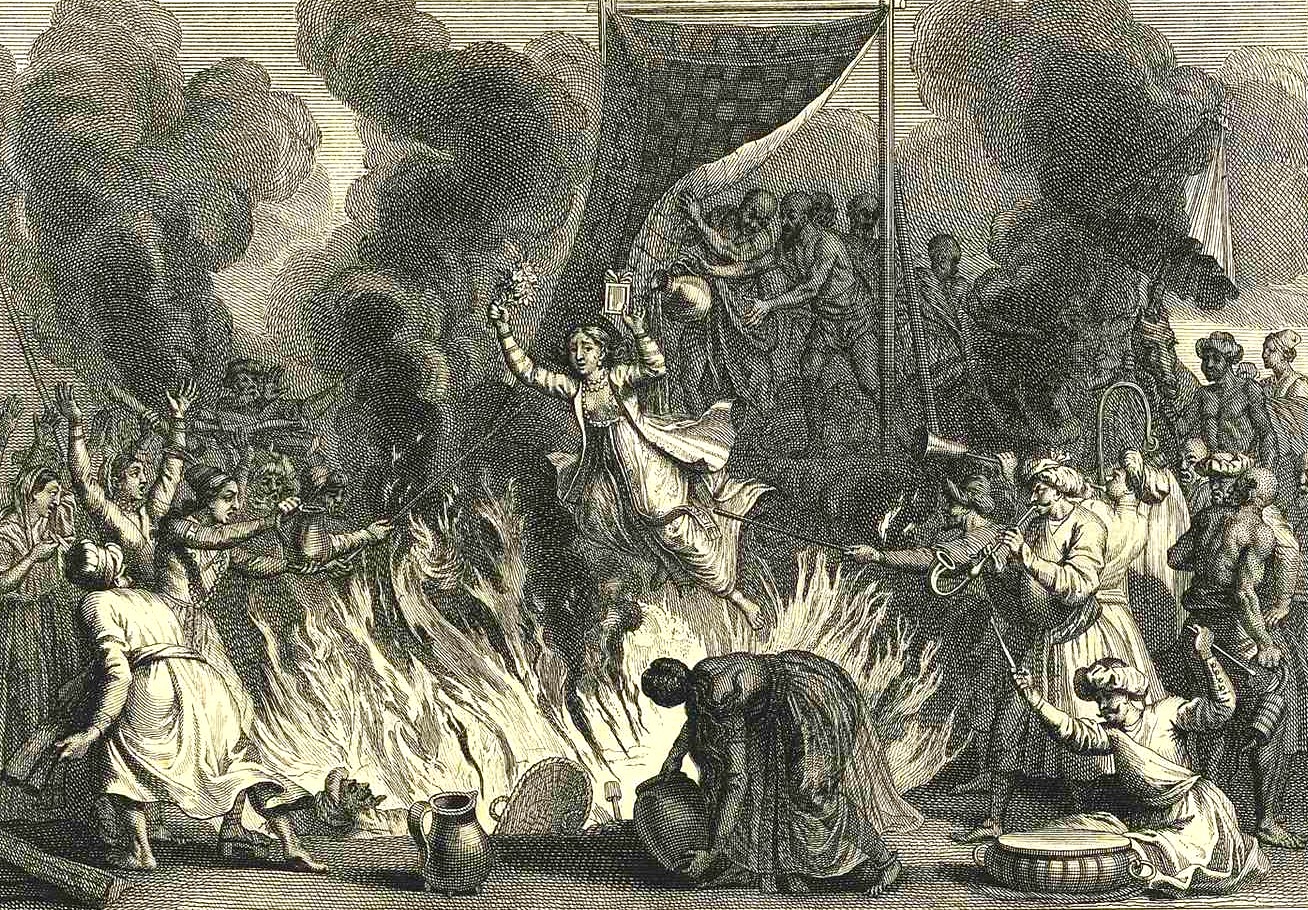
Upon death, a Gupta emperor was cremated with elaborate Vedic rites befitting his divine-right status. The ceremonies were grand state occasions, designed to ensure the smooth transition of his soul and the seamless succession of his heir. For the common people, funerary practices in the Gupta period followed Smriti texts, involving cremation, the collection of ashes, and the performance of ancestral "shraddha" rituals. These practices, deeply embedded in the Hindu worldview of rebirth and karma, were fundamental to the social and spiritual fabric of the age.
Zero, Decimals, and the Stars
The Gupta era was a revolutionary period for science and mathematics. The astronomer-mathematician Aryabhata proposed that the Earth rotates on its axis and accurately explained eclipses. Most importantly, this period saw the development of the decimal system and the concept of zero as a number - an invention that would change the world. The Gupta dynasty's contributions to mathematics and astronomy were foundational, providing the tools that would fuel scientific progress across the globe for centuries to come, a true hallmark of their golden age.
Engineering Rivers and Cities
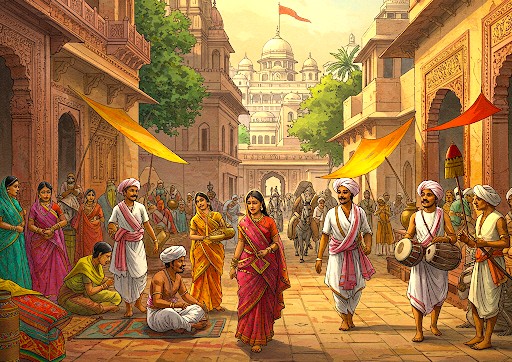
Gupta cities like Pataliputra were well-planned urban centers with organized public works. While not known for massive aqueducts like the Romans, the Guptas were skilled in water management, creating and maintaining irrigation systems, reservoirs, and wells to support their highly productive agricultural economy. The urban planning and infrastructure of Gupta-era cities reflected a prosperous and well-governed society, with attention given to sanitation, trade routes, and the construction of durable public buildings, temples, and magnificent stupas.
The End of an Era
The golden age waned in the late 5th century under the relentless pressure of invasions from Central Asia. The Alchon Hunas (often called White Huns), fierce nomadic warriors, breached the empire's northwestern frontiers. Though initially repelled by emperors like Skandagupta, their repeated incursions drained the treasury and weakened the military. The Huna invasions as the primary cause for the Gupta empire's decline marked the violent end of India's classical age, shattering the imperial unity and plunging northern India back into a period of fragmentation and uncertainty.
Step Inside The Story - View All Tour Itineraries & Details

We’re here to offer genuine, thoughtful guidance if your interested in travelling to India. As a small, dedicated team, we pay close attention to every detail so you can focus on enjoying the experience while we take care of the planning. We believe the best trips begin when someone truly listens to what you want and how you like to travel, so the journey feels right for you and contributes to a happy, positive group on tour. Our communication stays clear, straightforward, and respectful at every step, with the goal of helping you feel understood, supported, and confident from first contact to the end of your journey.
Click Catherine Frith - About The Founder
Click Discover Life Travel - All Tours and More
Click Why We Are Different - Unique, Safe, Transparent