A Unique Look Into Indian History
Kadamba Dynasty: Karnataka
Discover Life Travel
Forest Villages Before Kadamba Rule
Before the Kadamba Dynasty of Banavasi rose to prominence, the evergreen and deciduous forests of the Western Ghats and the coastal belt of what is now Karnataka were dotted with small agrarian–pastoral settlements and tribal hamlets. Early chiefs controlled patches of land along river valleys like the Varada and Sharavathi, while trade from ports on the Konkan coast filtered inland via forested passes. Shrines to local deities, naga stones and simple Shaivite and early Vaishnavite sanctuaries coexisted with Jain and Buddhist presences. This mosaic of clan chieftains, forest communities and small temple centers formed the base on which the Kadambas would build one of the earliest native royal houses of Karnataka. Kadamba Dynasty Karnataka
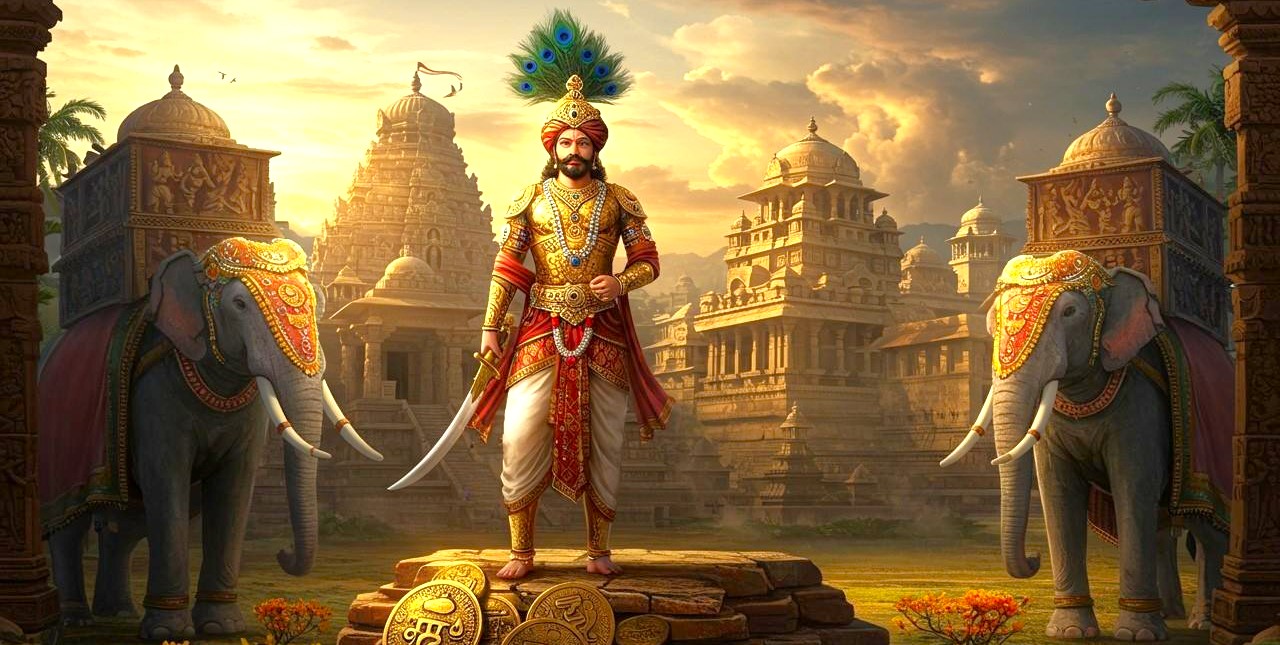
Kadamba Dynasty Karnataka: Mayurasharma And The Founding Of Kadamba Power
The origin story of the Kadamba Dynasty is unusually vivid. Tradition (and inscriptions) speak of Mayurasharma (Mayuravarman), a Brahmin from Talagunda, who went to Kanchi to study Vedic lore. Humiliated there by Pallava officers, he allegedly cast aside the sacrificial thread, took up arms and vowed revenge, returning to his home region to carve out a kingdom. Whether literally true or not, this narrative encodes a real shift: a learned Brahmin turning into a Kshatriya‑style king, founding a local dynasty independent of northern or Pallava overlordship. By the 4th century CE, the Kadambas, with Banavasi as an early capital, were recognized as a major power in Karnataka, sometimes allied with, sometimes opposed to, contemporaries like the early Pallavas and later the Chalukyas.
Dawn Rituals In The Kadamba Court

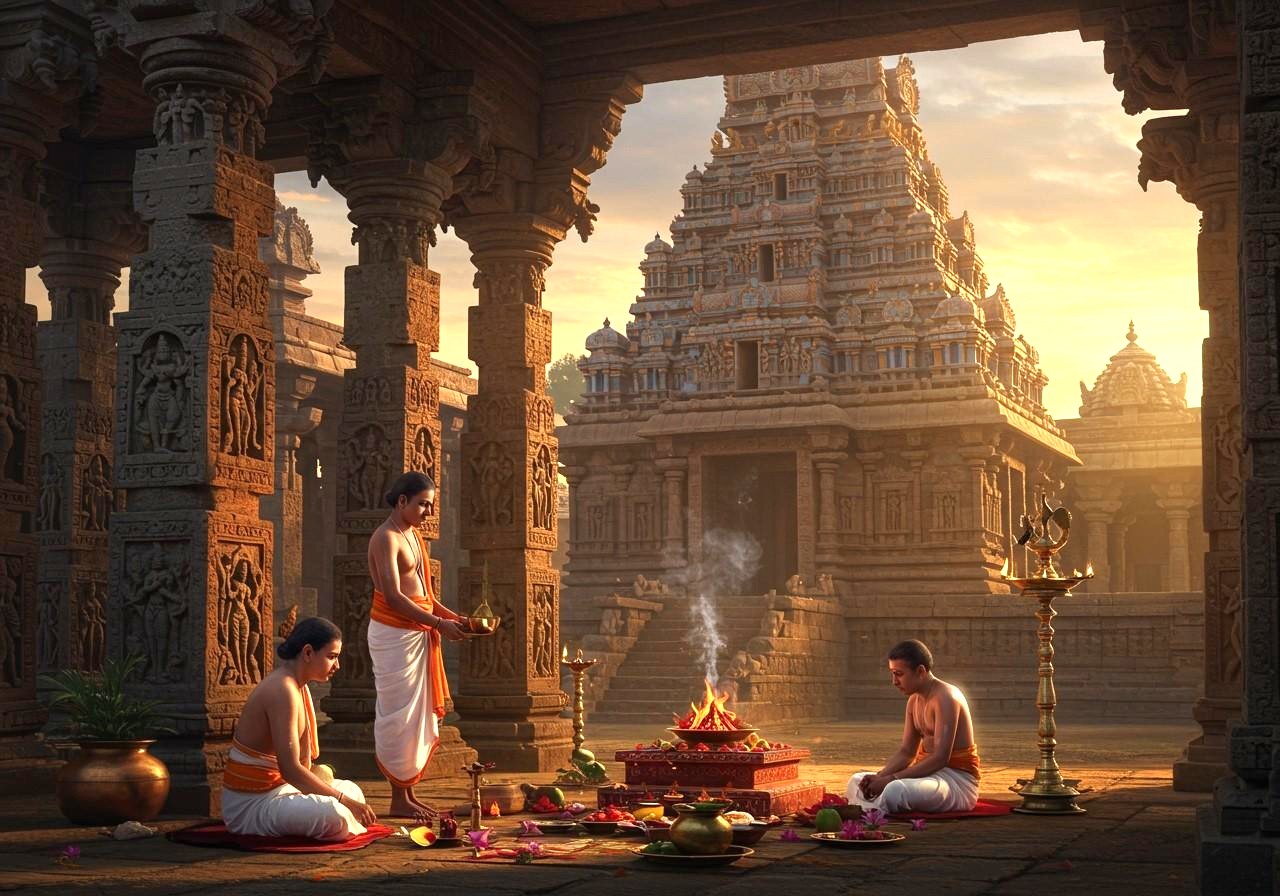
At Banavasi and other Kadamba centers, daily court life blended Vedic ritual, emerging temple traditions and practical governance. At dawn, the king bathed - often in water drawn from rivers or palace tanks - received sandal paste and sacred ash or tilak, and performed worship to Shiva, Vishnu or their family deity, reflecting early Brahmanical kingship in the Deccan. Court priests recited Vedic hymns and performed homa (fire offerings), while astrologers read omens. Queens oversaw the antahpura (inner palace): jewelry, grain stores, textiles, kitchens and temple gifts. Princes practiced weapons and hunting skills, then studied Sanskrit, political advice texts and local languages (early Kannada and Prakrit). Scribes and ministers brought in petitions, grants and reports. The court thus functioned as a ritual center, administrative hub and school of statecraft. Kadamba Dynasty Karnataka
Village Society In Early Karnataka
Beyond the capital, most people in Kadamba‑ruled Karnataka lived in agrarian villages and forest‑edge communities. Farmers cultivated rice in wetter tracts, millets and pulses in drier areas, and tended areca, coconut and other garden crops where water allowed. Cattle, buffalo and smaller livestock supplied plough power, milk and dung. Women fetched water, worked fields, pounded grain, spun yarn and managed household shrines. Artisans - blacksmiths, carpenters, potters, weavers - provided tools and goods; some villages specialized in crafts or forest produce. Village sabhas or assemblies of elders played a major role in settling disputes, allocating water and coordinating taxes, illustrating strong local institutions that Kadamba rule had to accommodate and harness rather than abolish.
Royal Kitchens, Temple Offerings And Public Feeding
In Kadamba palaces and temples, kitchens prepared both royal meals and ritual offerings. Daily fare for elites included rice, millets, lentils, vegetables, dairy products and, for Kshatriya households, meat from hunts or livestock, cooked with regionally available spices like pepper, cumin and coriander. Temples received cooked food and raw grain as naivedya (offerings); portions were redistributed as prasada to priests and devotees. On major festivals, consecrations and donations, kings sponsored anna‑dana (food charity), feeding Brahmins, pilgrims and commoners. Such feeding, recorded in inscriptions and celebrated in lore, reinforced the image of Kadamba rulers as dharmic patrons who turned agricultural surplus into visible, sacred generosity. Kadamba Dynasty Karnataka
Law, Grants And Justice
Legal life in Kadamba domains drew on dharmashastra ideals, royal decrees and local customary law. Copperplate and stone inscriptions detail land grants to Brahmins, temples and officials, recording boundaries, exemptions and obligations; they show how land law and privilege were formalized in writing. Disputes over fields, water and inheritance were often settled by assemblies of Brahmins, local notables and royal agents, with the king as ultimate arbiter in serious or contested matters. Punishments ranged from fines and loss of land to corporal penalties for grave offenses. While the court promoted a Brahmanical vision of order, village and clan customs continued to shape how justice was actually experienced on the ground.
Temples, Jain Presence And Early Kannada Inscriptions
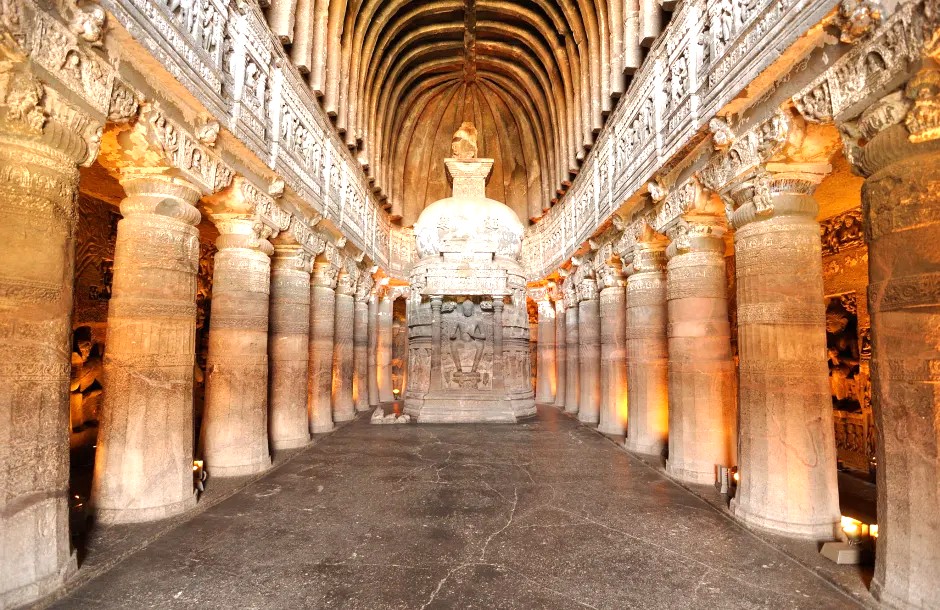
Religiously, the Kadamba period marks a significant phase in the consolidation of Hindu temple culture and Jain patronage in Karnataka. The dynasty supported Shaivite and Vaishnavite temples, as well as Jain basadis in some regions, reflecting the plural religious life of the early Deccan. They are also notable for issuing inscriptions in early Kannada as well as Prakrit and Sanskrit, making them pioneers in the royal use of Kannada for administrative and commemorative purposes. Temples received land, tax exemptions, gold and rights to local resources, becoming centers of ritual, education and redistribution. This patronage helped define a distinct regional culture in which local language, stone temples and Brahmanical–Jain institutions intertwined.
Festivals, Processions And Sacred Landscapes
Festivals under the Kadambas followed agricultural, lunar and solar cycles. Temple utsavas moved images of deities on palanquins or early chariots through streets and fields, accompanied by drums, horns, flutes and singing. Seasonal markets coincided with such events, bringing villagers, forest dwellers and traders together in melas that mixed devotion, commerce and entertainment. Sacred hills, river confluences and groves drew pilgrims for bathing, vows and offerings. Royal participation in major festivals - sponsoring lamps, gifts, food and repairs - linked Kadamba authority to the sacral rhythm of the land, reinforcing the idea that a good king kept deities, seasons and subjects in a harmonious relationship. Kadamba Dynasty Karnataka
Court Scholars, Poets And Early Regional Culture
The Kadamba court patronized Sanskrit scholars, ritualists and early Kannada literary activity. While much of the high literary output of Karnataka belongs to later dynasties (like the Rashtrakutas and Chalukyas), Kadamba inscriptions and surviving references indicate a milieu in which grammar, poetics, ritual exegesis and local storytelling flourished. Brahmin scholars enjoyed land grants and temple positions; Jain monks composed and preached; local bards recited genealogies and heroic tales. This intellectual world helped shape a regional identity that was neither simply northern nor purely tribal, but distinctly Deccan‑Kannada, with the Kadambas remembered as among its earliest royal sponsors.
Campaigns, Alliances And The Deccan Chessboard
Militarily, the Kadambas of Banavasi were key players in the early Deccan power game. They fought and negotiated with the Pallavas of Kanchi, the early Chalukyas, the Gangas and other regional houses. Control of the Western Ghats passes, interior plateaus and access to coastal trade routes made their territory strategically valuable. Kadamba armies of cavalry, infantry and elephants defended forts, raided rivals and protected traders moving through forests and hills. Over time, pressure from rising powers - especially the Badami Chalukyas - reduced Kadamba autonomy in their original core, but branches of the family survived as feudatory Kadambas in Goa, Hangal and other areas, continuing to wield local influence and patronage. Kadamba Dynasty Karnataka
Marriage Alliances And Royal Women’s Roles
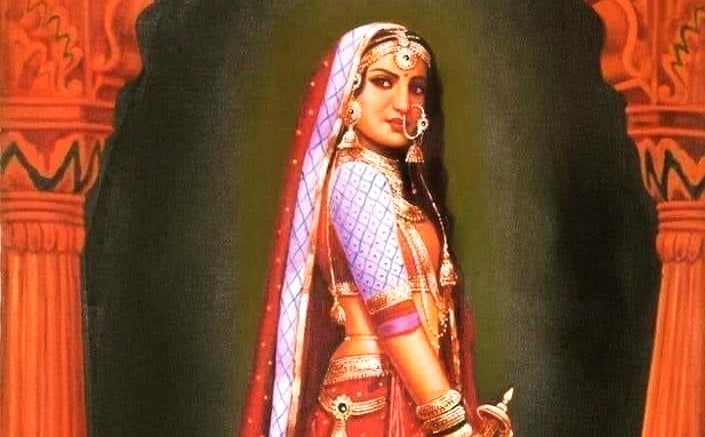
Marriage under the Kadambas served as a tool of diplomacy and social integration. Royal spouses came from other influential Deccan houses, linking Banavasi to the Ganga's, Pallavas or local lineages; Kadamba princesses were sent to cement peace or alliances. Queens appear in inscriptions as donors of land to temples, wells and feeding houses, highlighting women’s roles in religious endowment and public works. Inside the palace, they influenced succession, mediated factional disputes and hosted visiting kin, exercising soft power that could tilt balances within a relatively small but politically busy court.
Healers, Forest Medicine And Sacred Sites
Health in Kadamba‑era Karnataka relied on Ayurveda, local herbal knowledge and sacred healing practices. Vaidyas treated fevers, digestive disorders, wounds and birth complications with herbs, oils and diets drawn from forest and field. Temples and Jain basadis served as places of rest and healing; springs and river ghats were visited for ritual baths and vows seeking cures. Village healers used mantras and protective charms alongside practical remedies, illustrating a medical world where empirical and spiritual approaches overlapped. Kings who supported wells, tanks and food charity were seen as also caring for subjects’ bodily well‑being.
Tanks, Canals And Western Ghat Waters
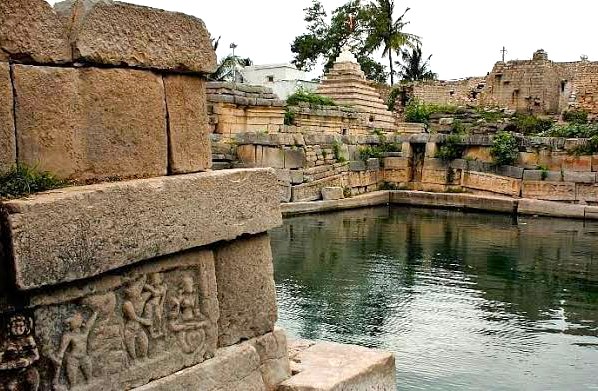
Water management under the Kadambas was crucial for agriculture in a terrain of heavy monsoon but uneven distribution. Small tanks, bunds and canals captured and directed rain and river water to fields; forest cover on slopes helped regulate flows. Inscriptions praise kings and nobles for digging tanks, repairing embankments and donating land for their maintenance, framing irrigation and water control as core duties of righteous rule. Village assemblies often organized desilting and upkeep, while temples sometimes managed associated lands and resources. These early systems laid groundwork for the more elaborate hydraulic works of later Deccan states.
Decline, Survival In Fragments And Legacy
Over the centuries, the Kadamba Dynasty of Banavasi lost its position as a major independent power, overshadowed by the Chalukyas and later dynasties. Yet branches like the Kadambas of Goa, Hangal and other local lines persisted as feudatories, continuing the family name and some of its patronage traditions. In inscriptions, temple foundations and the early use of Kannada as a language of power, their influence remained visible. For Karnataka’s historical memory, the Kadambas stand as one of the first indigenous dynasties to rule a substantial part of the region, prefiguring later Kannada polities. Their story marks a shift from external hegemony to regional kingship, from forest chiefdoms to temple‑centered states, leaving an enduring imprint on the political and cultural landscape of the western Deccan. Kadamba Dynasty Karnataka
Step Inside The Story - View All Tour Itineraries & Details

We’re here to offer genuine, thoughtful guidance if your interested in travelling to India. As a small, dedicated team, we pay close attention to every detail so you can focus on enjoying the experience while we take care of the planning. We believe the best trips begin when someone truly listens to what you want and how you like to travel, so the journey feels right for you and contributes to a happy, positive group on tour. Our communication stays clear, straightforward, and respectful at every step, with the goal of helping you feel understood, supported, and confident from first contact to the end of your journey.
Click Catherine Frith - About The Founder
Click Discover Life Travel - All Tours and More
Click Why We Are Different - Unique, Safe, Transparent