A Unique Look Into Indian History
Satavahana Dynasty: Deccan - India
Discover Life Travel
Early Deccan Settlements Before Rule
Before the ascendancy of the Satavahanas, the Deccan region was a mosaic of indigenous clans and small political entities. The history of pre-Satavahana Deccan clans and their artifacts reveals a rich cultural tapestry. The Rathikas and Bhojikas, mentioned in Ashokan inscriptions, were prominent clans that later evolved into the Maharathis and Mahabhojas . Archaeological excavations in the Deccan have unearthed a variety of pre-Satavahana artifacts, including pottery, iron implements, and early coinage, indicating a settled agricultural society with developing trade networks. These clans were scattered across present-day Maharashtra and the northern Deccan plateau, laying the groundwork for the larger political structure that the Satavahanas would eventually build . The socio-political landscape of the pre-Satavahana Deccan was characterized by these tribal entities, who held sway over their respective territories. Satavahana Dynasty Deccan India
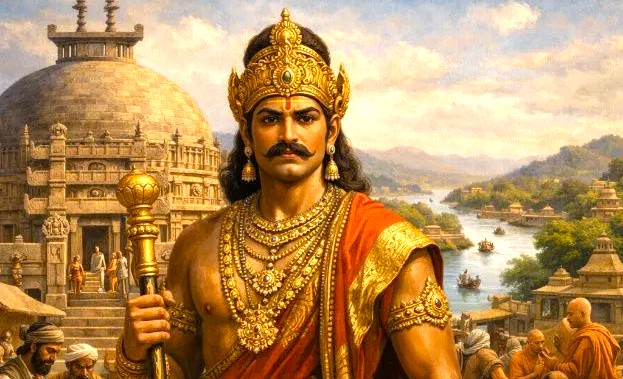
Satavahana Dynasty - Deccan India: The Arrival
The Satavahana Dynasty emerged in the Deccan around the late 2nd century BCE, establishing a vast empire that would endure for over four centuries . The founder of the dynasty, King Simuka, unified various tribal territories to lay the foundation of this powerful kingdom. The Puranas, ancient Hindu texts, mention the Satavahanas as "Andhras," suggesting their origins in the Andhra region of present-day Andhra Pradesh and Telangana . The first Satavahana king, Simuka, and the extent of his kingdom are subjects of ongoing scholarly debate, with some historians placing the dynasty's heartland in Maharashtra. At its zenith, the Satavahana empire stretched from the western coast to the eastern coast of India, encompassing a significant portion of the Deccan plateau .
Daily Life of the Satavahana King, Queen, and Children
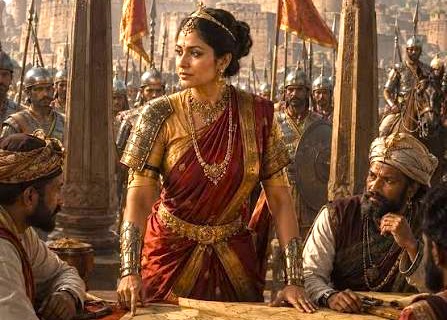
The daily routine and lifestyle of the Satavahana royal family were marked by a blend of administrative duties, religious observances, and leisurely pursuits. The king, as the supreme authority, would hold court, dispense justice, and consult with his ministers on matters of state. The queen and other royal women played a significant role in the administration and religious life of the kingdom, often making generous donations to monasteries and temples . The royal children received education in scriptures, warfare, and statecraft to prepare them for their future roles. The upbringing and education of Satavahana princes and princesses were crucial for the continuation of the dynasty's power and influence. Satavahana Dynasty Deccan India
Local Society
The social structure and daily life of common people under the Satavahanas were primarily agrarian. The majority of the population lived in villages and engaged in agriculture, with rice cultivation being particularly prominent in the fertile river valleys . The society was organized along caste lines, with Brahmins, Kshatriyas, Vaishyas, and Shudras forming the social hierarchy. Guilds of artisans and merchants thrived in urban centers, indicating a vibrant economy and a flourishing trade network. The occupations and living conditions in Satavahana society reflected a period of economic prosperity and social stability, with people from various walks of life contributing to the kingdom's growth.
Royal Kitchens and Foods of the Satavahana Dynasty
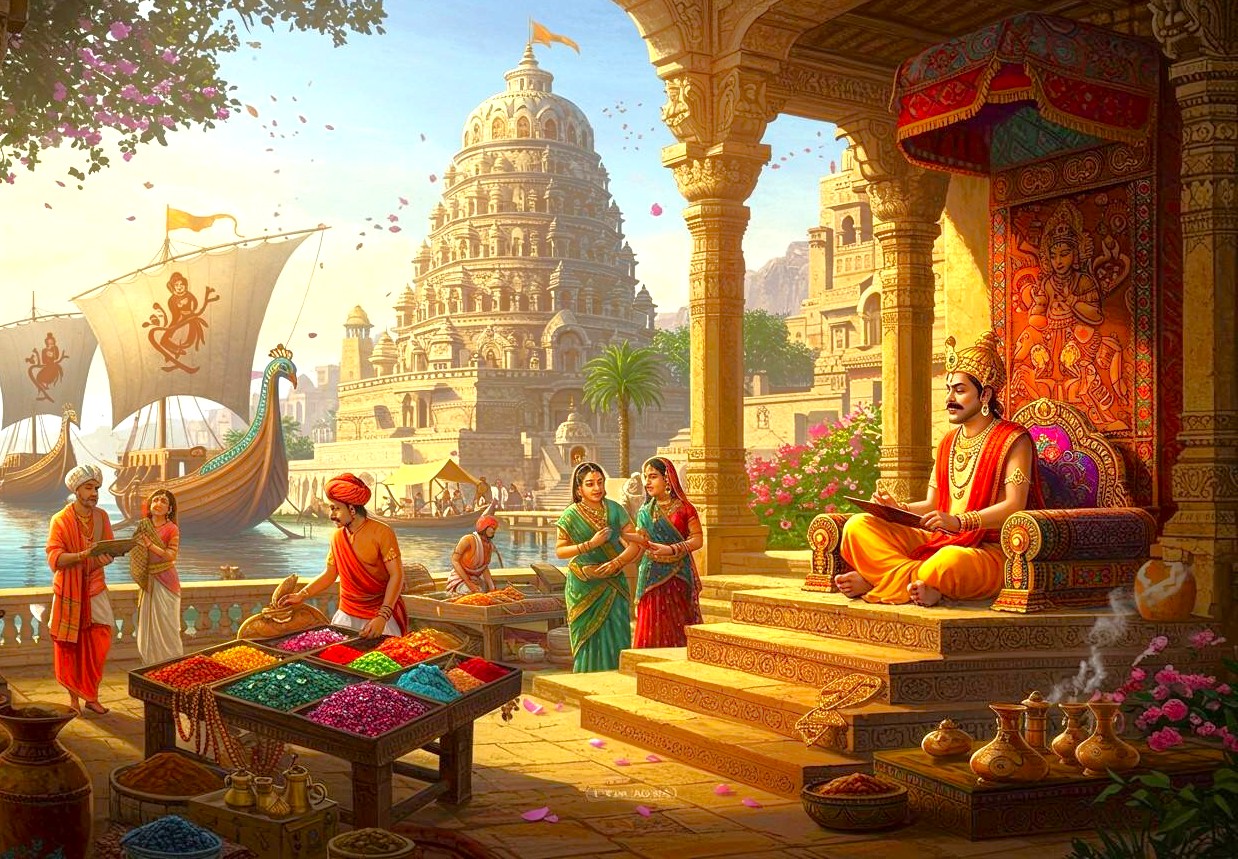
The culinary practices and diet of the royal court would have been diverse and elaborate, reflecting the agricultural bounty of their empire. The royal kitchens likely prepared large quantities of food daily to feed the royal family, courtiers, and palace staff. The diet would have included a variety of grains, vegetables, fruits, and meats, with rice being a staple food. The evidence of food consumption in ancient Indian dynasties suggests that feasts and banquets were common on festive occasions. The rulers, known for their patronage of both Brahmanism and Buddhism, may have also observed specific dietary restrictions based on religious customs.
Laws and Punishments in the Satavahana Period
The legal system and penal code of the Satavahana kingdom were likely based on the Dharmashastras, ancient Indian legal texts that prescribed laws and punishments for various offenses. The king was the ultimate dispenser of justice, and his court would have served as the highest court of appeal. Punishments ranged from fines and confiscation of property for minor offenses to corporal punishment and even death penalty for serious crimes like treason and murder. The examples of justice and punishment in ancient Indian history show a system that aimed to maintain social order and deter crime. The Satavahana legal system would have played a crucial role in maintaining peace and stability within their vast empire. Satavahana Dynasty Deccan India
Deities and Gods
The religious beliefs and deities of the Satavahana period were diverse, with the rulers showing patronage to both Brahmanism and Buddhism . The Satavahana kings, who claimed Brahminical status, performed Vedic sacrifices and worshipped Hindu deities like Vishnu and Shiva. At the same time, they made generous donations to Buddhist monasteries and stupas, indicating a policy of religious tolerance. The common people worshipped a variety of gods and goddesses, including local deities and nature spirits. The evidence of religious syncretism in ancient Indian art and architecture is abundant, with both Hindu and Buddhist motifs appearing in Satavahana-era sculptures and monuments.
Festivals and Processions
The celebrations and public festivals of the Satavahana dynasty would have been grand affairs, marked by colorful processions, music, dance, and feasting. Religious festivals dedicated to Hindu and Buddhist deities would have been celebrated with great enthusiasm by both the royalty and the common people. The rituals and ceremonies involved in ancient Indian festivals often included processions with decorated elephants, horses, and chariots, carrying images of deities or royal insignia.
Royal Courts and Entertainments
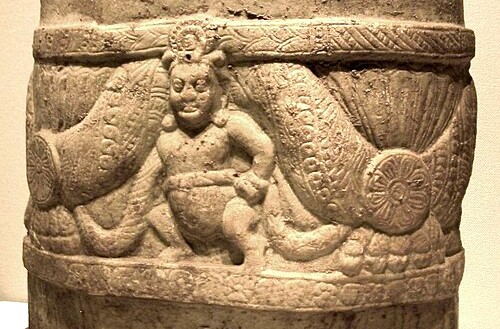
The court life and cultural patronage of the kings were vibrant and sophisticated. The royal court was the center of political and cultural activity, where poets, musicians, and artists sought the patronage of the rulers. King Hala, a Satavahana ruler, is himself credited with compiling the "Gathasaptasati," an anthology of romantic poems in Prakrit . Entertainment at the court would have included music and dance performances, poetry recitations, and theatrical presentations. The forms of entertainment and leisure activities in ancient Indian courts reflected the refined tastes of the royalty and the rich cultural traditions of the time. Satavahana Dynasty Deccan India
Battles and Resilience
The military history and resilience of the empire are marked by a series of conflicts and comebacks. The Satavahanas were engaged in a long-standing struggle with the Saka-Kshatrapas, a dynasty of foreign rulers who controlled western India . Gautamiputra Satakarni, one of the greatest Satavahana kings, is credited with inflicting a crushing defeat on the Sakas and restoring the fortunes of his dynasty . The strategies for warfare and defense involved a strong army, fortified cities, and a network of feudatory chiefs who provided military support. The dynasty's ability to recover from setbacks and re-establish its authority is a testament to its political and military resilience.
Marriage Arrangements for the Royal Family
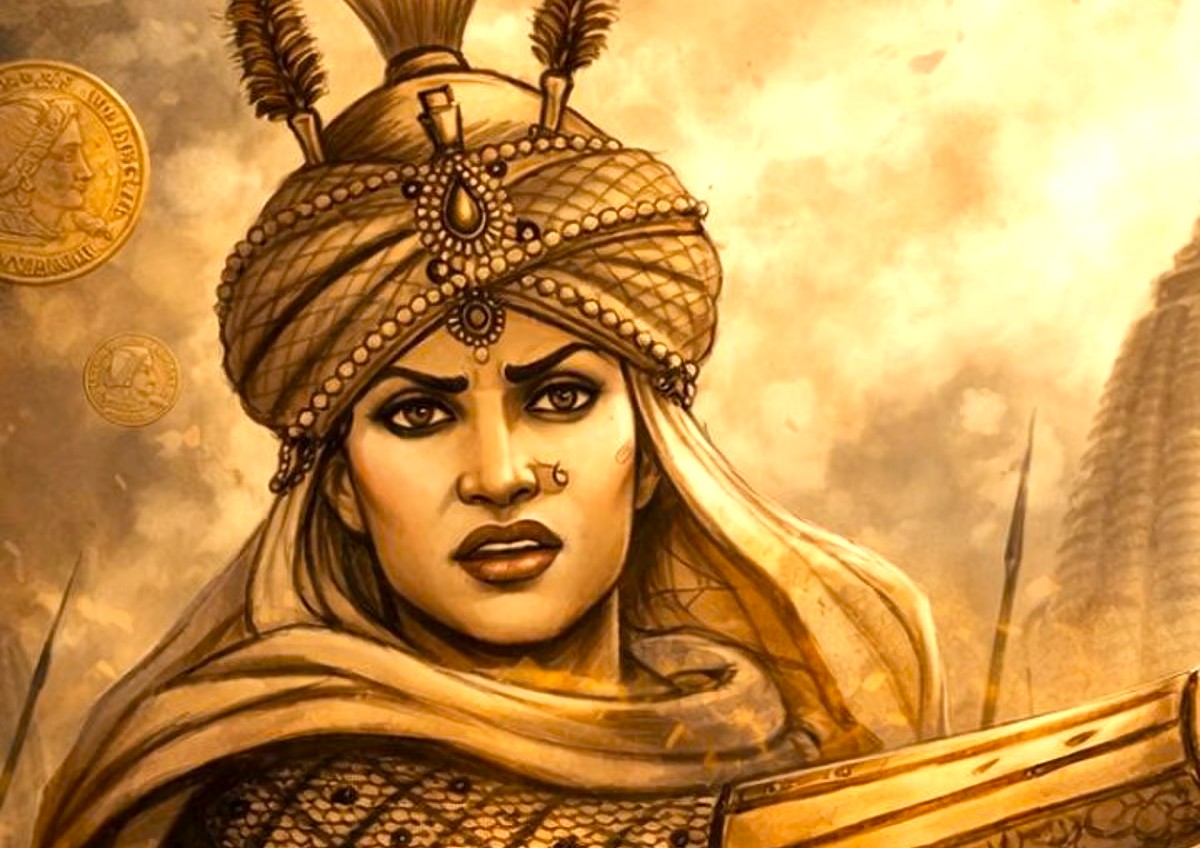
The matrimonial alliances and the role of women were crucial for both political and social reasons. The Satavahana kings often entered into marriage alliances with other powerful families, including their rivals, the Saka-Kshatrapas, to forge political ties and ensure stability . The use of matronyms, such as Gautamiputra (son of Gautami), suggests that women held a position of respect and influence in the royal family . The status of women in ancient Indian royal courts varied, however, in the Satavahana dynasty, they seem to have enjoyed a degree of autonomy and were active participants in the religious and social life of the kingdom.
Magic, Artistry, and Poets in the Satavahana Era
The artistic achievements and literary patronage of the Satavahana period were remarkable. The Satavahana rulers were great patrons of art and literature, and their reign witnessed the flourishing of various art forms. The stupas at Amaravati and Nagarjunakonda, with their exquisite sculptures depicting scenes from the life of the Buddha, are masterpieces of Satavahana art . The dynasty also patronized Prakrit literature, with King Hala's "Gathasaptasati" being a notable example . While there is little direct evidence of magical practices and beliefs in the Satavahana kingdom, it is likely that folk traditions and superstitions were prevalent among the common people. Satavahana Dynasty Deccan India
Burial Ceremonies
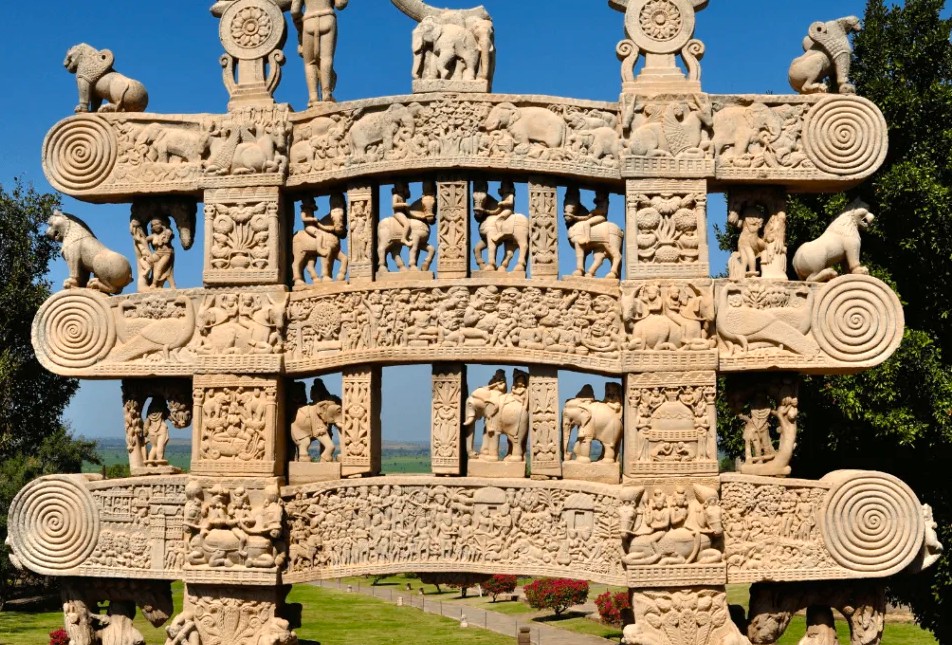
The funerary practices and burial customs of the Satavahana period would have varied according to social status and religious beliefs. The royalty and the elite likely followed elaborate cremation ceremonies as prescribed in the Vedic texts. The common people may have practiced simpler forms of cremation or burial, depending on their customs and beliefs. The archaeological evidence of burial sites from ancient India provides insights into the different funerary practices of the time. The construction of stupas, which often housed the relics of the Buddha or other revered figures, was also a significant part of the funerary traditions of the period.
Physicians and Doctors
The state of medical knowledge and healthcare during the Satavahana dynasty was likely based on the principles of Ayurveda, the traditional Indian system of medicine. Physicians, known as "vaidyas," would have played an important role in society, providing medical care to both the royalty and the common people. The use of herbal remedies and surgical procedures in ancient Indian medicine is well-documented in texts like the Charaka Samhita and the Sushruta Samhita. The Satavahana kingdom, with its flourishing trade networks, would have had access to a variety of medicinal herbs and spices from different parts of the world.
Aqueducts and Royal Waterways
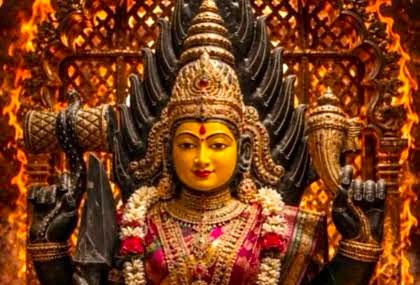
The hydraulic engineering and water management systems were crucial for supporting agriculture and urban life. The construction of irrigation reservoirs and canals was a priority for the Satavahana rulers, who recognized the importance of water for the prosperity of their kingdom. The evidence of ancient Indian aqueducts and waterways suggests a sophisticated understanding of hydraulic engineering. These water management systems not only provided water for irrigation but also supplied water to urban centers for drinking and sanitation purposes, contributing to the overall well-being of the population.
The Following New Dynasty Emerges
After the decline of the Satavahana empire in the early 3rd century CE, the Deccan region fragmented into several smaller kingdoms. The successor kingdoms to the Satavahana dynasty included the Abhiras in the west, the Chutus in the south, the Ikshvakus in the east, and the Pallavas in the southeast . These new dynasties, which had once been feudatories of the Satavahanas, now asserted their independence and carved out their own kingdoms. The emergence of new dynasties after the fall of the Satavahanas marked the beginning of a new chapter in the history of the Deccan, with each of these kingdoms making its own unique contributions to the region's culture and politics. Satavahana Dynasty Deccan India
Step Inside The Story - View All Tour Itineraries & Details

We’re here to offer genuine, thoughtful guidance if your interested in travelling to India. As a small, dedicated team, we pay close attention to every detail so you can focus on enjoying the experience while we take care of the planning. We believe the best trips begin when someone truly listens to what you want and how you like to travel, so the journey feels right for you and contributes to a happy, positive group on tour. Our communication stays clear, straightforward, and respectful at every step, with the goal of helping you feel understood, supported, and confident from first contact to the end of your journey.
Click Catherine Frith - About The Founder
Click Discover Life Travel - All Tours and More
Click Why We Are Different - Unique, Safe, Transparent