Unique Insights Into The Yugas Of India
Treta Yuga
Discover life Travel
An Age of Silver Consciousness
In Hindu sacred chronology, Treta Yuga is the second of four ages, placed after Satya and before Dvapara. The Sanskrit word “yuga” means an era, and “tretā” relates to “three,” reflecting a traditional teaching that dharma is reduced from full strength to three parts. This is not a single mapped location; it is a time-model taught across India and preserved in Sanskrit literature and its many regional retellings. The best-known narrative world tied to this age is the Ramayana, attributed in tradition to Vālmīki, with royal courts, forest routes, and a war in Lanka told as sacred story rather than datable state history. India’s 2011 Census recorded 1,210,854,977 people, showing how widely these ideas still circulate today. Treta Yuga
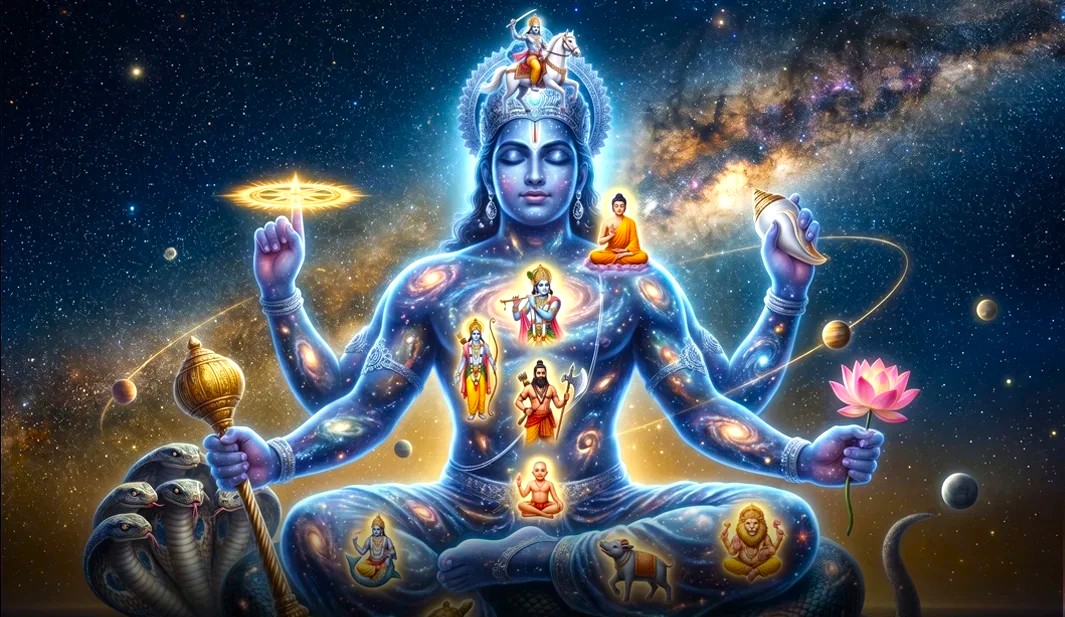
Treta Yuga: Meaning of the Name
The name carries a clear cue from Sanskrit usage. “Yuga” means an age, and “Treta” is linked with “three,” commonly explained in later teaching as dharma standing on three “legs” rather than four. Texts and commentaries use this reduction to explain why discipline is still strong, yet more effort is needed to keep rule and household life steady. The age is also described as one where ritual order matters: vows, sacrifice, and correct conduct are treated as stabilizers. In everyday speech, people may call it a “better time” than later ages, but that is moral language, not archaeology. The main sources are epic and Puranic traditions, not census tables from the era.
The Sacred Duration Scheme
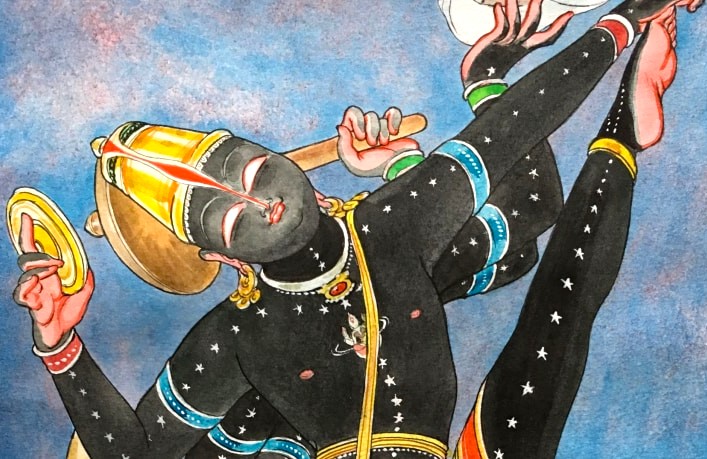
Many Puranic summaries give fixed lengths for the four ages and add “dawn” and “dusk” periods around each one. For this age, a commonly cited figure is 1,296,000 human years for the main span. Traditional reckoning also adds two transition intervals, each 129,600 years, one at the beginning and one at the end, described as a gradual shift in conditions rather than a sudden flip. These numbers are part of sacred chronology and are repeated because they create a consistent scale across cycles. They are not the same kind of timekeeping as inscriptions or radiocarbon dating. People use them to frame ethics, not to build a historical timeline of kings with verifiable regnal years. Treta Yuga
Ritual Fire and Yajna Life
This age is regularly described as a period when yajña, formal Vedic sacrifice, plays a central role in maintaining order. Ritual fire offerings use items such as ghee, grains, and sometimes soma in older Vedic descriptions, with priests reciting preserved formulas and observing purity rules. The point in the tradition is practical: when inner discipline is harder than in Satya, social stability is supported by shared rites, clear duties, and generous giving. This is also where the image of kings as protectors becomes sharper - rule is not only power, it is responsibility to keep ritual life and justice functioning. In later retellings, the moral health of a realm is shown through whether sacrifice, charity, and restraint are upheld.
Solar Dynasty Line at Ayodhya
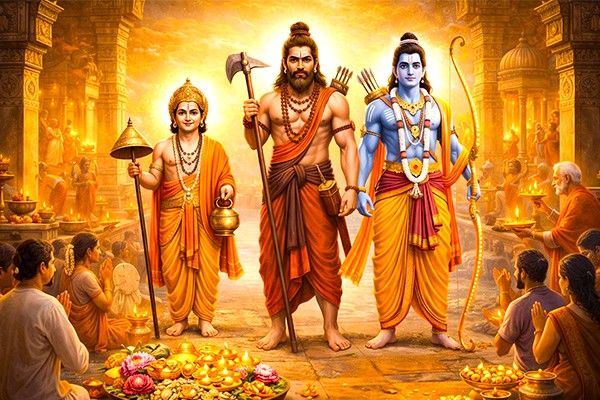
The Ramayana places its royal center at Ayodhya, traditionally linked with the Solar Dynasty (Sūryavaṁśa) and the Ikṣvāku line. “Ayodhya” is commonly explained as “not to be fought” or “unconquerable,” from Sanskrit roots a-yodhya, and it is located in present-day Uttar Pradesh on the Sarayu river. Key family names in the story include King Daśaratha and his wives Kausalyā, Kaikeyī, and Sumitrā. Their sons are Rāma, Bharata, Lakṣmaṇa, and Śatrughna. The narrative treats kingship as household duty at scale: decisions about succession, marriage, and exile affect not only the palace but the wider population of towns, villages, and forest communities who depend on stable rule and fair judgment. Treta Yuga
Palace Routine in Epic Courts
Daily court life in the Ramayana is presented through assemblies, counsel, messengers, and carefully staged public order. You see formal greetings, gift exchange, judicial decisions, and the training of princes in weapons and ethics. The king is expected to hear counsel, manage alliances, and keep the kingdom fed and secure. Queens and senior women hold influence through counsel and household governance, while younger royals learn restraint and public responsibility. This is sacred literature, so it is not a diary of verifiable dates, but it does preserve a detailed social imagination of how a royal household should function. The palace is also shown as a moral pressure-cooker: private choices quickly become public consequences, especially around succession and marriage arrangements.
Sita’s Marriage and Women’s Place
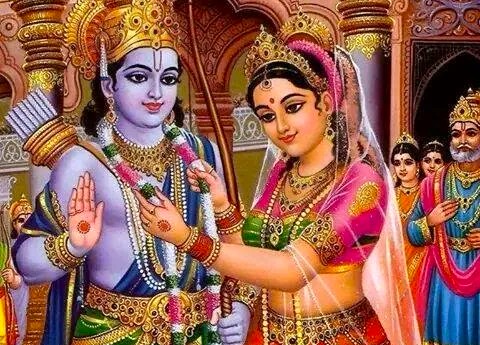
Women’s roles in this age’s main epic are tied to marriage, honor, and political stability, but also to moral agency. Sītā, daughter of King Janaka of Mithilā in the story, is central, and her marriage to Rāma becomes a turning point that binds two royal houses. The “svayaṁvara” motif - choice linked with a public test - frames marriage as both personal and statecraft. Later events in the narrative place her under intense scrutiny, showing how women can become targets when kingdoms face crisis. Other women shape outcomes too: Kaikeyī’s demand drives exile; Śūrpaṇakhā’s encounter triggers escalation; queens manage palace life while kings negotiate public duty. The story does not present women as passive decoration; it shows power, risk, and expectation concentrated on them in ways that still spark debate today. Treta Yuga
Forest Exile Geography
The exile route in the Ramayana connects royal politics to real landscapes. The text places long stretches of life in forests and on riverbanks, moving through regions that later tradition associates with central and peninsular India. Chitrakoot is commonly identified near the Uttar Pradesh–Madhya Pradesh border. The narrative also places a key settlement at Panchavati, traditionally linked with the Nashik area in present-day Maharashtra, on or near the Godavari river. These are not “construction sites” with dated foundation stones, but they are precise geographic anchors in cultural memory. The forest setting introduces non-royal life: hermitages, small settlements, hunters, and communities that live by water access, seasonal food, and trade in forest produce. Exile becomes a way to depict duty under scarcity rather than privilege.
Bridge to Lanka and Sea Tradition
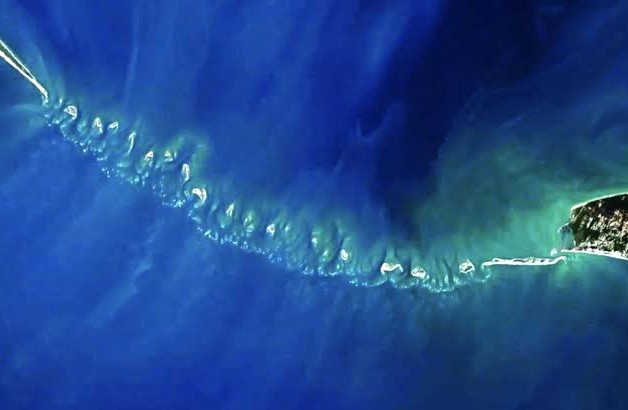
One of the most enduring episodes is the sea crossing to Lanka. In the story, the Vanara forces build a causeway under the direction of Nala and Nīla. In real geography, a chain of shoals and sandbanks between India and Sri Lanka is known as Adam’s Bridge, also called Rama Setu in later tradition. Science treats it as a natural formation shaped by coastal processes; religious tradition treats it as a work connected with Rāma’s campaign. This dual view is common in India’s sacred landscape: a physical feature exists, and a sacred narrative gives it meaning. The episode also emphasizes logistics - materials gathered, teams organized, and a crossing planned - showing how epic war is presented as engineering and supply, not only combat.
War in Lanka: Names and Outcomes
The Lanka campaign is told as a full war chronicle within sacred literature, with named leaders and outcomes that drive the moral arc. Key figures include Ravaṇa, his brothers Kumbhakarṇa and Vibhīṣaṇa, and his son Meghanada, also called Indrajit. On Rama’s side, Lakṣmaṇa, Hanuman, and the Vanara leaders are central. The story’s outcome is clear: Ravaṇa is defeated, Sīta's recovered, and rule is restored, but the ending is not simple celebration; it turns into questions of trust, reputation, and household stability. This is not verifiable state history with inscriptions listing battlefield dates. It is an epic account used to discuss justice, restraint, and the costs of power. The war also functions as a lesson in alliances: Vibhīṣaṇa’s defection is framed as choosing dharma over kin loyalty. Treta Yuga
Trade, Forest Produce, and Roads
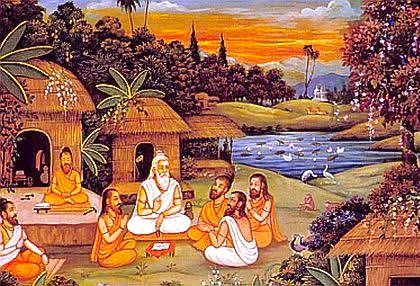
The Ramayana’s world includes movement of goods and people even when it does not read like a merchant ledger. Forest life implies collection of fruits, roots, honey, and medicinal plants, while royal courts imply stored grain, dairy, ghee, textiles, and metalwork. Later historical India documents major overland routes such as Uttarapatha and Dakshinapatha, but those names belong to later sources; still, they help you picture how the subcontinent connected regions long before railways. In epic imagination, messengers, caravans, and itinerant sages keep information moving. These networks also shape religious life: hermitages depend on alms, and courts depend on tribute and craft labor. The age is portrayed as orderly when exchange is fair and duties are honored, and disorderly when greed overrides restraint.
Rivers, Tanks, and Water Duty
Water is a constant anchor in India’s sacred storytelling and real settlement patterns. Ayodhya is tied to the Sarayu: exile scenes focus on rivers, fords, and bathing. In India, rivers such as the Ganga, Yamuna, Godavari, and Kaveri support agriculture, towns, and pilgrimage, and tanks and wells stabilize life in drier zones. The epic’s moral message matches practical reality: rule is judged by how well it protects people’s basics, and water is basic. Household life - especially women’s daily work - has long been shaped by water access: carrying, storing, cooking, washing, and caring for children. Dynastic patronage in later history often focused on building ghats, tanks, canals, and wells because water works are visible proof of duty. The Treta model uses that same logic: a king who fails water and justice fails dharma. Treta Yuga
Festivals that Recall the Age
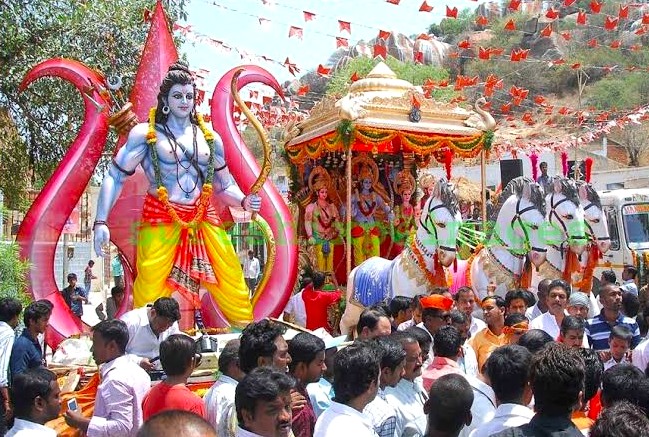
Two major observances tied to the Ramayana cycle are widely marked, though their Gregorian dates vary by year because they follow the lunisolar calendar. Rama Navami is observed on Chaitra Shukla Navami (March–April), and many temples hold key rites around midday, often close to noon, treating it as the birth time. Vijayadashami, linked with the defeat of Ravana, falls on Ashwin Shukla Dashami (September–October), and public events commonly peak in the evening, including Ramlila conclusions in many north Indian towns. Diwali is also linked in tradition with Rama’s return to Ayodhya, observed on Kartika Amavasya (October–November), with lamps lit after sunset. These practices keep the age’s narrative alive in real community schedules: rehearsals, food preparation, temple offerings, and public storytelling.
This Age in Today’s India
Because the age is a time-idea, its “population” is the population of the culture that carries it. India’s 2011 Census counted 1,210,854,977 people, across languages that retell the Ramayana in different forms - Sanskrit recitation, regional poetry, theater, and song. You will find the story used in household ethics, school lessons, and public debate about duty and leadership. You will also see the narrative anchored to places with real coordinates: Ayodhya in Uttar Pradesh, Chitrakoot on the UP–MP border, Panchavati near Nashik, and Janakpur in Nepal’s Madhesh Province linked with Mithila tradition. Construction dates tied to remembrance often belong to later centuries, because buildings survive better than oral performance. The tradition keeps evolving through new publications, stage forms, and temple schedules, while the core family names remain stable in memory. Treta Yuga
Decline and Succession into Dvapara
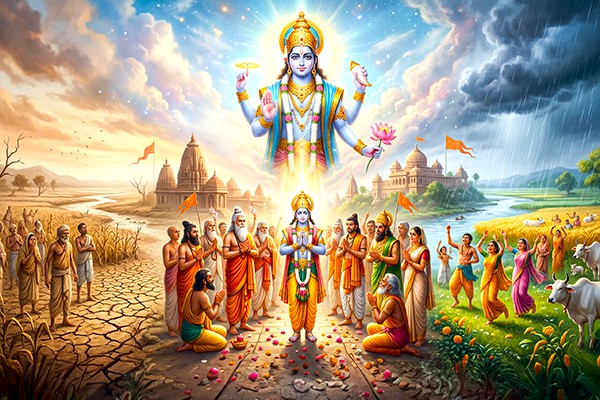
Sacred chronology presents a gradual reduction in dharma rather than a single political collapse. In this teaching, the move toward the next age is a slow shift: ritual order remains, yet conflicts grow more frequent and motives become mixed. The epic itself hints at this logic by showing how even a victorious restoration does not end moral pressure; suspicion and public judgment still damage household peace. The next age is portrayed as needing more structured worship and rule-bound discipline, which later tradition connects with the Mahabharata world and Krishna’s role in guiding duty amid conflict. This is not a dynastic replacement with one king’s coronation date; it is a replacement of a moral climate.
Step Inside The Story - View All Tour Itineraries & Details
We’re here to offer genuine, thoughtful guidance if your interested in travelling to India. As a small, dedicated team, we pay close attention to every detail so you can focus on enjoying the experience while we take care of the planning. We believe the best trips begin when someone truly listens to what you want and how you like to travel, so the journey feels right for you and contributes to a happy, positive group on tour. Our communication stays clear, straightforward, and respectful at every step, with the goal of helping you feel understood, supported, and confident from first contact to the end of your journey.
Click Catherine Frith - About The Founder
Click Discover Life Travel - All Tours and More
Click Why We Are Different - Unique, Safe, Transparent