A Unique Look Into Indian History
Ikshvaku Dynasty: Uttar Pradesh
Discover life Travel
Early Settlements In The Ganga - Sarayu Plain
Before the Ikshvaku (Ikshvaku) Dynasty of Kosala and Ayodhya is mentioned in texts, the middle Ganga–Sarayu region was inhabited by early agricultural communities and tribal chiefdoms. Archaeological evidence from the Ganga plains shows villages with mud-brick houses, rice and barley cultivation, cattle rearing and simple craft production, consistent with early north Indian agrarian cultures before the rise of formal kingdoms. Local chiefs, ritual specialists and clan councils managed land and disputes. This environment of evolving Vedic ritual society and expanding agriculture formed the background for later legendary lineages, including the Ikshvakus of Ayodhya. Ikshvaku Dynasty Uttar Pradesh
Ikshvaku Dynasty Uttar Pradesh: Ikshvaku, Manu And Royal Origins
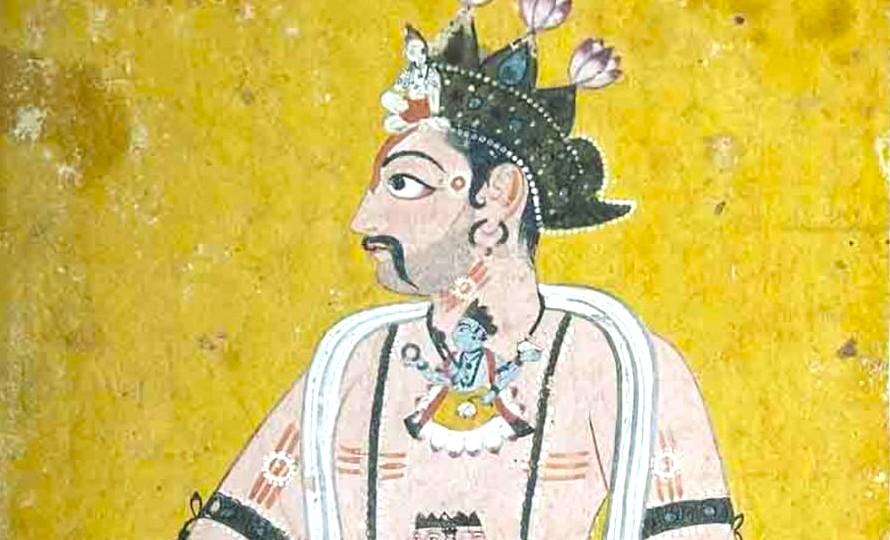
The origin story of the Ikshvaku Dynasty in Hindu tradition is embedded in Puranic and epic texts. Ikshvaku is described as the son of Vaivasvata Manu (the progenitor of mankind in many accounts), becoming the first king of the solar (Suryavanshi) line ruling at Ayodhya in Kosala. From him descends a long line of kings, including well-known figures such as Harishchandra, Sagar, Bhagiratha, Raghu, Aja, Dasharatha and, most famously, Rama. These genealogies are primarily mythic-sacred rather than securely historical, but they establish the Ikshvakus as archetypal dharmic rulers and bearers of the solar royal tradition in classical Hindu imagination.
Daily Life In An Ikshvaku Court
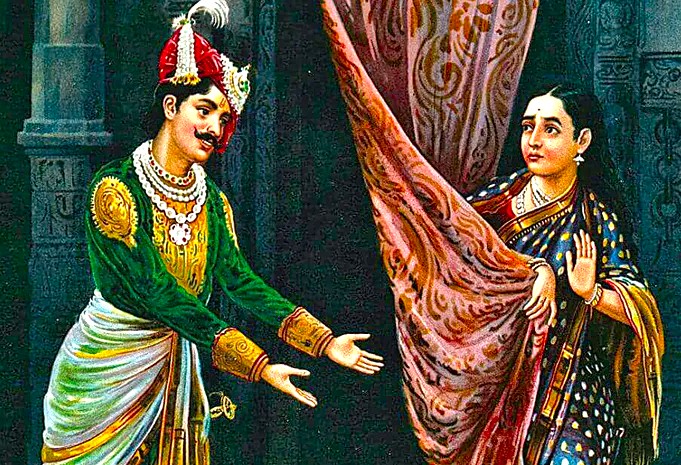
Texts like the Ramayana and Puranas sketch the idealized daily routine of Ikshvaku kings at Ayodhya. At dawn, the king performs ablutions, worships deities (notably Surya, Vishnu or Shiva depending on the text), and consults Brahmin priests and counselors, embodying Vedic–dharmic kingship ideals in ancient north Indian literature. Queens oversee inner apartments, storehouses and religious giving; princes train with chariots, bows and weapons, and study Vedas, politics and ethics. Assemblies of ministers, sages and envoys fill the day, interspersed with petitions, justice, ritual and occasional hunts. This picture, though literary, became the model template for righteous royal conduct (rajadharma).
Village Society In Ikshvaku Realms
Outside Ayodhya’s walls, epic texts imagine rural Kosala under Ikshvaku rule as a land of prosperous villages, fertile fields and contented subjects. Farmers grow rice, barley and pulses: herders manage cows and horses central to Vedic sacrifice and wealth. Artisans - smiths, potters, weavers, carpenters - sustain local economies. Brahmins maintain sacrificial fires and teaching lineages; merchants trade along riverine and overland routes. Panchayats and elders handle many disputes, while the king intervenes in serious or complex cases, reflecting a layered social order where village custom and royal dharma coexist. This is less historical reportage than a normative ideal of just governance. Ikshvaku Dynasty Uttar Pradesh
Feasts, Sacrifices And Royal Hospitality
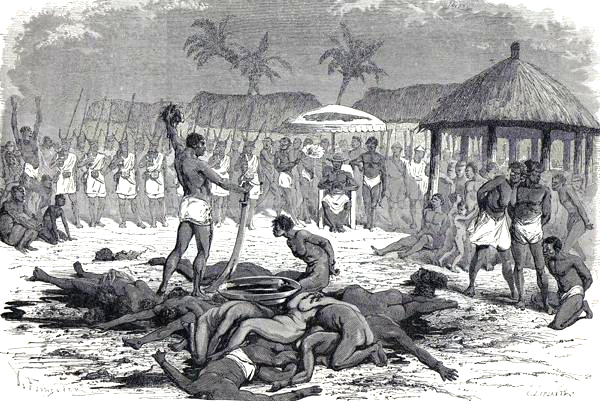
Ikshvaku kings in literature are marked by lavish sacrifices and generosity (dana). Rice, barley, ghee, milk, meat (in some Vedic contexts), fruits and sweets are served in palace kitchens and at public rituals. Great sacrifices such as the Ashvamedha and Rajasuya, associated with kings like Sagar, Bhagiratha or later Ikshvaku rulers in Puranic lore, involve feeding thousands of Brahmins, guests and common people, exemplifying royal largesse and sacrificial kingship in early Sanskrit tradition. The constant emphasis on sharing food and gifts underlines hospitality and charity as core signs of legitimate, pious rule.
Dharma, Law And Royal Justice
Yudhishthira and Rama (both connected to the broader Kshatriya–Ikshvaku/Suryavansha ethos) exemplify how texts portray law and justice in the Ikshvaku line. Kings are expected to uphold dharma, protect subjects, and ensure fair judgments. Legal norms are drawn from dharmashastra-like ideas: property rights, inheritance rules, penalties proportional to offenses. The king consults Brahmins and sages on hard cases, suggesting a partnership between royal authority and learned religious-legal expertise. Episodes of moral testing - such as Rama’s exile or Sagar’s penances - explore tensions between personal feeling, social expectations and cosmic law, making the dynasty a canvas for ethical reflection. Ikshvaku Dynasty Uttar Pradesh
Gods, Ancestors And Sacred Kingship
The Ikshvakus, as portrayed in Puranas and the Ramayana, stand at the intersection of royal lineage, divine favor and ancestor worship. Surya (the Sun) is their overarching divine patron in the “solar” designation; Vishnu in his Rama form embodies the dynasty’s highest ideal. Ancestors, especially renowned kings like Bhagiratha (who brings the Ganga to earth), are venerated in story and ritual, shaping notions of royal duty spanning generations and cosmic time. Shrines, sacrificial grounds and later temples connected to Ikshvaku figures became important tirthas, embedding mythic kings into the sacred geography of north India.
Festivals, Vratas And Ritual Cycles
Over time, Ikshvaku-linked narratives influenced Hindu festival calendars and household observances. Ram Navami (Rama’s birthday), Diwali (in one strand linked to Rama’s return to Ayodhya), and numerous local vratas draw on Ramayana episodes and Ikshvaku ideals. While historical Ikshvaku practices are opaque, the textual tradition projects a year structured by sacrifices, seasonal rites and royal ceremonies, reflecting integration of kingship, agriculture and ritual time. These celebrations keep Ikshvaku names and narratives present in lived religious culture centuries after any historical counterparts.
Courts, Bards And Narrative Legacy
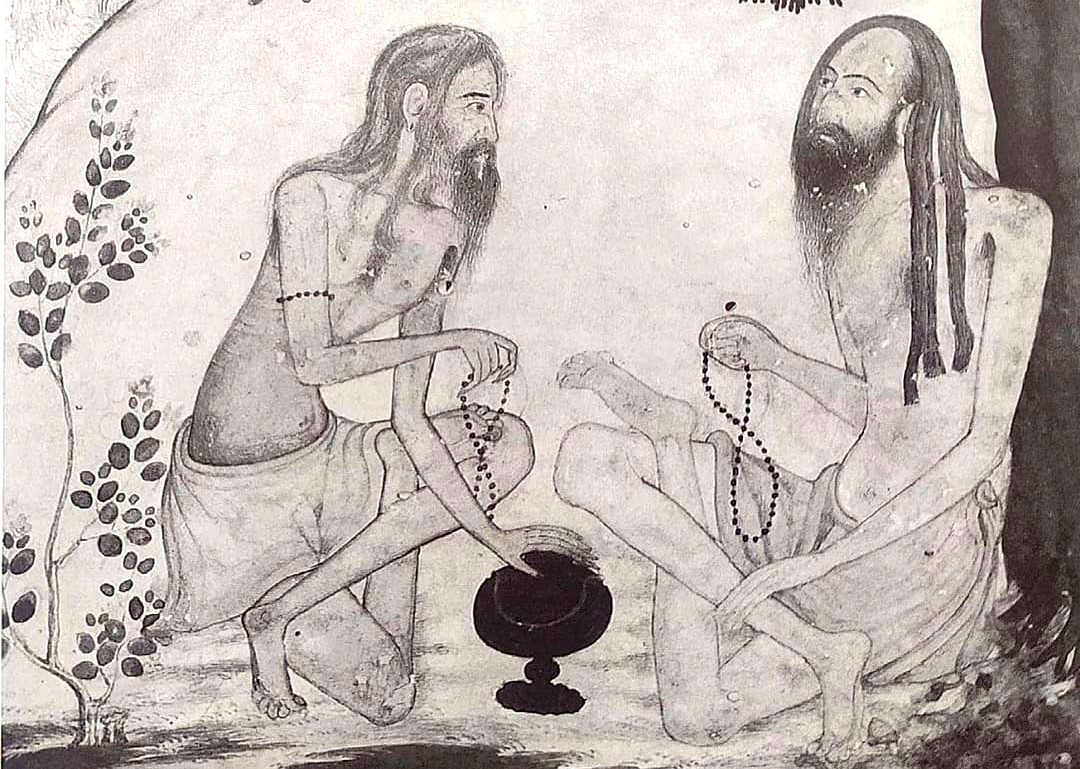
Although we lack direct archaeological proof for specific Ikshvaku kings of Ayodhya, the dynasty lives most vividly in epic, Puranic and later vernacular literature. Bards, storytellers and poets in Sanskrit and regional languages like Awadhi, Hindi and others recast Ikshvaku tales continually, fostering a long oral and written tradition of royal exemplars. Court settings in these works serve as stages for debates on ethics, loyalty, kingship and devotion. This narrative endurance ensures that, even more than as a historical dynasty, the Ikshvakus function as a literary and moral archetype for Hindu rulership. Ikshvaku Dynasty Uttar Pradesh
Campaigns, Exile And Righteous Warfare
Campaigns and wars in Ikshvaku stories - most famously Rama’s conflict with Ravana - model the ideal of dharmayuddha (righteous war). While Rama’s specific battle is outside the Ganga plains, his role as an Ikshvaku/Suryavanshi prince connects epic warfare back to this dynastic line. The rule to avoid unnecessary violence, protect noncombatants, and fight for justice rather than conquest reflects normative Kshatriya values in Sanskrit epic ideology. Such narratives shape perceptions of how kings of this lineage should face aggression, injustice and temptation to overreach.
Marriage Alliances, Dynastic Links And Women’s Roles
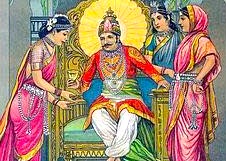
Genealogies in Puranas trace marriage alliances between the Ikshvakus and other legendary lineages (such as the lunar or Chandravanshi line), symbolizing political and cosmic integration. Queens like Kausalya, Kaikeyi, Sumitra and others in Ramayana tradition exemplify varied roles - supportive, assertive, conflicted - giving textual insight into expectations of royal women in epic imagination. Their actions influence successions, wars and reconciliations, while their devotional and maternal dimensions anchor family and ethical dimensions of kingship, not just its political side.
Ascetics, Sages And “Magic” In The Ikshvaku Sphere
Ikshvaku kings interact heavily with rishis, ascetics and beings with supernatural powers, emphasizing the porous boundary between worldly rule and spiritual authority. Boons, curses, mantras and miracles are frequent; sages’ hermitages dot the narrative landscape. This shows how, in the textual universe, kingship exists under the gaze and occasional intervention of higher spiritual powers, and how neglecting, offending or honoring these powers can change a dynasty’s fate. Such “magic” is theologically framed as tapas, karma and divine play rather than fantasy. Ikshvaku Dynasty Uttar Pradesh
Death, Cremation And Afterlives
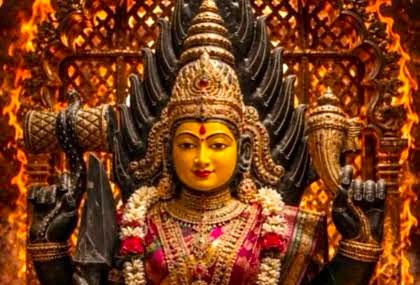
Funerary scenes, like Dasharatha’s death and cremation, depict Hindu cremation rites and mourning practices within a royal family. Ashes, lamentation, rituals and fasts by queens and sons model appropriate responses to loss. Later departures - like Rama’s eventual withdrawal and ascent - move from human death to divine return, underscoring the Ikshvaku line’s shift from historical-royal to divine-mythic status. These endings reinforce ideas of karma, liberation and the temporary nature of worldly rule, even for paragons.
Water, Sacrifice And Sacred Ecology
Bhagiratha’s quest to bring the Ganga from heaven to earth in order to liberate his ancestors is a key Ikshvaku-linked myth about rivers, penance and salvation. It highlights the interconnectedness of austerity, cosmic order, water and life. Sacrifices along rivers and at sacred spots further embed royal dharma into ecological and hydrological realities of the Indo-Gangetic world: kings must care for land, water and subjects if they wish to sustain their lineage and merit.
Historical Echoes And Later Dynastic Claims
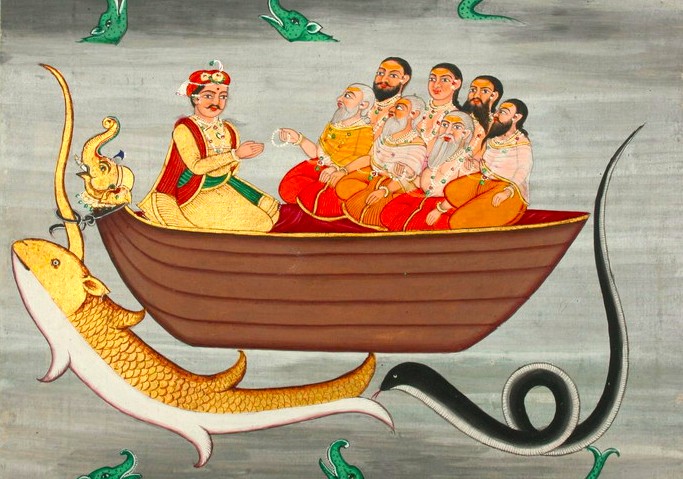
Historically, the Ayodhya Ikshvaku line belongs to the realm of sacred narrative rather than securely datable history. However, later rulers in north India and elsewhere sometimes claimed descent from Ikshvaku/Suryavanshi lines to enhance their legitimacy. Inscriptions and genealogies present new houses as branches of this ancient tree. Thus, the legacy of the Ikshvaku Dynasty operates not as a continuous political entity, but as a powerful symbol: of righteous rule, divine favor and ancient prestige. Through epics, Puranas, temple traditions and royal propaganda, the Ikshvakus continue to shape how kingship is imagined and justified in much of South Asian culture.
Step Inside The Story - View All Tour Itineraries & Details
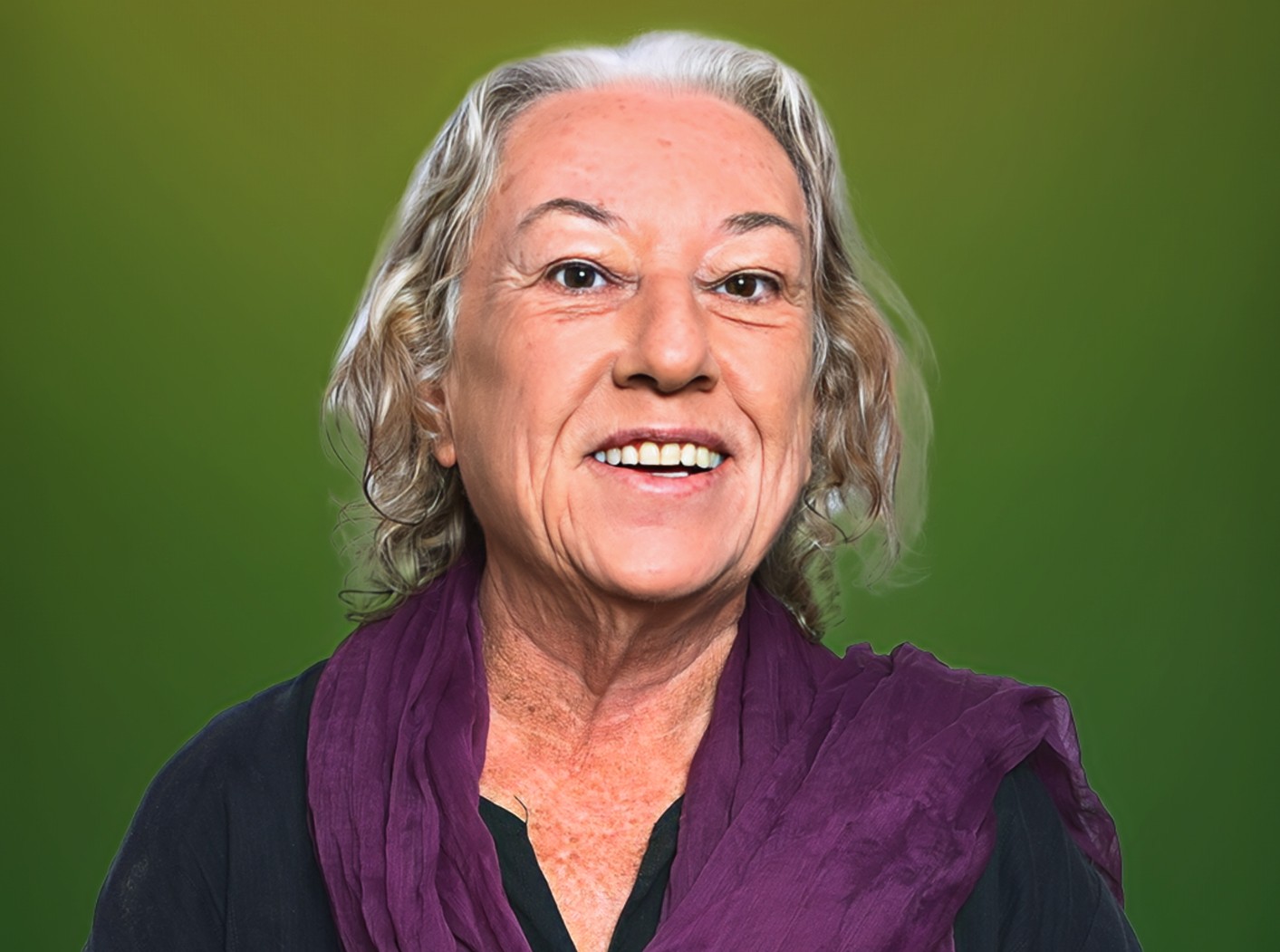
We’re here to offer genuine, thoughtful guidance if your interested in travelling to India. As a small, dedicated team, we pay close attention to every detail so you can focus on enjoying the experience while we take care of the planning. We believe the best trips begin when someone truly listens to what you want and how you like to travel, so the journey feels right for you and contributes to a happy, positive group on tour. Our communication stays clear, straightforward, and respectful at every step, with the goal of helping you feel understood, supported, and confident from first contact to the end of your journey.
Click Catherine Frith - About The Founder
Click Discover Life Travel - All Tours and More
Click Why We Are Different - Unique, Safe, Transparent