
Desert Odysee Tour Rajasthan India
Sanganeri Block Printing: Jaipur - India
Mother Masala Tours
The Heritage of Sanganer and the Chhipa Dynasty
Your journey into this craft center begins south of Jaipur, where the Sanganeri style emerged during the 16th and 17th centuries. The name refers to the specific locality where the Chhipa community, a dynasty of printers, settled to escape Mughal instability. Maharaja Sawai Jai Singh II provided them protection and land in 1727, fueling a creative explosion. Royal patronage turned the simple mud-resist techniques into a sophisticated industry. Through the centuries, these families survived political shifts and industrialization. Today, the local population of approximately 100,000 residents continues to uphold these ancestral methods, ensuring that every hand-stamped cloth carries the weight of four centuries of history. Sanganeri Block Printing Jaipur India.
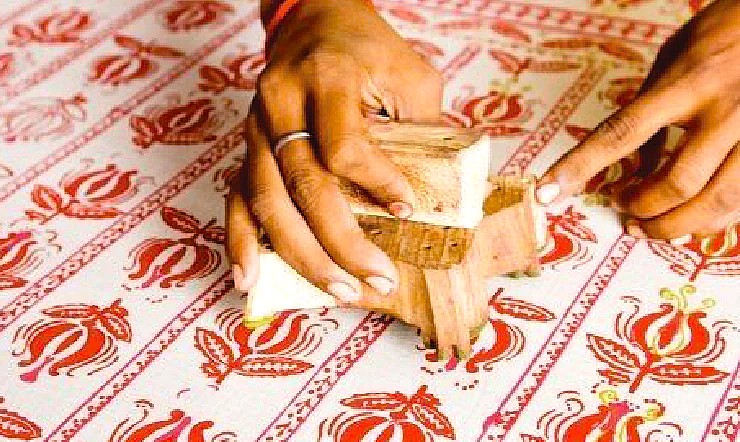
Sanganeri Block Printing Jaipur - India: Timeless Artifacts
Encounter the wooden blocks, known as bunta, which are the primary tools of this trade. These hand-carved teak instruments are unique to this specific region and are never found in identical forms elsewhere. As you move through the open drying areas, you will see long stretches of fabric spread under the sun. This space is a dedicated structure for natural bleaching and setting. While the Pink City nearby is a UNESCO heritage site, this specific printing enclave functions as an outdoor museum. Your eyes will be transfixed by the thousands of intricate motifs, mainly delicate floral sprigs or "buttas," that represent a substantial historical record of local flora.
Ancient Mosaics: Impeccable Craftsmanship:
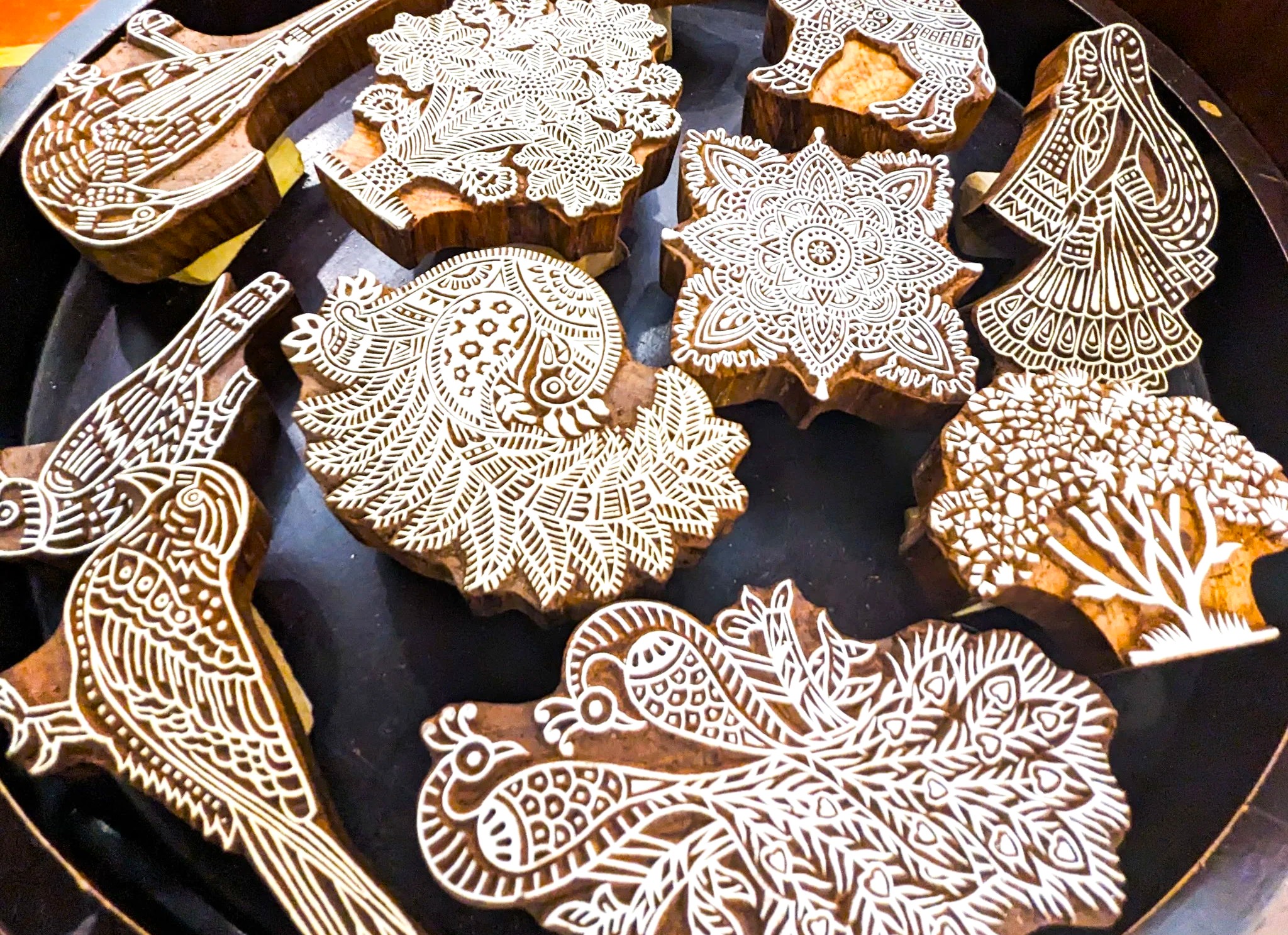
The artistry here is defined by the meticulous work of the master carvers. In the 18th century, craftsmen like Ram Singh developed the fine-lined floral patterns that you will observe on the fabric. See the impeccable precision in the way they carve the "rekh" or outline block. For example, the 1880s saw a peak in the use of copper-plate reinforcement for even more delicate lines. These craftsmen used local resources to create natural dyes, with the red shade coming from the alizarin of madder roots. Sanganeri Block Printing Jaipur India.
The Pulse of the Local Community:
Life here is centered around the rhythmic sound of the wooden block hitting the printing table. You will see the locals engaged in a daily routine that has remained unchanged for generations. The community is active from dawn, washing fabric in the Saraswati River waters, which are believed to have unique chemical properties. These people are defined by a restful patience, as each meter of cloth requires thousands of timed strikes. You will find that their identity is entirely tied to the color on their hands. This shared labor creates a lively social framework where families work together in small factories, maintaining a meaningful connection to their ancestors.
Capturing the Magic: A Photographic Haven:
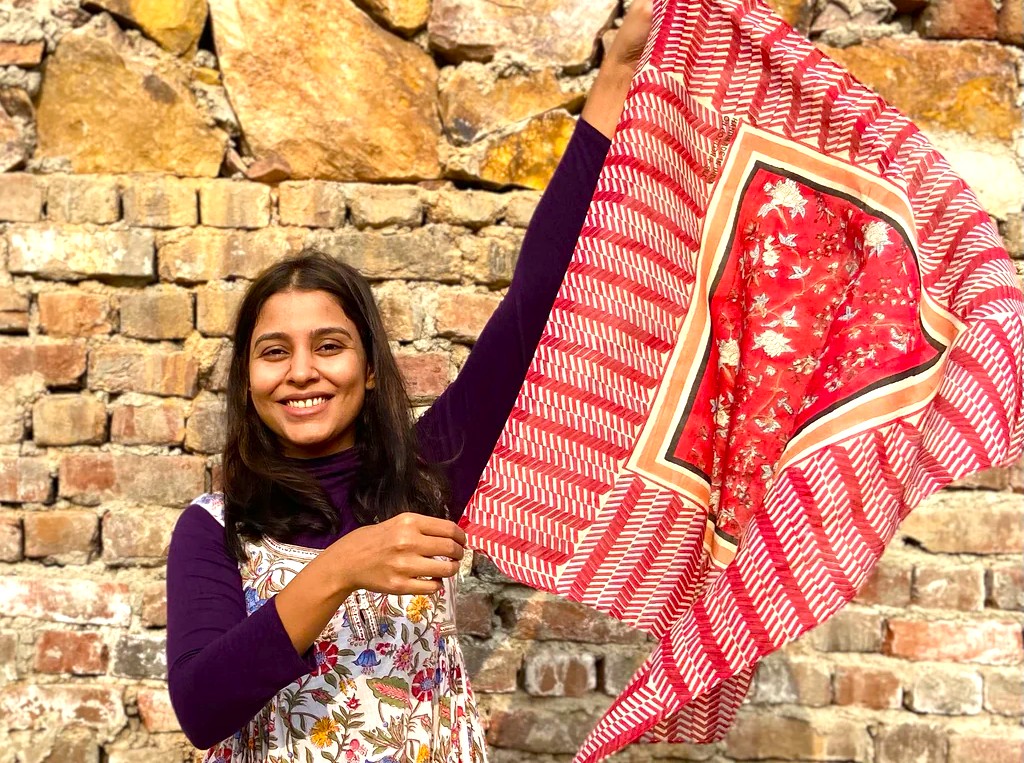
Step into a world where vibrant aesthetics meet ancient tradition. Be mesmerized by endless rows of colorful fabrics draped from sun-drenched rooftops, creating a stunning visual symphony of drying silks against the horizon. This provides a rare opportunity to photograph weathered bunta blocks piled in corners, each telling a story of rhythmic craftsmanship. Observe how the natural light dances across pools of wet dye, illuminating the rich textures of the workshop. The striking sight of local artisans with hands stained deep indigo offers a connection to their heritage. Sanganeri Block Printing Jaipur India.
A Culinary Journey: Savor the Flavour
As you explore, you will be invited to try the local Ker Sangri. This dish is made from the dried beans of the Khejri tree and the desert berries known as Ker. The preparation involves soaking these elements overnight and then sautéing them with local spices like cumin, coriander, and dried red chilies. It is famous because these ingredients are native to the arid Rajasthan soil and can be stored for long periods. You will find the taste is a unique blend of tangy and spicy, often served with Bajra Roti. This meal provides the energetic sustenance the printers need for their long, physically demanding hours at the tables.
Festivals of Devotion: Honouring the Sacred and the Divine:
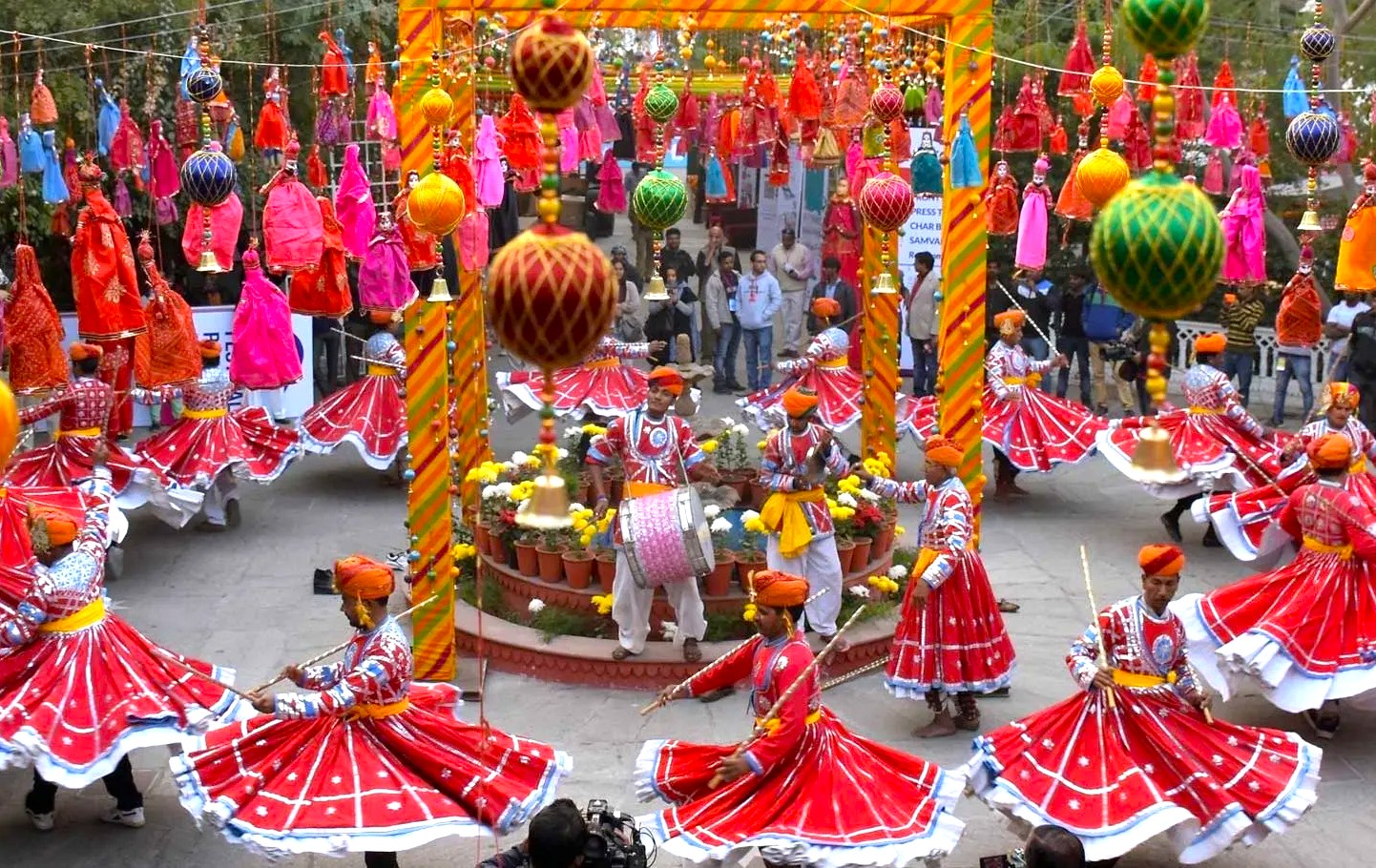
In the heart of Jaipur, the Sheetla Mata Fair unfolds each March during Krishna Paksha Ashtami. This sacred event honors the goddess of health and protection, drawing the community together in a profound display of mystical devotion. Led by village headmen and temple priests, the rituals run from dawn until dusk, specifically from 5:00 AM to 8:00 PM. Local residents offer grains and cooling foods to the deity, seeking a miracle of protection for their families and their storied Sanganeri block-printing craft.
Ancient Technologies: Sacred Sound, Geometry & Astrological Influences
The building design of the printing tables follows specific geometric proportions to ensure stability. This structure creates a sound frequency when the block is struck. You will find that the rhythmic tapping often aligns with the 417 Hz Solfeggio frequency. This specific frequency is known to facilitate change and clear traumatic experiences for the craftsmen. The geometry of the floral "mandala" prints originates from these sacred proportions. The construction of the printing vats uses lime and stone, materials that provide a reflective, restful energy. Physically, these natural materials maintain a cool temperature, which is essential for the chemical stability of the natural vegetable dyes used in the process.
The Connection With the Gods
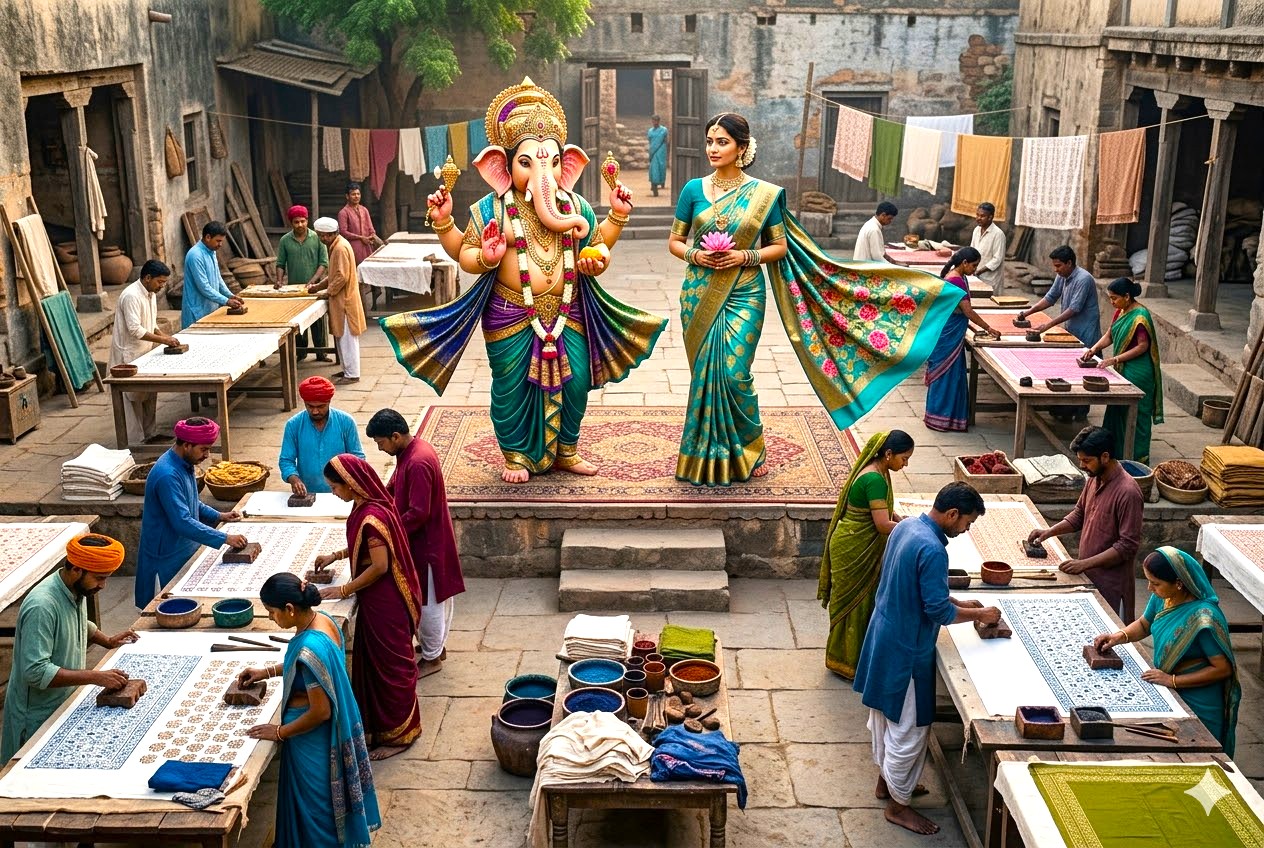
The printing community maintains a deep bond with Lord Ganesha, the remover of obstacles. The story of how the first Chhipa printers requested his blessing before laying the first block in the 16th century. It is believed that Ganesha resides within the workshop to ensure the dye never fades. Another character, the goddess Lakshmi, is honored to ensure the prosperity of the trade. You will see small altars positioned in every workspace. These stories are not just myths; they are a substantial part of the daily life here. Sanganeri Block Printing Jaipur India.
Serendipitous Meetings: Beyond the Main Path
Sanganeri Block Printing Jaipur India. Walking through the narrow lanes, you will find small, tucked away factories where the hand milling of dyes still occurs. You will see an elderly craftsman carving a block with a tiny chisel, a delicate process that requires incredible focus. You might encounter a group of women boiling pomegranate skins in a large iron edifice to create yellow dye. These chance encounters allow you to see the framework of the industry beyond the storefronts. You will find yourself transfixed by the sight of a single printer working in a quiet, shadowy room. These moments offer a fantastic look at the substantial effort hidden behind every piece of elegant, finished cloth.
Resilience and Renewal: Overcoming Adversity’s Challenges
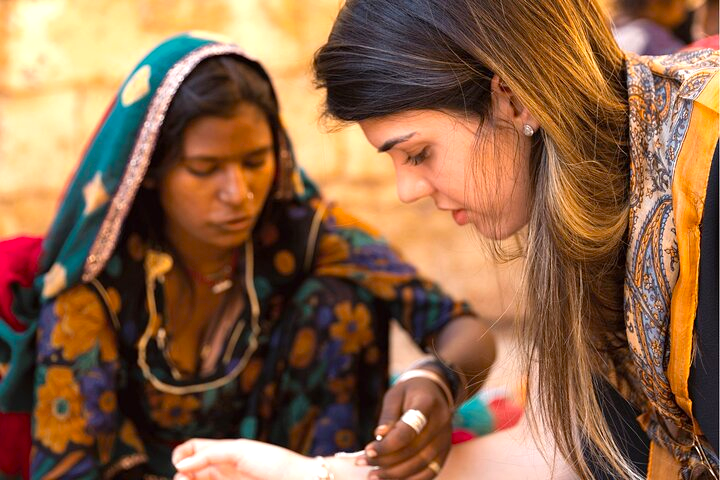
In 1712, a massive flood of the Saraswati River threatened to submerge the entire printing district. The community managed this disaster by moving their precious blocks to higher ground, showing astonishing resilience. Later, during the Battle of Jaipur in the 18th century, the local economy was swamped by political instability. However, the printers triumphed by adapting their designs to suit the tastes of the new rulers. You"ll see that every fire or drought throughout the 19th century only served to strengthen the community's bond.
Urban Legends: Strange Sightings, Myths and Mysteries
Local legends speak of a "Guardian Spirit" that appears in the dye vats during the night of the full moon. Residents tell stories of how the indigo vat once turned a deep, impossible blue overnight without any added pigment, a phenomenon they call the Indigo Miracle. You will hear about an ancient printer who supposedly carved a block so detailed that the birds in the pattern would fly away when the cloth was shaken. Another story involves a mysterious traveler in the 19th century who left behind a recipe for a dye that never fades. These myths add a mystical layer to the already spellbinding atmosphere of the workshops you visit.
Our Adventure Begins, and You’re Invited to Be Part of It

You will find that your presence here creates a symphony of generosity. When you purchase a hand-printed scarf, your financial support directly assists the family of the printer, allowing them to maintain their ancestral structure. In exchange, you receive an exquisite, sophisticated piece of art that carries the energy of the desert. This interchange is meaningful because it validates the hard work of the locals. You get a fantastic connection to a living history, and they receive the substantial resources needed to educate the next generation of carvers.
Mutual Benefits of Exchange
Sanganeri Block Printing Jaipur India. This exploration of Sanganer has covered its 16th-century origins, the Chhipa dynasty, and the intricate use of wooden blocks and natural dyes. You have learned about the local community's daily life, their spiritual connections to Ganesha, and the resilience they showed during historical floods and battles. The integration of Solfeggio frequencies and sacred geometry explains the deeper scientific and spiritual layers of the craft. By participating in this journey, you support a traditional industry and gain a unique, hand-crafted artifact rooted in centuries of history.
Step Inside The Story - View All Tour Itineraries & Details

We’re here to offer genuine, thoughtful guidance if your interested in travelling to India. As a small, dedicated team, we pay close attention to every detail so you can focus on enjoying the experience while we take care of the planning. We believe the best trips begin when someone truly listens to what you want and how you like to travel, so the journey feels right for you and contributes to a happy, positive group on tour. Our communication stays clear, straightforward, and respectful at every step, with the goal of helping you feel understood, supported, and confident from first contact to the end of your journey.
Click Catherine Frith - About The Founder
Click Discover Life Travel - All Tours and More
Click Why We Are Different - Unique, Safe, Transparent