
Spirit Of South India Tour
Ooty Lake: Tamil Nadu
Discover Life Travel
Raw Wild Immersion
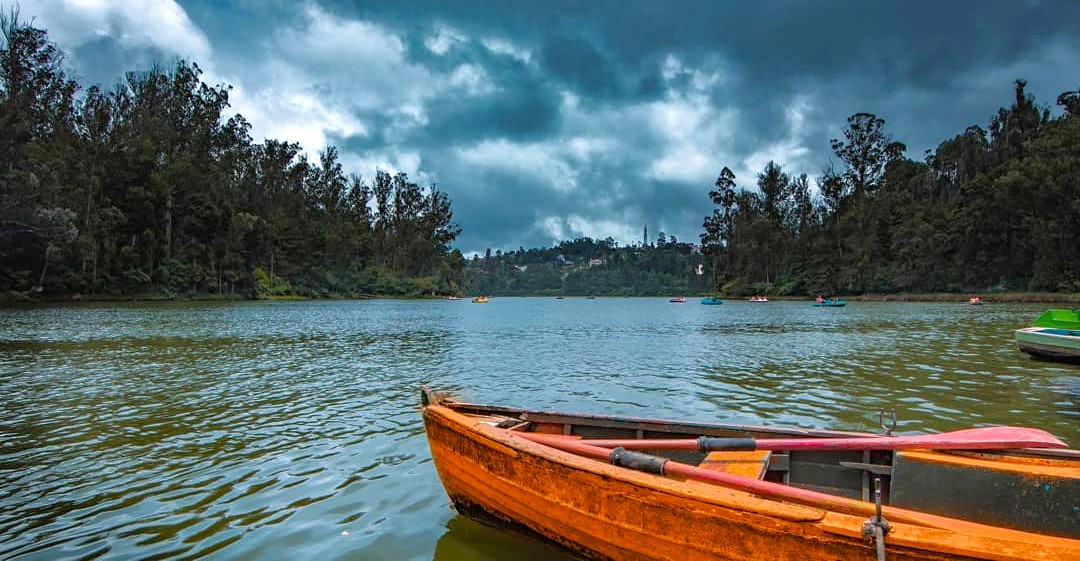
Set in the Nilgiris district of Tamil Nadu at 2,240 metres elevation, this lake's name derives from "Ootacamund," rooted in the Toda tribal word "Ottakkal Mandapam," meaning a single stone shelter. In 1824, John Sullivan, Collector of Coimbatore under the British East India Company, commissioned this artificial lake to serve the growing hill station. The Toda people had occupied the Nilgiri plateau for centuries before British arrival. The region now holds a population of roughly 88,000, and the lake stretches across 65 acres of calm water surrounded by eucalyptus groves. Ooty Lake Tamil Nadu
Sacred Spaces: Ooty Lake Tamil Nadu
An experience here connects to deep layers of history across the surrounding landscape. Todi tribal temples called "munds" dot nearby hillsides - half-barrel structures built from bamboo and grass, sacred to a community present for over a thousand years. Stone cairns and dolmens from the Neolithic period (approximately 1000 BCE) have been discovered across the plateau, suggesting ancient burial practices. While not a UNESCO heritage site, the landscape preserves indigenous Toda sacred groves where cattle rituals and dairy ceremonies continue unbroken. The restful atmosphere carries a meaningful, reflective energy that feels ancient and substantial.
Ancient Mosaics: Impeccable Craftsmanship
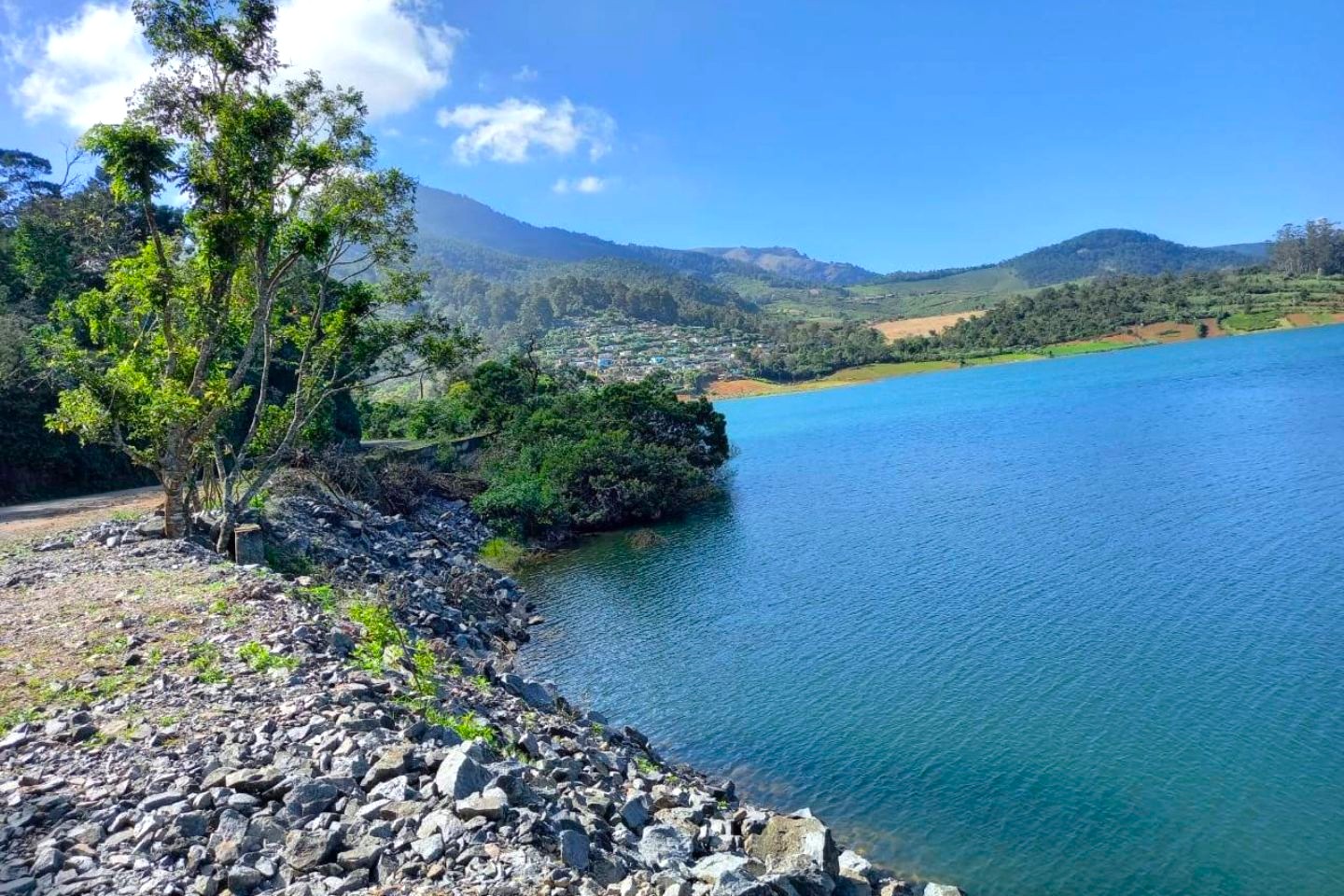
The artistry here draws from traditions layered across centuries. In 1824, Sullivan employed Toda and Badaga laborers to dam natural streams. The 1970s boathouse incorporates Badaga stonework techniques passed through generations. The Toda are famous for exquisite "pukhoor" embroidery - red and black geometric patterns stitched onto white cotton, a craft dating back centuries. Surrounding colonial-era buildings display refined brickwork and timber framing executed by Badaga craftsmen during the 1830s.
The Pulse of the Local Community
A walk around the lake reveals lives shaped by tea, tourism, and tradition. Badaga families rise early tending vegetable gardens of carrots, cabbages, and potatoes in the cool climate. Todi women gather at dairy temples for morning rituals with sacred buffalo milk. Tamil shopkeepers along Commercial Road open by 8 AM selling homemade chocolates and eucalyptus oil. Boat operators, many from families working the lake for two generations, prepare vessels before dawn.
Capturing the Magic: A Photographic Haven
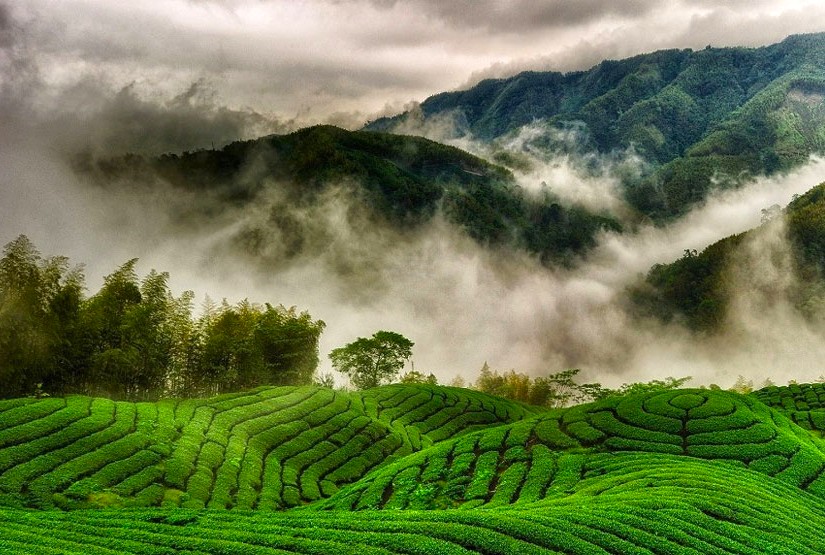
As the sun sets behind Doddabetta Peak, the lake transforms into a clear mirror of orange and purple. Traditional rowing boats create sharp silhouettes against the fading light, offering perfect conditions for photography. On the northern bank, tall eucalyptus trees and rising morning mist provide additional framing opportunities for your shots. This landscape delivers a striking visual experience from dawn until dusk. You"ll find endless perspectives to capture the natural light, ensuring you leave with quality images of the scenery.
A Culinary Journey: Savor the Flavour
The local specialty "varkey" is a flaky pastry unique to the Nilgiris - refined flour, ghee, sugar, and cardamom rolled into dozens of paper-thin layers, then baked golden. Badaga bakers refined this technique over decades. Near the boathouse, fresh eucalyptus honey drizzled over warm varkey makes an incredible pairing. Hot masala chai brewed with locally grown tea leaves and fresh ginger is the other essential - the Nilgiris produce some of India's finest tea. Sipping a cup lakeside as the sunset boat ride begins is a simple, beautiful pleasure that stays with you long after leaving.
The Connection With the Gods
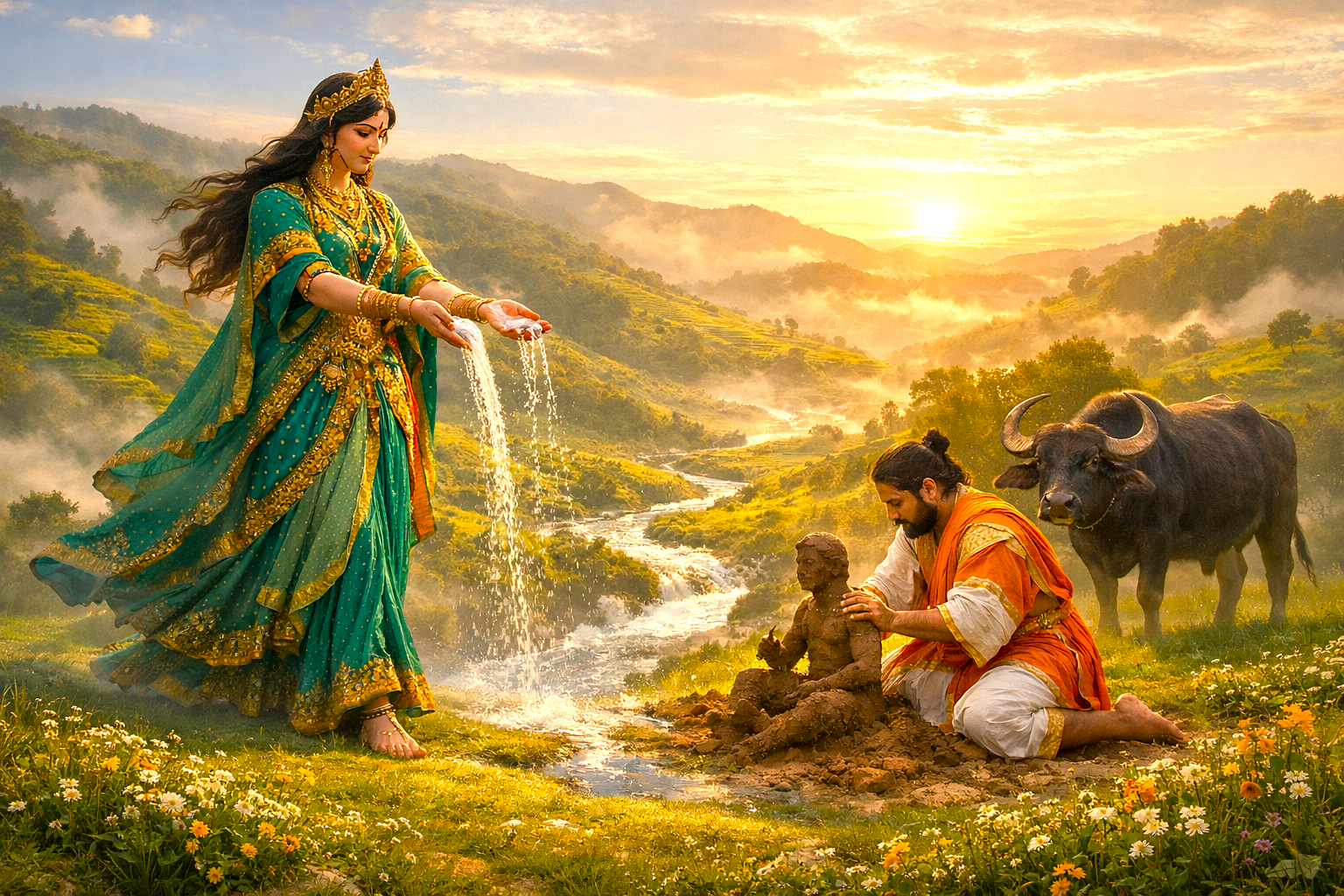
In the mist-shrouded Nilgiri Hills, Toda mythology celebrates the divine siblings who birthed their world. The goddess Teikirzi is the benevolent architect of the landscape. With a switch in hand, she traversed the "Blue Mountains," carving the winding rivers and verdant meadows that define the plateau today. As she shaped the earth, her brother, the god Ön, performed the act of creation. From the soil of the Kundah peaks, he pulled forth the sacred buffaloes. Clinging to the final tail was the very first Toda man. Their descendants still honor these ancient spirits today.
Festivals of Devotion: Honouring the Sacred and the Divine
The Toda tribe holds their most important ceremony, the "Aarriidr," between January and February - a sacred ordination of a new "palol" (holy dairyman) who tends temple buffalo. Rituals span several days of prayer, fire ceremonies, and buffalo blessings. During the annual Summer Festival (May, second and third weeks), a flower show at the Botanical Gardens draws thousands, with boat races accompanying festivities. The Badaga community celebrates "Hette Habba" around late December - a harvest thanksgiving with community feasts, dancing, and offerings to the earth, filling surrounding villages with energetic, lively celebration. Ooty Lake Tamil Nadu
Ancient Technologies: Sacred Sound, Geometry & Astrological Influences
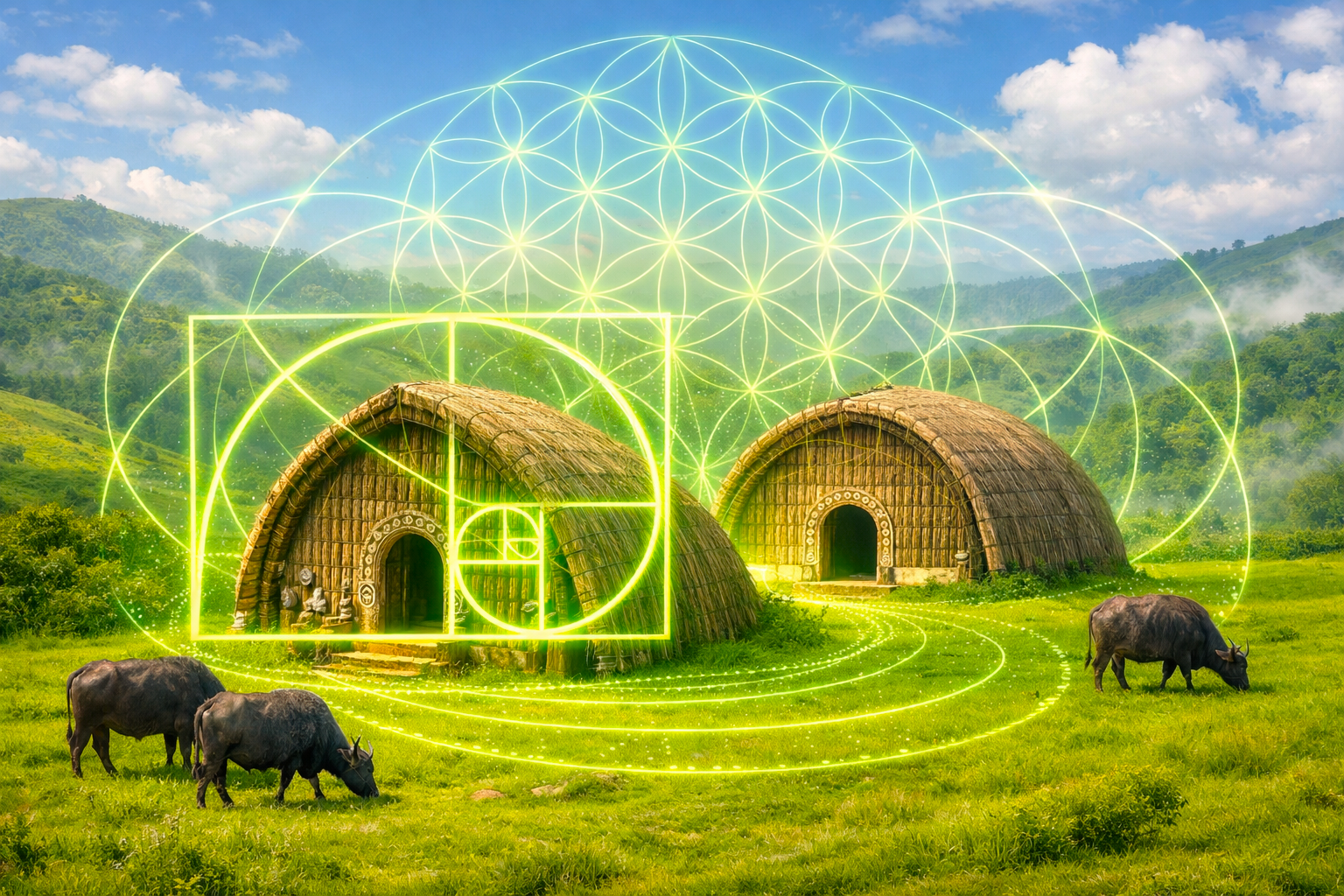
Toda temple munds use a half-barrel formation. This curved geometric structure naturally amplifies sound within an enclosed space. The parabolic framework creates standing wave patterns during chanting, producing immersive resonance. This construction emphasizes vocal frequencies near the 528 Hz "Miracle tone," associated with healing. Bamboo carries natural acoustic resonance, while grass thatch absorbs excess reverberation for a warm sound. Nearby, granite stones from the 1824 dam hold piezoelectric properties.
Serendipitous Meetings: Beyond the Main Path
Wandering beyond the boathouse along the quieter southern trail, small workshops appear where artisans hand-roll eucalyptus oil candles and pack chocolate into foil. Tiny tea-processing sheds tucked away behind hillside homes reveal leaves being sorted and dried by hand. Badaga women sit threading needle embroidery on porches. Street stalls sell homemade lemon curd and gooseberry jam. The atmosphere along these back lanes is relaxed and engaging - a world apart from the main road where the real daily rhythm quietly unfolds. Ooty Lake Tamil Nadu
Resilience and Renewal: Overcoming Adversity's Challenges
In November 2009, Cyclone Phyan brought over 1,000 mm of rainfall in 24 hours on November 10th. Massive landslides tore through hillsides, destroying homes and burying roads. The lake flooded the boathouse and surrounding parkland. Fifty-eight people lost their lives across the district, and boat operators lost livelihoods overnight. The community rebuilt - families clearing mud by hand, workers restoring embankments over six months. Again in December 2021, heavy monsoon rains caused flooding along the banks.
Urban Legends: Strange Sightings, Myths and Mysteries
A notable local legend speaks of the "Ghost of Doddabetta," reportedly seen walking the misty road above the lake on cold winter nights. Locals describe a tall figure in a British-era overcoat who vanishes when approached - believed to be a colonial officer stationed here in the 1860s. The Toda hold a mystical tale of a hidden underground passage beneath the hills connecting the lake to a secret valley where ancestors first arrived, guided by goddess Teikirzi and her sacred buffalo. Fishermen report unusual ripples and sounds from the centre on windless nights - a spellbinding, unexplained phenomenon adding mysterious energy after dark.
Wander Where It's Wild - Join Us
Step onto the banks of Ooty Lake and immediately feel the cool mountain air. As you glide across the water in a traditional rowing boat, the gentle splash of oars becomes your soundtrack. You’ll watch the sun shimmer against the surface, framed by tall eucalyptus trees that scent the breeze. Beyond the water, the sounds of local life and the distant whistle of the toy train create a nostalgic atmosphere. It is a place to slow down, breathe deeply, and soak in the timeless Nilgiri charm.
Symphony of Generosity: Offerings from Wanderers to Residents
The interchange between those who arrive and those who call this place home creates a meaningful cycle. Boat fare's directly support families of local operators who depend entirely on the lake for income. Purchasing varkey, eucalyptus oil, and handmade chocolates keeps small-scale Badaga and Tamil businesses active and engaging. In return, you gain a stunning sunset on an 1824 lake, stories from operators whose grandparents fished the same waters, and an atmosphere of genuine connection. The financial support funds local schools and maintains the parkland. What you give becomes a substantial part of keeping this peaceful place alive.
Step Inside The Story - View All Tour Itineraries & Details

We’re here to offer genuine, thoughtful guidance if your interested in travelling to India. As a small, dedicated team, we pay close attention to every detail so you can focus on enjoying the experience while we take care of the planning. We believe the best trips begin when someone truly listens to what you want and how you like to travel, so the journey feels right for you and contributes to a happy, positive group on tour. Our communication stays clear, straightforward, and respectful at every step, with the goal of helping you feel understood, supported, and confident from first contact to the end of your journey.
Click Catherine Frith - About The Founder
Click Discover Life Travel - All Tours and More
Click Why We Are Different - Unique, Safe, Transparent