Unique Insights Into India
The Indian Caste System
Discover Life Travel
Layers of Identity
The social framework of Bharatvarsha, named after the ancient ruler King Bharata, developed over thousands of years along the fertile channels of northwestern India. Ancient scriptures established the foundation of a highly structured community, dividing people by their spiritual and physical duties. This arrangement transformed from fluid labor groups into hereditary classifications over generations. Scholars trace this division back to early settlements in the Punjab region, where the community sought to maintain cosmic balance. The system governed everything from personal hygiene to occupational opportunities, marriage, and political power. This complex hierarchy maintained its structure throughout regional shifts, creating a deep impact on the sub-continental population. Understanding this progression requires analyzing historical texts, economic structures, and legal codes. The Indian Caste System
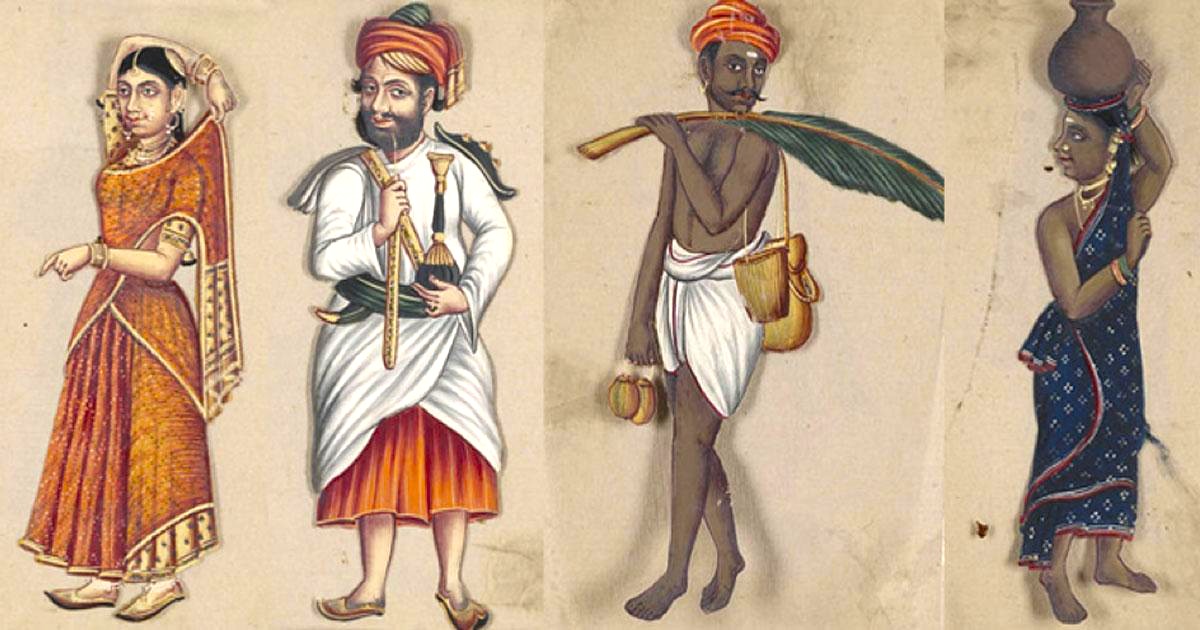
The Indian Caste System: Sacred Origins in Vedic Lands
The foundation of social classification began in the Indus and Sarasvati river valleys around 1500 BCE. Ancient sages recorded spiritual poems explaining the division of humanity into four primary groups. The Purusha Sukta hymn describes the cosmic giant whose sacrificial offering created the universe. The intellectual class emerged from the head, while warriors emerged from the arms. Agriculturalists came from the thighs, and laborers came from the feet. This division aimed to maintain cosmic balance, linking human occupation to a divine plan. Early clans adopted these divisions to organize their expanding settlements in Kurukshetra, creating a permanent connection between bloodline and duty.
The Four Primary Varna Orders
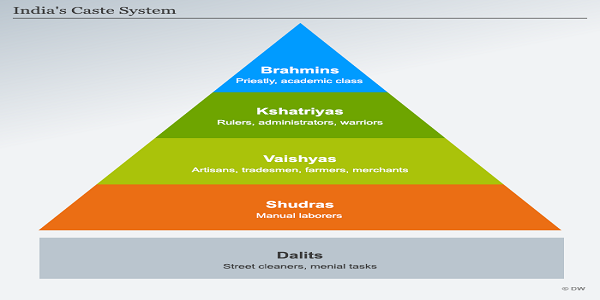
The primary division established four distinct categories known as Varnas. Brahmanas occupied the highest tier, acting as teachers, priests, and guardians of sacred knowledge. Kshatriyas held the secondary position, serving as rulers, warriors, and protectors of the territory. Vaishyas formed the third group, managing agricultural fields, cattle rearing, and commercial trade. Shudras occupied the fourth tier, providing manual labor and service to the upper three groups. This structural system prioritized spiritual knowledge over physical wealth, placing the priesthood at the pinnacle of the social pyramid. Each group maintained specific responsibilities, creating a highly organized economic and social ecosystem. The Indian Caste System
Birth of the Jati Guilds
Over centuries, the broad Varna categories subdivided into thousands of localized, endogamous groups called Jatis. These sub-castes developed from occupational guilds as specialized crafts became hereditary secrets. Metalworkers, weavers, potters, and tanners organized themselves into distinct communities to protect their economic interests. Each Jati established internal rules governing social interactions, diet, and professional standards. This expansion allowed the social system to absorb various tribal groups and foreign immigrants by assigning them a specific niche. This process solidified the hereditary nature of professions, making social mobility extremely rare within the regional economy.
Ritual Feasts and Pure Kitchens

Dietary habits and food preparations played a central role in maintaining caste boundaries. Families cooked barley cakes, wild rice, and lentils under strict purity guidelines. Priests consumed massive quantities of clarified butter, often exceeding fifty liters during major sacrificial ceremonies. Only individuals of equal or higher spiritual status could prepare food for the upper castes. This rule protected the consumer from spiritual contamination through cooked meals. Consecrated food, known as prasada, was distributed in a strict hierarchical order during public ceremonies. These eating regulations reinforced physical separation, turning daily dining into a statement of social standing.
Lineages of the Sacred Sages
Prominent families maintained their social authority by preserving the oral transmission of Vedic texts. Lineages such as the Bhrigu, Angiras, and Atharvan families claimed direct descent from the creator deity. These priestly families guarded sacred hymns with precise pronunciation, passing them down through generations. Royal dynasties, such as the Kuru and Puru clans, patronized these scholars to legitimize their own sovereign power. The rulers rewarded these sages with vast herds of cattle and fertile lands. This powerful alliance between the ruling class and the priesthood secured their joint dominance over the regional population of approximately one hundred thousand people. The Indian Caste System
Clashes of the Ancient Kings
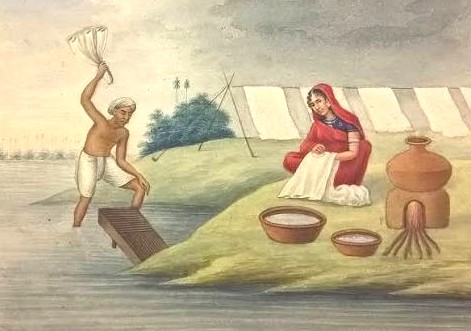
Military battles played a critical role in shaping the early social hierarchy. The Battle of the Ten Kings occurred circa 1400 BCE near the Parushni River. King Sudas of the Bharata clan defeated a massive coalition of ten rival tribes in this historic conflict. This victory consolidated the political power of the Bharata lineage across northern India. The rulers integrated captured enemies into the lowest social tier as servants, formalizing their subordinate status. This historical event accelerated the transition from flexible tribal groupings to a rigid, hereditary class structure. The triumph established the military elite as the sole guardians of state security.
Strict Boundaries of Sacred Marriage
Marriage practices served as the primary tool to preserve the purity of family lineages. Sacred texts described eight forms of marriage, praising the Brahma union as the most prestigious. In this union, a father gave his daughter to a learned scholar of the same sub-caste. Women managed the domestic hearth, acting as the guardians of family purity and religious rituals. Regulations prohibited women from marrying men of lower castes, as such unions created lineage confusion. This tight control over marital alliances ensured that wealth, status, and occupational secrets remained within specific family boundaries across generations. The Indian Caste System
Division of the Water Sources
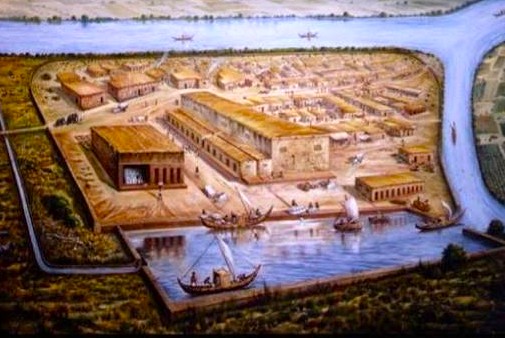
Water management systems reflected the physical segregation of the social classes within ancient cities. Settlements in the Indus region used sophisticated brick drains and reservoirs to collect seasonal rainfall. In the Gangetic plains, agriculturalists built extensive canals to water their rice fields. Access to public wells followed a strict hierarchy, restricting lower classes to designated water sources outside the main settlement. This separation prevented the ritual pollution of the primary water supply used by the priesthood. The spatial layout of towns and villages thus physically enforced the spiritual distances outlined in ancient legal texts.
Ritual Calendars of Harvest Festivals
Public festivals offered a space where the entire community gathered while displaying their specific caste duties. The festival of Makar Sankranti took place during the winter solstice to celebrate the northward journey of the sun. Another major celebration, Vijayadashami, occurred on the tenth day of the Ashvin month to honor royal victories. During these events, the king distributed gold and cattle to the priestly families. Agriculturalists brought specific quantities of their grain harvest to the local temples. These public gatherings allowed each social group to perform its hereditary role, reinforcing the community hierarchy before the entire populace.
Legal Codes of Social Control
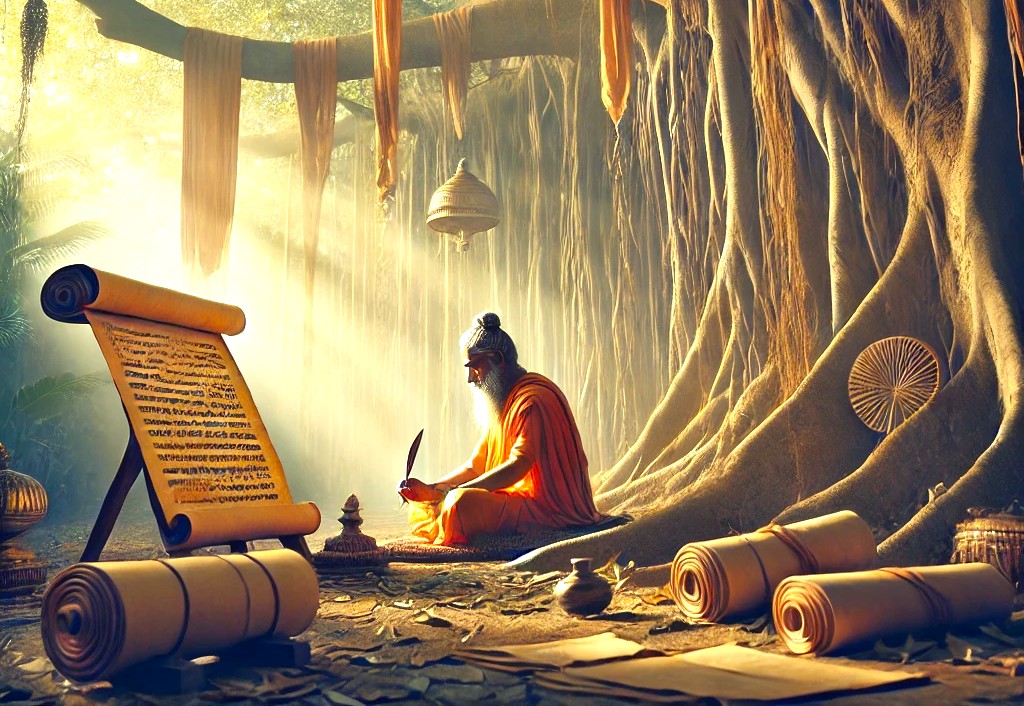
The compilation of the Manusmriti around 200 BCE provided a comprehensive legal framework for the caste system. This text, attributed to the mythical figure Manu, detailed the duties, rights, and punishments for each social order. The code established different legal standards based on caste, applying lighter punishments to priests and harsher penalties to laborers. It strictly prohibited the mixing of castes, warning that such unions would lead to societal collapse. This systematic codification converted traditional customs into written laws, establishing a rigid social structure that persisted through centuries of regional political shifts. The Indian Caste System
Contemporary Era and Systemic Changes
The current era presents a complex picture of the ancient caste system within the democratic nation. The Constitution of India, adopted in 1950, outlaws discrimination based on caste and bans the practice of untouchability. The state implements affirmative action programs, reserving university seats and government jobs for historically disadvantaged communities. These legal protections assist millions in achieving upward mobility, changing the traditional correlation between birth and profession. However, caste identities remain powerful in democratic politics and rural marriages. This survival shows how ancient social divisions adapt to electoral systems, remaining a major factor in contemporary life.
Transformation of Traditional Class Dynasties
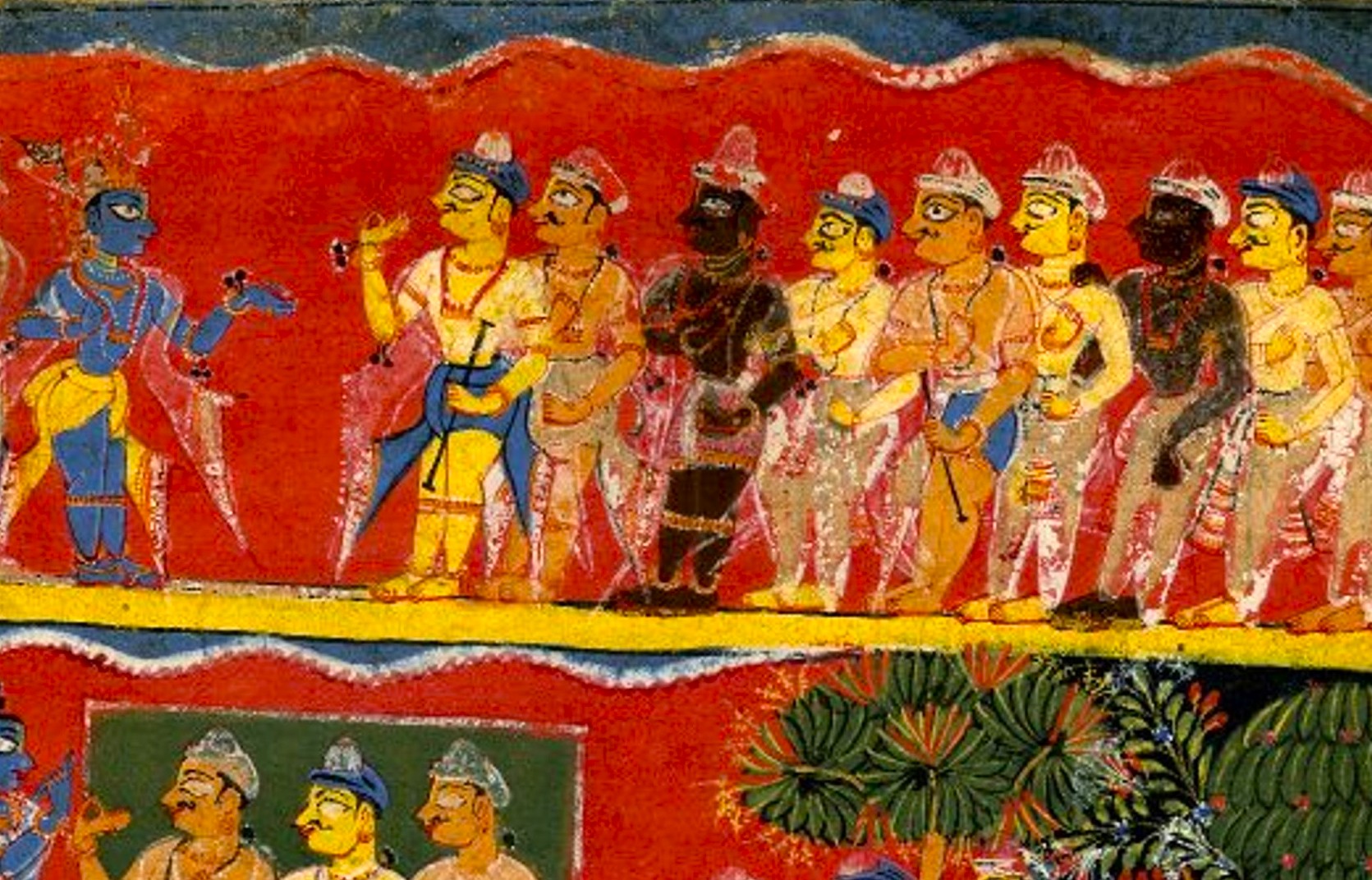
The traditional dominance of the priestly and warrior dynasties faced a gradual decline as new administrative forces entered the region. The invasion of Central Asian Huna clans around 500 CE weakened the classical empires of northern India. Later, Islamic rulers and British colonial administrators introduced separate legal and revenue systems that bypassed the traditional authority of the local elites. The British census of 1901 formally classified and froze thousands of fluid sub-castes into rigid categories for administrative convenience. This colonial intervention transformed the dynamic regional system into a fixed legal structure, preparing the ground for the political caste movements of the current era.
Step Inside The Story - View All Tour Itineraries & Details
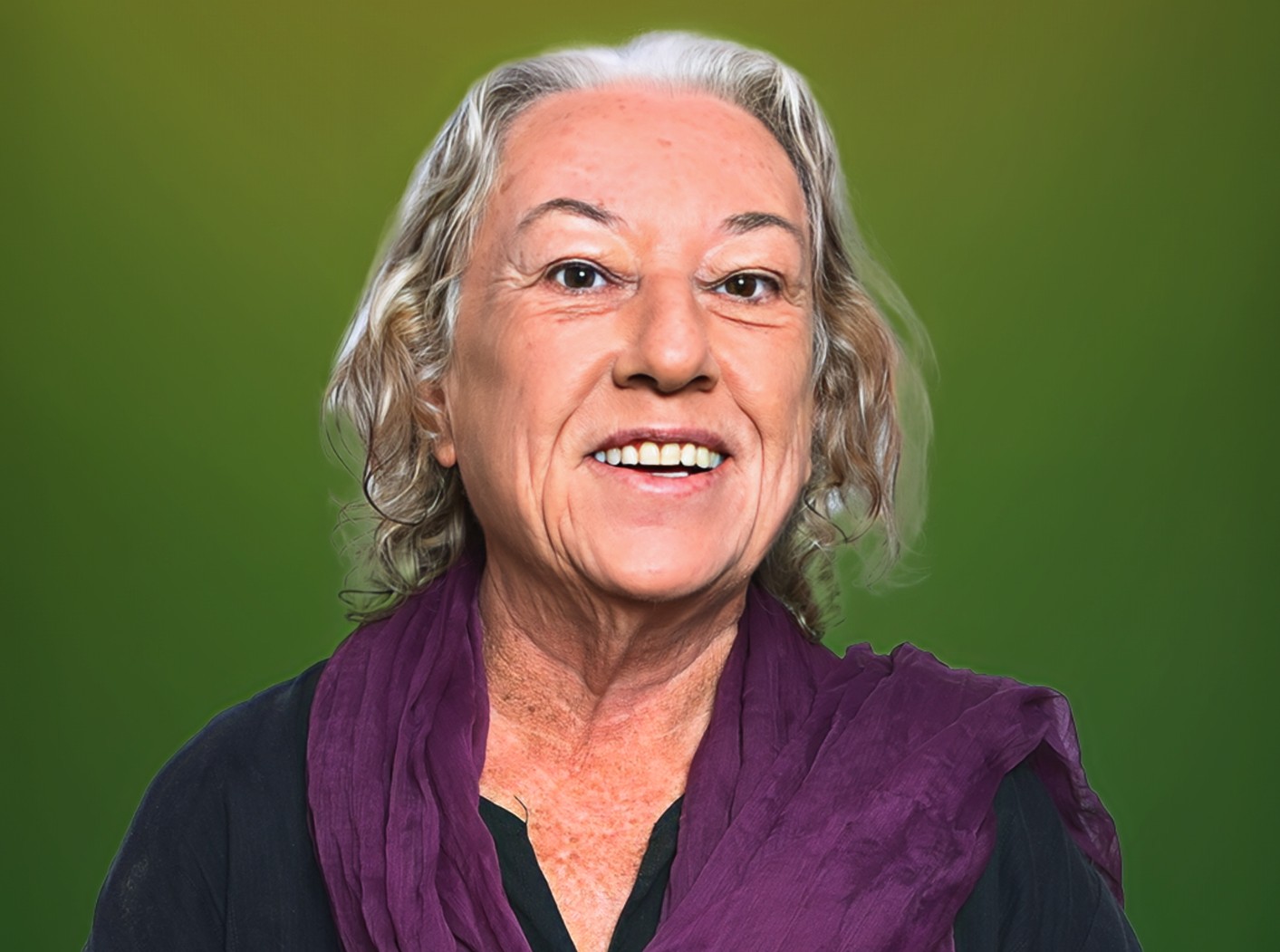
We’re here to offer genuine, thoughtful guidance if your interested in travelling to India. As a small, dedicated team, we pay close attention to every detail so you can focus on enjoying the experience while we take care of the planning. We believe the best trips begin when someone truly listens to what you want and how you like to travel, so the journey feels right for you and contributes to a happy, positive group on tour. Our communication stays clear, straightforward, and respectful at every step, with the goal of helping you feel understood, supported, and confident from first contact to the end of your journey.
Click Catherine Frith - About The Founder
Click Discover Life Travel - All Tours and More
Click Why We Are Different - Unique, Safe, Transparent