
arc of the east tour kashmir india
Yumthang Chu River Sikkim
mother masala tours
Following the Mountain Waters of North Sikkim
Yumthang Chu flows through Yumthang Valley in North Sikkim, around 25 kilometres north of Lachung. The name Yumthang is commonly associated with the Valley of Flowers, while chu means river in Tibetan usage. Its waters pass through high mountain meadows and the Shingba Rhododendron Sanctuary before joining the wider river system linked to the Teesta. Sikkim was historically ruled by the Namgyal Dynasty, established by Phuntsog Namgyal in 1642. The region later joined India in 1975. Here, your journey follows the natural history of the Himalayas, with seasonal flowers, wildlife and mountain communities shaping the surrounding landscape. Yumthang Chu River Sikkim
Yumthang Chu River Sikkim: Sacred Spaces
The river’s story is written in its natural formation rather than in carved monuments or historic relics. Flowing through Yumthang Valley, it passes alpine meadows, mountain slopes and the Shingba Rhododendron Sanctuary, a protected area established in 1984 and expanded in 1993. You"ll see the relationship between water, plant life and the surrounding Himalayan environment. The state tree, Rhododendron niveum, grows naturally in this sanctuary. The wider landscape has a peaceful atmosphere, with changing water levels and seasonal vegetation shaping its appearance.
Ancient Mosaics: Impeccable Craftsmanship
Nature provides the artistry here, with water, rock and vegetation forming the landscape over long periods. Observe the composition of the river channel, gravel banks and surrounding mountain terrain. The Shingba Rhododendron Sanctuary protects plant life across elevations of approximately 3,048 to 4,575 metres. Its rhododendrons, primulas and other alpine plants create delicate seasonal patterns across the slopes. These formations result from natural processes, not a designed building framework. The area’s defining craftsmanship is therefore geological and ecological, rather than human construction. Yumthang Chu River Sikkim
The Pulse of the Local Community
Lachung is the nearest established settlement and an important base for exploring the river valley. The local community includes people of Bhutia and other Sikkimese backgrounds, with livelihoods connected to farming, animal husbandry, transport and tourism. Lachung is known for its traditional self-governing institution, the Dzumsa, headed by an elected Pipon. This system helps manage community matters and local disputes. You"ll encounter a way of life shaped by mountain weather, road access and seasonal activity.
Capturing the Magic: A Photographic Haven
Your photographs can capture the river winding across gravel banks, the mountain backdrop and the seasonal plant life along its edges. In spring, rhododendrons add colour to the wider valley, while snow and mist can alter the mood of the scenery. Look for the contrast between flowing water, pale stones and dark mountain slopes. The best composition depends on weather and access conditions, so stay on permitted paths and avoid entering fast-flowing water.
A Culinary Journey: Savor the Flavour
Nearby, you may find momos, steamed dumplings filled with vegetables or meat, and thukpa, a warming noodle soup prepared with broth, vegetables and seasonings. Phagshapa, a Sikkimese dish made with pork, radish and dried chillies, is another regional speciality, although its availability varies. These foods reflect the practical cooking traditions of mountain communities, where warming soups and filling meals suit cold conditions. We can explore local eateries in Lachung before travelling farther up the valley. Yumthang Chu River Sikkim
Festivals of Devotion: Honouring the Sacred and the Divine
The river does not have a verified annual festival dedicated specifically to its waters. However, the wider Lachung region has Buddhist traditions, and Losar, the Tibetan New Year, is celebrated by many Himalayan Buddhist communities. Its date varies according to the lunar calendar, generally falling between February and March. Families mark the occasion with gatherings, special foods and religious observances. Buddhist monasteries also play a role in local religious life. You will find that the spiritual character of this mountain region comes from its living communities and traditions, rather than from a documented river festival. Dates and public programme times should be checked locally for the year of your journey.
The Connection With the Gods
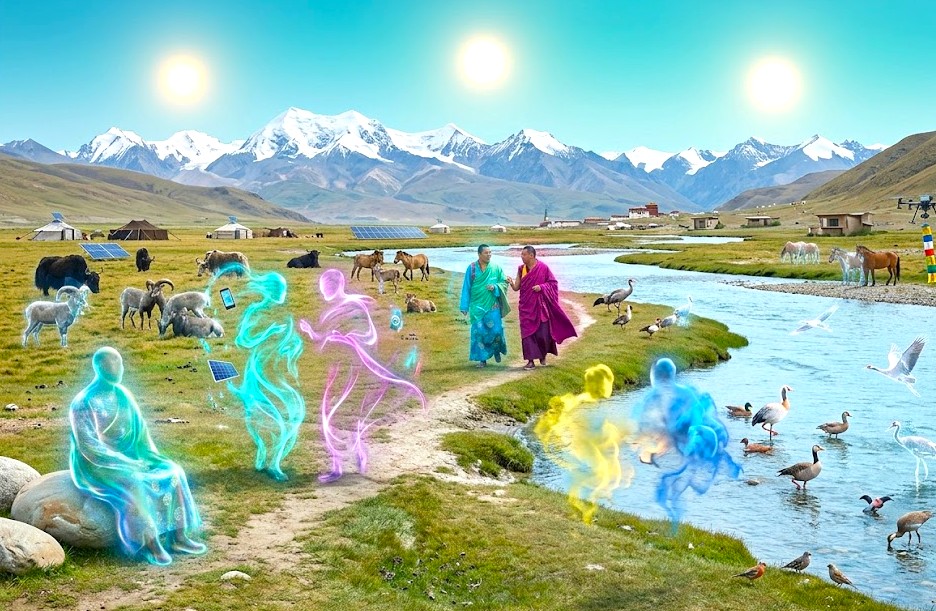
The river flows through a region influenced by Tibetan Buddhist beliefs and Himalayan sacred traditions. In Tibetan Buddhism, Chenrezig, also known as Avalokiteshvara, represents compassion, while Guru Rinpoche, or Padmasambhava, is revered for bringing Buddhism to Tibet and the Himalayan region. These figures belong to the broader religious context of Sikkim; there is no reliable evidence establishing a particular legend that directly links either figure to this river. The landscape itself can feel mystical when mist settles between the peaks and water moves across the stones. You"ll experience a setting where natural beauty and local spiritual traditions exist alongside one another.
Serendipitous Meetings: Beyond the Main Path
Travelling along the road from Lachung towards the valley, you will encounter mountain settlements, small shops and local services rather than a concentrated district of historic workshops. Lachung is known for traditional woven rugs and blankets, with a handicraft centre documented by Sikkim's tourism department. Local activity also includes farming and tourism-related work. Depending on the season, roadside stalls and small eateries may provide opportunities to meet people who live and work in the area. We can take time to learn about local crafts and daily routines while respecting private land and the sensitive mountain environment. Availability varies with weather and road conditions. Yumthang Chu River Sikkim
Resilience and Renewal: Overcoming Adversity’s: Challenges
The river valley's history is shaped by the demanding conditions of a high Himalayan environment. Snowfall, freezing temperatures, steep terrain and changing water levels can affect travel and access. The wider region has also experienced major earthquakes, including the Sikkim earthquake of 18 September 2011, which measured magnitude 6.9 and caused deaths, damage and disruption across the state. However, reliable sources do not establish a specific documented loss or rebuilding project at this exact stretch of river from that event. As we travel through the valley, we can recognise the practical resilience required of mountain communities without attributing unverified disasters or recovery stories to the river itself. Yumthang Chu River Sikkim
Urban Legends: Strange Sightings, Myths and Mysteries
Locals say the Yumthang Chu River carries stories from the mountains. One tale tells of a spring that appeared when a wandering sage struck the earth with his staff, giving water to a thirsty valley. Another recalls a mountain spirit who sent clear streams downstream to protect nearby villages during a harsh season. People also speak of the river as a living presence, shaped by the moods of the peaks and the changing seasons. Its waters are said to bring renewal, while its banks invite quiet reflection. Such stories are shared beside the river and passed from one generation to the next. They express local respect for nature and the deep bond between the people, the valley, and its flowing water.
You’ll Need a Clever Excuse for Missing This One
Join us and travel into North Sikkim, where mountain water, alpine meadows and seasonal flowers shape the journey. As you follow the road beyond Lachung, we will pass through the Shingba Rhododendron Sanctuary and reach the open valley where the river crosses the landscape. You"ll have time to appreciate the scenery, photograph the changing mountain light and learn about the plants that survive at high elevations. Our pace is relaxed, with opportunities to stop where for wonderful views and photos. We are going to experience this part of the Himalayas through its natural formations, community life and quiet stretches of flowing water.
Symphony of Generosity: Offerings from Wanderers to Residents
Spending on local transport, accommodation, meals, guides and handmade rugs or blankets can help provide income for residents. In return, local people may share practical knowledge about road conditions, seasonal changes, regional food and the surrounding environment. The area has a small mountain-community setting, so services and supplies may be limited outside the main settlement.
Step Inside The Story - View All Tour Itineraries & Details

We’re here to offer genuine, thoughtful guidance if your interested in travelling to India. As a small, dedicated team, we pay close attention to every detail so you can focus on enjoying the experience while we take care of the planning. We believe the best trips begin when someone truly listens to what you want and how you like to travel, so the journey feels right for you and contributes to a happy, positive group on tour. Our communication stays clear, straightforward, and respectful at every step, with the goal of helping you feel understood, supported, and confident from first contact to the end of your journey.
Click Catherine Frith - About The Founder
Click Discover Life Travel - All Tours and More
Click Why We Are Different - Unique, Safe, Transparent