
Spirit of South India Tour
The Tea Museum: Munnar
Mother Masala Tours
Oasis Nilgiri: The Chronicle of Leaves
Located in Idukki district, Kerala, this institution opened on April 1, 2005. The region's transformation began in 1877 when British Resident John Daniel Munro arrived to settle border disputes between the Kingdom of Travancore and neighboring territories. What he discovered was land suited for tea cultivation. By the early 1900s, plantations stretched across these slopes. The Tata Tea company established this preservation center to honor generations of tea workers and planters. In 1964, Kanan Devan Hills Company was acquired by Tata and Finlay, who started the country's first instant tea factory. Today, approximately 80,000 people reside here. The Tea Museum Munnar
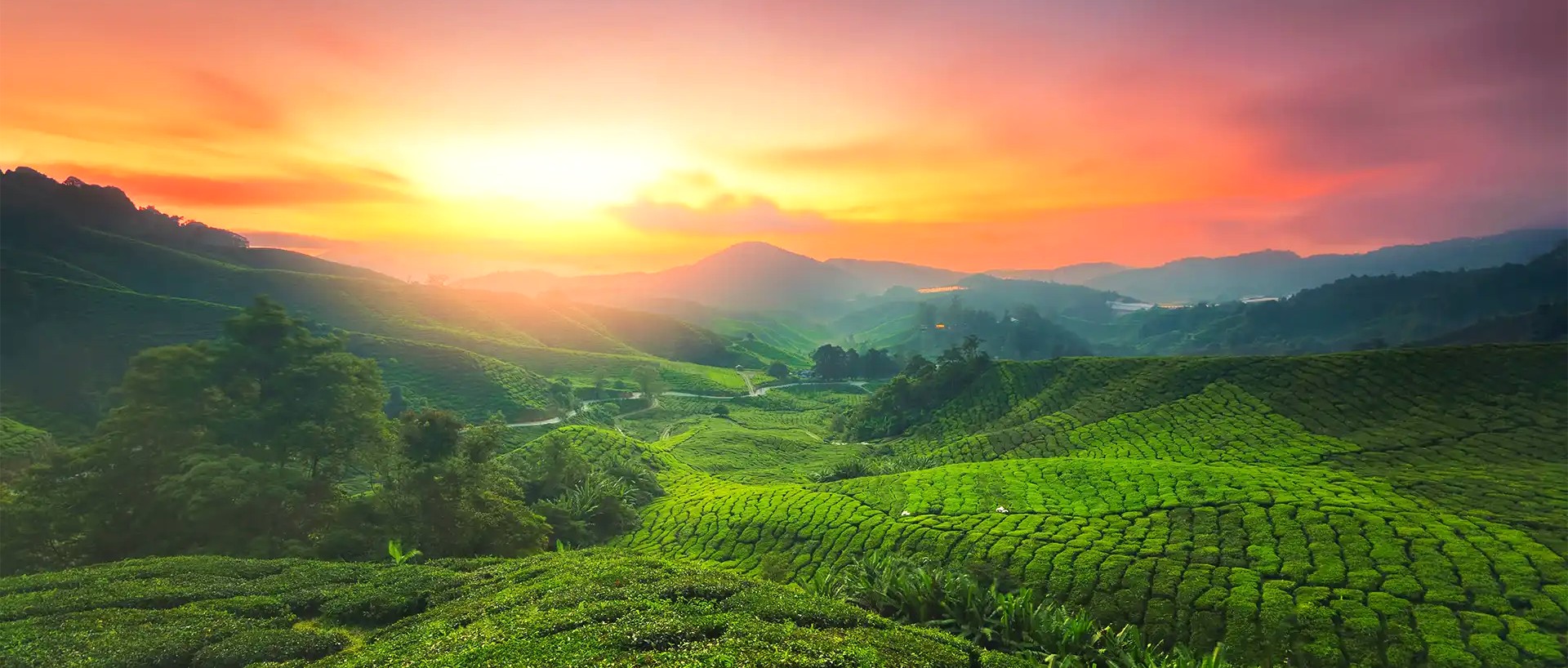
Sacred Spaces: The Tea Museum Munnar
The machinery dates back to the early 1900s when British planters first mechanized tea processing. Original roller machines, withering troughs, and sorting equipment fill exhibition halls. Photographs line walls, capturing workers from multiple generations who picked leaves at dawn. The hand-operated tea roller from 1905 stands as testament to physical labor before electric power arrived. Original correspondence between plantation managers and London trading houses documents shipments and prices. Curators have preserved employee records, pay slips, and housing documents revealing social structure of plantation life during colonial times and decades following independence in 1947.
Impeccable Craftsmanship
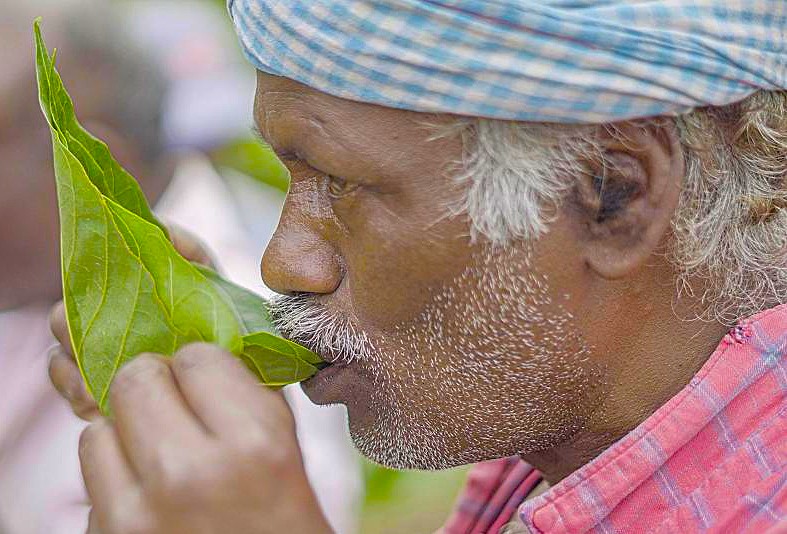
The edifice reflects the utilitarian construction style of early twentieth-century industrial buildings, with red brick walls and high ceilings designed for ventilation. Skilled craftsmen from Tamil Nadu and Kerala built original factory structures between 1908 and 1912, using locally quarried stone for foundations and teakwood for support beams. Machinery reveals refined metalwork of British engineering firms, particularly roller presses manufactured by Davidson & Company of Calcutta in 1910. Artisans carved wooden tea chests by hand, fitting joints without nails.
The Pulse of the Local Community: Religious Harmony
Daily life revolves around the six o'clock picking shift when thousands climb steep plantation roads carrying wicker baskets. Conversations center on rainfall patterns since moisture affects leaf quality and harvest timing. Families have worked these estates for four or five generations, creating a unique culture where children learn to identify tea varieties before reading. The workforce includes Tamil descendants of laborers brought from southern India in the 1800s and Malayali communities from surrounding valleys. Workers maintain small kitchen gardens beside estate housing, growing vegetables and spices between picking shifts. The community celebrates both Tamil and Malayali festivals. The Tea Museum Munnar
Capturing the Magic: A Photographic Haven
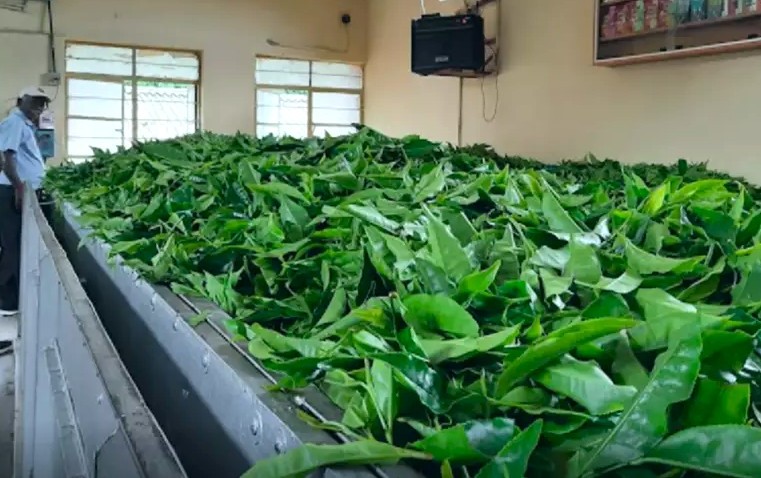
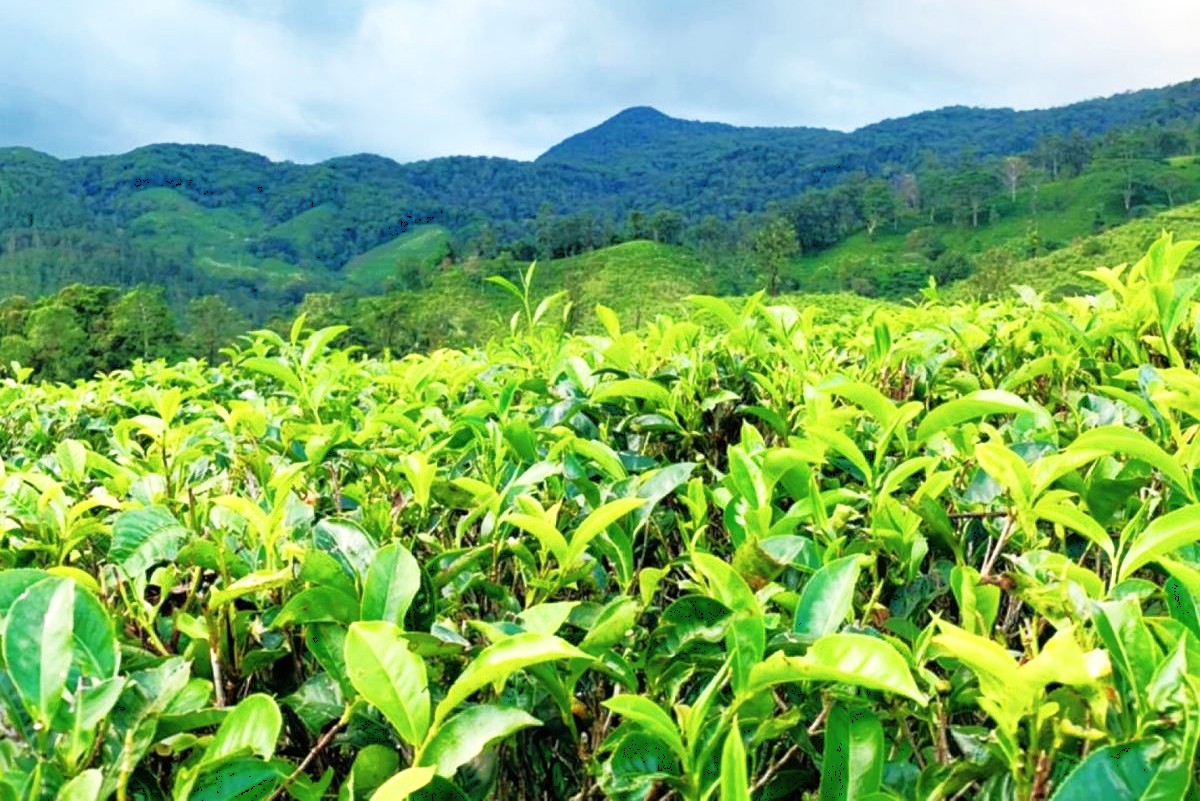
These gleaming vessels stand as centerpieces amidst a collection of vintage processing equipment, where aged patinas showcase industrial beauty. Moving outdoors, the scenery shifts to sprawling tea estates. Endless rows of vibrant green bushes carve precise geometric patterns across the rolling hillsides, punctuated by strategic shade trees essential for soil health. This landscape offers a stunning contrast between the rhythmic precision of nature and the enduring, mechanical elegance of the heritage factory. White tea: silver mist in liquid.
A Culinary Journey: Savor the Flavour
You'll taste the estate's premium white tip tea, crafted exclusively from unopened leaf buds harvested before dawn. Workers select only silvery tips, which undergo minimal oxidation, preserving delicate flavors and natural sweetness. Processing involves withering buds for twelve to fourteen hours at controlled temperatures, then drying slowly without a rolling stage used for black teas. This careful handling produces pale golden liquor with subtle floral notes and smooth finish. Tea became famous in international markets during the 1920s when European buyers discovered its quality. Each kilogram requires approximately 20,000 hand-picked buds. The Tea Museum Munnar
The Connection With the Gods

Belief holds that Mariamman watches over tea workers, protecting them from illness and ensuring good harvests. Stories describe how early plantation managers initially dismissed these practices until poor yields in 1923 convinced them to permit shrine construction. Workers maintain that Ayyanar, another deity associated with boundaries and protection, guards estate borders. Malayali employees pray to Bhagavathy for household prosperity and healthy children. Blending of Tamil and Malayali spiritual practices created unique syncretism found nowhere else in Kerala.
Ancient Technologies: Sacred Geometry & Astrology
The layout of plantation is influenced by ancient principles of sacred geometry and astrology. You will notice how the rows of tea bushes align with the sun's path, optimizing growth and cultivating high-quality leaves. The energy of the land resonates at specific frequencies that enhance the spiritual experience, encouraging visitors to connect with nature on a deeper level. As you walk through the plantation, you'll be captivated by the intricate design of the gardens and the profound relationship between the land and the organic practices maintained by the community. The Tea Museum Munnar
Resilience and Renewal: Overcoming Adversity’s Challenges
The history speaks to the resilience of its community. Established during the British colonial period in the 19th century, the plantation faced challenges from land acquisition and the imposition of large-scale production practices. Yet, the Badaga have continually adapted, reclaiming their rights and integrating sustainable practices into their tea cultivation. Through a strong commitment to preservation, they thrived amidst changing circumstances. These practices show a deep respect for their land and its future.
Urban Legends: Enigmatic Stories from the Locals

Munnar is steeped in intriguing legends that add layers to its history. One notable tale speaks of the Nilgiri Tahr, a mysterious mountain goat believed to be the reincarnated spirits of ancestral guardians. Some locals say that these elusive creatures can be seen roaming the hills, offering blessings to those deserving. Engaging with residents during our visit opens a window into these enchanting stories and the rich oral tradition that keeps the legacy of Munnar alive, instilling a sense of wonder and connection to the past.
Festivals and Special Events
Annual Pongal celebration in mid-January brings the entire estate community together as Tamil workers prepare sweet rice dishes in clay pots, letting them overflow as symbols of abundance. During Onam in August or September, Malayali families create flower carpets and prepare a traditional feast called sadhya. Workers honor Mariamman, a Tamil goddess associated with rain and harvest, at a small shrine near the factory entrance. Estate management historically recognized these observances by providing holiday time and bonus payments. Christmas celebrations blend Christian traditions with local customs, as many estate families converted during missionary activity in the late 1800s. The Tea Museum Munnar
Serendipitous Meetings: Beyond the Main Path
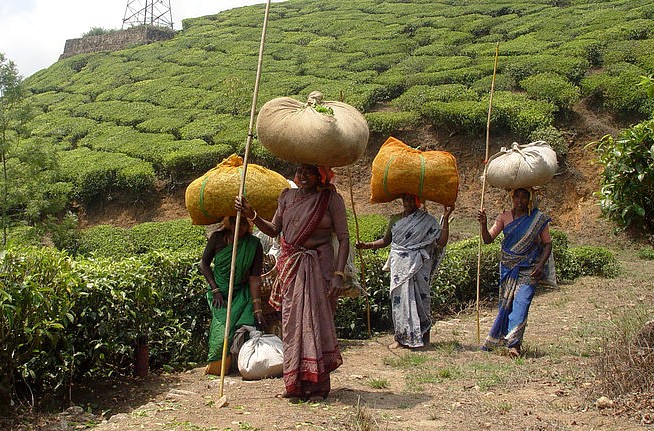
Walking through estate townships, you'll encounter small workshops where craftsmen repair wicker baskets used for leaf collection. One family runs a hand-powered grain mill, grinding rice flour for workers preferring traditional food preparation. A cooper's shop maintains wooden tea chests, steaming planks to bend them into curved shapes using techniques unchanged since 1920. Roadside vendors sell homemade snacks - banana chips fried in coconut oil or steamed rice cakes wrapped in leaves.
Prepare for Takeoff - Your Adventure is Right Here
Your experience begins with a short film documenting the transformation of these hills from wilderness to productive plantations. We then embark on a private factory tour, following leaves from arrival in collection baskets through withering, rolling, oxidation, and final drying stages. You'll watch skilled workers sort leaves by grade, their experienced hands moving with speed. White tip tasting session introduces you to the estate's premium offering, with experts explaining subtle characteristics making each batch unique. We walk directly into working fields, breathing fresh mountain air while observing pickers demonstrating their craft.
Symphony of Generosity: Offerings from Wanderers to Residents
Fees directly support preservation of historical machinery and photographic archives that might otherwise deteriorate. Employment opportunities multiply when groups require guides, demonstrators, and hospitality staff for tastings and tours. Local artisans selling handcrafted items find a marketplace, connecting skills with people appreciating traditional work. In return, you gain an authentic understanding of tea cultivation and processing, transforming daily tea drinking into informed appreciation. Knowledge workers share about leaf selection, processing timing, and quality assessment represents generations of accumulated expertise. Financial support helps maintain worker housing, schools, and medical facilities. The Tea Museum Munnar
A Note on Tea Cultivation
Cultivation and Harvesting
Tea cultivation begins with selecting the right seedlings, typically Camellia sinensis, known for its superior flavor qualities. These tender young plants are nurtured in the tea gardens, benefiting from the fertile soil and unique climatic conditions of the Nilgiri Hills. The plantation is meticulously maintained, with a focus on organic practices that enhance the health of the plants and the environment.
Once the bushes mature - usually within three to five years - they are ready for harvesting. This process, known as plucking, involves carefully hand-picking the tender top two leaves and a bud, which are crucial for high-quality tea. You will observe skilled workers who have perfected this art, moving gracefully through the fields, selecting only the best leaves. Harvesting typically occurs during the early morning hours to ensure that the leaves retain their moisture and freshness.
Withering and Rolling
After the leaves are harvested, they are transported to the factory for processing. The first step here is withering, where the leaves are spread out in a controlled environment to reduce their moisture content. This step is critical, as it softens the leaves, making them easier to handle in subsequent processes.
Next comes rolling, where the withered leaves are gently twisted and pressed to break down the cell walls, releasing essential oils and juices. This step enhances the flavor profile of the tea and is often done using rolling machines or by hand, depending on the desired quality. The leaves transform during this stage, taking on a more pronounced aroma that foreshadows the final product.
Oxidation (Fermentation)
Following the rolling process, we move on to oxidation, a pivotal stage that determines the tea's flavor and appearance. The rolled leaves are spread out again, allowing them to oxidize under specific conditions. During this time, the leaves change color from green to a rich brown, developing complex flavors.
In Dodabetta, traditional processing emphasizes controlled oxidation to achieve a delicate balance that highlights the tea’s natural attributes. Factory workers monitor the process closely, ensuring that the leaves are left to oxidize just long enough to develop the desired taste before proceeding to the next step.
Drying
After oxidation, the leaves undergo drying, where they are heated to halt the oxidation process. This is crucial for locking in the flavors developed during previous stages. The drying methods can vary; some factories use hot air dryers, while others may employ traditional methods like sun drying. The end result is a batch of dried tea leaves, ready for sorting.
Sorting and Grading
Once dried, the tea is sorted and graded based on quality. This process involves separating the leaves by size and appearance, ensuring that only the finest leaves make it to the market. Each grade has its unique flavor profile and target market, with top grades often commanding higher prices.
Packaging
Finally, the sorted tea is carefully packaged, preserving its freshness and flavor until it reaches consumers. You will often see sophisticated packaging techniques, designed to keep the tea aromatic and flavourful.
Tasting and Sampling
As we conclude our journey through the Dodabetta tea factory, we can participate in tasting sessions where we experience the final product. By sampling different varieties, we gain insight into the diverse flavors influenced by the cultivation and processing methods. Each sip embodies the meticulous care and dedication that has shaped Dodabetta's tea heritage.
Step Inside The Story - View All Tour Itineraries & Details

We’re here to offer genuine, thoughtful guidance if your interested in travelling to India. As a small, dedicated team, we pay close attention to every detail so you can focus on enjoying the experience while we take care of the planning. We believe the best trips begin when someone truly listens to what you want and how you like to travel, so the journey feels right for you and contributes to a happy, positive group on tour. Our communication stays clear, straightforward, and respectful at every step, with the goal of helping you feel understood, supported, and confident from first contact to the end of your journey.
Click Catherine Frith - About The Founder
Click Discover Life Travel - All Tours and More
Click Why We Are Different - Unique, Safe, Transparent