A Unique Look Into Indian History
Rajput Dynasty: India
Discover Life Travel
A Lineage Forged from Fire
The origin of the Rajputs is a tapestry of historical fact and heroic legend. Following the collapse of the Gupta Dynasty and the invasions of the Hunas, a new class of warriors rose to fill the power vacuum in western and central India. The most famous origin story is that of the "Agnikula" (Fire Clan). It tells of a great yajna (fire sacrifice) performed by the sage Vashistha at Mount Abu. From this sacred fire emerged four heroes, the progenitors of the four great Rajput clans: the Pratiharas, the Chauhans, the Solankis, and the Paramaras. This legend of the Agnikula origin of the Rajputs provided a divine sanction for their role as the new Kshatriyas, the protectors of Hindu Dharma. Rajput Dynasty India
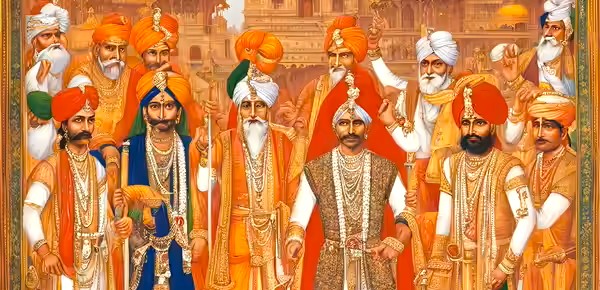
Rajput Dynasty - India: The Rise of the Fortress Kingdoms
The Rajputs were not a single dynasty but a confederation of dozens of warring clans, each with its own lineage and kingdom. From the 8th century onwards, they established powerful kingdoms across North and West India. The Pratiharas of Kannauj, the Chauhans of Ajmer, the Tomars of Delhi, the Solankis of Gujarat, and the Guhilots of Mewar were among the most prominent. The establishment of independent Rajput kingdoms in medieval India created a volatile but chivalrous political landscape, defined by clan loyalty, incessant warfare, and the construction of magnificent, nigh-impregnable hill forts.
A Life of Honor, War, and Court
A day in the life of a Rajput king was governed by a strict code of honor. Mornings were for worship and holding court, where bards would sing tales of ancestral glory. The bulk of the day was dedicated to war - planning campaigns, inspecting the army, and training in the arts of combat. Rajput society was feudal, and the king was the head of a complex web of vassal lords ("thakurs" or "samants") who owed him military service. The feudal structure and warrior ethos of Rajput society made every king a soldier first and an administrator second. Rajput Dynasty India
A Society Born for Battle
For the common person living under Rajput rule, life was lived in the shadow of the fortress and the sword. The society was martial to its core. While farmers and artisans formed the economic base, the highest social value was placed on the warrior. Every able-bodied Rajput male was a soldier, bound by loyalty to his clan chief. This created a highly militarized society where honor was valued above life itself. The centrality of clan loyalty and the warrior code in Rajput culture was its defining and most enduring characteristic.
A Cuisine for the Desert Camp
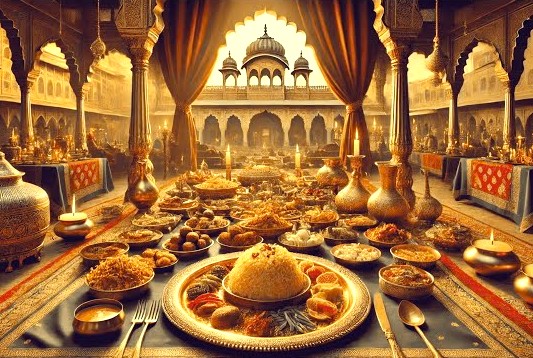
Rajput cuisine is a product of its arid environment and martial lifestyle. It is robust, flavorful, and often uses ingredients that can last for long periods without refrigeration. Dishes like "Laal Maas" (a fiery meat curry) and "Safed Maas" (a delicate white meat curry) reflect a love for game meats. Lentil dishes like "Dal-Baati-Churma" are iconic, providing a high-energy meal for soldiers. The influence of the arid landscape and martial lifestyle on Rajput cuisine created a unique and hearty gastronomy, designed for sustenance and celebration in a warrior's world.
The Unwritten Law of the Sword
Justice in the Rajput kingdoms was less about written codes and more about upholding a strict code of personal and clan honor. While Brahmin priests advised on matters of Dharma, the king's word, backed by his sword, was the ultimate law. Feuds between clans were common and were often settled on the battlefield. Betrayal was the ultimate crime, and loyalty was the supreme virtue. The Rajput code of honor ("maryada") as the basis for justice created a system where personal valor and reputation were as important as any legal principle. Rajput Dynasty India
A Pantheon for the Warrior Caste
The Rajputs were fervent champions of Hinduism, seeing themselves as its primary defenders against the wave of Islamic invasions from the northwest. They were devout worshippers of Shiva and Vishnu, but many clans also had their own specific patron deities ("Kuldevis"), fierce goddesses who were believed to protect the lineage. The Rajput self-identity as protectors of Hindu Dharma was the central pillar of their rule, providing the ideological motivation for their centuries of resistance against foreign invaders.
The Worship of Weapons and the Veneration of Women
Festivals were dramatic expressions of their core values. Dasara was the most important martial festival, a time to worship weapons ("Shastra Puja") and prepare for the new season of warfare. In stark contrast, Gangaur was a festival dominated by women, who worshipped the goddess Gauri for marital bliss and the well-being of their husbands. The dual celebration of martial and domestic festivals like Dasara and Gangaur perfectly encapsulated the two poles of Rajput life: the warrior's duty and the sanctity of the family.
A Bard's Song, A Hero's Immortality
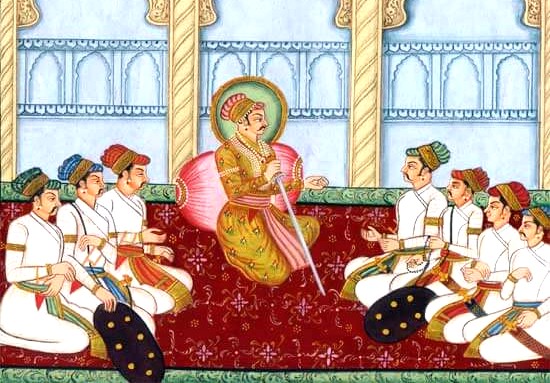
In the grand halls of Rajput forts, the most revered figures were the "Charans" and "Bhats" - the hereditary bards and genealogists. They were the custodians of the clan's history and honor. Their powerful, booming recitations of epic poems, celebrating the heroic deeds and glorious sacrifices of ancestors, were the highest form of entertainment. The role of bards in preserving the oral history of Rajput clans was critical; they were the historians, motivators, and moral compass of the court, ensuring that the legacy of heroism was never forgotten. Rajput Dynasty India
The Last Stand at the Fortress Gate
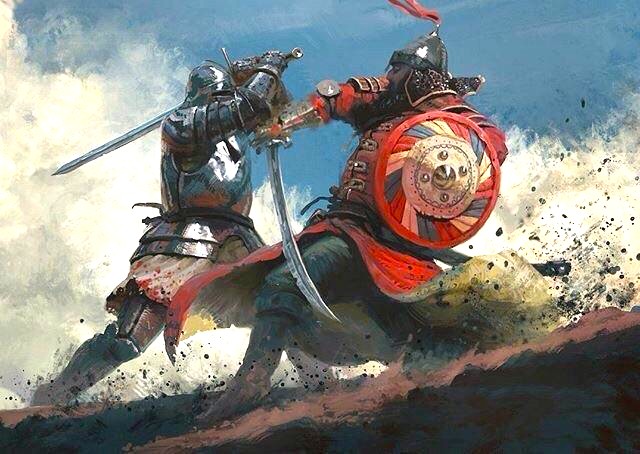
The defining military legacy of the Rajputs is one of defiant, heroic resistance, often culminating in a tragic last stand. When faced with certain defeat against overwhelming odds, they practiced a grim ritual. The women would commit "Jauhar," mass self-immolation to protect their honor. The men would then don saffron robes, throw open the fort gates, and perform "Saka," charging out to fight to the last man. The Rajput practice of Jauhar and Saka was the ultimate expression of their code of honor, a belief that death was preferable to surrender and dishonor.
Palaces That Seem to Grow from Mountains
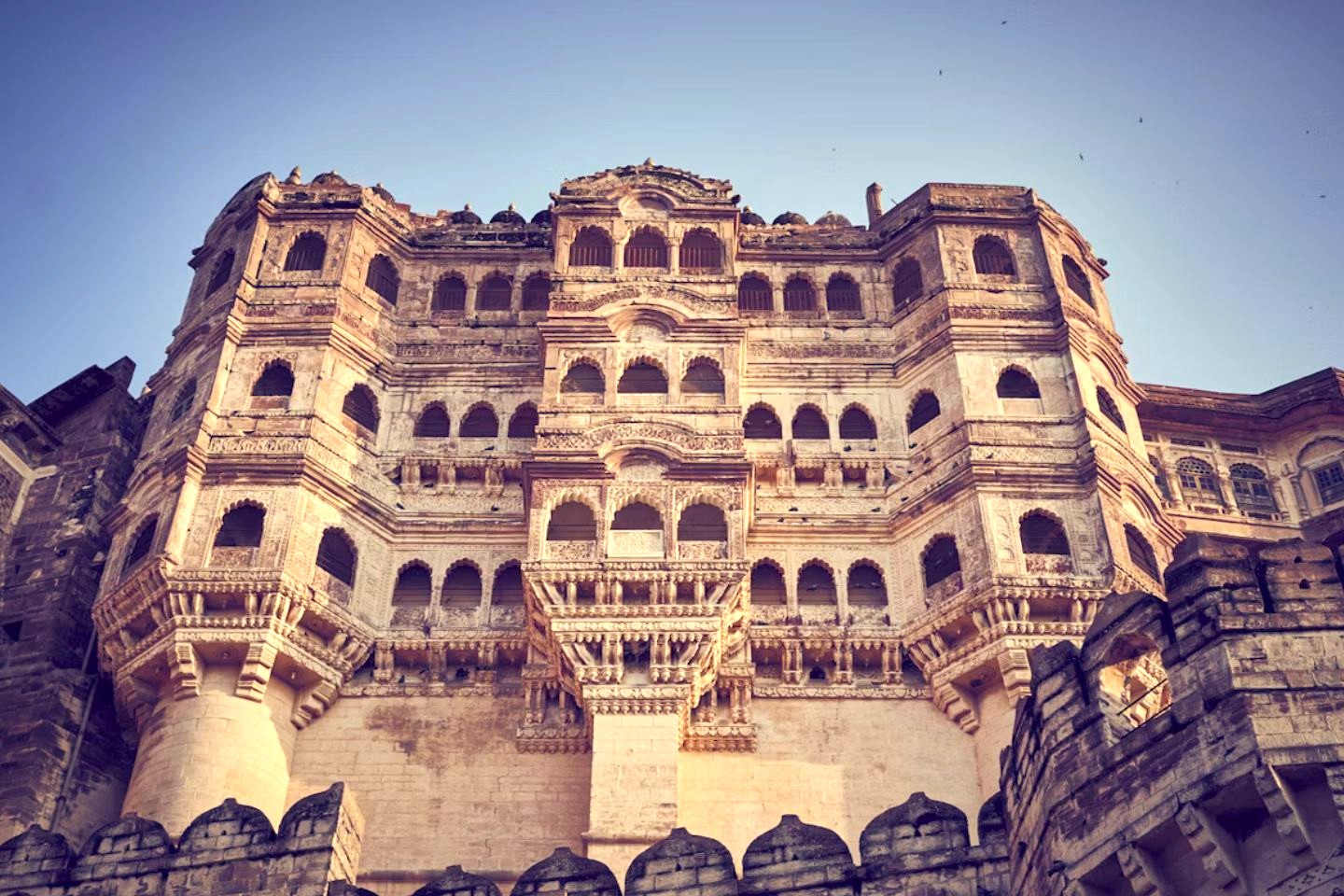
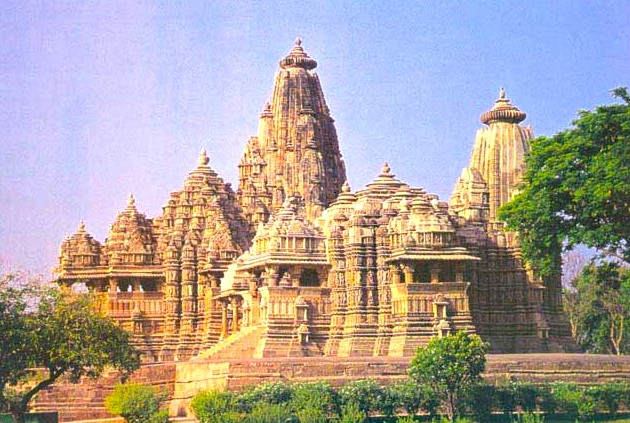
Rajput architecture is an architecture of power and romance. Their greatest achievements are their magnificent forts - like Chittorgarh, Mehrangarh, and Jaisalmer - which seem to rise organically from the hilltops they command. Within these rugged fortifications are delicate palaces, with intricate carvings, "jharokhas" (balconies), and mirror-work. The fusion of martial strength and delicate beauty in Rajput fort-palace architecture is their unique contribution to world heritage, a style that is both intimidating and breathtakingly beautiful. Rajput Dynasty India
A Portrait of Pride and Honor
The Rajputs were also great patrons of art, particularly miniature painting. Different Rajput kingdoms developed their own unique schools of painting, such as the Mewar, Marwar, and Kishangarh schools. These paintings are celebrated for their vibrant colors, lyrical lines, and romantic themes, often depicting scenes from the life of Krishna, royal portraits, and courtly life. The development of distinct schools of Rajput miniature painting created a rich and diverse artistic tradition that is one of the glories of Indian art.
A Canopy of Stone for a Fallen King
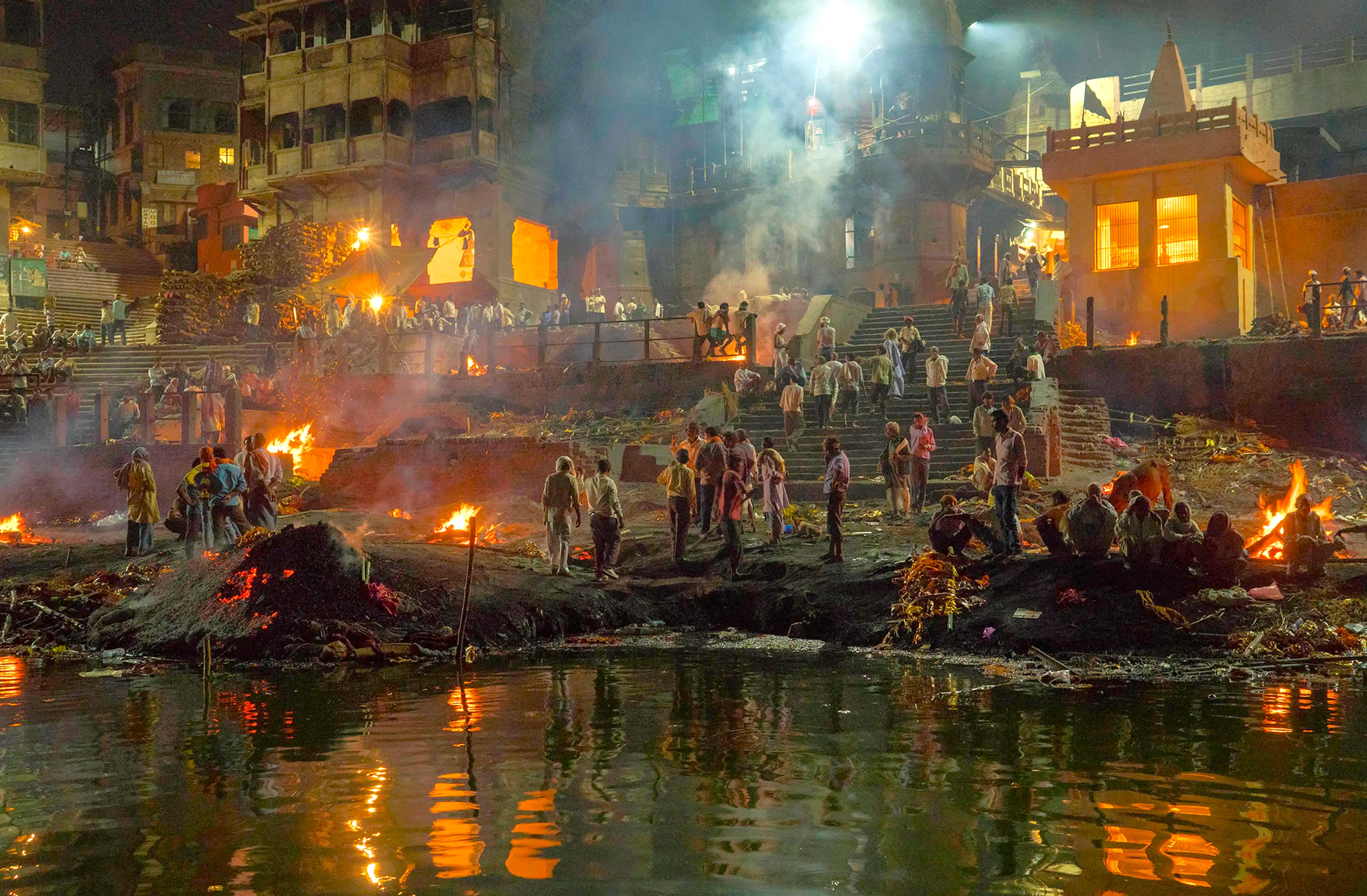
The funeral rites of a Rajput king were grand affairs. The monarch was cremated with full Vedic honors, his pyre often lit by his successor. To commemorate him, an ornate "chhatri" (a dome-shaped cenotaph) was built at the royal cremation ground. These beautiful pavilions, often clustered together, create a serene and poignant landscape. The construction of royal cenotaphs ("chhatris") as Rajput memorials was a unique architectural tradition, a graceful and permanent tribute to the departed rulers of the clan.
A Palace Floating on a Lake
The Rajputs' architectural genius extended to creating dream-like structures that seemed to defy their harsh environment. The Jal Mahal in Jaipur, a palace seemingly floating in the middle of Man Sagar Lake, and the Lake Palace in Udaipur are iconic examples. These were not just pleasure palaces but also demonstrations of sophisticated engineering and a highly romantic aesthetic sensibility. The creation of water palaces by Rajput rulers reveal their ability to blend architecture with the natural landscape to create scenes of ethereal beauty. Rajput Dynasty India
From Kings to Princely States
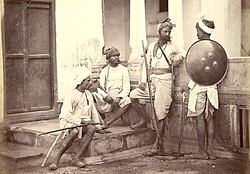
With the decline of the Mughal Empire and the rise of British power, the Rajput kingdoms entered a new phase. Threatened by Maratha raids, one by one they signed treaties of subsidiary alliance with the British. This preserved their thrones and their internal autonomy but ended their sovereignty. The transition of the Rajput kingdoms into princely states under the British Raj marked the final chapter of their independent rule, their ancient warrior traditions now existing within the framework of a new, colonial empire.
Step Inside The Story - View All Tour Itineraries & Details

We’re here to offer genuine, thoughtful guidance if your interested in travelling to India. As a small, dedicated team, we pay close attention to every detail so you can focus on enjoying the experience while we take care of the planning. We believe the best trips begin when someone truly listens to what you want and how you like to travel, so the journey feels right for you and contributes to a happy, positive group on tour. Our communication stays clear, straightforward, and respectful at every step, with the goal of helping you feel understood, supported, and confident from first contact to the end of your journey.
Click Catherine Frith - About The Founder
Click Discover Life Travel - All Tours and More
Click Why We Are Different - Unique, Safe, Transparent