A Unique Look Into Indian History
Chauhan Dynasty: Ajmer, Rajasthan
Discover Life Travel
Life Before Rule In Ajmer Region
Long before the Chauhan Dynasty rose, the salt-lake plains around Sambhar and the Aravalli foothills were ruled by scattered clans and shrine-towns. Archaeologists uncover terracotta figurines, iron spearheads, querns and beads aligned with early Rajasthan tribal settlements around Sambhar Lake and medieval Rajputana trade routes linking Delhi, Gujarat and Malwa. Proto-Nagari inscriptions mention small rajas, cattle levies and temple grants. Oral epics recall the Deora and Chahaman branches guarding passes and salt pans. This pre-dynastic Rajput clan landscape in northwestern India laid the economic and sacred grid that Chauhan rulers would later dominate. Chauhan Dynasty Ajmer Rajasthan
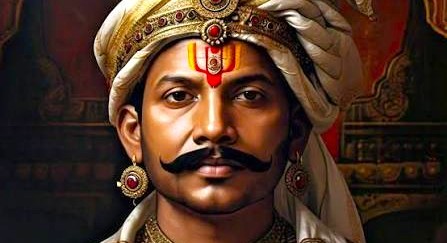
Chauhan Dynasty: Ajmer Rajasthan - Vigraharaja Claims Ajmer Hill-Fort
The origin story of the Chauhan Dynasty crystallizes around Vigraharaja, a Chahamana prince who repelled rival sieges and asserted independence in the 10th century. After his father’s assassination and overlord betrayal, he rallied loyal thakurs and temple allies to hold Ajmer’s Taragarh fort. Chronicles frame this as a Rajput hill-fort consolidation event in early medieval north India, when Vigraharaja asserted sovereign rights over salt lakes, caravan routes and shrine-towns. His successors gradually extended control from Sambhar Lake to Harshnath and beyond, turning a vulnerable frontier stronghold into the nucleus of a powerful Chauhan realm.
Daily Life In The Chauhan Palace
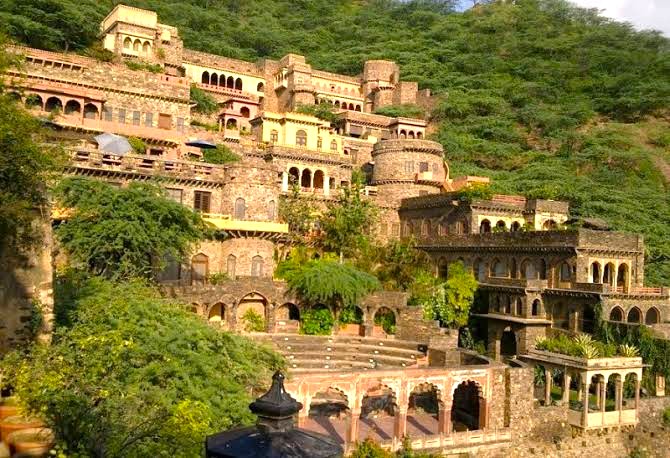
Routine within the royal court followed established patterns of medieval Rajput palace etiquette and martial governance. At dawn, the ruler bathed, received tilak, and made offerings in sun and Shiva shrines before war drums signaled council. Queens supervised storerooms, jewels, priestly stipends and festival kitchens, expressing Rajput royal women’s economic and religious authority in Rajasthan. Princes trained with sword, spear, bow and horse while studying epics, politics and law; princesses learned music, embroidery, land accounts and alliance diplomacy. Every hunt, feast and audience functioned as practical education in rule, honor and public image. Chauhan Dynasty Ajmer Rajasthan
Village Society On Rajputana Plains
Beyond Ajmer’s walls, villagers lived rhythms characteristic of Chauhan-era rural Rajasthan agrarian and pastoral society. Farmers ploughed semi-arid soils for millets, barley, pulses and sesame, dependent on monsoon and tank. Women hauled water from wells and baolis, spun cotton, and traded in weekly haats. Shepherds grazed sheep and camels, moving with the seasons. Artisans - smiths, potters, weavers, leatherworkers - anchored traditional Rajasthani village craft economies under Rajput rule. Panchayats arbitrated grazing rights, canal use and marriage issues, exemplifying local self-governance and customary law traditions in medieval Rajputana that persisted beneath the larger Chauhan political umbrella.
Royal Kitchens, Hunt Meat And Feasts
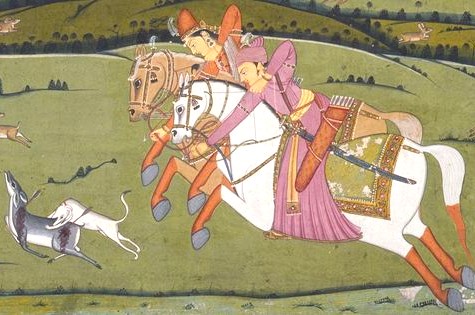
Ajmer’s fort kitchens showcased medieval Rajasthani royal cuisine and mass-feeding customs under the Chauhans. Before sunrise, cooks lit great hearths under iron cauldrons, boiling rice, millets and lentils for soldiers, priests and guests. Hunters delivered deer, boar and game birds from Aravalli forests; herders provided ghee, yogurt and milk; gardens and markets supplied vegetables, herbs and spices. During major festivals and victory celebrations, food flowed to temple courtyards and public spaces as Chauhan charity feasts and temple-based anna-dana in Rajasthan. These banquets were not only hospitality but strategic theatre, reinforcing reputation for kshatriya generosity and dharmic kingship.
Laws, Honor And Public Punishments
Law in Chauhan-ruled Rajputana territories combined dharmashastra principles, clan honor codes and village practice, forming hybrid legal systems in medieval Rajasthan Rajput states. Land-grabbers could lose holdings and work on tank, well or road projects. Water theft from canals or johads invited fines and forced repair duty. Market cheats risked public shaming, broken measures and temporary expulsion, consistent with historic north Indian bazaar regulations and honor-based sanction practices. Bandits attacking caravans or travelers might face mutilation or execution at city gates. Yet panchayats and bardic pleas sometimes mitigated punishment, showing negotiation between royal justice and community sentiment. Chauhan Dynasty Ajmer Rajasthan
Temples, Kuldevis And Sacred Hills
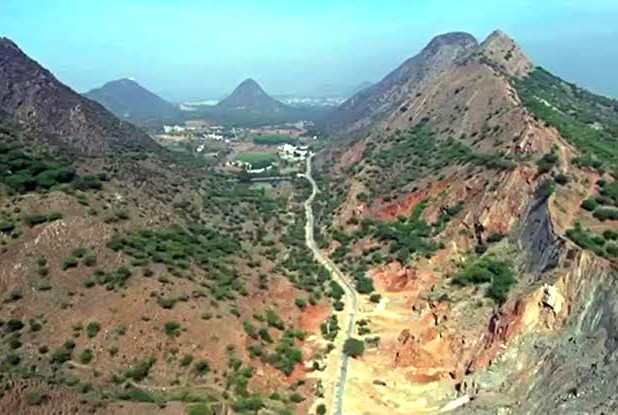
Religious life in Chauhan domains revolved around hilltop temples, lakeside shrines and clan goddess cults, key to Rajasthan Shaivite and Shakta worship under Rajput dynasties. Ajmer’s hill-forts overlooked temples to Shiva, Surya and local kuldevis, where priests performed daily pujas and seasonal yajnas. Families venerated lineage goddesses and hero-stones, while village shrines maintained folk deity worship and animist survivals in medieval Rajputana. Pilgrimage centers like Pushkar linked regional sacred geographies. Chauhan kings endowed temples, tanks and mathas, using religious patronage and festival sponsorship as pillars of legitimacy and clan integration across a varied, often restless landscape.
Festivals, Rath Yatras And Fairs
Festival seasons turned Ajmer - Sambhar into vibrant showcases of Rajasthan temple processions, cattle fairs and seasonal religious melas. Deities rode in rath yatras along decorated streets; drums, shehnai and conches filled the air. Herdsmen brought ornamented cattle and camels to markets; traders set up stalls of cloth, grain, metalwork and toys, representing medieval north Indian religious fairs intertwined with trade and entertainment. Harvest rituals, Navaratri, solar festivals and kuldevi days united clans and classes in shared worship and feasting. These events functioned as public reaffirmations of Chauhan power and Rajput identity through ritual spectacle. Chauhan Dynasty Ajmer Rajasthan
Durbars, Poets And Courtly Arts
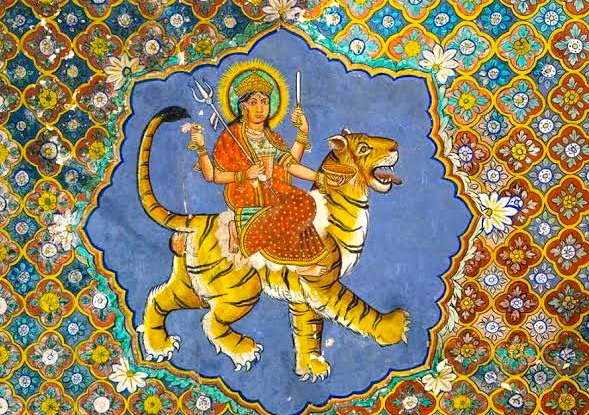
Chauhan dārbar culture blended governance with artistic performances, typical of Rajput courtly life and literary patronage in medieval Rajasthan. Mornings addressed petitions, military news and land disputes, with scribes, nobles and priests presenting counsel. Afternoons unfolded with charans and bhats reciting heroic ballads, Sanskrit poets composing prashastis, and dancers performing epic episodes to drum and string, key to Rajasthan bardic traditions and royal praise poetry for Chauhan rulers. Musicians and storytellers shaped popular memory; which voices were rewarded sent signals. The court thus became a stage where power, reputation and aesthetics constantly interacted.
Battles, Raids And Rajput Valor
Military history of this line underpins Rajput resistance narratives and frontier warfare in medieval north India. Chauhan armies defended passes, caravan routes and frontier towns against neighboring Rajput houses and Delhi Sultanate pushes. Battles like those around Nagaur, Hansi and eventually Tarain saw armored cavalry, elephants, archers and infantry deployed in evolving north Indian battlefield tactics under Chauhan and Ghurid conflict. Heroic last stands, including those of Prithviraj Chauhan, became central to Rajasthani oral epics celebrating Rajput valor and tragic defeat. Even after territorial losses, surviving branches and vassals carried the martial ethos into later centuries.
Marriage Alliances And Rajput Women’s Power
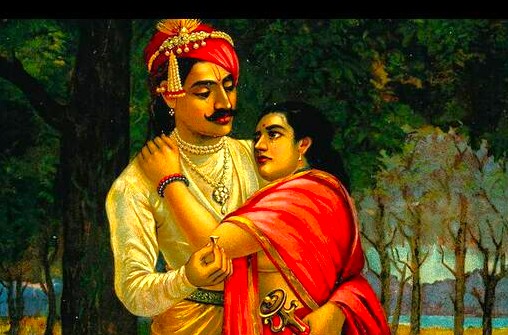
Chauhan marital politics illustrate Rajput matrimonial alliances and clan diplomacy in medieval Rajasthan. Princesses of Ajmer and Sambhar married into major Rajput houses, reinforcing kinship bonds and stabilizing frontiers; incoming brides linked Chauhans to powerful allies. Queens endowed temples, tanks and feeding houses, evidenced in inscriptions documenting royal women’s land grants and religious patronage in Rajput dynasties. Within zenanas, senior women influenced succession decisions and factional balances through counsel, gifts and ritual roles. In villages, Rajput and non-Rajput women worked fields, managed households and maintained rituals, forming the unrecorded backbone of gendered labor and spiritual life in Rajputana. Chauhan Dynasty Ajmer Rajasthan
Magic, Crafts And Epic Recitations
Cultural life under this line drew on Rajasthan court magicians, temple artisans and heroic epic traditions. Illusionists performed rope tricks, fire handling and sleights that amazed nobles. Sculptors and painters adorned temples and palaces with deities, dancers, warriors and everyday scenes, visible in medieval Rajasthani temple art and mural traditions linked to Rajput courts. Charans, bhats and poets preserved lineages and exploits in sung epics, some of which survive in later Prithviraj Raso strands. Through stipends, land grants and ritual honors, Chauhan rulers used royal patronage of bards and craftsmen to project their legacy across time and space.
Funeral Pyres And Warrior Memorials
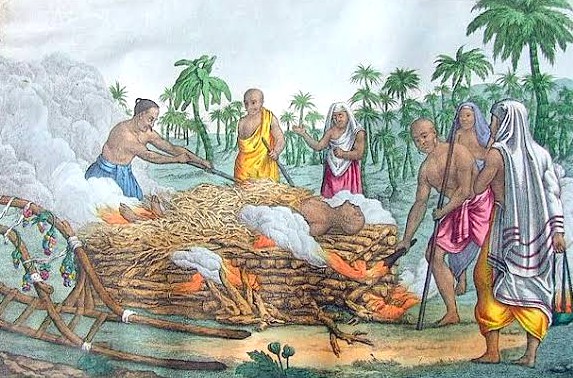
Funerary customs during Chauhan rule combine Rajasthan cremation rites and viragallu hero-stone memorial culture. Most Rajputs and commoners were cremated at river- or lake-side ghats, ashes scattered or buried near sacred trees, consistent with Hindu cremation and ancestor veneration in medieval north India. Heroic warriors often received memorial stones carved with mounted figures, weapons raised, placed at battlefields or crossroads. These vir gallu and paliyas served as hero stones commemorating Rajput warriors in Rajasthan’s martial landscape. Such monuments, alongside cenotaphs and royal chhatris, sustained family honor and communal memory long after bodies returned to ash.
Vaidyas, Folk Healers And Holy Tanks
Health practices in Chauhan regions relied on Ayurvedic medicine, folk healing and water-ritual therapy in medieval Rajasthan. Court vaidyas diagnosed by pulse, tongue and symptom, prescribing herbal decoctions from neem, ashwagandha, amla and desert herbs. Bonesetters, midwives and barber-surgeons offered practical treatments. Villagers sought charms, mantras and amulets from ojhas and bhopas, while bathing in sacred tanks and performing vows at temples for cures, reflecting traditional north Indian village healing and pilgrimage-based health rituals. During epidemics, rulers sometimes ordered tank cleansings, quarantines and goddess propitiation, showing an intertwined approach to public health and ritual appeasement. Chauhan Dynasty Ajmer Rajasthan
Lakes, Stepwells And Canal Systems
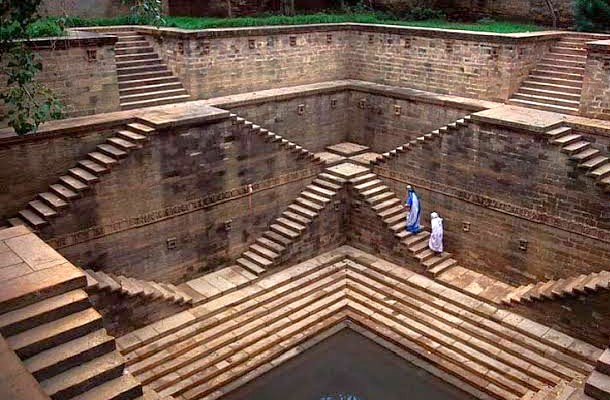
Water structures under Chauhan patronage form a key part of Rajasthan stepwell, tank and canal engineering history. Embankments expanded Sambhar and other lakes; johads and village tanks stored monsoon rain; elaborately carved baoris and baolis provided deep, cool access to groundwater. Small canals and diversion channels irrigated fields, managed via community water-sharing institutions and customary water rights in medieval Rajputana. Inscriptions praise rulers for digging wells, desilting tanks and supporting maintenance. These works were vital for agricultural stability, drought mitigation and political legitimacy in a semi-arid environment where control of water was control of survival.
Succession, Fragmentation And Enduring Legacy
Over time, defeats at Tarain, internal rivalries and pressure from stronger sultanates fragmented Chauhan power, echoing dynastic decline and persistence patterns among Rajput houses in north India. Some branches lost core territories but survived as feudatories in different regions; others re-emerged in smaller forts and thikanas. Despite political losses, the legacy of the Chauhan Dynasty in Rajasthani identity, oral epics and place memory remained strong. Ballads, genealogies, temples and forts tied to Chauhan names kept their story alive, demonstrating how Rajput dynasties could fall militarily yet endure culturally for centuries.
Step Inside The Story - View All Tour Itineraries & Details

We’re here to offer genuine, thoughtful guidance if your interested in travelling to India. As a small, dedicated team, we pay close attention to every detail so you can focus on enjoying the experience while we take care of the planning. We believe the best trips begin when someone truly listens to what you want and how you like to travel, so the journey feels right for you and contributes to a happy, positive group on tour. Our communication stays clear, straightforward, and respectful at every step, with the goal of helping you feel understood, supported, and confident from first contact to the end of your journey.
Click Catherine Frith - About The Founder
Click Discover Life Travel - All tours and more
Click Why We Are Different - Unique, Safe, Transparent