
Spirit Of South India Tour
Neriamangalam Bridge Kerala India
Mother Masala Tours
The Auspicious Arch: A Century of Strength
Located in Ernakulam district of Kerala, positioned where the Periyar River carves through dense forest, this name derives from "neri" (path) through "mangalam" (auspicious place). Construction began in 1928 under Sethu Lakshmi Bayi, regent of the Kingdom of Travancore, and opened in 1935 by Maharaja Chithira Thirunal Bala Rama Varma. It was the first Class A arch bridge in Asia. Given a lifespan of 50 years, this edifice still stands strong at nearly 97 years old. The surrounding population today numbers approximately 15,000. Neriamangalam Bridge Kerala India
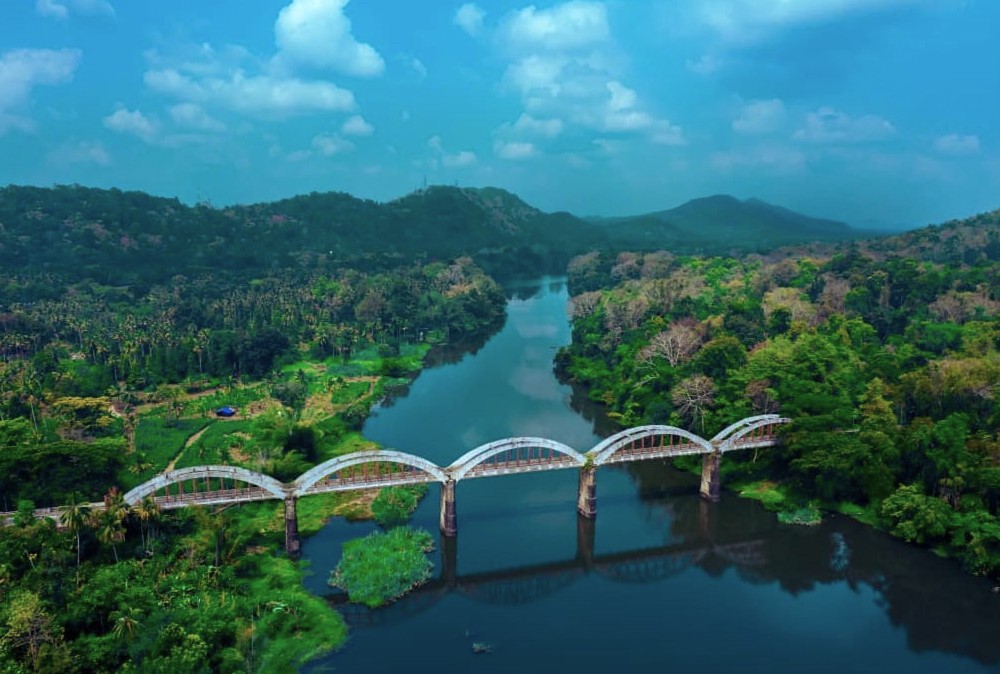
Timeless Artifacts: Neriamangalam Bridge Kerala India
The structure itself is the artifact - a single-span reinforced concrete arch stretching across the Periyar River, an engineering achievement when most Indian bridges relied on basic beam construction. The surrounding landscape holds sacred groves called "kavus," preserved by local families for centuries as spaces dedicated to serpent deities. Small shrines positioned along the riverbank predate the bridge by hundreds of years, their stone foundations worn smooth by monsoon floods.
Ancient Mosaics: Impeccable Craftsmanship
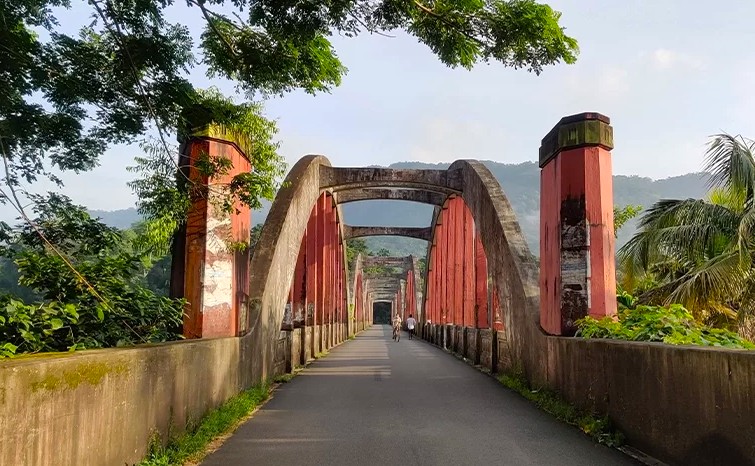
Joseph Grubb supervised construction between 1928 and 1935, employing local labourers who carried materials through dense forest with no road access. Workers mixed concrete by hand using locally quarried granite aggregate and Periyar river sand. The elegant railing ironwork was forged by blacksmiths from Kothamangalam. Each element reflects delicate precision from craftsmen working with limited tools - an extraordinary skill across seven years. Neriamangalam Bridge Kerala India
The Pulse of the Local Community
Daily life revolves around the river, the forest, and the road this bridge carries between the lowlands and Munnar's high ranges. Farmers cultivate rubber, pepper, and cardamom on hillside plots, heading out before dawn. Fishermen cast nets into the Periyar from rocky banks below at first light. Tea estate workers cross each morning, their day starting at 6 AM. Small tea shops open early, occupied with drivers heading uphill. The mood is relaxed — people here live by the river's rhythm, not a clock. The atmosphere stays unhurried and peaceful throughout the day. Neriamangalam Bridge Kerala India
Capturing the Magic: A Photographic Haven
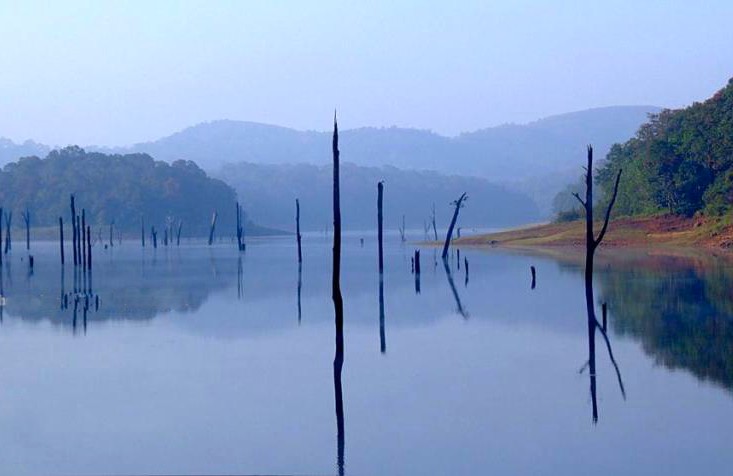
The single arch reflected in the Periyar’s green water creates a stunning, classic composition. This is especially true at dawn when mist rises from the deep river gorge. Wild elephants occasionally appear along the forested banks, framing the edifice beautifully for your camera. Your best shots come from the riverside rocks below. You will find that every angle highlights the strength of this historic bridge. The natural light dancing on the water ensures a vibrant image. It is a perfect spot to capture nature meeting history.
A Culinary Journey: Savor the Flavour
The local specialty is "karimeen pollichathu" - pearl spot fish marinated in red chilli, turmeric, pepper, garlic, and shallots, wrapped in banana leaf, and slow-cooked over charcoal. The leaf imparts a subtle smoky sweetness while sealing moisture. Fishermen pull karimeen from the Periyar nearby, and roadside eateries prepare it fresh. Equally important is "kappa vevichathu" - tapioca boiled, mashed, and tempered with coconut, curry leaves, mustard seeds, and dried red chillies. This is the staple meal of rubber tappers and estate labourers, simple and filling. Neriamangalam Bridge Kerala India
The Connection With the Gods
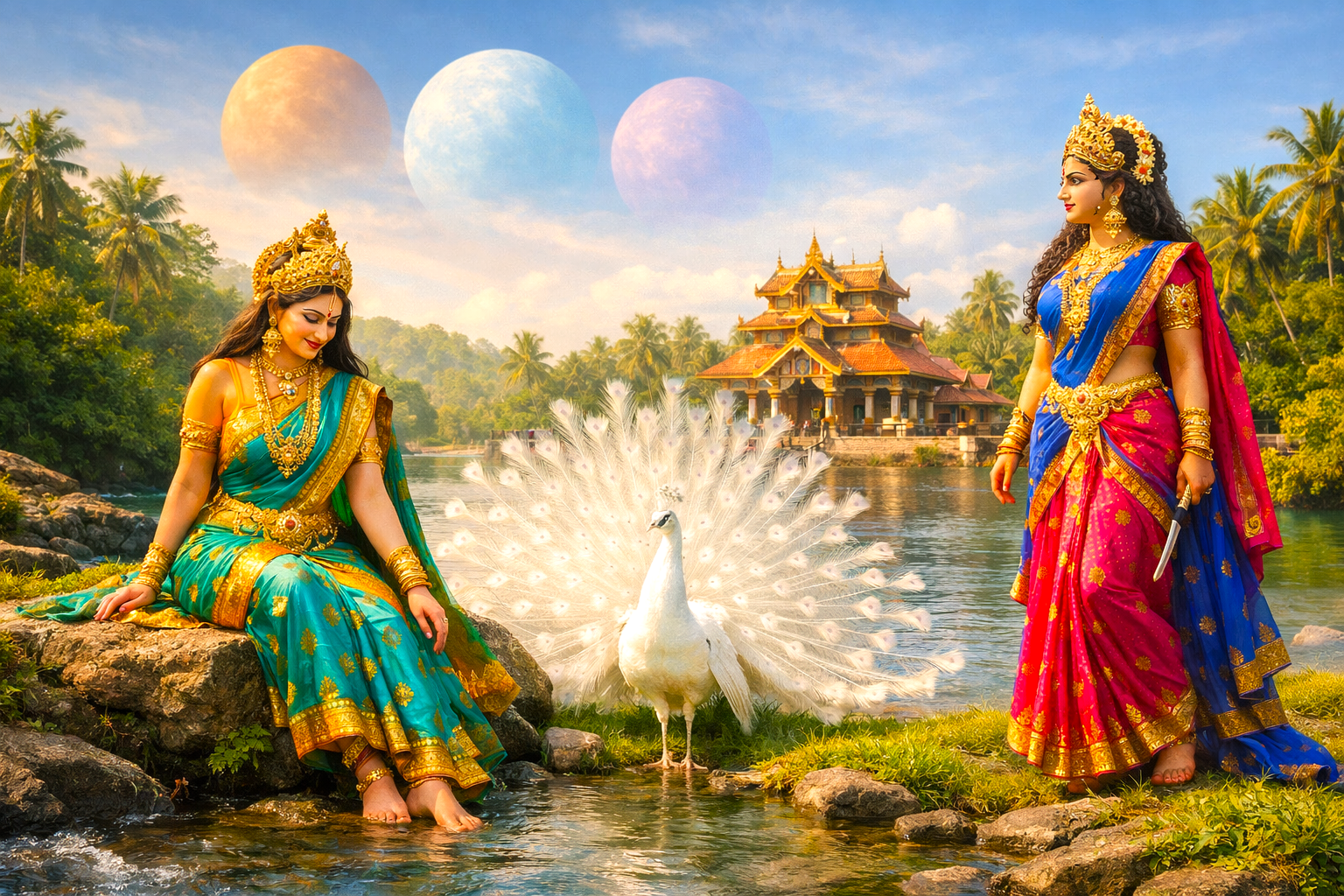
The Periyar River is sacred - "Periya" meaning great, associated with Mahadeva (Shiva). Local belief holds that the river goddess "Periyar Amma" protects those crossing with pure intentions. The Bhagavathy Temple is dedicated to Bhadrakali, the fierce form of Parvati, who according to tradition stood guard at this crossing to protect travellers from forest dangers. Fishermen offer prayers to "Matsya" - the fish avatar of Vishnu - before casting nets. The mystical energy at the gorge beneath the bridge is something locals attribute to these divine presences.
Festivals of Devotion: Honouring the Sacred and the Divine
The Neriamangalam St. Mary's Church holds its annual feast on September 8th, celebrating the Nativity of Mary. Processions carry her statue through village streets accompanied by traditional "chenda melam" drum ensembles. The nearby Bhagavathy Temple conducts its annual festival in March, dedicated to goddess Bhadrakali, with ritual performances and firewalking ceremonies spanning three days. Local Adivasi communities perform harvest rituals along the riverbanks during Chingam (August–September), offering rice and flowers to the Periyar.
Serendipitous Meetings: Beyond the Main Path
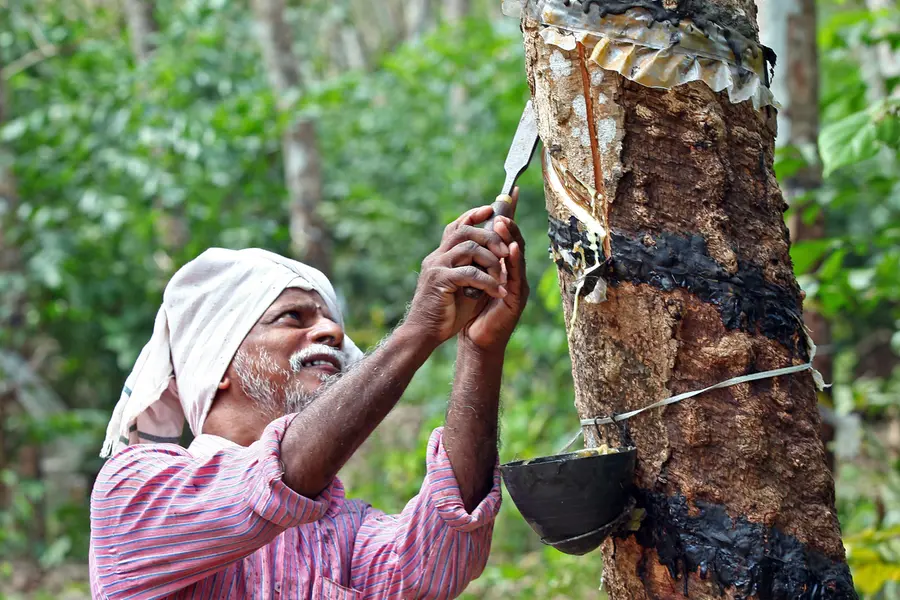
Walking into the village, you come across small rubber-processing sheds where pale latex sheets hang drying on wooden frames. Women sort cardamom pods by hand on woven mats - the air thick with warm, spicy fragrance. A blacksmith tucked away down a lane forges agricultural tools using a charcoal bellows, the same method his family has practised for generations. Tiny shops sell fresh jackfruit, wild honey, and hand-rolled beeswax candles. Along the riverbank, fishermen repair nets by hand, knotting nylon thread with practised fingers. Neriamangalam Bridge Kerala India
Resilience and Renewal: Overcoming Adversity's Challenges
In July 1924, the Great Flood of 99 devastated the Periyar basin. Landslides swept through, destroying homes and drowning farmland. Over 1,000 people perished across the region. The community rebuilt from nothing, and the bridge was conceived partly as a response - connecting isolated communities to escape routes. In August 2018, Kerala suffered its worst flooding in a century. The Periyar rose dramatically, submerging the roadway for the first time. Water reached the railing tops. Yet the 83-year-old structure held firm. Locals evacuated by boat, and within weeks life resumed - quiet, determined strength on full display.
Urban Legends: Strange Sightings, Myths and Mysteries

Locals speak of a spectral woman in white walking the bridge on moonless nights - believed to be a young woman who drowned during the 1924 flood, her body never recovered. Fishermen tell of an enormous catfish surfacing beneath the arch once yearly during monsoon peak - called "Periyar Amma's guardian." Elders insist that during 1930s construction, workers heard drumming from the forest at night despite no settlements nearby - attributed to ancient tribal spirits disturbed by building activity.
We Are Going, and You're Invited
Crossing here is more than getting from one side to the other - it is stepping onto a structure that has carried nearly a century of lives, stories, and monsoons on its single elegant arch. The Periyar rushes beneath your feet, green and powerful. Mist clings to the forest canopy. The atmosphere is peaceful, reflective, and thick with the energy of something that has endured far beyond its expected years. We are heading here, and there is a place for you.
Symphony of Generosity: Offerings from Wanderers to Residents
The exchange between those passing through and those living here creates a meaningful cycle. Purchasing fresh cardamom, pepper, or wild honey from roadside stalls directly supports farming families harvesting by hand from surrounding hillsides. Eating at local restaurants keeps family-run kitchens active and engaging with their craft. In return, you receive genuine stories and access to a stunning piece of engineering history most people drive past without stopping. The financial energy flowing funds school supplies, temple maintenance, and fishing equipment.
Step Inside The Story - View All Tour Itineraries & Details

We’re here to offer genuine, thoughtful guidance if your interested in travelling to India. As a small, dedicated team, we pay close attention to every detail so you can focus on enjoying the experience while we take care of the planning. We believe the best trips begin when someone truly listens to what you want and how you like to travel, so the journey feels right for you and contributes to a happy, positive group on tour. Our communication stays clear, straightforward, and respectful at every step, with the goal of helping you feel understood, supported, and confident from first contact to the end of your journey.
Click Catherine Frith - About The Founder
Click Discover Life Travel - All Tours and More
Click Why We Are Different - Unique, Safe, Transparent