
Arc Of The East Tour India
Mother Teresa House: Calcutta
Mother Masala Tours
The Spiritual Foundation of Mother House
The name refers to the headquarters of the Missionaries of Charity Calcutta, established by Mother Teresa in 1950. Your journey through its history begins when the congregation moved to this specific site in 1953, acquiring a house from a local family. Mother Teresa, born in 1910, led the sisters here until her death in 1997. Today, the population of the convent includes roughly 300 sisters and volunteers who live within the simple brick and concrete framework. The construction was finalized as a communal space in 1954, serving as a substantial center for global charity. Mother Teresa House Calcutta.
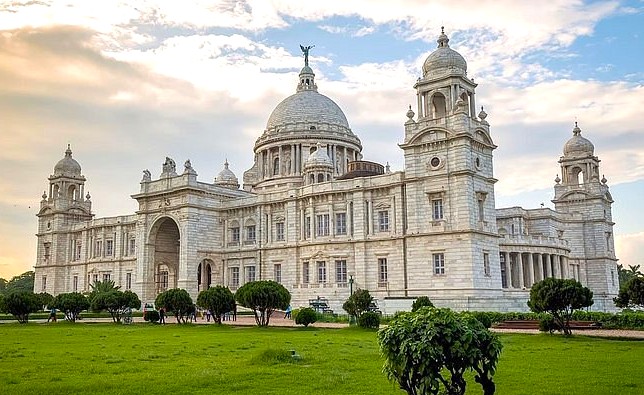
Timeless Artifacts: Mother Teresa House Calcutta
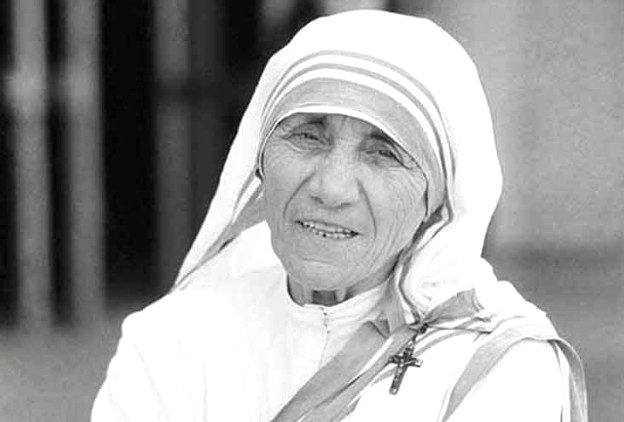
A walk inside brings one to the tomb of Mother Teresa, an edifice created from white marble in 1997. It is not a UNESCO heritage site, but it contains a collection of personal items that belong only to this location. These include her worn sandals, a wooden bowl, and a simple desk used for decades. These items exist only in this specific district, preserved in her original room. The atmosphere is peaceful, allowing for a view of her handwritten letters from the 1950s. The structure provides a restful environment where the history of service is palpable. The composition of the museum area is unique, leaving many people transfixed by the humility.
Ancient Mosaics: Impeccable Craftsmanship
The floor around the courtyard features refined stonework installed by local laborers during the 1953 renovation. A team led by the mason Sunil Das laid these simple grey and white tiles to create a durable surface. The artistry is delicate, showcasing a sophisticated level of practical design. These patterns represent the mid-20th-century aesthetic of the city, emphasizing clean lines and substantial utility. Walking over the smooth surface, one notices the impeccable alignment of the stone. Mother Teresa House Calcutta.
The Pulse of the Local Community
Locals start their day at 5:00 AM, engaged in the active service of the surrounding neighborhood. The daily life here is lively, with sisters gathered for morning prayer before heading out to the slums. A unique quality of the people is their vow of poverty, reflected in their simple white and blue cotton saris. A presence is welcomed with a relaxed smile while watching the energetic preparation of medical kits. The community is occupied with maintaining the legacy of the foundation, ensuring each structure stays humble. The mood is one of cooperation, where the 300 residents work together. This substantial bond creates a lively atmosphere that feels incredibly personal and very real.
Capturing the Magic: A Photographic Haven
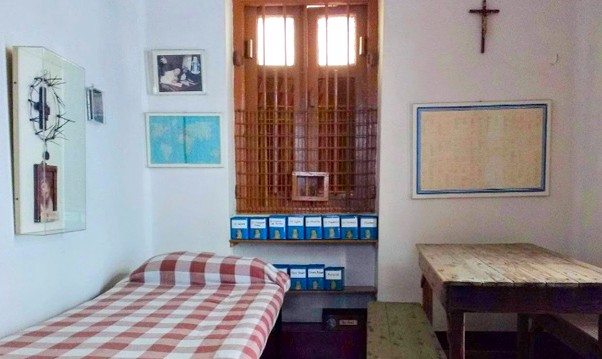
The photography captures the profound stillness of a life dedicated to service. In the simple, whitewashed Tomb Rail, the sunlight filters through open windows, illuminating the plain marble sarcophagus where Mother Teresa is laid to rest. This space serves as a quiet sanctuary for pilgrims. Nearby, a small museum displays her few personal belongings - a worn pair of sandals and a thin cotton sari - offering a poignant visual narrative of voluntary poverty.
A Culinary Journey: Savor the Flavour
The local specialty served in the communal kitchen is simple Bengali Dal, a lentil soup made using traditional iron pots. It is made from yellow split peas, turmeric, and locally sourced ginger. It became famous in the 1950s when the sisters began providing it to the hungry across the city. The process takes three hours of slow simmering to achieve a thick, elegant consistency. The taste is refined and the texture is delicate. This food is meaningful to the identity of the area, and palates are entranced by the classic warmth. The preparation is a phenomenon of kindness, creating a fantastic meal that is situated at the heart of the community.
The Connection With the Gods
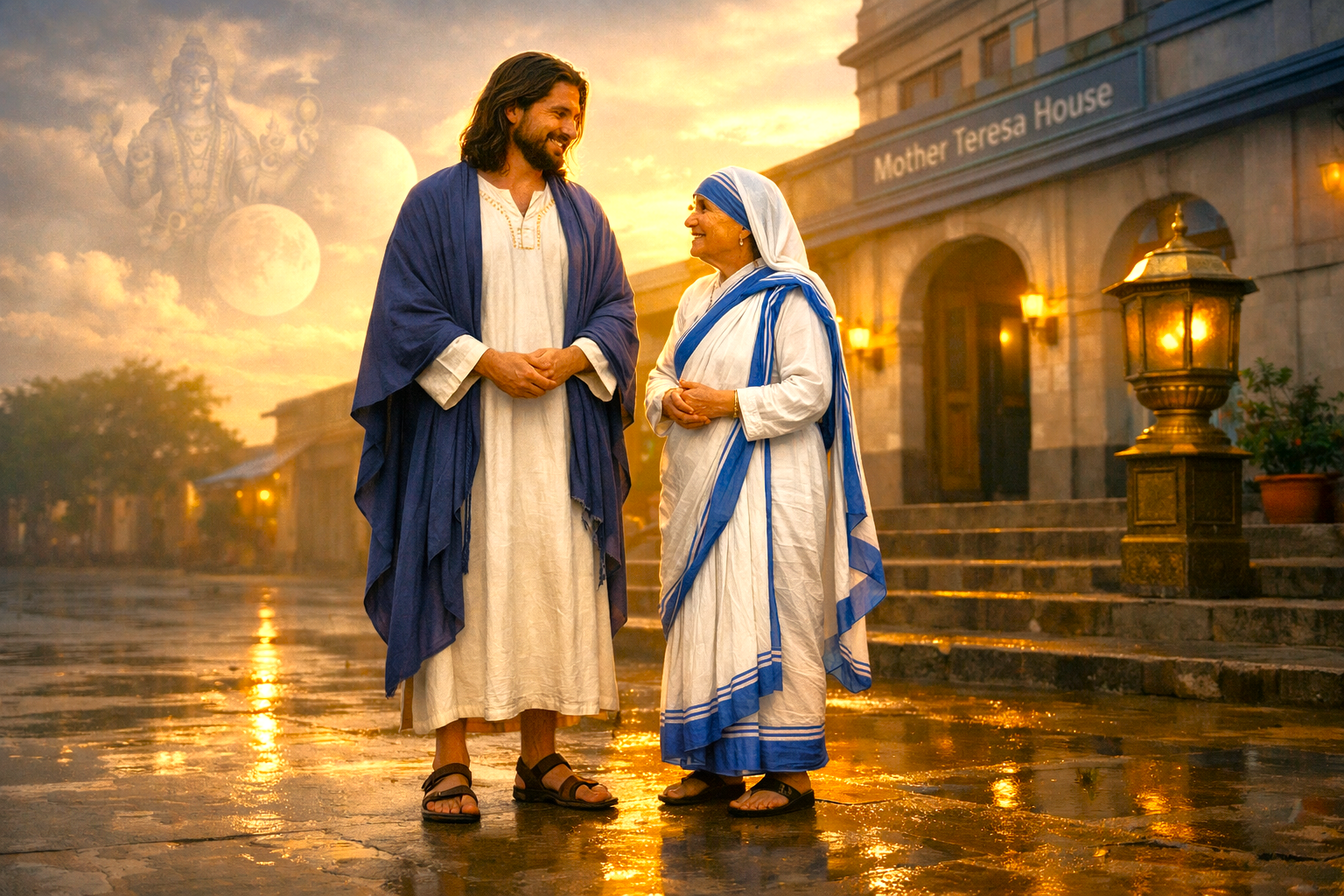
The local devotion centers on Jesus Christ, specifically his words "I Thirst," which are displayed on every chapel wall. Stories of Mother Teresa claim she received this divine call in 1946 while traveling to Darjeeling. This connection is meaningful to the locals, who view the message as a mandate to serve the suffering. The story is simple and provides a mystical element to the building. The reflective energy of the space is felt where the divine presence is honored. The edifice dedicated to this mission is a notable part of the local building design.
Festivals of Devotion: Honouring the Sacred and the Divine
The Feast Day of Mother Teresa takes place annually on September 5th, usually starting at 6:00 AM. Characters like the Archbishop of Calcutta and the Superior General participate in special prayers. The event is about celebrating the life of the saint and seeking protection for the 12,450 local people served by the mission. Many are entranced by the energetic singing and the lively mood of the chapel. The festival is a substantial part of their life. The atmosphere is energetic as the community gathers. People find themselves transfixed by the rhythmic prayers that have remained a phenomenon in this district since her canonization in September 2016. Mother Teresa House Calcutta.
Serendipitous Meetings: Beyond the Main Path
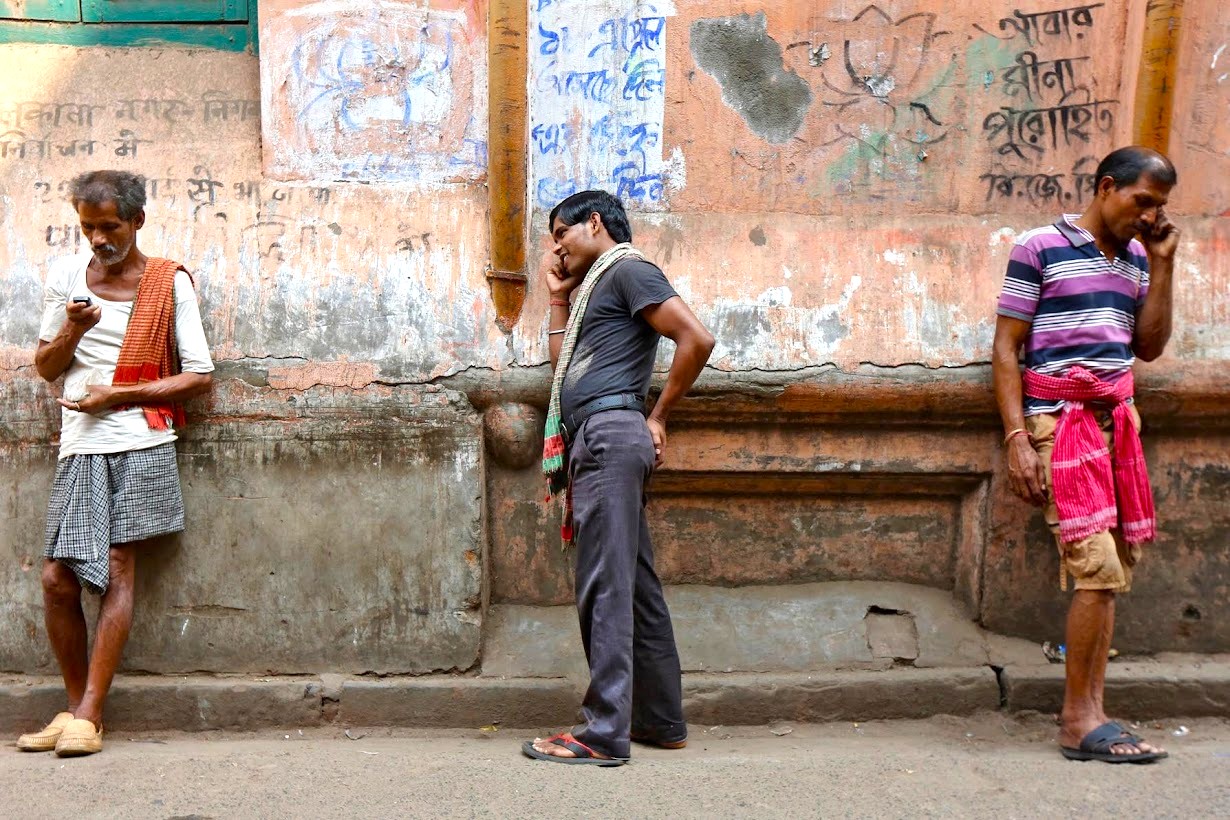
Narrow lanes outside lead to small factories where craftsmen engage in hand-milling local spices. Artisans carve wooden crosses for the sisters, a practice located in the backrooms of old brick houses along AJC Bose Road. These unique findings are tucked away from the main road, offering a glimpse into an active world of manual labor. Encountering local tea sellers who use brass kettles built in the 1960s is common. The experience is incredibly authentic, as people find themselves transfixed by the rhythmic sound of the city.
Ancient Technologies: Sacred Sound, Geometry & Astrological Influences
The chapel construction uses thick concrete and marble, which creates a specific acoustic phenomenon during the midday chants. Sound frequencies during the 12:00 PM prayers resonate at 417 Hz. This frequency is part of the Solfeggio scale and is known to create a sense of clearing and positive change for people. The geometry of the room is a simple rectangle, a composition that focuses sound waves toward the central altar. This structure creates healing frequencies through the precise alignment of the walls. The building materials are substantial, chosen for their ability to maintain a cool temperature. Bodies feel the vibration, as the physical structure creates an amazing, quiet effect.
Resilience and Renewal: Overcoming Adversity’s Challenges
In 1971, the massive influx of refugees during the liberation war overwhelmed the district, testing the original framework of the house. Residents, led by Mother Teresa herself, organized emergency shelters using substantial tents to ensure safety. During the 1978 floods, the community organized rescue boats to save the stranded, showcasing a miracle of human cooperation. These events shaped the local character, making the people active in their own preservation. Mother Teresa House Calcutta.
Urban Legends: Strange Sightings, Myths and Mysteries
Local legend speaks of a "White Shadow" seen near the 1953 gates during the early morning mist. Stories from the local residents mention a figure resembling a small sister who disappears when approached. Another mystery involves the "Never-Ending Pot," a phenomenon reported since the 1960s where the kitchen food never ran out despite hundreds arriving. Some believe these are signs of a divine miracle, while others think it is a natural phenomenon of extreme sharing. These stories are a substantial part of the local atmosphere. The mysteries are incredible to hear, adding a mystical layer to the setting. Your curiosity will be transfixed by these fantastic tales.
Embrace The Extraordinary All Around You - Join Us
Offering a journey unlike any other in the city. Presence is an important part of the exchange between the world and this historic pocket. The trip is situated at the intersection of history and daily life, where people are transfixed by the local grace. This journey is an incredible opportunity to see a part of the world that remains true to its roots. The experience is substantial and the memories created are fantastic. Witness a world that is waiting for those who walk through its ancient, brick-lined streets. You will find a sense of true purpose here.
Symphony of Generosity: Offerings from Wanderers to Residents
The interchange between guests and the locals provides vital financial support for the ongoing charity projects. You will help maintain the local dispensaries and small craft workshops, ensuring the artistry continues. In return, an exquisite understanding of a lifestyle that is peaceful and reflective is gained. The benefits are mutual; the residents gain the means to preserve their building design, while guests gain an incredible, meaningful connection to the past. This exchange is a substantial miracle of modern travel, where a presence helps keep the lively spirit of the community active. Guests leave feeling entranced, knowing their journey supported a truly unique and important location. Mother Teresa House Calcutta.
Step Inside The Story - View All Tour Itineraries & Details

We’re here to offer genuine, thoughtful guidance if your interested in travelling to India. As a small, dedicated team, we pay close attention to every detail so you can focus on enjoying the experience while we take care of the planning. We believe the best trips begin when someone truly listens to what you want and how you like to travel, so the journey feels right for you and contributes to a happy, positive group on tour. Our communication stays clear, straightforward, and respectful at every step, with the goal of helping you feel understood, supported, and confident from first contact to the end of your journey.
Click Catherine Frith - About The Founder
Click Discover Life Travel - All Tours and More
Click Why We Are Different - Unique, Safe, Transparent