Unique Insights Into The Gods Of india
Duryodhana: Prince of Unyielding Pride
Discover Life Travel
The Firstborn of a Hundred Blind Sons
When Queen Gandhari, wife of the blind king Dhritarashtra, had her pregnancy go on for a distressing two years, she struck her womb in frustration. This caused the birth of a hard, iron-like ball of flesh. The unnatural origin story of the Kaurava prince Duryodhana began here. The sage Vyasa took this ball of flesh, cut it into one hundred and one pieces, and incubated them in pots of ghee. From the very first pot emerged Duryodhana. At the moment of his birth, ill omens plagued the land: jackals howled and ill winds blew, prompting Vidura to advise the king to abandon this child who would surely cause the destruction of their race. Duryodhana Prince of Unyielding Pride
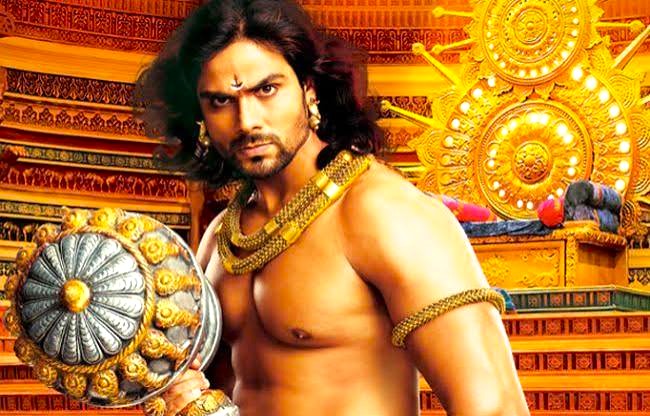
Duryodhana Prince of Unyielding Pride: The Grandiose Court of Hastinapura
Duryodhana’s entire world, his ambition, and his identity were tied to a single, coveted location. The sacred city of Hastinapura was Duryodhana's obsession, a kingdom he believed was his undisputed birthright as the firstborn son of the reigning, albeit blind, king. He grew up in its magnificent palaces, and his every action was aimed at securing his sole dominion over its throne. The great assembly hall of Hastinapura was the stage for Duryodhana's greatest sin, the public humiliation of Draupadi, and the Kurukshetra battlefield was the final, bloody ground where his ambition would lead his entire generation to their doom.
The Coveted Throne and the Deceitful Dice
The symbols of Duryodhana are those of illegitimate ambition and corrupt power. His most potent symbol is the empty throne of Hastinapura, representing his deep-seated insecurity and his obsessive, all-consuming desire for a crown he felt was being denied him. His other key symbol is the set of deceitful dice used in the infamous gambling match. These dice, loaded by his uncle Shakuni, represent his willingness to use trickery, illusion, and adharma (unrighteousness) to achieve his goals. They symbolize a victory that is not earned through merit but stolen through corruption and deceit. Duryodhana Prince of Unyielding Pride
A Family Blinded by a Father's Love
Duryodhana was the leader of a family defined by a father's enabling love. His father was the blind King Dhritarashtra, and his mother was the blindfolded Queen Gandhari. He was the eldest of the one hundred Kaurava brothers, including his infamous brother Dushasana. His closest confidant and evil genius was his maternal uncle, Shakuni, the master of dice. His sworn blood-brother and greatest ally was the mighty warrior Karna. This family unit was held together by Duryodhana's ambition and his father's refusal to restrain him, creating a toxic echo chamber of pride, jealousy, and hatred for their cousins, the Pandavas.
A Childhood Consumed by Green-Eyed Envy
From his earliest days, Duryodhana’s life was defined by one emotion: jealousy. The childhood of Duryodhana was a story of burning jealousy for his Pandava cousins. He was particularly envious of Bhima's superhuman strength and Arjuna's prodigious skill in archery. This envy was not passive; it was active and violent. The story of Duryodhana poisoning Bhima as a boy and throwing him into a river, hoping he would drown, was the first of many attempts on their lives. This deep-seated hatred, born from his own insecurity and his father's favoritism, was the poison that would eventually infect the entire Kuru kingdom. Duryodhana Prince of Unyielding Pride
The Humiliation in the Palace of Illusions
The turning point in Duryodhana's hatred came during a visit to the Pandavas' magnificent new capital. The story of Duryodhana's humiliation at Indraprastha was the final straw for his fragile ego. In the magical palace built by Mayasura, he was confounded by its illusions, mistaking a solid floor for a pool of water and then falling into a real pool he thought was a floor. Seeing this, the Pandavas' wife, Draupadi, let out a mocking laugh and uttered the fateful words, "A blind man's son is also blind." This public insult, especially from Draupadi, cemented his absolute and pathological hatred, making him vow to seek her utter ruin.
The Master of the Mace, A Student of a God
Despite his wickedness, Duryodhana was a warrior of incredible skill and discipline. His divine vehicle was a magnificent war chariot, but his true power was on foot. He was a master of the Gada (mace) and was considered the foremost mace-fighter of his age. Like his rival Bhima, he was a devoted student of the great Lord Balarama, Krishna's elder brother, who was the supreme master of mace warfare. Balarama had a particular fondness for Duryodhana, admiring his immense dedication, skill, and discipline in mastering the art of the mace, a rare point of honor in his otherwise corrupt character.
The Corrupt Victory of a Rigged Game
Unable to defeat the Pandavas through strength, Duryodhana, with the help of his uncle Shakuni, devised a plan to ruin them through their own virtue. The triumph of Duryodhana in the deceitful dice game was his greatest, albeit most corrupt, victory. He knew the Pandava king, Yudhishthira, had a weakness for gambling and could not refuse a challenge. Using Shakuni's magical dice, he systematically stripped the Pandavas of their wealth, their kingdom, their freedom, and finally, their wife, Draupadi. This "victory" was the height of his power and the deepest point of his adharma, an act so heinous it made the great war unavoidable. Duryodhana Prince of Unyielding Pride
A Dishonorable Death from a Broken Thigh
On the final day of the war, Duryodhana faced his great rival, Bhima, in a final mace duel to decide the outcome. The story of Duryodhana’s death from Bhima's mace was the brutal fulfillment of a long-held vow. The two were evenly matched, but on the instruction of Lord Krishna, Bhima struck Duryodhana below the waist, shattering his thighs - a move that was against the established rules of mace combat. As he lay dying and dishonored on the battlefield, Duryodhana defiantly held up three fingers, a final gesture of his unrepentant arrogance and hatred, a villain to the very end.
A Message: Envy Is the Poison That Destroys All
Duryodhana’s life serves as the Mahabharata's ultimate cautionary tale about the destructive power of a single, unchecked emotion. The warning for humanity from Duryodhana’s life is that envy is the most potent poison. His entire life was a reaction to his jealousy of the Pandavas' skills and virtues. This single emotion led him to lie, cheat, steal, and murder, ultimately causing the annihilation of his entire family and millions of warriors. His story is a powerful lesson that no amount of wealth, power, or friends can save a person who allows their heart to be consumed by jealousy and hatred for another's success. Duryodhana Prince of Unyielding Pride
The Blocked Heart and a Ray of Blackened Gold
As a man whose entire being was driven by jealousy, hatred, and a lust for power, Duryodhana's energy is centered on a corrupted heart. He is the embodiment of a blocked and poisoned Anahata (Heart) Chakra, a center that should radiate love but in him radiates envy. The key frequency that Duryodhana embodies is that of obsessive greed and resentful pride. His auric field would be a tarnished, blackened golden ray, representing his royal birthright (gold) that has been completely corrupted and obscured by the blackness of his own hatred and adharmic actions.
The Deceitful Dice: A Weapon of Illusion
Duryodhana's most effective weapon was not his mace, but the tools of his uncle's trade. The power of Shakuni's dice as Duryodhana's weapon was a force of illusion and corruption. These dice did not need to draw blood; they destroyed kingdoms, honor, and relationships. They were a weapon that preyed on an enemy's weakness and virtue, turning Dharma itself into a tool of destruction. For Duryodhana, the dice represented his core philosophy: if you cannot win through strength and merit, use any trick, any illusion, any adharmic means necessary to achieve your desired end.
An Afflicted Sun, An Exalted Mars, A Malefic Rahu
Duryodhana's complex character is a fascinating astrological study. His obsession with his royal status points to a deeply afflicted Sun, the planet of kingship, which gave him ambition but not legitimacy or virtue. His immense skill and discipline as a warrior show the influence of a powerful and exalted Mars, the planet of warfare. However, his entire personality - his obsessive nature, his willingness to cheat, his use of deception, his association with outcasts, and his hunger for power at any cost - is a textbook manifestation of a supremely powerful and malefic Rahu, the shadow planet of worldly desire and illusion.
A Modern Tale of a Corrupt Corporate Rival
A modern parallel to Duryodhana’s story is that of a bitter corporate executive. He is the son of the company's chairman (Dhritarashtra) but is deeply envious of a more talented, ethical team of executives (the Pandavas) who have joined the company. Consumed by jealousy, he colludes with a manipulative consultant (Shakuni) to orchestrate a fraudulent financial scheme (the dice game) that legally strips the ethical team of their projects and their standing in the company. This corrupt act gives him temporary control but sets in motion a massive corporate war that eventually bankrupts the company and ruins everyone involved. Duryodhana Prince of Unyielding Pride
Step Inside The Story - View All Tour Itineraries & Details

We’re here to offer genuine, thoughtful guidance if your interested in travelling to India. As a small, dedicated team, we pay close attention to every detail so you can focus on enjoying the experience while we take care of the planning. We believe the best trips begin when someone truly listens to what you want and how you like to travel, so the journey feels right for you and contributes to a happy, positive group on tour. Our communication stays clear, straightforward, and respectful at every step, with the goal of helping you feel understood, supported, and confident from first contact to the end of your journey.
Click Catherine Frith - About The Founder
Click Discover Life Travel - All Tours and More
Click Why We Are Different - Unique, Safe, Transparent