Unique insights into The Goddesses Of india
Draupadi: Voice of Unyielding Dignity
Discover Life Travel
The Maiden Who Emerged from Sacred Fire
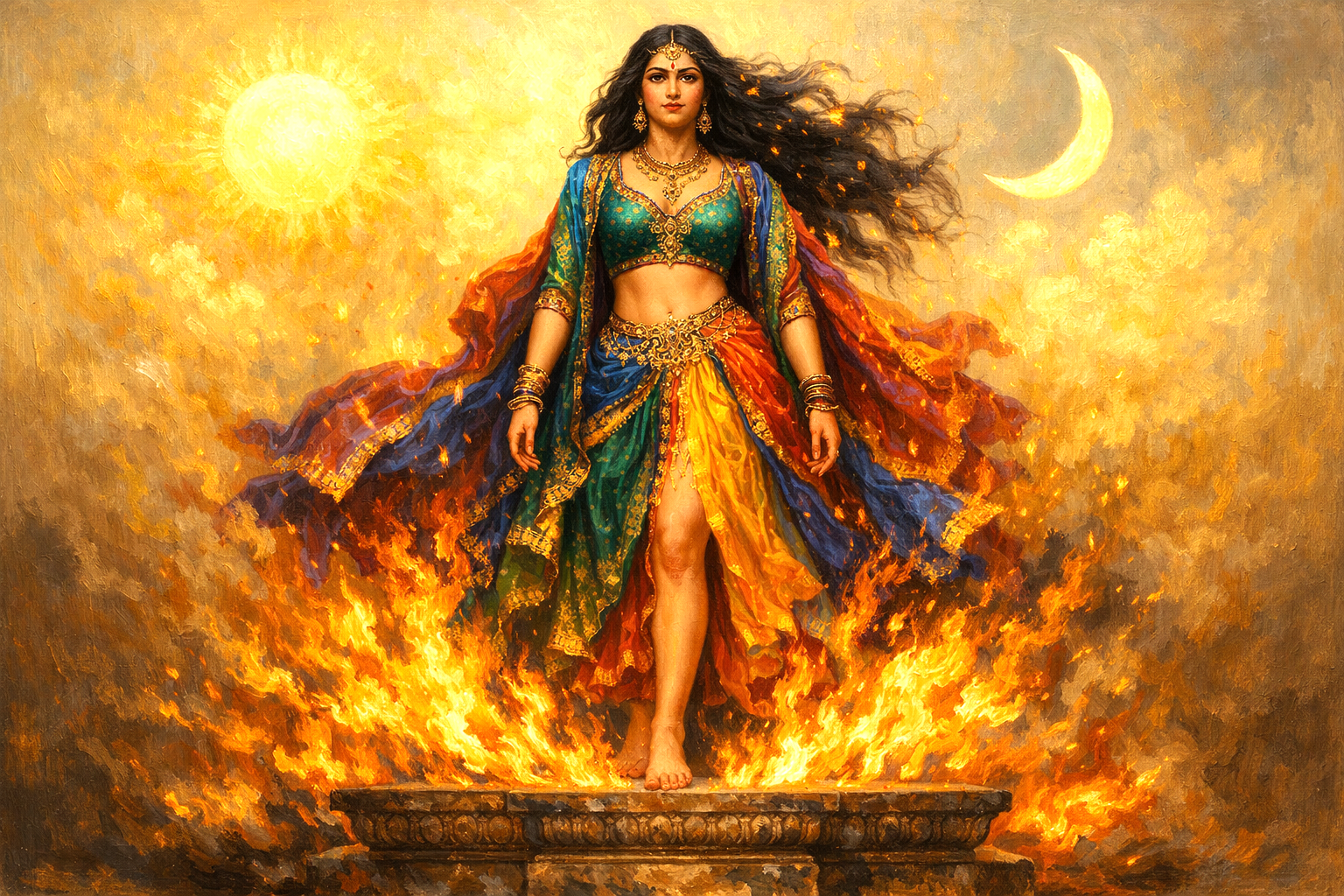
After his humiliation by Drona, King Drupada of Panchala performed a great fire sacrifice, a yajna, to obtain a son who could kill his nemesis. From the heart of the sacrificial flames, a fully grown, dark-skinned, and exquisitely beautiful young woman arose. The divine origin story of Draupadi’s birth from fire marks her not as a mortal born of flesh, but as a being of pure, divine energy, destined for a great and terrible purpose. Her first words were a prophecy that she would be instrumental in the destruction of an unjust dynasty. She was named Yajnaseni, "she who is born of the sacrifice," a woman created by ritual fire to become a queen and an avenger. Draupadi Voice of Unyielding Dignity
Draupadi Voice of Unyielding Dignity
Draupadi’s story begins in the prosperous and powerful kingdom of her father. The location of Draupadi’s childhood in the Panchala Kingdom, with its capital at Kampilya, was a place of luxury and learning. Unlike other princesses, she was not raised for a simple alliance, but was nurtured as a woman of immense intelligence, sharp wit, and unbending pride. Her home was the court of a king consumed by a singular desire for revenge against Drona and the Kuru clan. This environment shaped her into a politically astute and fiercely proud woman, preparing her for the complex and treacherous court of Hastinapura, which she was destined to enter.
Her Dark Skin and the Scent of a Lotus
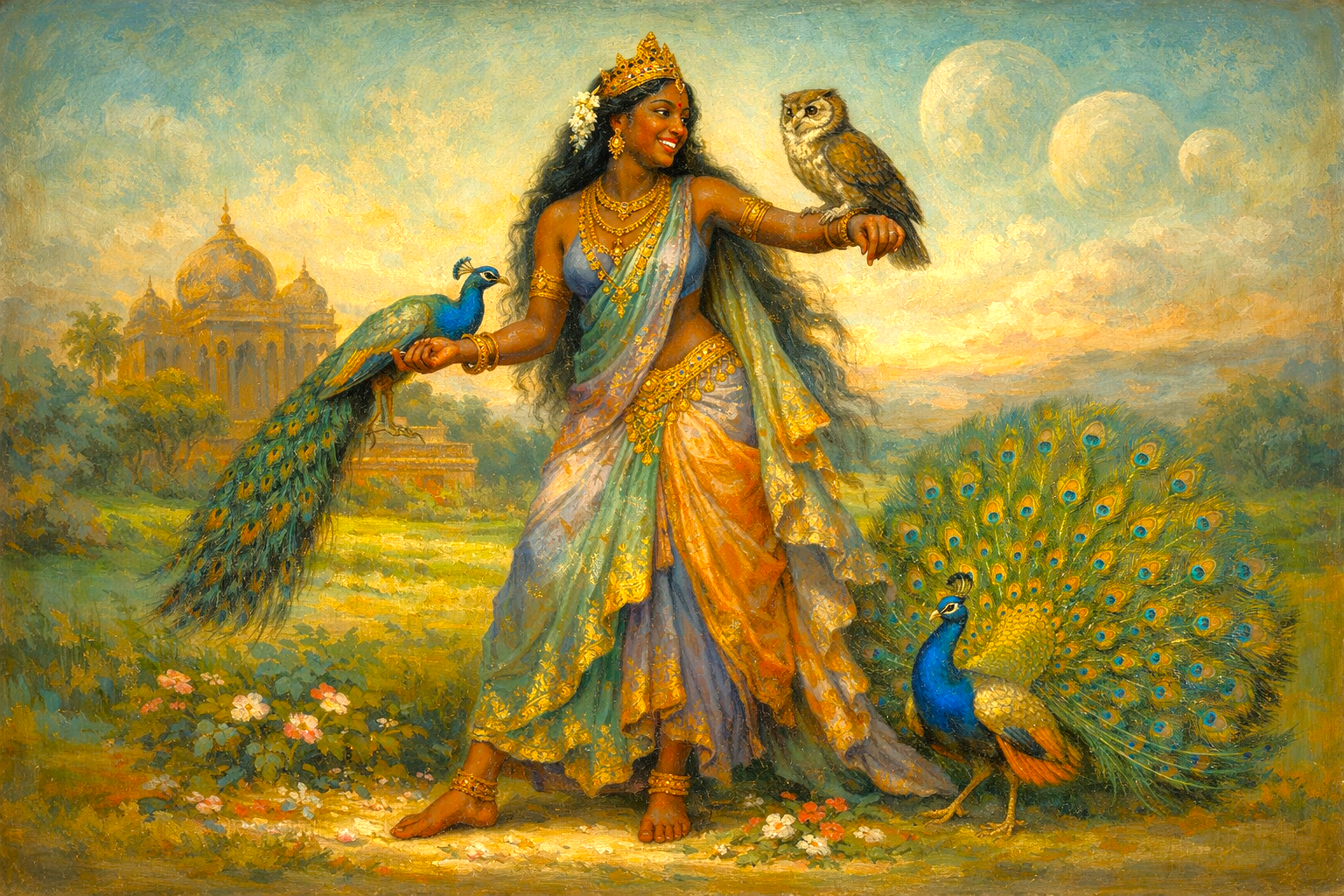
Draupadi's most striking features were potent symbols of her divine nature. Her symbolism as Krishnaa, the dark-skinned one, was considered exceptionally beautiful and linked her directly to the dark-hued Krishna, her closest friend. This dark complexion represented her connection to the earth and the mysterious, powerful aspect of the divine feminine. It is said that her body emanated the divine fragrance of a blue lotus, a scent that could be detected for miles. This fragrant aura symbolized her innate purity and spiritual radiance. Draupadi Voice of Unyielding Dignity
The Daughter of Drupada, The Wife of Five
Draupadi’s family is the nexus of the entire Mahabharata conflict. Her father was King Drupada of Panchala, and her twin brother, born from the same fire, was the warrior Dhrishtadyumna, who was destined to kill Drona. Her most defining familial role was as the common wife of the five Pandava brothers: the righteous Yudhishthira, the mighty Bhima, the great archer Arjuna, and the handsome twins Nakula and Sahadeva. This unique and controversial marriage made her the daughter-in-law of Kunti and the sister-in-law of the Kauravas. She was also the mother of five sons, one from each Pandava, known as the Upapandavas.
The Queen Wagered in a Game of Dice
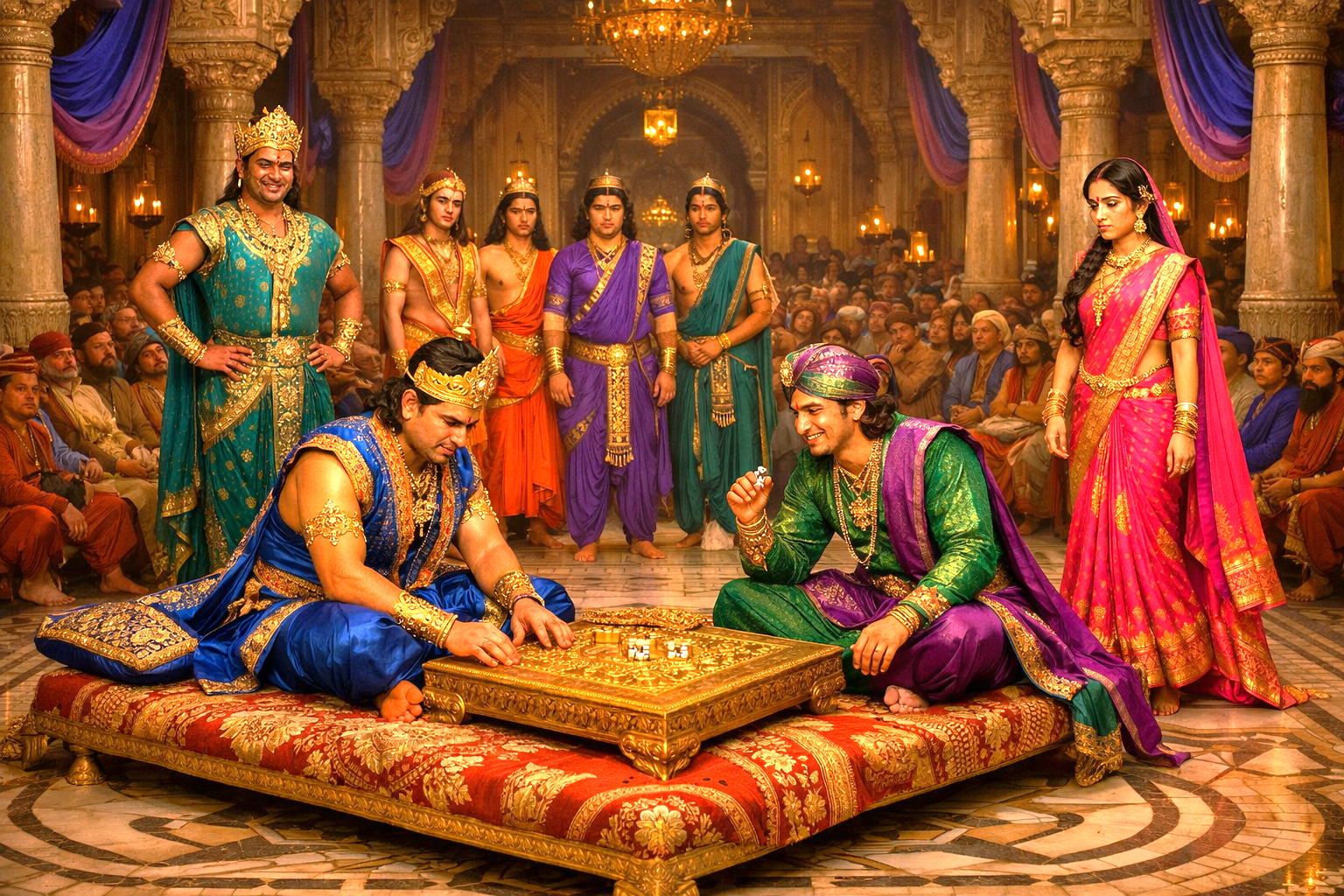
The most infamous and tragic event of Draupadi’s life took place in the royal hall of Hastinapura. The story of Draupadi being staked in the dice game is the epic's central point of dishonor. After the eldest Pandava, Yudhishthira, lost all his wealth, his kingdom, his brothers, and even himself to the cunning Shakuni, he was goaded into wagering his own wife. In that moment of profound weakness, he staked and lost Draupadi, reducing the proud queen of Indraprastha to a slave of the Kauravas, an act of adharma that set the stage for the great war. Draupadi Voice of Unyielding Dignity
The Prize of an Impossible Archery Contest
To find a worthy husband for his fire-born daughter, King Drupada arranged a swayamvara with a seemingly impossible challenge. The story of Draupadi’s swayamvara and the archery contest was legendary. A suitor had to string a divine, impossibly stiff bow and then, looking only at its reflection in a pool of oil, shoot a golden fish rotating on a wheel high above. Kings from all over the world failed, including the mighty Kauravas. It was Arjuna, disguised as a poor Brahmin, who effortlessly completed the task, winning Draupadi’s hand and revealing the Pandavas’ survival to the world.
The Miracle of the Unending Sari
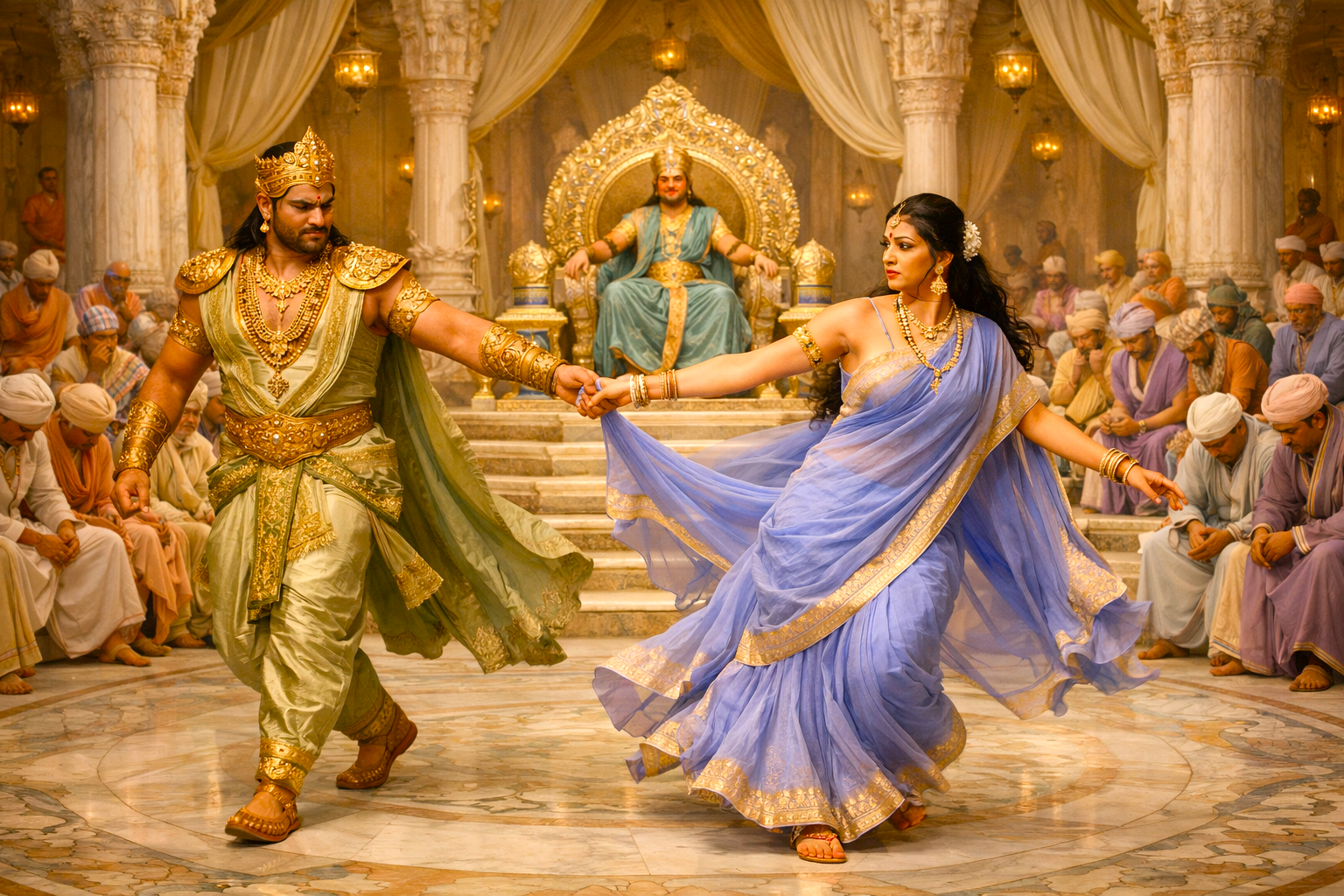
Following the dice game, the victorious and arrogant Duryodhana ordered his brother, Dushasana, to drag Draupadi into the assembly hall. The story of Dushasana attempting to disrobe Draupadi was an act of supreme violation. As Dushasana began to pull at her sari, the helpless Draupadi, abandoned by her husbands and the silent elders, prayed with all her heart to Lord Krishna. In that moment, a miracle occurred. As Dushasana pulled, the sari became endless.This divine intervention by Krishna saved Draupadi's honor.
A Vow Sealed with Unbound Hair
Humiliated and filled with righteous fury after the disrobing attempt, Draupadi made a terrifying vow. The story of Draupadi’s vow to wash her hair in Dushasana’s blood became the driving force of the Pandavas' quest for justice. She swore that she would leave her long, beautiful hair untied and unkempt, a constant and public symbol of her dishonor. She vowed that she would only braid her hair again after she had washed it in the lifeblood of the man who had dared to assault her, Dushasana. This chilling oath ensured that the Pandavas could never forget her humiliation and the debt of vengeance they owed.
The Heart and Sacral Chakras: A Fiery Red Ray
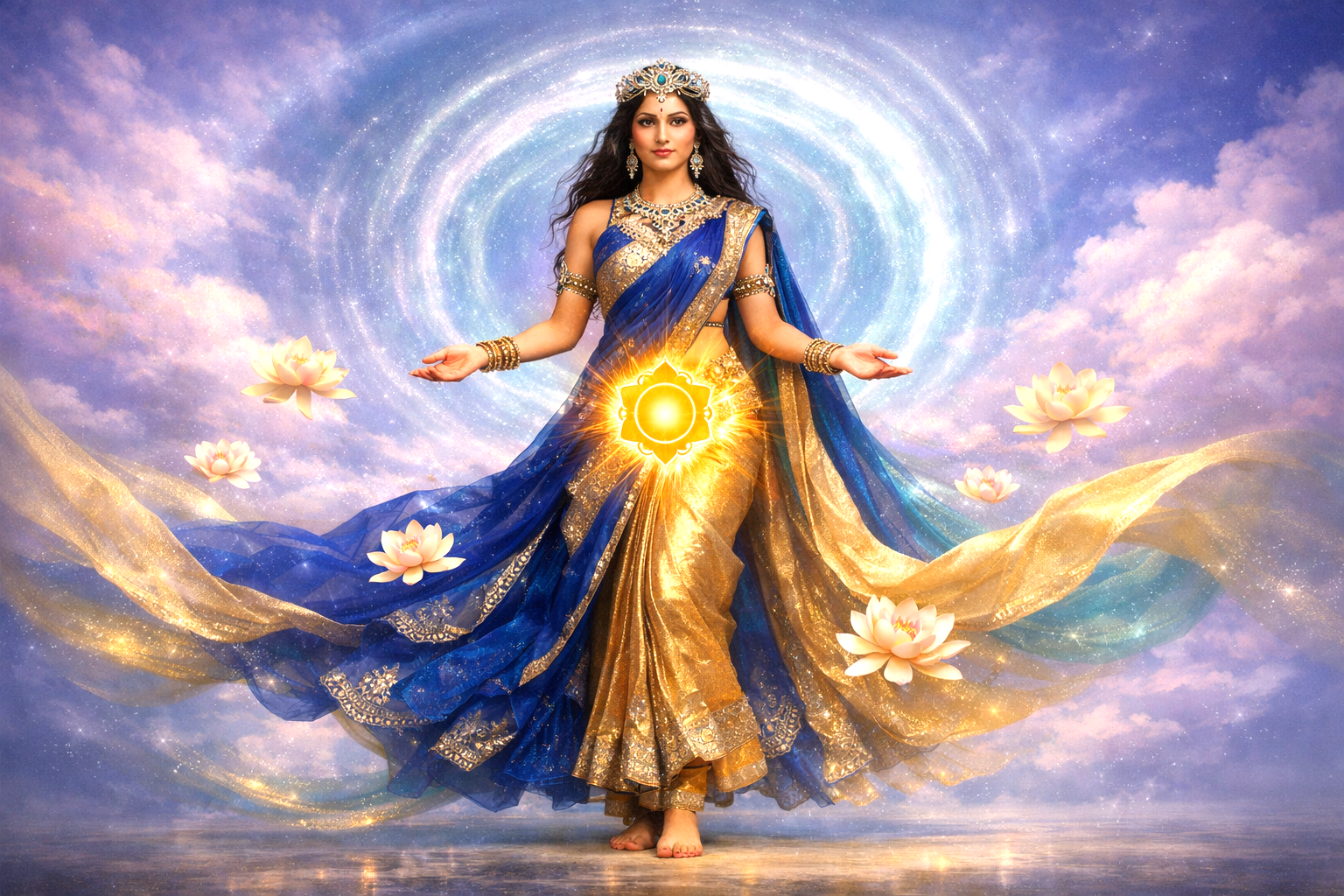
As a woman of immense passion, fiery anger, and deep love, Draupadi’s energy is centered in the chakras of emotion and power. She is a powerful embodiment of the Svadhisthana (Sacral) Chakra, the center of emotion and relationships, and the Anahata (Heart) Chakra, which in her case burns with both love for her husband’s and a fierce desire for justice. The key frequency that Draupadi embodies is that of righteous indignation and fiery passion. Her auric field is a blazing, crimson ray, the color of the sacrificial fire from which she was born.
Her Own Sharp Tongue as a Divine Weapon
Draupadi did not wield a bow or a mace; her most formidable weapon was her own razor-sharp intellect and her powerful, cutting words. The power of Draupadi's sharp tongue and intellect was her primary weapon. It was a single sarcastic comment in Indraprastha - "a blind man's son is also blind" - that first planted the seed of Duryodhana's obsessive hatred. In the assembly hall, she used her knowledge of law to pose a brilliant and unanswerable question: "Was I wagered before or after my husband lost himself?" This question stumped the greatest legal minds of the age and exposed the moral bankruptcy of the Kuru elders.
The Planets Mars and Venus in Fiery Conjunction
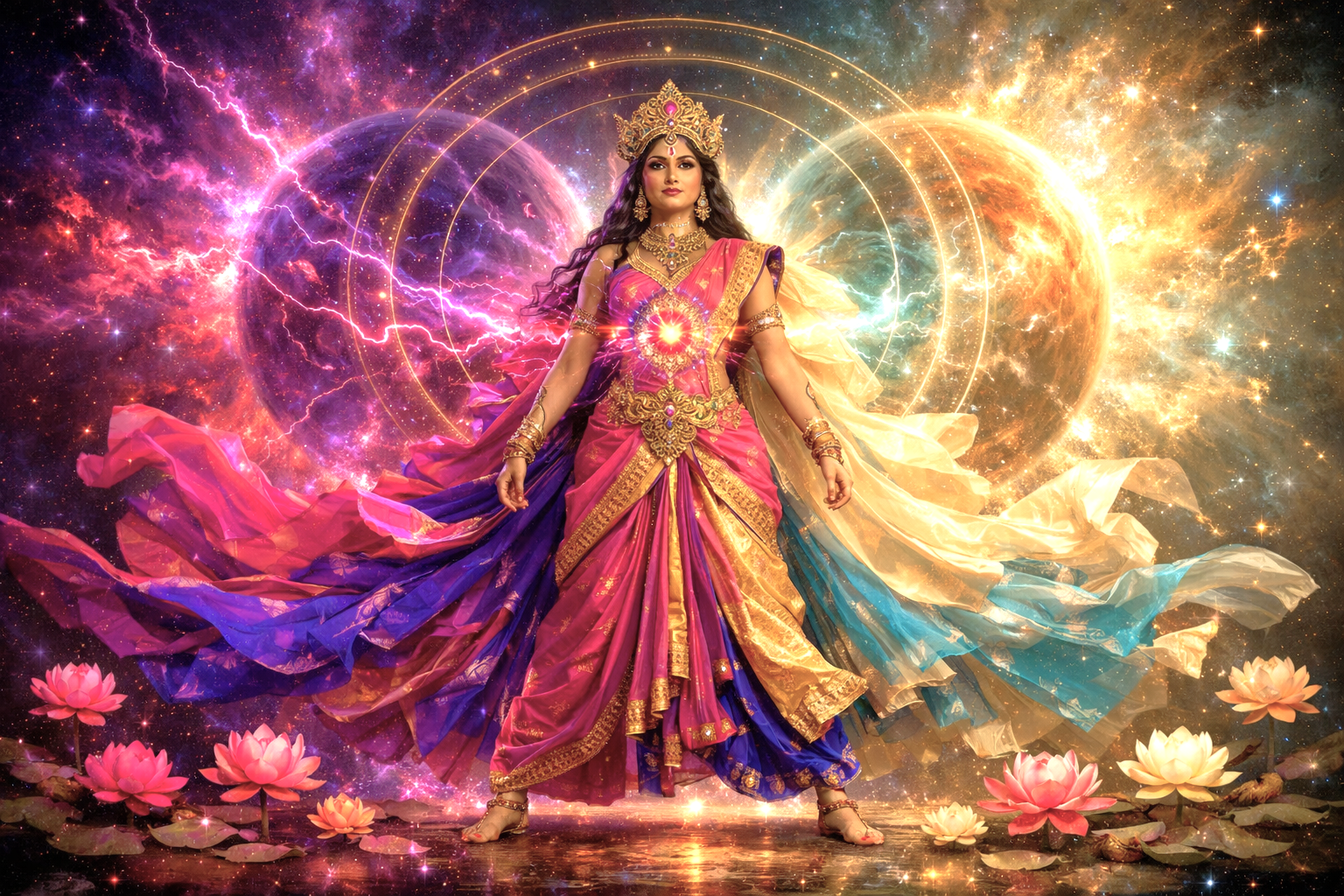
Draupadi’s beautiful and volatile nature is a perfect reflection of a powerful and dramatic planetary combination. She is a true embodiment of the planet Venus, which governs beauty, love, luxury, and relationships. However, her fiery temper, her vengeful nature, and her role as a catalyst for war link her inextricably to the fiery, martial energy of the planet Mars. Draupadi can be seen as a perfect astrological representation of a close conjunction of Mars and Venus - a personality that is at once beautiful and desirable.
The Common Wife of Five Great Husbands
Draupadi’s most unique and defining characteristic was her marriage to five men. The story of Draupadi’s polyandrous marriage to the Pandavas was the result of a confluence of divine will and a mother's careless words. After Arjuna won her, the Pandavas returned to their mother Kunti and announced they had won a great "alms." Without looking, Kunti commanded them to share it equally amongst themselves. To honor their mother’s sacred word, it was decided that Draupadi would be the common wife of all five, a past-life karmic destiny confirmed by the sage Vyasa. Draupadi Voice of Unyielding Dignity
The Final Walk to Heaven's Gate

After the great war, Draupadi embarked on her final journey with her husband’s. The story of Draupadi's death on the final journey to the Himalayas is a poignant and sobering tale. As the Pandavas and Draupadi walked towards heaven in their final pilgrimage, she was the first to fall and die. When Bhima asked why she, who had seemed so virtuous, could not enter heaven in her mortal body, Yudhishthira replied that her great fault was her partiality towards Arjuna. Despite being a devoted wife to all, her heart always held a special, deeper love for the one who had won her hand, a subtle attachment that prevented her from achieving final liberation on Earth. Draupadi Voice of Unyielding Dignity
Step Inside The Story - View All Tour Itineraries & Details
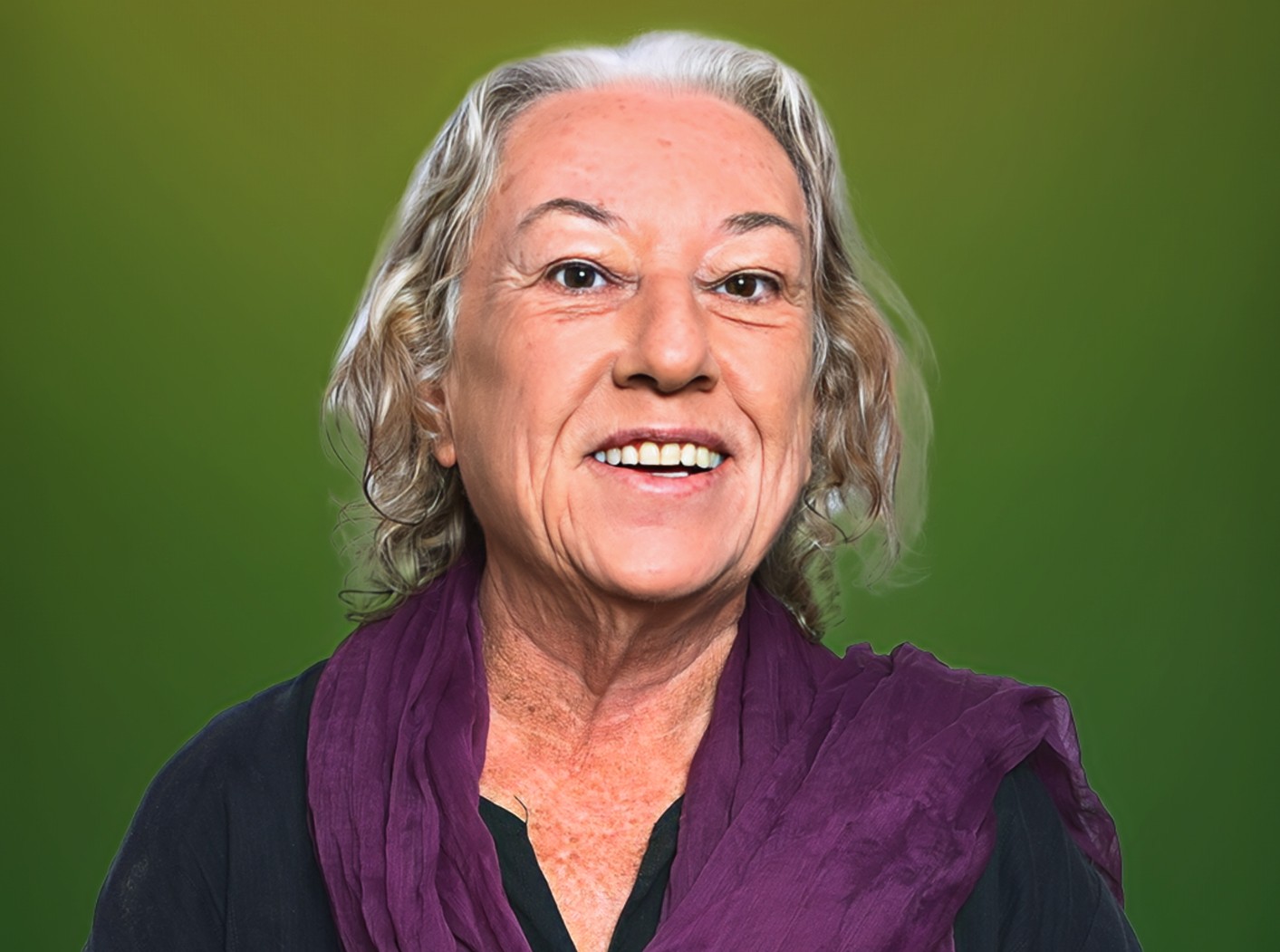
We’re here to offer genuine, thoughtful guidance if your interested in travelling to India. As a small, dedicated team, we pay close attention to every detail so you can focus on enjoying the experience while we take care of the planning. We believe the best trips begin when someone truly listens to what you want and how you like to travel, so the journey feels right for you and contributes to a happy, positive group on tour. Our communication stays clear, straightforward, and respectful at every step, with the goal of helping you feel understood, supported, and confident from first contact to the end of your journey.
Click Catherine Frith - About The Founder
Click Discover Life Travel - All Tours and More
Click Why We Are Different - Unique, Safe, Transparent