
Arc Of The East Tour India
Chennai Music Academy: India
Mother Masala Tours
The Rhythmic Legacy of Madras
Chennai Music Academy India - began with a formal inauguration on 18 August 1928 at the YMCA Auditorium, Esplanade, with Sir C. P. Ramaswami Aiyar participating in opening events. Founded by local musicians and patrons to preserve and promote South Indian classical music, the institution established an annual December music season that grew into a major calendar of concerts, lecture demonstrations, and awards. Over time the Academy acquired a permanent facility on TTK Road, maintained program archives, and organized scholarly panels and prize sessions. Its evolution reflects civic initiative, committee governance, and the commitment of performers and patrons to maintain performance standards and pedagogic continuity.
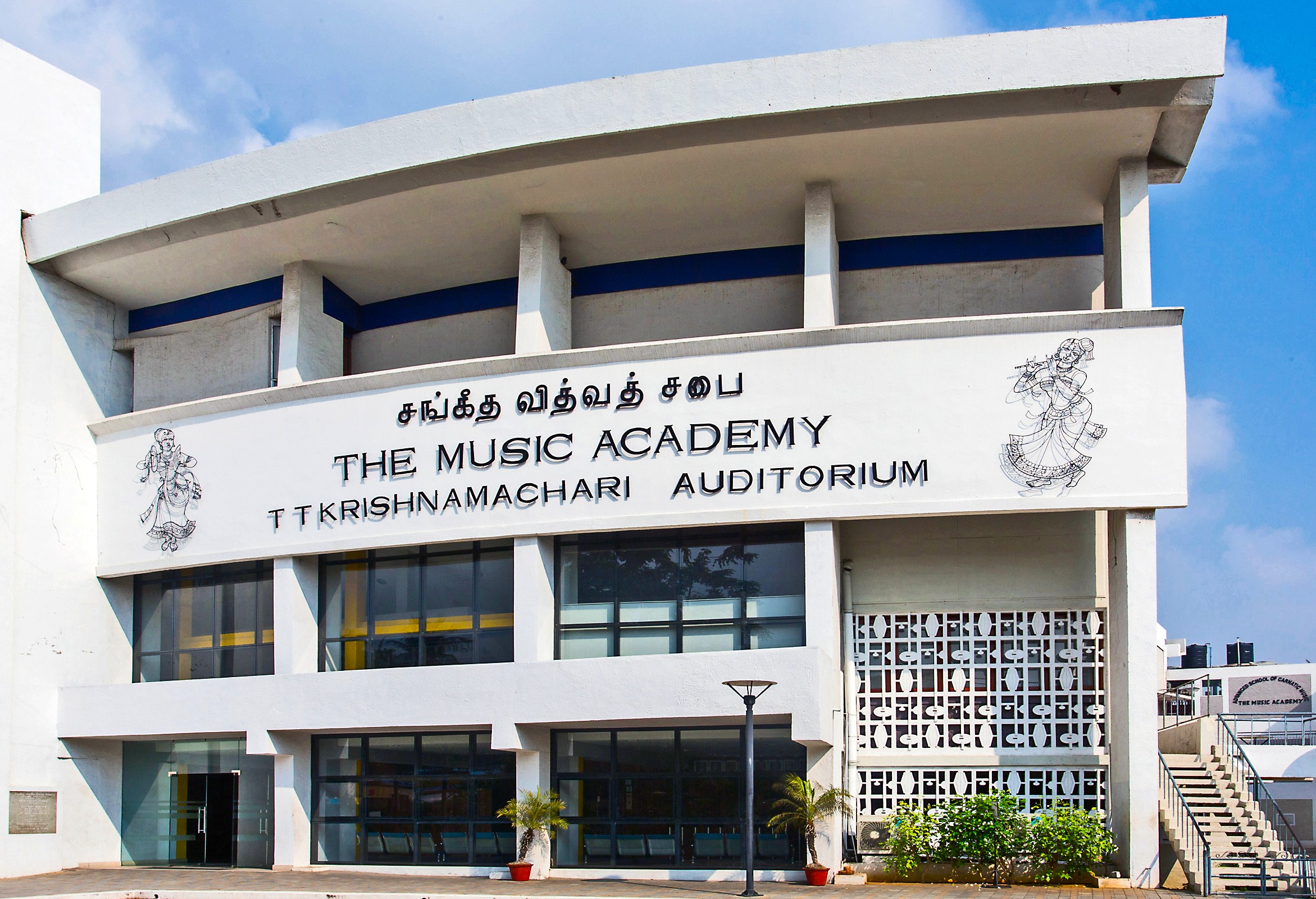
Sacred Spaces: Chennai Music Academy India
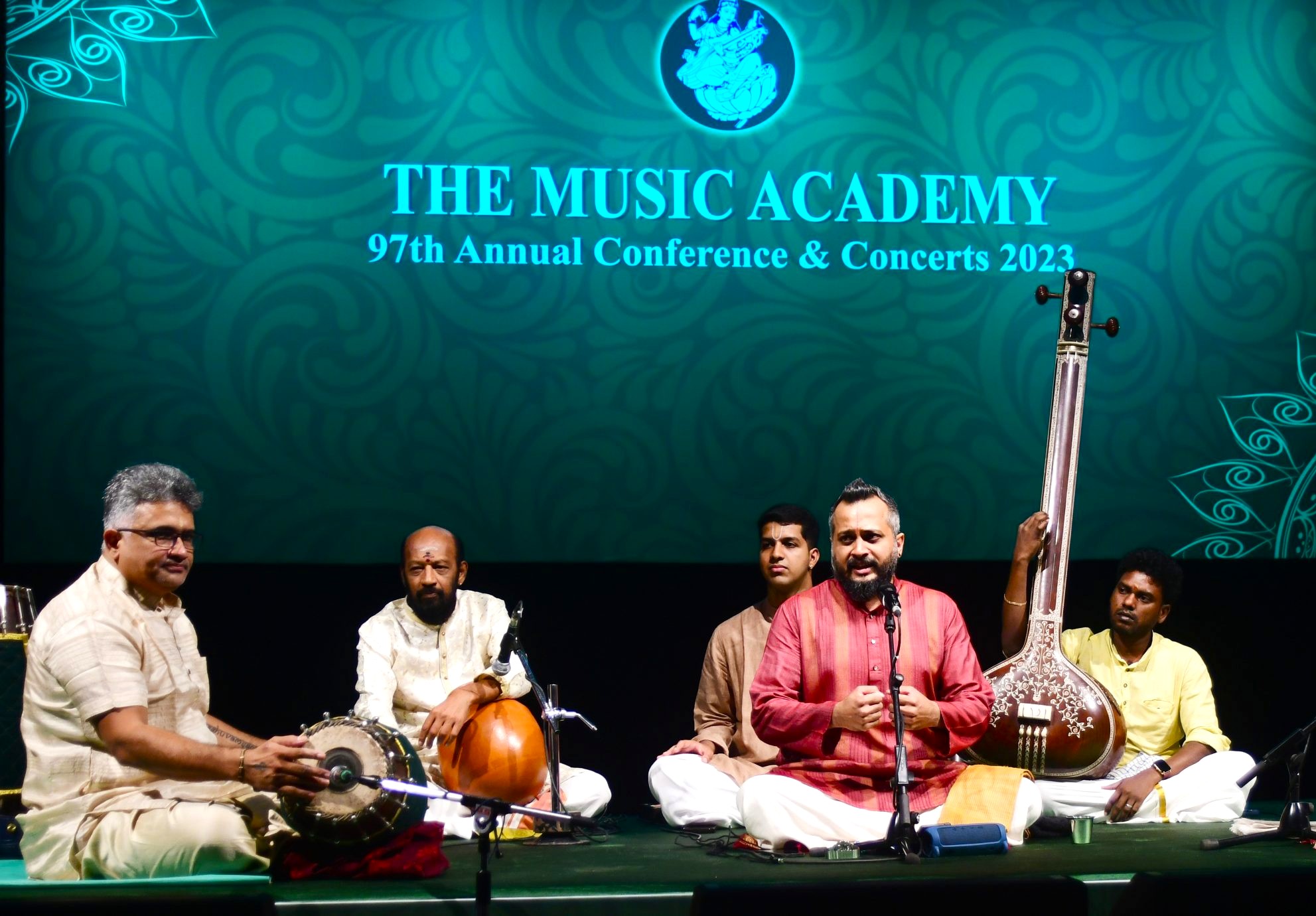
The Academy maintains physical items tied to performance practice: program booklets from early seasons, plaques honoring notable teachers, and archived recordings. The principal recital hall hosts disciplined concert presentations and lecture demonstrations; practice rooms support daily instruction. Instruments central to concerts - veena, violin, mridangam, flute - are frequently present during events, along with percussion accessories and supportive stage furnishings. Archival material documents season programs from 1928 onward, documenting award lists and lecture topics. The institutional spaces are purposed for performance, study, and preservation, with storage for manuscripts and a curated set of trophies and citations recognizing artistic contributions and lifetime achievement.
Ancient Mosaics: Impeccable Craftsmanship
Stage fittings, wooden paneling, and acoustic treatments reflect generations of local craft and maintenance, documented through renovation records and program notes. Early printed season booklets and posters display typographic and design work by regional printers; workshop names appear in historical notices for specific seasons. These tangible production practices illustrate concert support systems, joinery, lighting brackets, and stage carpentry. Chennai Music Academy India.
The Pulse of the Local Community
Daily rhythms include scheduled rehearsals, private lessons, administrative preparation, and stage setup activities tied to concert programming. Teachers maintain regular lesson rosters; students attend practice sessions and notation classes; technicians service sound and lighting equipment. Local enterprises support the Academy through instrument maintenance shops, notation printers, and small music schools. The immediate neighborhood hosts eateries and supply stores used by performers and staff between sessions. This concentration of music-related activity supports careers and skills training, sustaining livelihoods of instrument makers, teachers, and service providers while reinforcing a steady pattern of artistic work focused on study and performance.
Capturing the Magic: A Photographic Haven
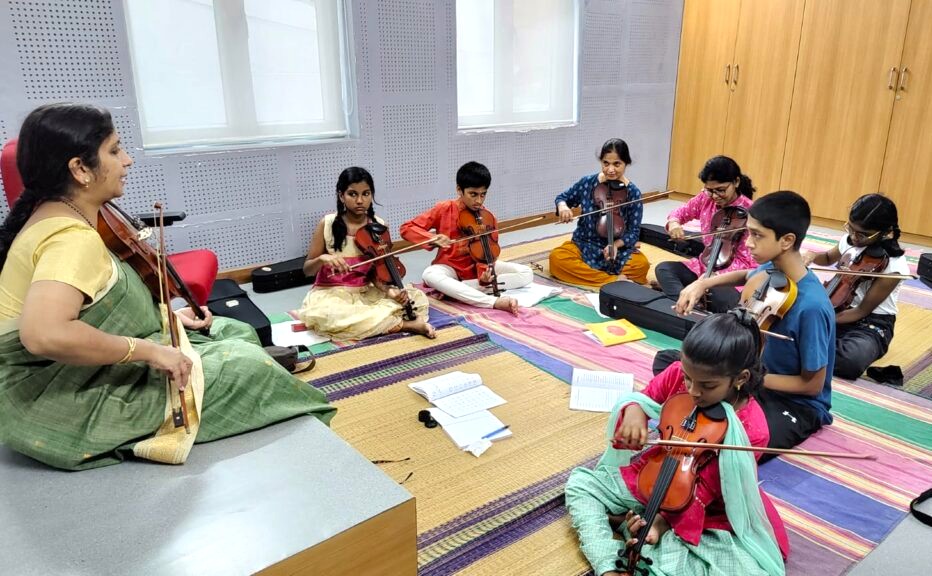
Stage lighting, closeups of veena strings, percussion surfaces, and the concentrated expressions of performers provide notable photographic subjects. Quiet interludes, archival banners, and the hall’s interior textures offer intimate framing opportunities. Respectful distance and unobtrusive lenses preserve presentation etiquette. Photographers often capture candid rehearsal moments and instrument detail shots.
A Culinary Journey: Savor the Flavour
Adjacent food stalls and small eateries offer common regional fare used by concert attendees and performers: strong filter coffee brewed from roasted grounds, idli from fermented rice‑lentil batter, dosa prepared on a hot griddle, and coconut chutney made from grated coconut, chilies, and tamarind. Ingredients typically include rice, urad dal, coconut, chilies, curry leaves, oil, and local spices. These straightforward preparations provide sustenance during long rehearsal schedules and intermissions, and nearby shops supply quick meals and beverages that support daily activity without formal culinary association to the institution itself.
Festivals of Devotion: Honouring the Sacred and the Divine
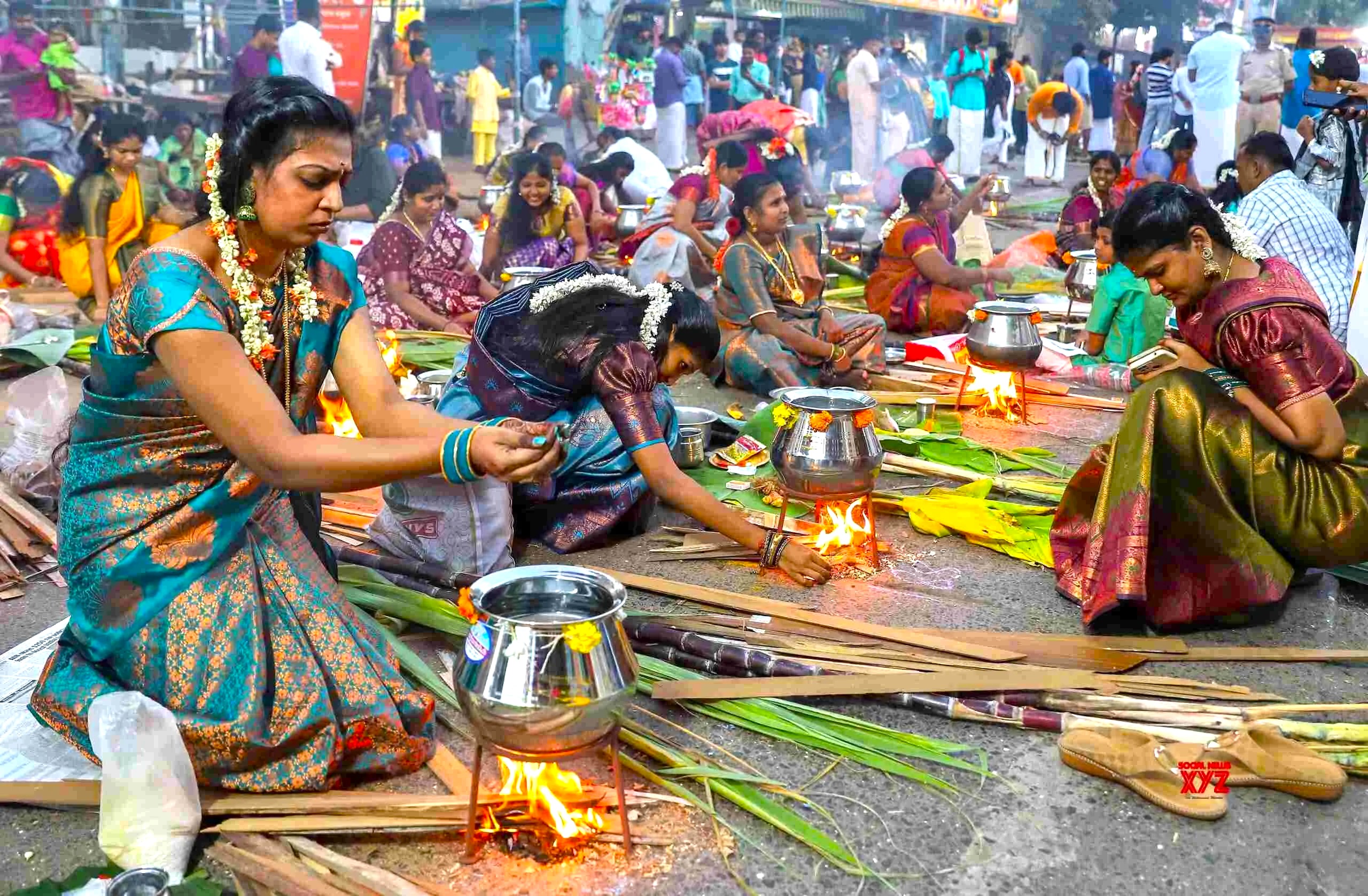
The Academy’s main public calendar centers on the December music season, a multi‑week sequence of concerts, award presentations, and scholarship lectures published annually in advance. Program dates vary by year: schedules list individual concert dates and times for the season. Award ceremonies honor composers, performers, and teachers, with selected evenings dedicated to composers’ repertoires. Chennai Music Academy India.
Ancient Technologies: Sacred Sound, Geometry & Astrological Influences
Acoustic properties of recital halls depend on materials and interior geometry: timber paneling, plaster surfaces, and fabric treatments used in halls influence reverberation and clarity. Solfeggio frequency lists commonly referenced in contemporary sources include values like 285 Hz, 396 Hz, 417 Hz, 528 Hz, 639 Hz, 741 Hz, and 852 Hz, but direct historical linkage between these named values and the Academy’s hall design is not supported by institutional records. Documented construction materials for hall interiors emphasize practical acoustic performance - wood and fabric to absorb or diffuse sound - rather than claims of astrological alignment.
The Connection With the Gods
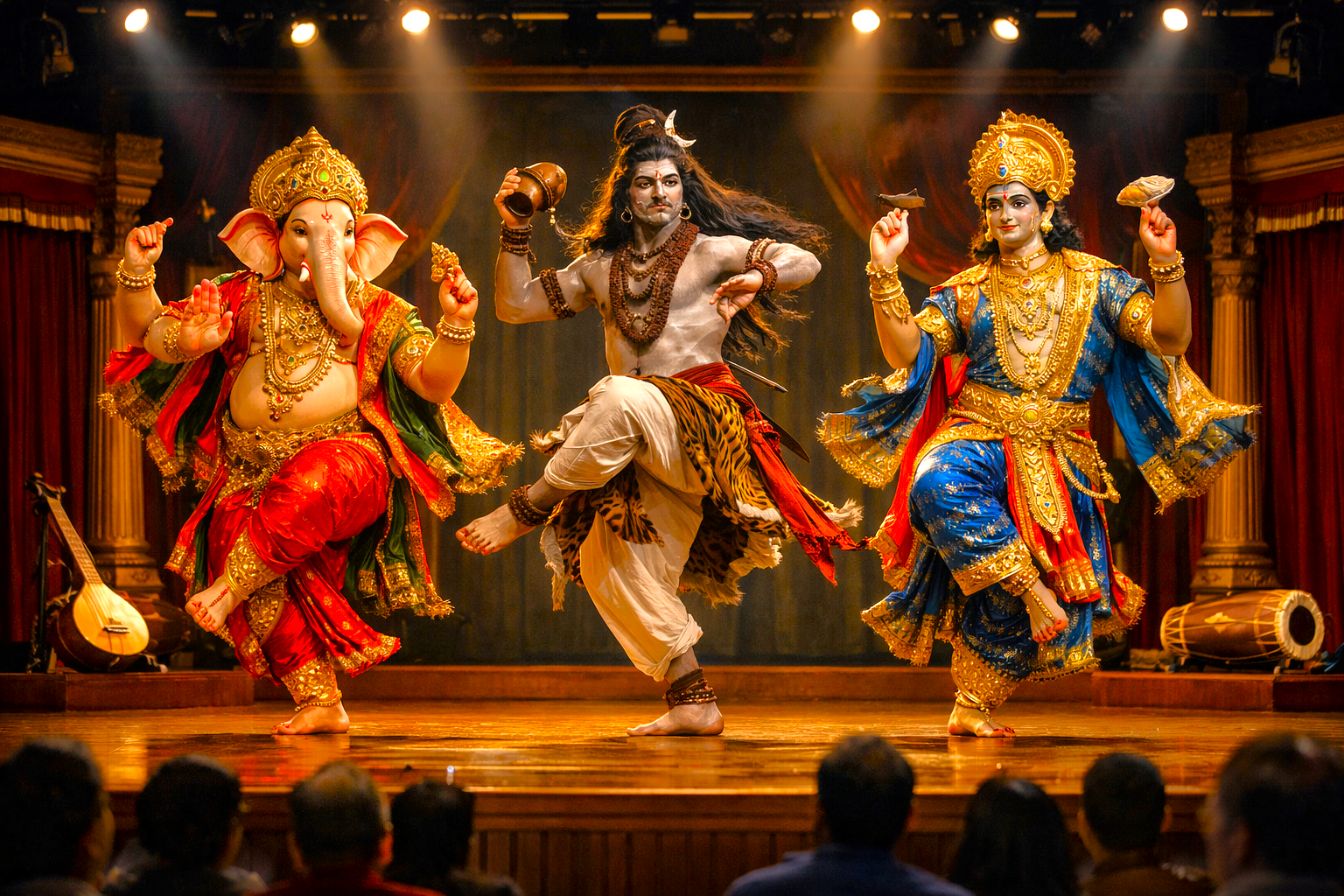
Repertoire performed frequently includes devotional compositions addressing Hindu deities such as Ganesha, Shiva and Vishnu; many kritis and varnams contain lyrical content invoking these figures. Historical composers of the tradition wrote pieces in praise of such deities, and performers render these items within recital programs. The Academy presents compositions from a musical and scholarly perspective, preserving lyrical content and compositional lineage.
Serendipitous Meetings: Beyond the Main Path
Walking nearby streets reveals instrument workshops where luthiers repair and tune veenas and violins, percussion makers servicing mridangams, and shops selling strings and reeds. Small teaching studios and notation printers operate in the area, alongside recording studios and rehearsal rooms. Informal encounters in tea shops and canteens facilitate exchange between teachers, students, and technicians. These everyday businesses and services link the formal programming of the Academy to practical support functions—repairs, supply, and ad‑hoc collaboration—forming a local microeconomy centered on musical craft and instruction.
Resilience and Renewal: Overcoming Adversity’s: Challenges
Since its 1928 inception the institution navigated logistical constraints, venue arrangements, and resource challenges while sustaining season programming. Organizational continuity relied on member committees, fundraising, and community donations to finance repairs and equipment updates during different decades. Public records emphasize program persistence rather than single catastrophic events associated with the premises:
Urban Legends: Strange Sightings, Myths and Mysteries
Longstanding cultural institutions accumulate oral recollections: stories of memorable performances, unusual rehearsal incidents, and notable artists’ habits passed down by long‑term members. Anecdotes include accounts of late-night practice sessions remembered by staff and recollections of sudden weather interruptions during famous concerts. These oral histories appear in interviews and memoirs, functioning as personal memory rather than documented verification. Such narratives contribute to institutional identity through informal storytelling that preserves memorable moments and idiosyncratic recollections associated with past seasons. Chennai Music Academy India.
Pack Your Spirit of Adventure: Let Freedom Free

Attend the December season and engage with concerts, lecture demonstrations, and award evenings published in the Academy’s annual schedule. The atmosphere is peaceful and reflective, favoring attentive listening and scholarly discussion; intermission spaces facilitate informal exchange among artists and teachers. Participation supports live presentation and pedagogic activity while offering opportunities to hear canonical repertoire rendered by established practitioners and emerging performers.
Symphony of Generosity: Offerings from Wanderers to Residents
Economic and cultural exchange circulates through concert fees, donations, and purchases from local instrument repairers, notation printers, and food vendors. Financial contributions enable awards, archival maintenance, and facility upkeep; visiting artists and scholars contribute knowledge through lecture demonstrations and masterclasses. Residents provide venue management and operational services, while attendees support livelihoods of music-related trades. This reciprocal flow of funds and expertise sustains programming, preserves historical records, and underwrites training initiatives, creating a localized ecosystem where commerce and pedagogy reinforce one another.
Step Inside The Story - View All Tour Itineraries & Details

We’re here to offer genuine, thoughtful guidance if your interested in travelling to India. As a small, dedicated team, we pay close attention to every detail so you can focus on enjoying the experience while we take care of the planning. We believe the best trips begin when someone truly listens to what you want and how you like to travel, so the journey feels right for you and contributes to a happy, positive group on tour. Our communication stays clear, straightforward, and respectful at every step, with the goal of helping you feel understood, supported, and confident from first contact to the end of your journey.
Click Catherine Frith - About The Founder
Click Discover Life Travel - All Tours and More
Click Why We Are Different - Unique, Safe, Transparent