A Unique Look Into Indian History
Yadava Dynasty: Maharashtra - India
Discover Life travel
The Roots of the Yadava Dynasty
Before asserting their sovereignty, the Yadavas were powerful but subordinate rulers in the Deccan plateau. For centuries, they served as feudatories to the great imperial powers of the region, first the Rashtrakutas and later the Western Chalukyas. The role of the Yadavas as feudatories to the Western Chalukyas was one of military service and provincial governance from their capital at Sinnar near Nashik. They governed the region known as Seuna-desha, patiently building their strength and waiting for the opportune moment when their overlords' power would weaken, allowing them to claim their own imperial destiny. Yadava Dynasty Maharashtra India
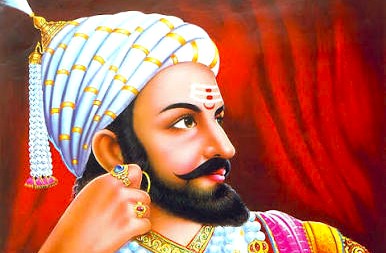
Yadava Dynasty - Maharashtra India: Descent from Lord Krishna
The Yadava's claimed a glorious and divine lineage, tracing their ancestry back to the mythical hero Yadu of the Puranas, the same clan as Krishna. This divine connection bolstered their royal legitimacy. Historically, the dynasty was founded by Dridhaprahara, with his son Seunachandra I establishing their capital at Seunapura. The mythological origins of the Dynasty from Krishna's clan gave them immense prestige. However, their true rise to imperial power began under Bhillama V in the late 12th century, who broke free from Chalukya control and established a new, magnificent capital city.
The King's Day at Devagiri
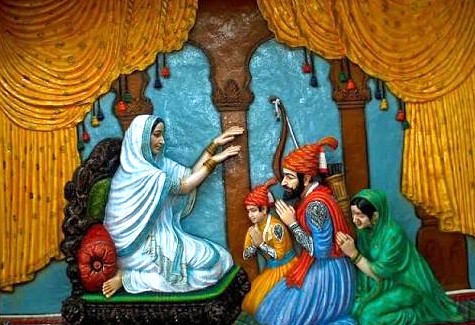
The daily life of a powerful Yadava emperor like Singhana II was a whirlwind of administrative and military duties. His day at the capital, Devagiri, would begin with religious observances, followed by holding the royal court. The administrative duties of the Yadava king at Devagiri involved reviewing revenue reports, dispensing justice based on Hindu law, and meeting with ministers, military commanders, and spies. The emperor personally oversaw the vast army, a key instrument of state policy, ensuring it was always prepared for the constant warfare that defined the era, making his life one of relentless vigilance. Yadava Dynasty Maharashtra India
Society in the Seuna Kingdom
Yadava society was organized along the traditional lines of the Hindu caste system, with a predominantly agrarian economy. The social structure and caste system of the Yadava kingdom placed Brahmins and Kshatriyas at the top, while the majority of the population consisted of farmers, artisans, and laborers living in self-governing villages. Urban centers like Devagiri were hubs for merchants and craftsmen, organized into powerful guilds. The period saw the rise of new social and religious movements, particularly the Varkari sect, which challenged orthodox norms and promoted a more egalitarian form of devotion.
Royal Kitchens and Deccan Sustenance
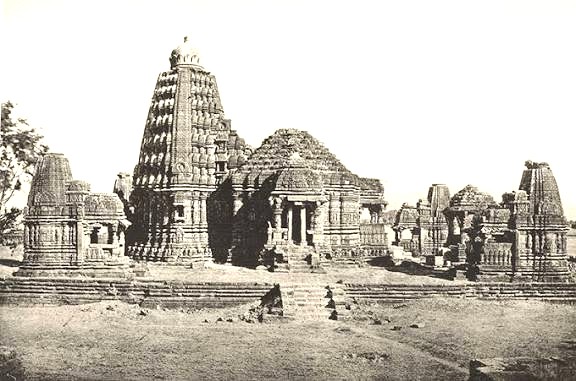
The royal kitchens would have reflected the robust and hearty agricultural produce of the Deccan. The primary crops and food of the medieval Deccan plateau included millets like jowar and bajra, wheat, and a variety of lentils and vegetables. While the common diet was simple, royal cuisine would have been more elaborate, featuring ghee-based preparations, dairy products, and sweets. Feasts for state occasions would have showcased the kingdom's wealth, serving a multitude of dishes to the court, visiting dignitaries, and the large Brahmin community that the kings patronized. Yadava Dynasty Maharashtra India
Dharma-Based Laws and Justice
The judicial system was rooted in the ancient principles of Hindu law texts, or Dharmashastras. The administration of justice according to Dharmashastra in the Yadava kingdom placed the king as the highest court of appeal, embodying the role of the protector of Dharma. Local disputes were typically settled at the village level by councils and headmen. The great scholar Hemadri, a minister at the Yadava court, compiled a voluminous work on Dharma, the Chaturvarga Chintamani, which served as an authoritative guide on religious and civil laws, rituals, and justice for the era.
The Rise of the Vithoba Cult
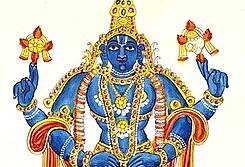
While the Yadava kings patronized both Shaivism and Vaishnavism, their reign is most famously associated with the flourishing of a unique regional faith. The Yadava dynasty's patronage of the Vithoba cult of Pandharpur was a defining feature of their rule. They made generous grants to the temple of Lord Vithoba, a form of Vishnu, elevating Pandharpur into a major pilgrimage center. This royal support, combined with the efforts of poet-saints of the Varkari movement, cemented Vithoba's place as the most beloved deity in the Marathi-speaking region, a legacy that endures to this day.
Pilgrimages and Festive Gatherings
Religious life was marked by pilgrimages and vibrant festivals centered around temple towns. The importance of the Pandharpur pilgrimage during the Yadava period grew immensely, with devotees from all walks of life undertaking the journey on foot. Major Hindu festivals were celebrated with enthusiasm, but the bi-annual gatherings at Pandharpur became the focal point of collective religious expression. These events, filled with devotional singing (kirtans) and community, strengthened the burgeoning Varkari movement and fostered a unique Marathi cultural and religious identity.
A Court of Scholars and Mathematicians
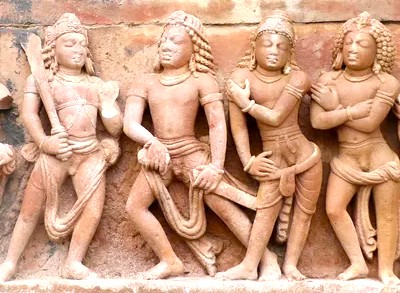
The Yadava court at Devagiri was a luminous center of learning and intellectual activity. The patronage of Sanskrit scholars by the Yadava kings attracted some of the brightest minds of the era. The dynasty's most famous scholar was the brilliant mathematician and astronomer Bhaskaracharya II, author of the seminal works Siddhanta Shiromani and Lilavati. Another towering figure was Hemadri, a polymath minister who made monumental contributions to law, architecture, and medicine. This patronage of scholarship made the Yadava court a beacon of high culture and scientific inquiry in medieval India. Yadava Dynasty Maharashtra India
Wars with Hoysalas and Kakatiyas
The Yadavas carved out their empire through relentless military conflict. Their existence was defined by a three-way struggle for supremacy in the Deccan with their southern neighbors. The history of the Yadava-Hoysala-Kakatiya conflict was one of endless wars fought over territory and imperial prestige. Under powerful rulers like Bhillama V and Singhana II, the Yadava army, known for its strong cavalry, launched numerous campaigns, extending their empire's borders deep into the south. This constant warfare made the Yadavas a formidable military power but also drained their resources over time.
Royal Marriages as Political Tools
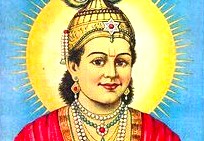
Like other medieval dynasties, the Yadavas used matrimonial alliances as a key instrument of state policy. The use of strategic marriage alliances by the Yadava dynasty helped to secure borders and placate powerful feudatories. Marriages were arranged with neighboring royal families, such as the Hoysalas and Kakatiyas, during brief periods of peace to forge temporary truces and create a complex web of inter-relationships. Within the court, the queens and other royal women, while living largely private lives, could wield influence through their family connections and patronage of religious institutions.
The Great Minister Hemadri's Influence
The latter half of the Yadava period was profoundly shaped by one of its most brilliant ministers, Hemadri, popularly known as Hemadpant. The contributions of Hemadri to Yadava administration and culture were vast and transformative. A skilled administrator, he streamlined governance and revenue collection. As a scholar, he wrote extensively on law and medicine. Most visibly, he is credited with pioneering a unique style of temple architecture that required no mortar, and with promoting the use of Modi script for writing Marathi, leaving an indelible mark on the region. Yadava Dynasty Maharashtra India
The Impregnable Fortress of Devagiri
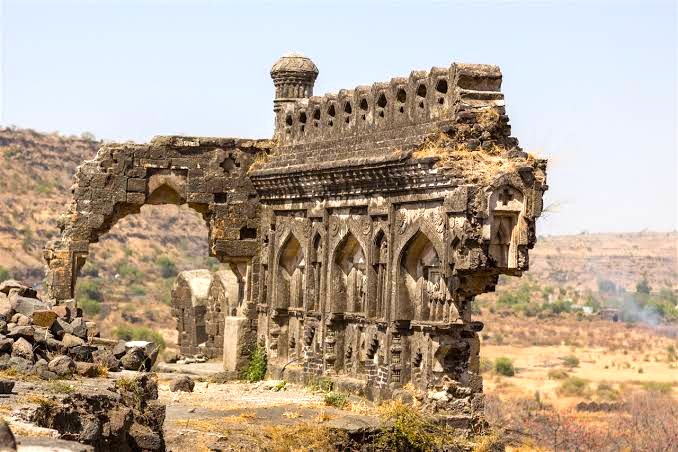
The Yadava capital, Devagiri (later renamed Daulatabad by the Sultans), was one of the most formidable citadels in all of India. The defensive features of the Devagiri fort architecture were legendary. The city was built around a massive, 200-meter-high conical hill, whose lower slopes were scarped to make them impossible to climb. It was protected by multiple concentric walls and a deep, rock-cut moat. The only access to the upper citadel was through a single, narrow, and treacherous subterranean passage, making it a virtually impregnable fortress and a symbol of Yadava power.
The First Major Marathi Dynasty
The Yadavas hold a unique and cherished place in regional history as the first major dynasty to champion the local language. The Yadava dynasty's role in promoting the Marathi language was a landmark cultural shift. They adopted Marathi as a court language alongside Sanskrit, and their inscriptions increasingly used it to communicate with the common people. This royal patronage gave immense prestige to Marathi, encouraging its use in literature and administration and paving the way for the flourishing of Marathi devotional literature by poet-saints like Jnaneshwar. Yadava Dynasty Maharashtra India
Alauddin Khalji's Devastating Raid
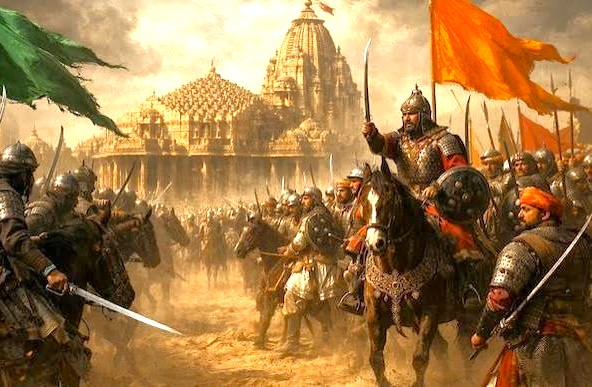
In 1296, the Yadava kingdom's peace was shattered by a sudden and calamitous invasion. The ambitious Delhi Sultanate general, Alauddin Khalji, led a lightning raid on Devagiri. The impact of Alauddin Khalji's first invasion of Devagiri was catastrophic. King Ramachandra was taken completely by surprise and, unable to withstand a siege, was forced to sue for peace. Khalji extorted an unimaginable amount of treasure - tons of gold, pearls, and jewels - which he used to seize the throne of Delhi, while exposing the vulnerability of the wealthy but complacent Deccan kingdom.
The Beginning of the End
The initial raid by Alauddin Khalji marked the beginning of the end for the Yadava Dynasty. After Khalji became Sultan of Delhi, he sent his general Malik Kafur on subsequent campaigns to ensure the flow of tribute. The subjugation of the Yadavas by the Delhi Sultanate turned them into a vassal state. King Ramachandra's successor, Shankara, attempted to defy the Sultanate, leading to another invasion by Malik Kafur in which Shankara was killed and the kingdom was once again plundered, crippling its military and economic strength beyond recovery.
Final Annexation by the Sultanate
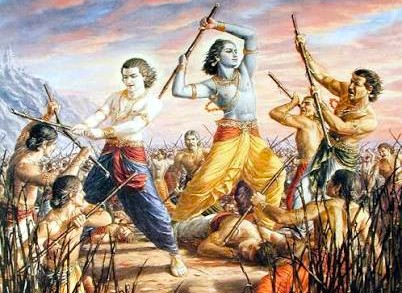
The final blow fell during the reign of the Tughlaqs. In 1317, the last Yadava ruler, Harapaladeva, rebelled against Delhi's authority. The response was swift and brutal. The final annexation of the Yadava kingdom by Qutb-ud-din Mubarak Shah ended the dynasty's sovereign rule forever. Harapaladeva was captured and executed, and the kingdom of Devagiri was formally annexed into the Delhi Sultanate. The great Hindu kingdom of the Deccan, once a beacon of power and culture, was extinguished, paving the way for centuries of Sultanate rule in the region.
Step Inside The Story - View All Tour Itineraries & Details

We’re here to offer genuine, thoughtful guidance if your interested in travelling to India. As a small, dedicated team, we pay close attention to every detail so you can focus on enjoying the experience while we take care of the planning. We believe the best trips begin when someone truly listens to what you want and how you like to travel, so the journey feels right for you and contributes to a happy, positive group on tour. Our communication stays clear, straightforward, and respectful at every step, with the goal of helping you feel understood, supported, and confident from first contact to the end of your journey.
Click Catherine Frith - About The Founder
Click Discover Life Travel - All Tours and More
Click Why We Are Different - Unique, Safe, Transparent